Herrera Gloria M, Padilla Amira C, Hernandez-Rivera Samuel P
ALERT-DHS Center of Excellence/Center for Chemical Sensors Development, University of Puerto Rico-Mayagüez, P.O. Box 9000, Mayaguez, PR 00681-9000, USA.
Nanomaterials (Basel). 2013 Mar 1;3(1):158-172. doi: 10.3390/nano3010158.
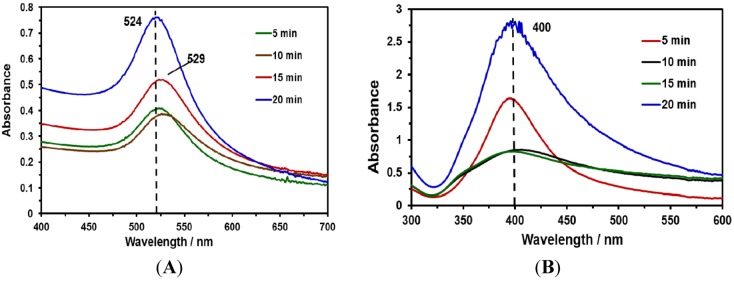
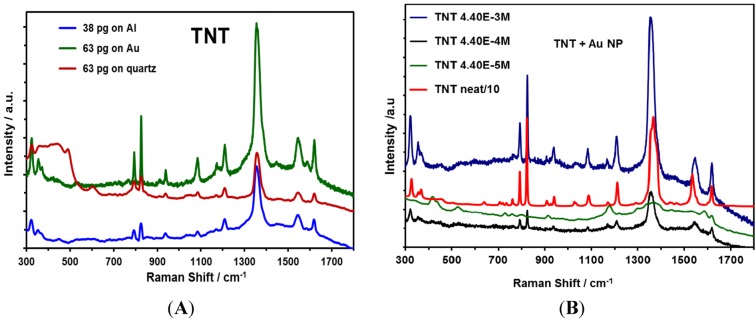
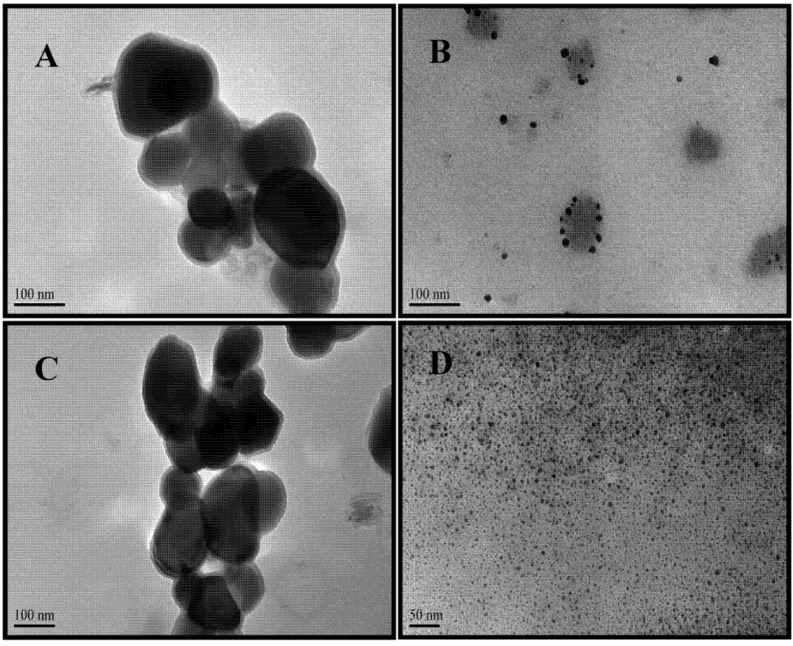
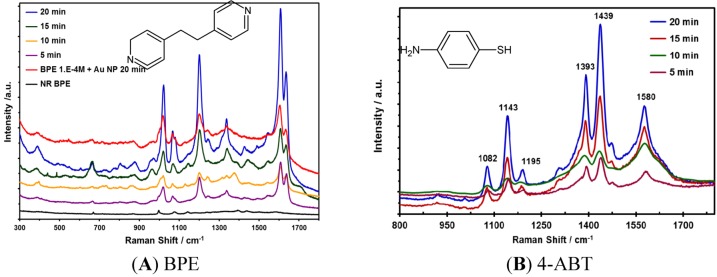
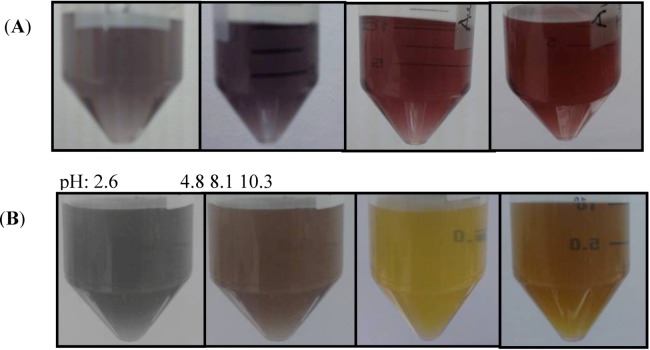
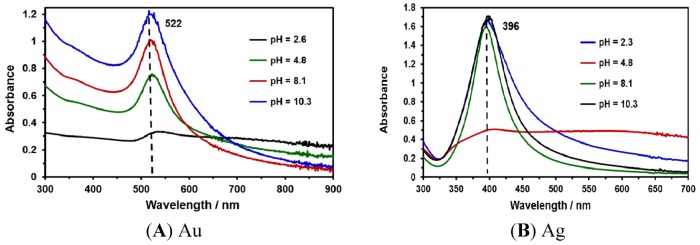
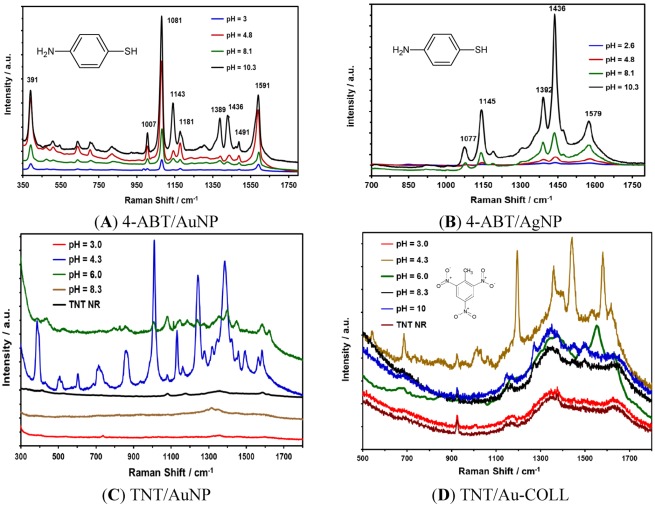
Gold and silver nanoparticles (NPs) were prepared in water, acetonitrile and isopropanol by laser ablation methodologies. The average characteristic (longer) size of the NPs obtained ranged from 3 to 70 nm. 4-Aminobenzebethiol (4-ABT) was chosen as the surface enhanced Raman scattering (SERS) probe molecule to determine the optimum irradiation time and the pH of aqueous synthesis of the laser ablation-based synthesis of metallic NPs. The synthesized NPs were used to evaluate their capacity as substrates for developing more analytical applications based on SERS measurements. A highly energetic material, TNT, was used as the target compound in the SERS experiments. The Raman spectra were measured with a Raman microspectrometer. The results demonstrate that gold and silver NP substrates fabricated by the methods developed show promising results for SERS-based studies and could lead to the development of micro sensors.
通过激光烧蚀方法在水、乙腈和异丙醇中制备了金和银纳米颗粒(NPs)。所获得的NPs的平均特征(较长)尺寸范围为3至70纳米。选择4-氨基苯硫酚(4-ABT)作为表面增强拉曼散射(SERS)探针分子,以确定基于激光烧蚀的金属NPs水相合成的最佳辐照时间和pH值。合成的NPs用于评估其作为基于SERS测量开发更多分析应用的底物的能力。一种高能材料TNT被用作SERS实验中的目标化合物。用拉曼显微光谱仪测量拉曼光谱。结果表明,通过所开发的方法制备的金和银NP底物在基于SERS的研究中显示出有前景的结果,并可能导致微传感器的开发。