Badash Ido, Kleinman Nicole P, Barr Stephanie, Jang Julie, Rahman Suraiya, Wu Brian W
Keck School of Medicine, University of Southern California.
School of Pharmacy, University of Southern California.
Cureus. 2017 Feb 9;9(2):e1018. doi: 10.7759/cureus.1018.
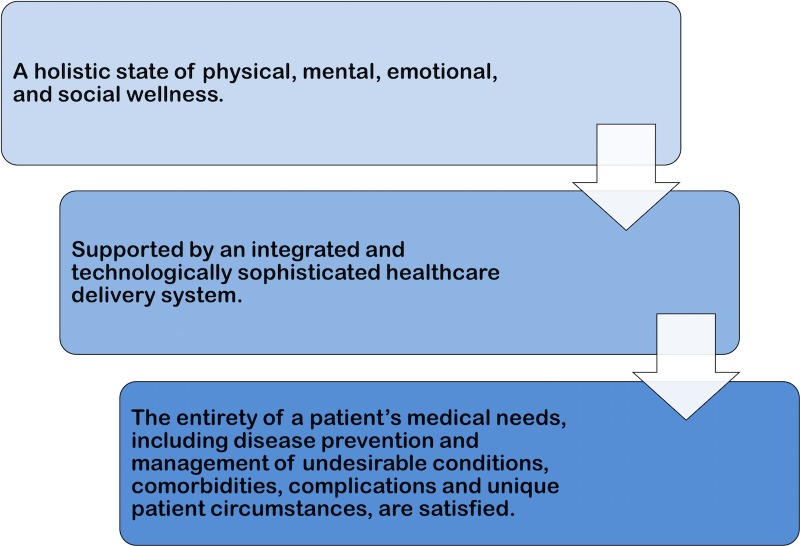
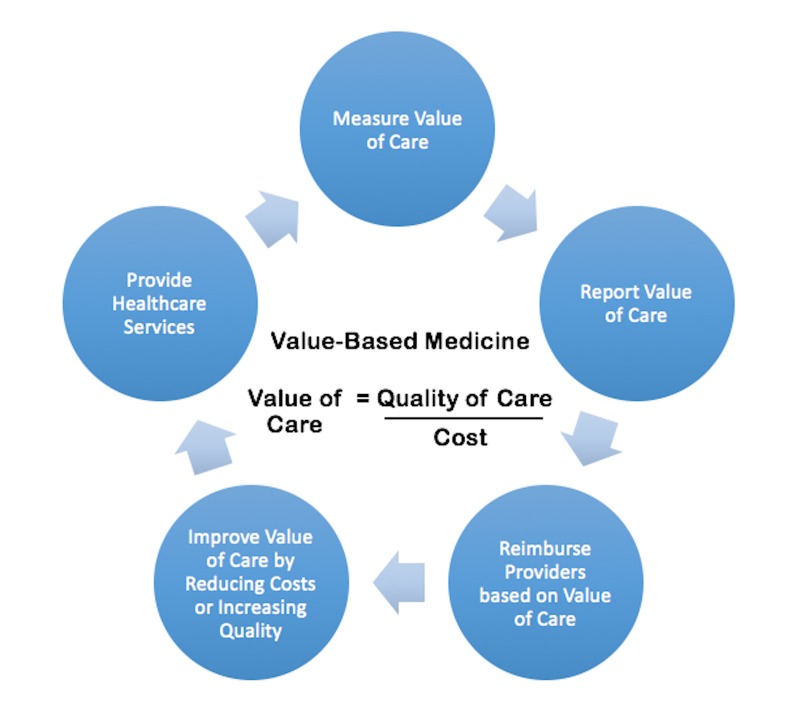
The current healthcare system in the United States (US) is characterized by high costs and poor patient outcomes. A value-based healthcare system, centered on providing the highest quality of care for the lowest cost, is the country's chosen solution for its healthcare crisis. As the US transitions to a value-based model, a new definition of health is necessary to clearly define what constitutes a healthy state. However, such a definition is impossible to develop without a proper understanding of what "health" actually means. To truly understand its meaning, one must have a thorough historical understanding of the changes in the concept of health and how it has evolved to reflect the beliefs and scientific understanding of each time period. Thus, this review summarizes the changes in the definition of health over time in order to provide a context for the definition needed today. We then propose a new definition of health that is specifically tailored to providers working in the era of value-based care.
美国当前的医疗保健系统存在成本高昂且患者预后不佳的特点。以最低成本提供最高质量护理为核心的基于价值的医疗保健系统,是该国应对医疗保健危机所选择的解决方案。随着美国向基于价值的模式转变,需要一个新的健康定义来明确界定什么构成健康状态。然而,如果没有对“健康”实际含义的恰当理解,就不可能形成这样的定义。要真正理解其含义,必须对健康概念的变化以及它如何演变以反映每个时期的信仰和科学理解有全面的历史认识。因此,本综述总结了健康定义随时间的变化,以便为当今所需的定义提供背景。然后,我们提出了一个专门为在基于价值的护理时代工作的提供者量身定制的健康新定义。