Ponzoni Andrea, Baratto Camilla, Cattabiani Nicola, Falasconi Matteo, Galstyan Vardan, Nunez-Carmona Estefania, Rigoni Federica, Sberveglieri Veronica, Zambotti Giulia, Zappa Dario
Consiglio Nazionale delle Ricerche (CNR), Istituto Nazionale di Ottica (INO), Unità di Brescia SENSOR Lab, Via Branze 45, 25123 Brescia, Italy.
Dipartimento di Ingegneria dell'Informazione, Università degli Studi di Brescia, SENSOR Lab, Via Valotti 9, 25133 Brescia, Italy.
Sensors (Basel). 2017 Mar 29;17(4):714. doi: 10.3390/s17040714.
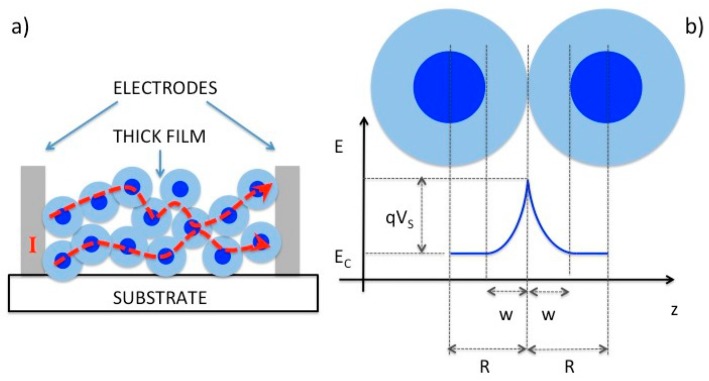
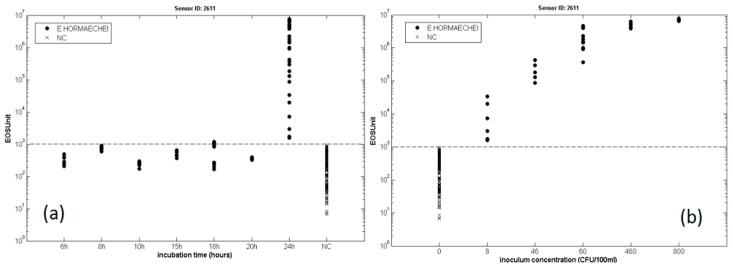
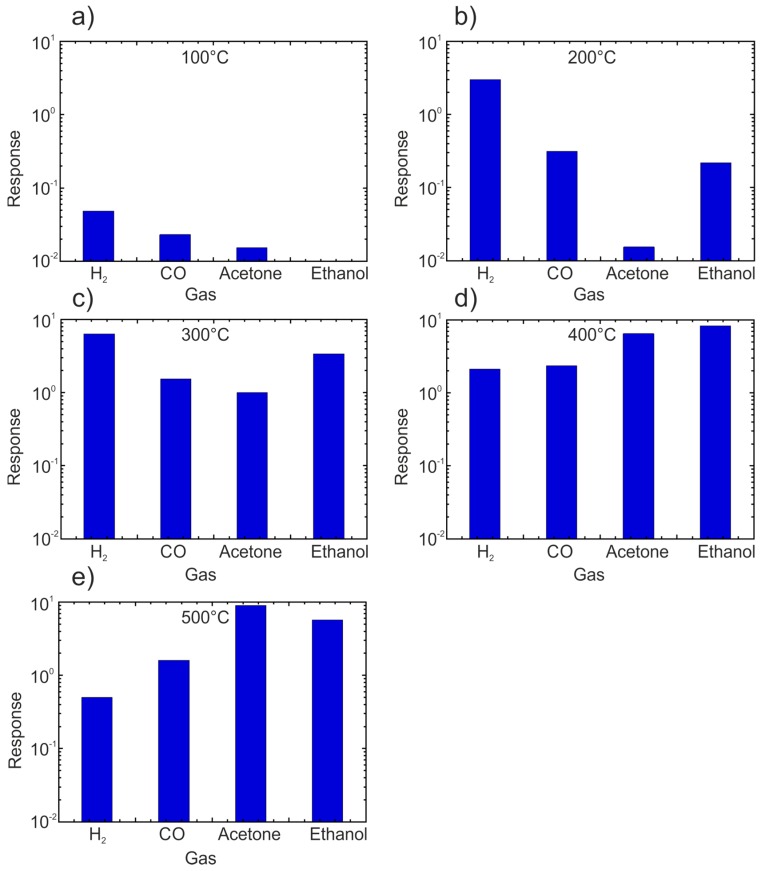
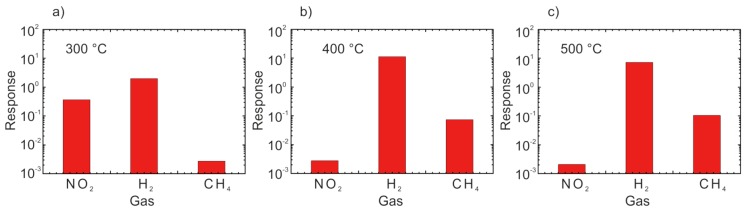
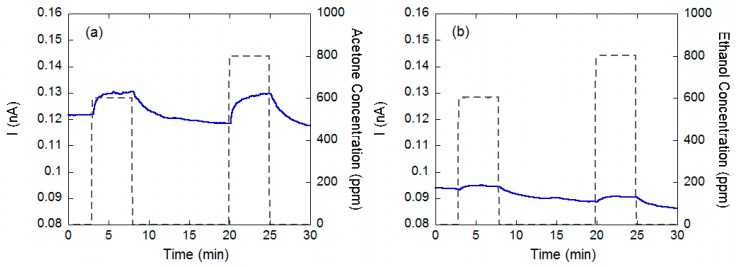
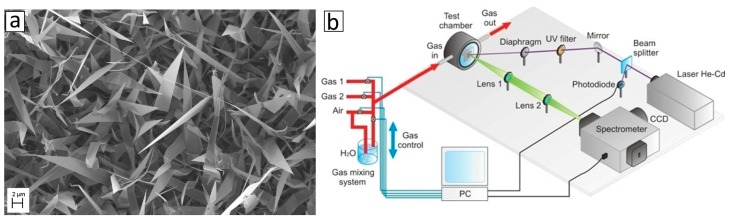
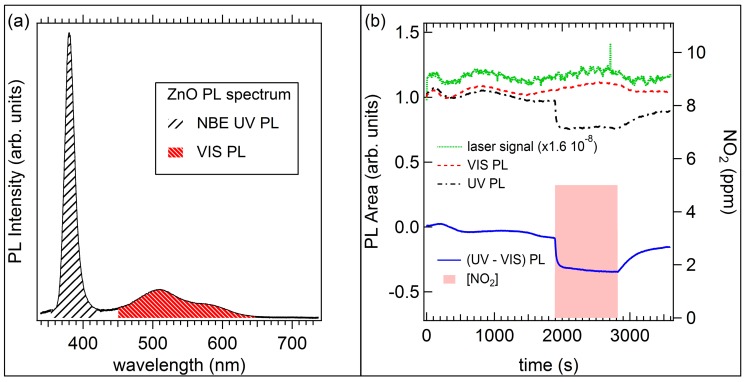
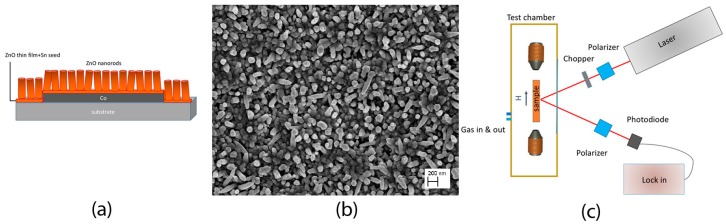
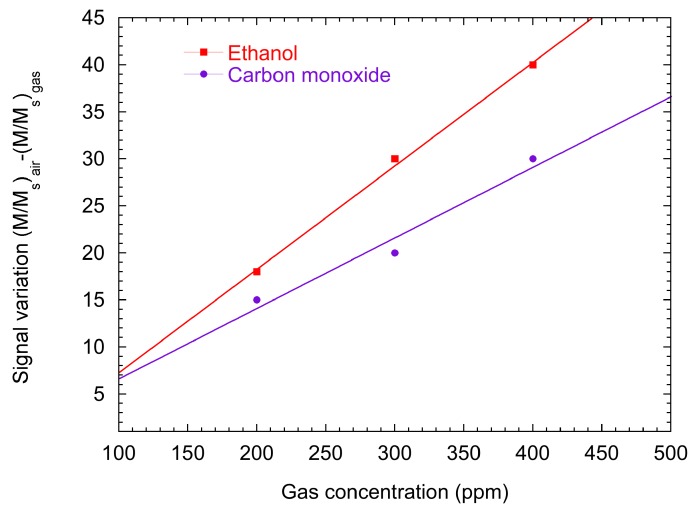
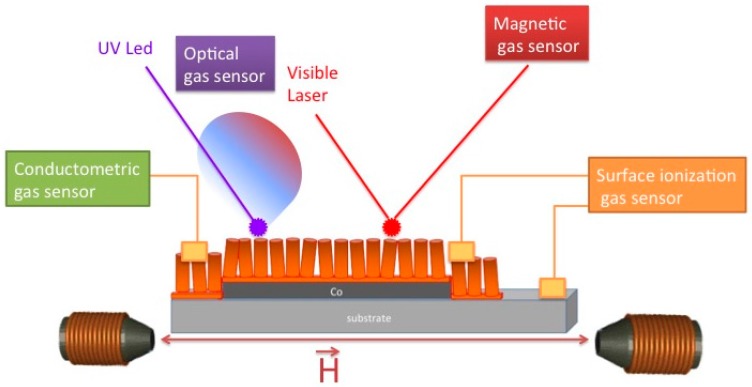
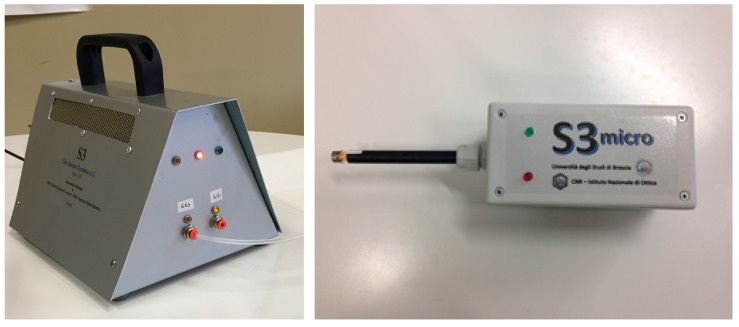
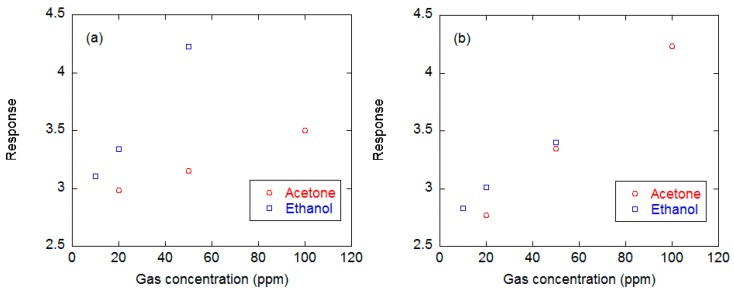
This work reports the recent results achieved at the SENSOR Lab, Brescia (Italy) to address the selectivity of metal oxide based gas sensors. In particular, two main strategies are being developed for this purpose: (i) investigating different sensing mechanisms featuring different response spectra that may be potentially integrated in a single device; (ii) exploiting the electronic nose (EN) approach. The former has been addressed only recently and activities are mainly focused on determining the most suitable configuration and measurements to exploit the novel mechanism. Devices suitable to exploit optical (photoluminescence), magnetic (magneto-optical Kerr effect) and surface ionization in addition to the traditional chemiresistor device are here discussed together with the sensing performance measured so far. The electronic nose is a much more consolidated technology, and results are shown concerning its suitability to respond to industrial and societal needs in the fields of food quality control and detection of microbial activity in human sweat.
本文报道了意大利布雷西亚SENSOR实验室在解决基于金属氧化物的气体传感器选择性方面取得的最新成果。具体而言,为此正在开发两种主要策略:(i)研究具有不同响应光谱的不同传感机制,这些机制可能会集成在单个设备中;(ii)采用电子鼻方法。前者直到最近才得到解决,目前的活动主要集中在确定利用这种新机制的最合适配置和测量方法。除了传统的化学电阻器设备外,本文还讨论了适用于利用光学(光致发光)、磁性(磁光克尔效应)和表面电离的设备,以及目前测量的传感性能。电子鼻是一种更为成熟的技术,文中展示了其在食品质量控制和人体汗液中微生物活动检测领域满足工业和社会需求的适用性方面的成果。