Guadagno Noemi A, Moriconi Claudia, Licursi Valerio, D'Acunto Emanuela, Nisi Paola S, Carucci Nicoletta, De Jaco Antonella, Cacci Emanuele, Negri Rodolfo, Lupo Giuseppe, Miranda Elena
Dpt. of Biology and Biotechnologies 'Charles Darwin', Sapienza University of Rome, Italy.
Dpt. of Biology and Biotechnologies 'Charles Darwin', Sapienza University of Rome, Italy; Institute for Systems Analysis and Computer Science 'Antonio Ruberti', National Research Council, Rome, Italy.
Neurobiol Dis. 2017 Jul;103:32-44. doi: 10.1016/j.nbd.2017.03.010. Epub 2017 Mar 28.
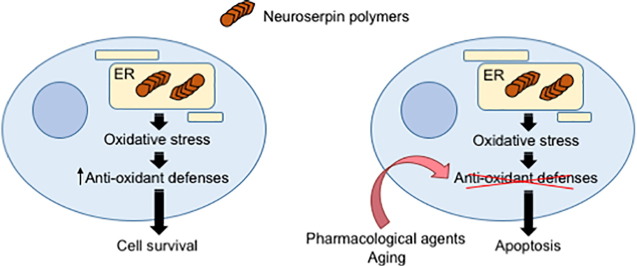
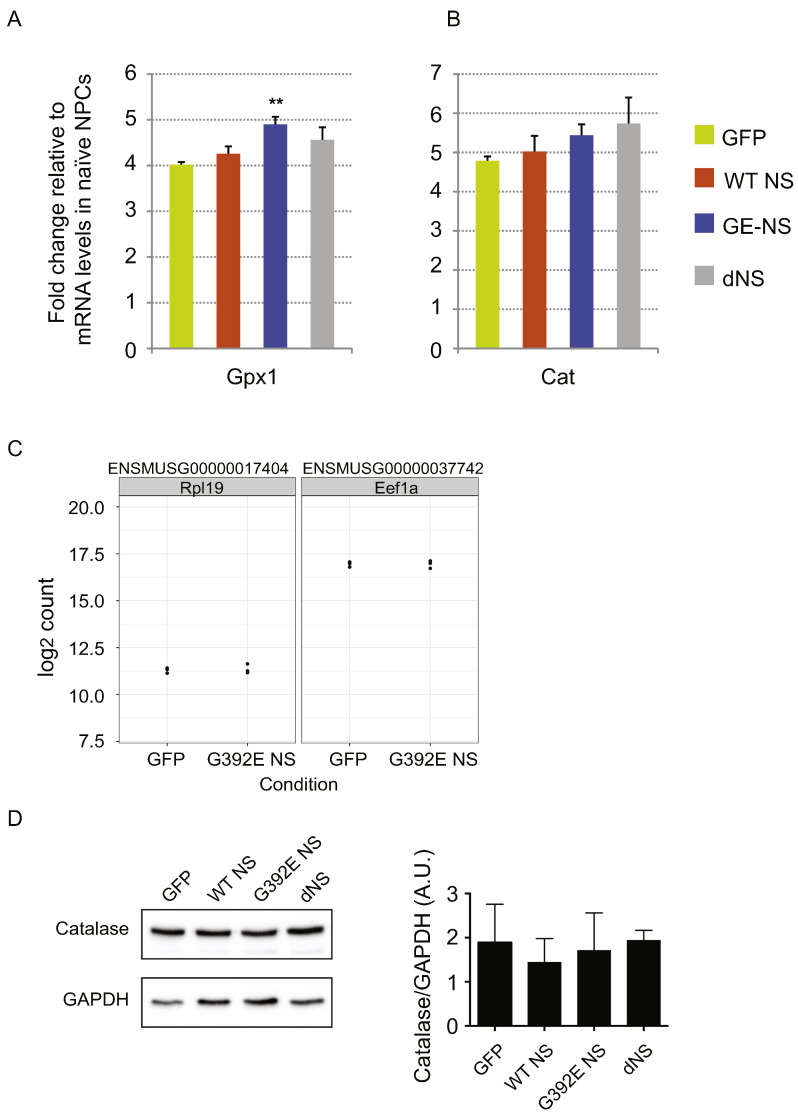
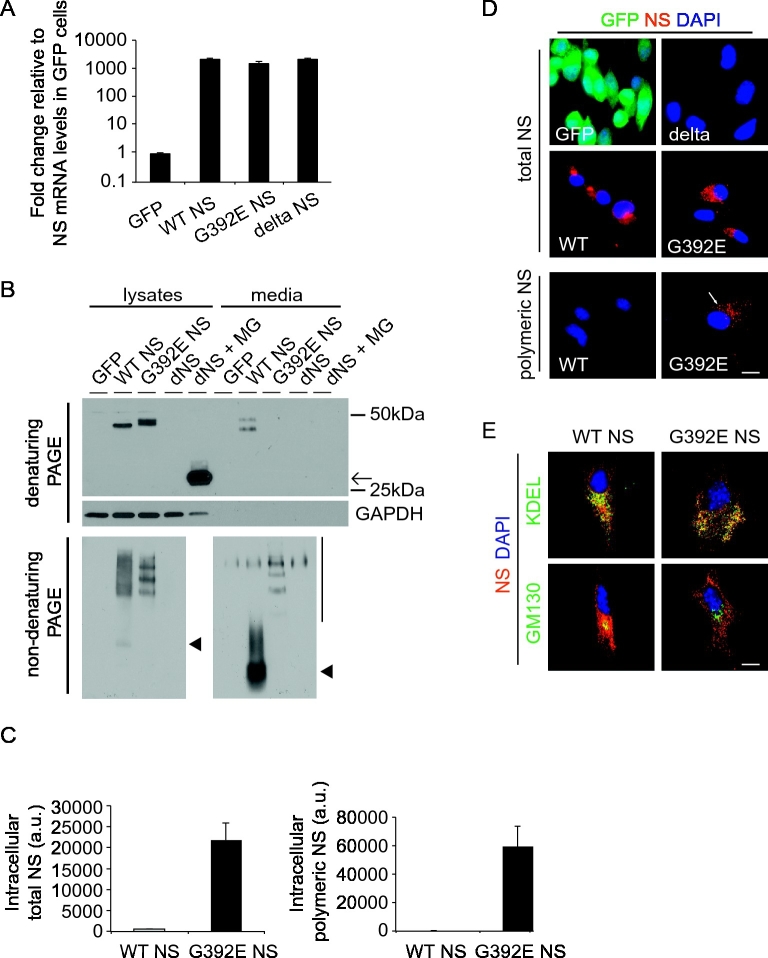
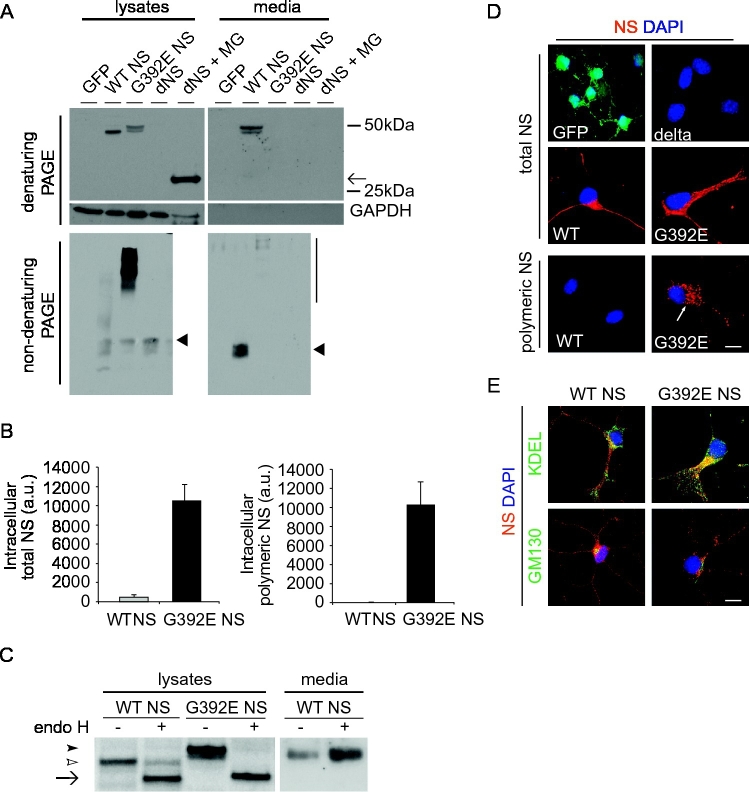
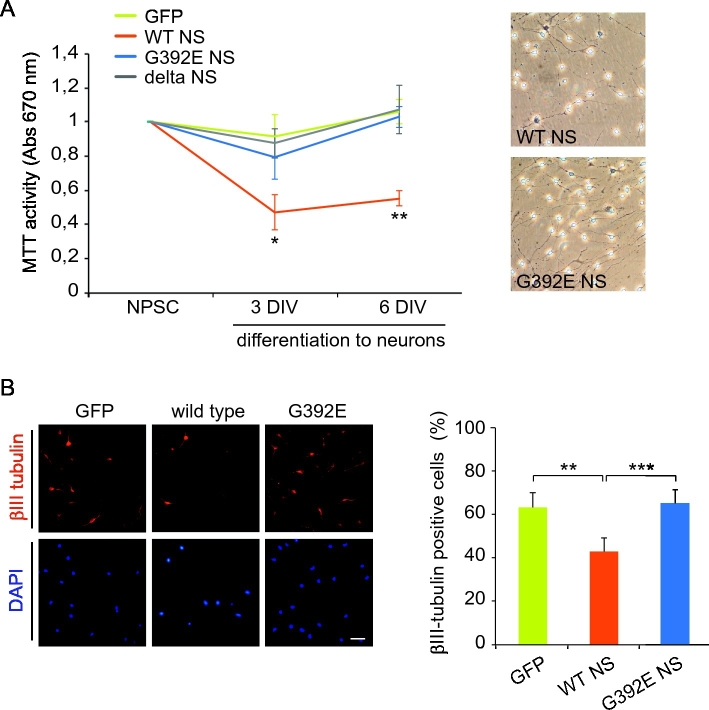
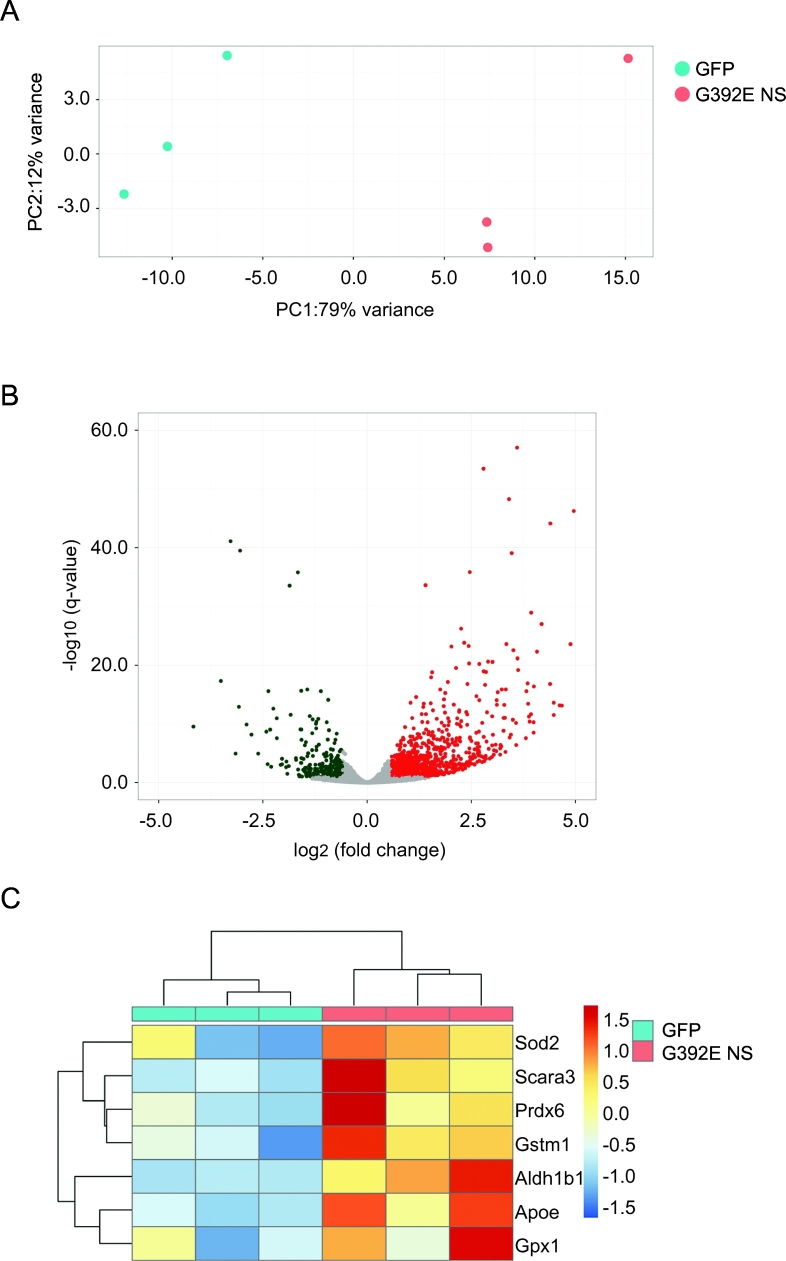
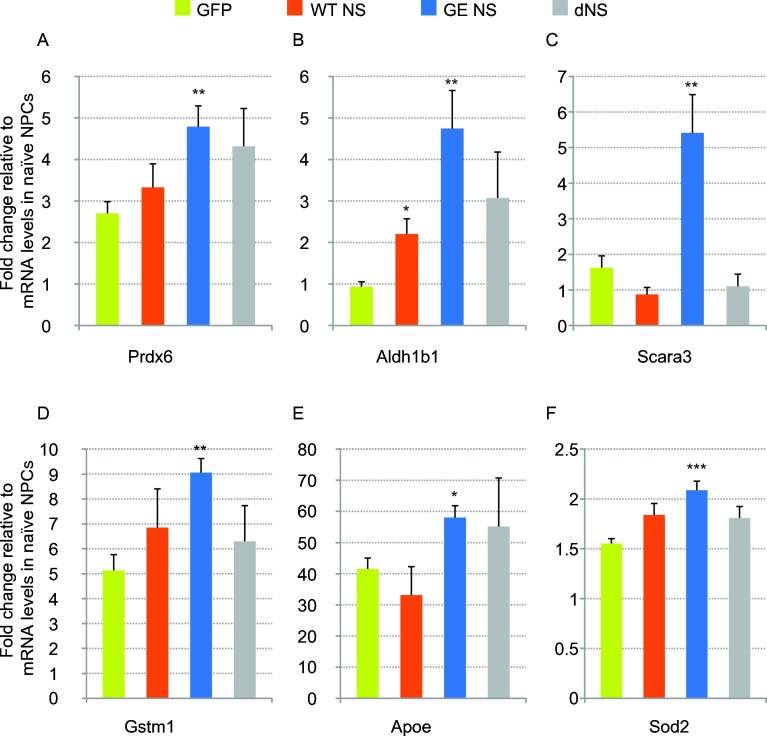
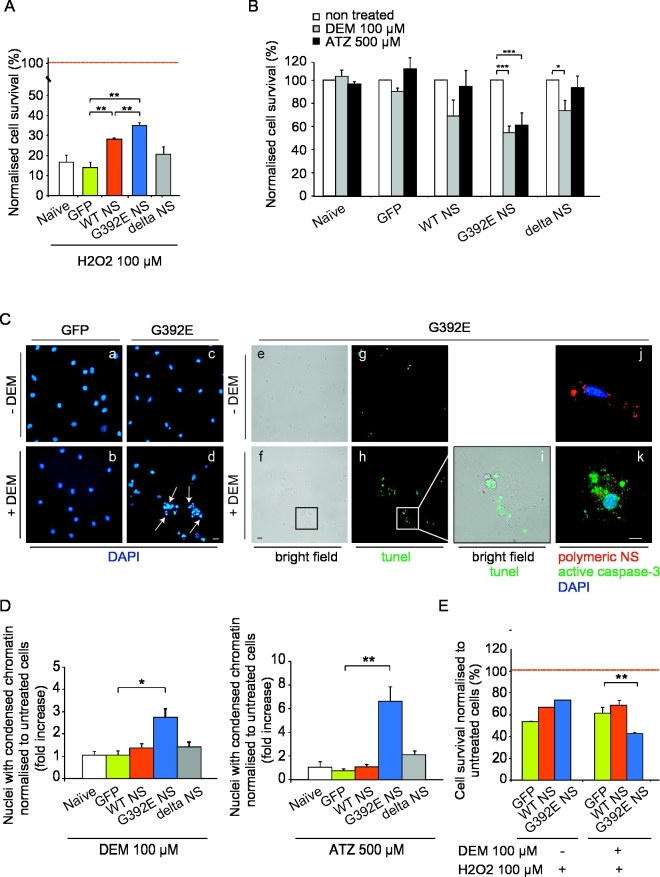
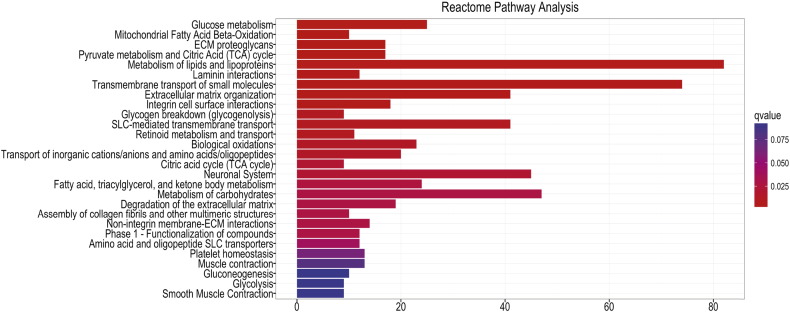
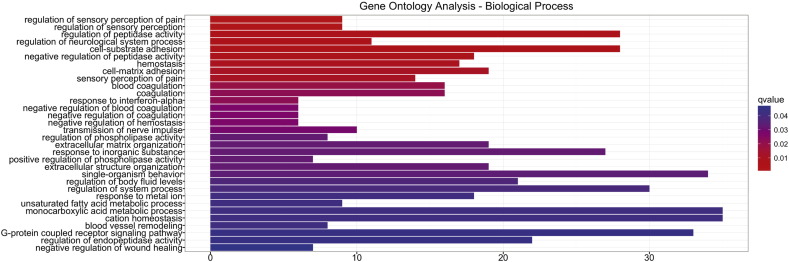
The serpinopathies are human pathologies caused by mutations that promote polymerisation and intracellular deposition of proteins of the serpin superfamily, leading to a poorly understood cell toxicity. The dementia FENIB is caused by polymerisation of the neuronal serpin neuroserpin (NS) within the endoplasmic reticulum (ER) of neurons. With the aim of understanding the toxicity due to intracellular accumulation of neuroserpin polymers, we have generated transgenic neural progenitor cell (NPC) cultures from mouse foetal cerebral cortex, stably expressing the control protein GFP (green fluorescent protein), or human wild type, G392E or delta NS. We have characterised these cell lines in the proliferative state and after differentiation to neurons. Our results show that G392E NS formed polymers that were mostly retained within the ER, while wild type NS was correctly secreted as a monomeric protein into the culture medium. Delta NS was absent at steady state due to its rapid degradation, but it was easily detected upon proteasomal block. Looking at their intracellular distribution, wild type NS was found in partial co-localisation with ER and Golgi markers, while G392E NS was localised within the ER only. Furthermore, polymers of NS were detected by ELISA and immunofluorescence in neurons expressing the mutant but not the wild type protein. We used control GFP and G392E NPCs differentiated to neurons to investigate which cellular pathways were modulated by intracellular polymers by performing RNA sequencing. We identified 747 genes with a significant upregulation (623) or downregulation (124) in G392E NS-expressing cells, and we focused our attention on several genes involved in the defence against oxidative stress that were up-regulated in cells expressing G392E NS (Aldh1b1, Apoe, Gpx1, Gstm1, Prdx6, Scara3, Sod2). Inhibition of intracellular anti-oxidants by specific pharmacological reagents uncovered the damaging effects of NS polymers. Our results support a role for oxidative stress in the cellular toxicity underlying the neurodegenerative dementia FENIB.
丝氨酸蛋白酶抑制剂病是由促进丝氨酸蛋白酶抑制剂超家族蛋白质聚合和细胞内沉积的突变引起的人类疾病,导致一种尚不清楚的细胞毒性。痴呆症FENIB是由神经元丝氨酸蛋白酶抑制剂神经丝氨酸蛋白酶(NS)在内质网(ER)中聚合引起的。为了了解神经丝氨酸蛋白酶聚合物细胞内积累所导致的毒性,我们从小鼠胎儿大脑皮层生成了转基因神经祖细胞(NPC)培养物,稳定表达对照蛋白绿色荧光蛋白(GFP),或人野生型、G392E或缺失NS。我们对这些细胞系在增殖状态以及分化为神经元后的情况进行了表征。我们的结果表明,G392E NS形成的聚合物大多保留在内质网内,而野生型NS作为单体蛋白正确分泌到培养基中。由于其快速降解,缺失NS在稳态时不存在,但在蛋白酶体阻断时很容易检测到。观察它们的细胞内分布,发现野生型NS与内质网和高尔基体标记物部分共定位,而G392E NS仅定位于内质网内。此外,通过ELISA和免疫荧光在表达突变蛋白而非野生型蛋白的神经元中检测到了NS聚合物。我们使用分化为神经元的对照GFP和G392E NPC进行RNA测序,以研究细胞内聚合物调节了哪些细胞途径。我们在表达G392E NS的细胞中鉴定出747个显著上调(623个)或下调(124个)的基因,我们将注意力集中在几个参与抗氧化应激防御且在表达G392E NS的细胞中上调的基因上(Aldh1b1、Apoe、Gpx1、Gstm1、Prdx6、Scara3、Sod2)。用特定药理试剂抑制细胞内抗氧化剂揭示了NS聚合物的破坏作用。我们的结果支持氧化应激在神经退行性痴呆症FENIB潜在细胞毒性中的作用。