Lucarelli Loredana, Ammaniti Massimo, Porreca Alessio, Simonelli Alessandra
Department of Pedagogy, Psychology, Philosophy, University of Cagliari Cagliari, Italy.
Faculty of Medicine and Psychology, Sapienza University of Rome Rome, Italy.
Front Psychol. 2017 Mar 17;8:376. doi: 10.3389/fpsyg.2017.00376. eCollection 2017.
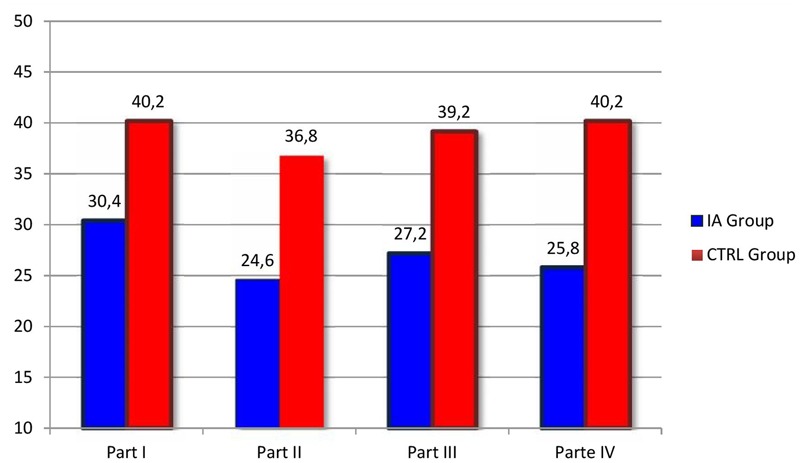
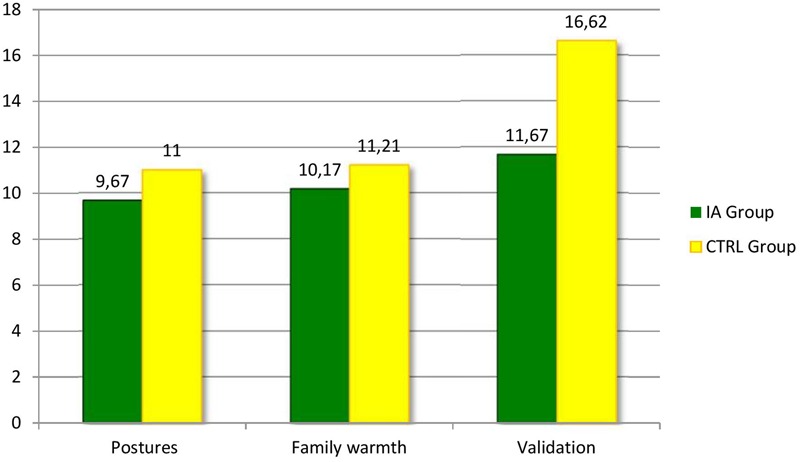
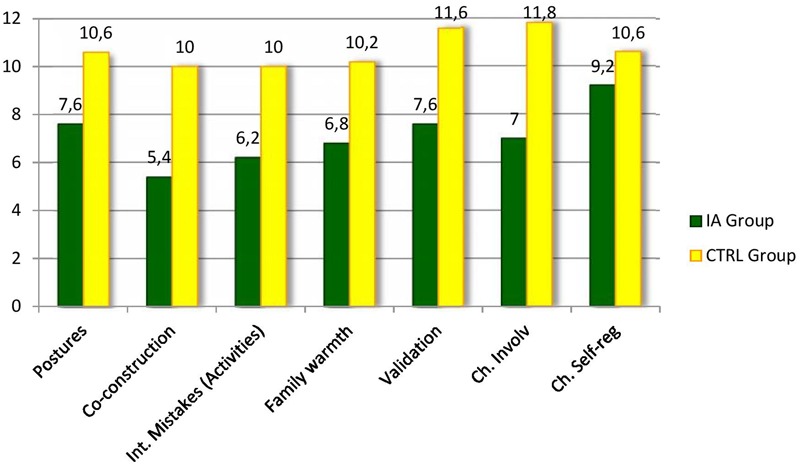
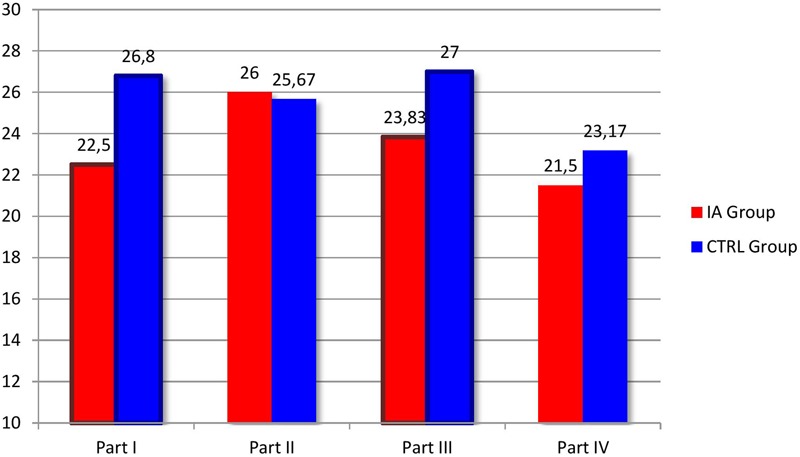
Infantile Anorexia (IA), defined by the Diagnostic Classification of Mental Health and Developmental Disorders of Infancy and Early Childhood Revised (DC: 0-3R, Zero To Three, 2005), occurs when the child (a) refuses to eat adequate amounts of food for at least 1 month, and shows growth deficiency, (b) does not communicate hunger and lacks interest in food, and (c) the child's food refusal does not follow a traumatic event and is not due to an underlying medical illness. IA usually emerges during the transition to self-feeding, when the child issues of autonomy are played out daily in the feeding situation. Studies evidence that the feeding interactions between children with IA and their mothers are characterized by low reciprocity, greater interactional conflict and negative affects (Chatoor et al., 2000; Ammaniti et al., 2010, 2012). Moreover, these studies pointed out that maternal depression and eating disorders are frequently associated with IA (Cooper et al., 2004; Ammaniti et al., 2010; Lucarelli et al., 2013). To date, research has focused almost exclusively on the mother-child dyad, while fathers' involvement, co-parental and family interactions are poorly studied. The current study is a pilot research that investigated mother-father-child triadic interactions, during feeding and play, in families with children diagnosed with IA, in comparison to families with normally developing children. Until now, at the study participated = 10 families (five with a child with IA diagnosis and five with lack of child's IA diagnosis, matched for child's age and gender). The parents-child triadic interactions were assessed in feeding and play contexts using the Lausanne Trilogue Play (Fivaz-Depeursinge and Corboz-Warnery, 1999), adapted to observe father-mother-infant primary triangle in the feeding context, compared to the play context (Lucarelli et al., 2012). Families of the IA-group showed difficulties in expressing and sharing pleasure and positive affects, and in structuring a predictable and flexible context. Children showed little autonomy and difficulty in being actively engaged and tune with parents. Dysfunctional family interactions are a critical issue for IA that affects co-parental and family subsystems, stressing the importance of an articulated diagnostic assessment in order to target effective treatment approaches.
婴幼儿厌食症(IA),根据《婴幼儿及儿童早期心理健康与发育障碍诊断分类修订版》(DC: 0 - 3R,零至三岁,2005年)的定义,当儿童出现以下情况时即发生:(a)拒绝摄入足够食物至少1个月,并出现生长发育迟缓;(b)不表达饥饿感且对食物缺乏兴趣;(c)儿童的食物拒绝并非因创伤性事件所致,也不是由潜在的医学疾病引起。IA通常在向自主进食过渡期间出现,此时儿童的自主性问题每天都在进食情境中展现出来。研究表明,患有IA的儿童与其母亲之间的喂养互动具有低互惠性、更多的互动冲突和负面影响(查托尔等人,2000年;阿曼尼蒂等人,2010年、2012年)。此外,这些研究指出,母亲的抑郁和饮食失调经常与IA相关(库珀等人,2004年;阿曼尼蒂等人,2010年;卢卡雷利等人,2013年)。迄今为止,研究几乎完全集中在母婴二元组上,而父亲的参与、共同养育和家庭互动方面的研究很少。本研究是一项试点研究,调查了与正常发育儿童家庭相比,患有IA儿童家庭在喂养和玩耍期间的母婴父三元互动。到目前为止,该研究共有10个家庭参与(5个家庭的孩子被诊断为IA,5个家庭的孩子未被诊断为IA,根据孩子的年龄和性别进行匹配)。使用洛桑三元互动游戏(菲瓦兹 - 德佩尔桑热和科尔博兹 - 瓦尔纳里,1999年)在喂养和玩耍情境中评估亲子三元互动,该游戏经过改编以观察喂养情境中的父母 - 婴儿主要三角关系,并与玩耍情境进行比较(卢卡雷利等人,2012年)。IA组家庭在表达和分享愉悦及积极情感以及构建可预测和灵活的情境方面存在困难。儿童表现出很少的自主性,并且在积极参与和与父母协调方面存在困难。功能失调的家庭互动是IA的一个关键问题,它影响共同养育和家庭子系统,强调了进行明确诊断评估以确定有效治疗方法的重要性。