Mohanta Yugal K, Panda Sujogya K, Jayabalan Rasu, Sharma Nanaocha, Bastia Akshaya K, Mohanta Tapan K
Biochemistry Laboratory, Department of Botany, North Orissa University Baripada, India.
Department of Zoology, North Orissa University Baripada, India.
Front Mol Biosci. 2017 Mar 17;4:14. doi: 10.3389/fmolb.2017.00014. eCollection 2017.
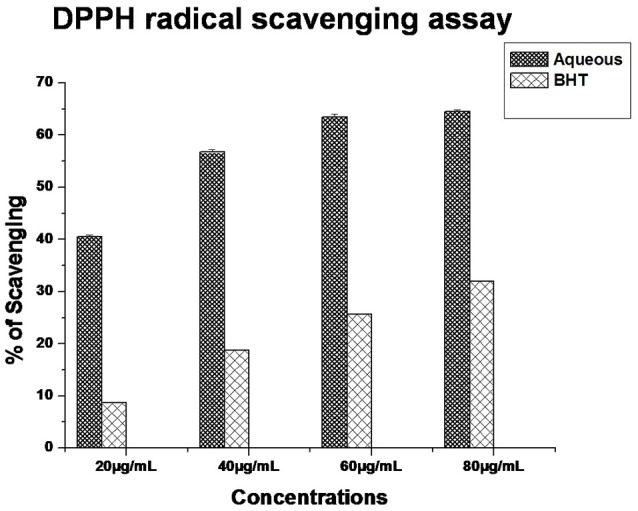
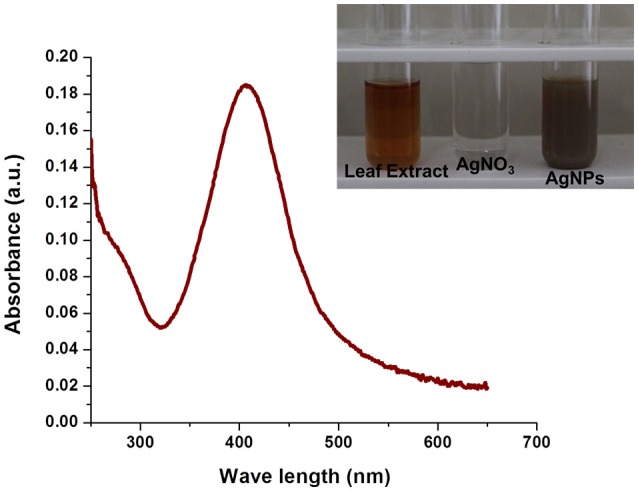
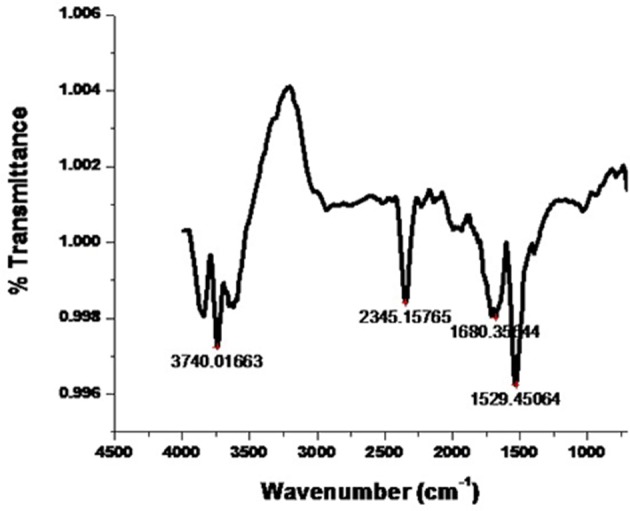
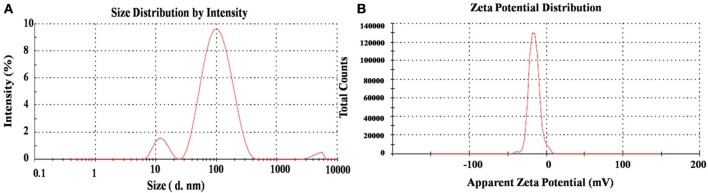
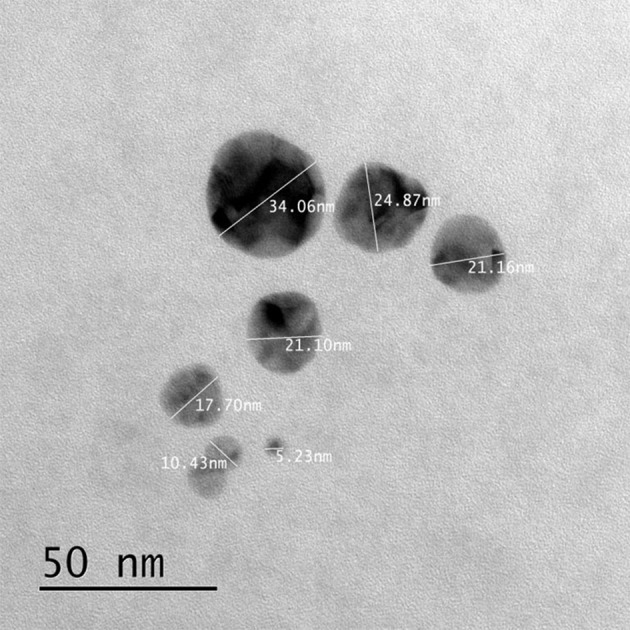
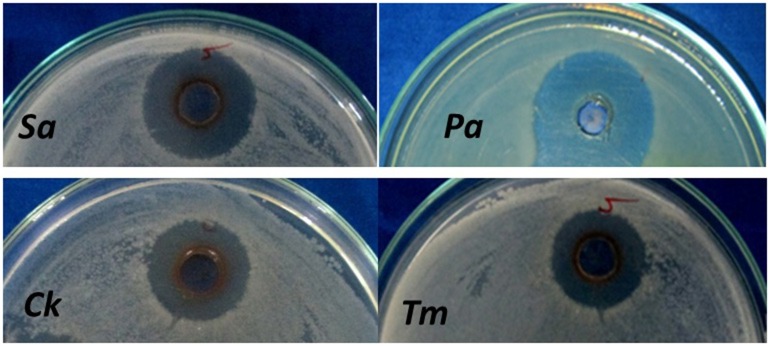
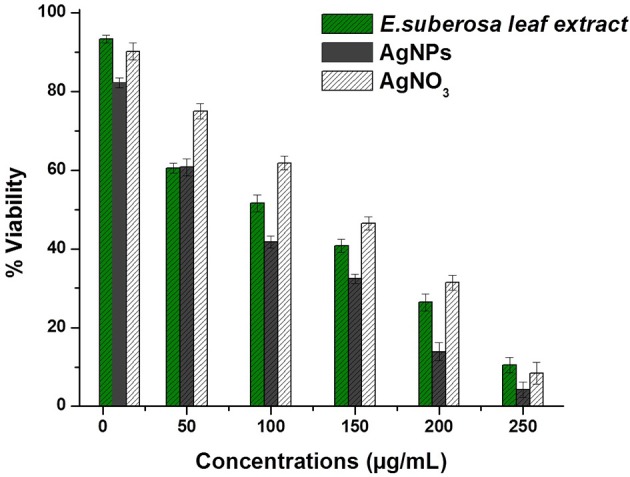
In this experiment, biosynthesized silver nanoparticles (AgNPs) were synthesized using aqueous leaf extract of (Roxb.). The biosynthesis of silver nanoparticle was continuously followed by UV-vis spectrophotometric analysis. The response of the phytoconstituents resides in during synthesis of stable AgNPs were analyzed by ATR- fourier-transform infrared spectroscopy. Further, the size, charge, and polydispersity nature of AgNPs were studied using dynamic light scattering spectroscopy. The morphology of the nanoparticles was determined by scanning electron microscopy. Current result shows core involvement of plant extracts containing glycosides, flavonoids, and phenolic compounds played a crucial role in the biosynthesis of AgNPs. The antimicrobial activities of silver nanoparticles were evaluated against different pathogenic bacterium and fungi. The antioxidant property was studied by radical scavenging (DPPH) assay and cytotoxic activity was evaluated against A-431 osteosarcoma cell line by MTT assay. The characteristics of the synthesized silver nanoparticles suggest their application as a potential antimicrobial and anticancer agent.
在本实验中,使用(罗克斯伯)的水叶提取物合成了生物合成银纳米颗粒(AgNPs)。通过紫外可见分光光度分析持续跟踪银纳米颗粒的生物合成过程。利用衰减全反射傅里叶变换红外光谱分析了在稳定AgNPs合成过程中植物成分的响应。此外,使用动态光散射光谱研究了AgNPs的尺寸、电荷和多分散性性质。通过扫描电子显微镜确定纳米颗粒的形态。目前的结果表明,含有糖苷、黄酮类化合物和酚类化合物的植物提取物在AgNPs的生物合成中起着关键作用。评估了银纳米颗粒对不同病原菌和真菌的抗菌活性。通过自由基清除(DPPH)试验研究了抗氧化性能,并通过MTT试验评估了对A-431骨肉瘤细胞系的细胞毒性活性。合成的银纳米颗粒的特性表明它们可作为潜在的抗菌和抗癌剂应用。