Univ. de Bordeaux, Institut des Maladies Neurodégénératives, UMR 5293, F-33000 Bordeaux, France.
CNRS, Institut des Maladies Neurodégénératives, UMR 5293, F-33000 Bordeaux, France.
Sci Rep. 2017 Apr 4;7:45831. doi: 10.1038/srep45831.
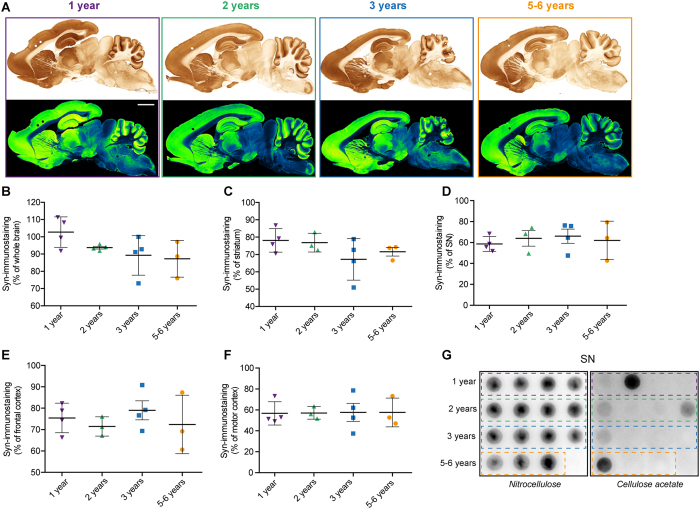
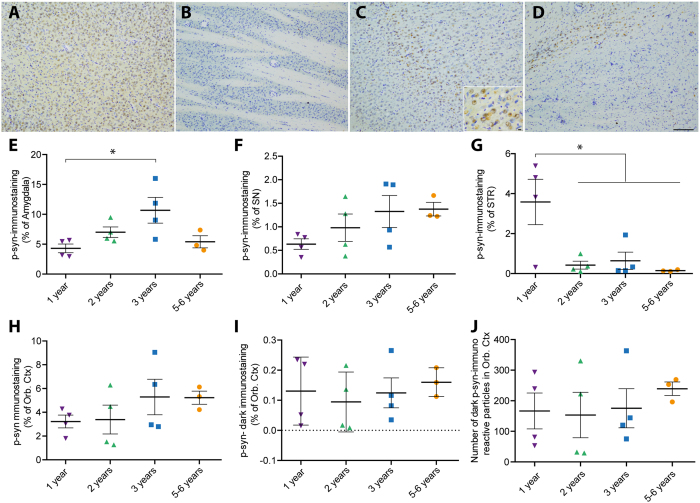
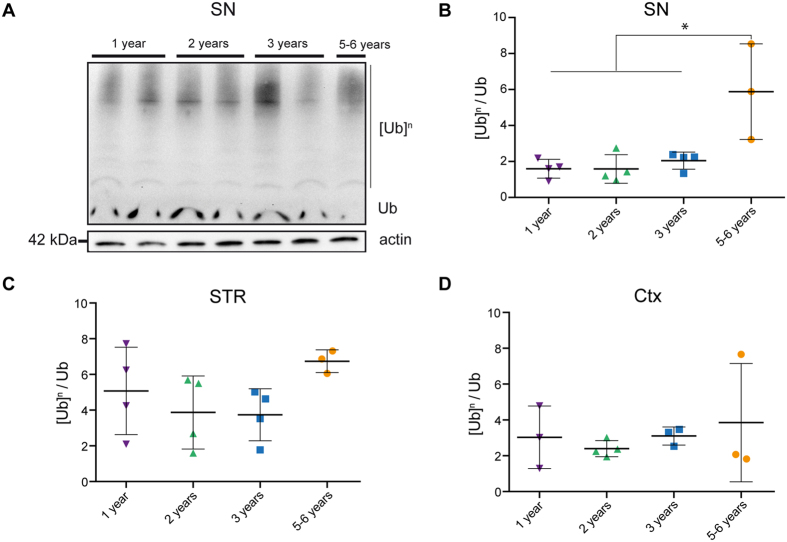
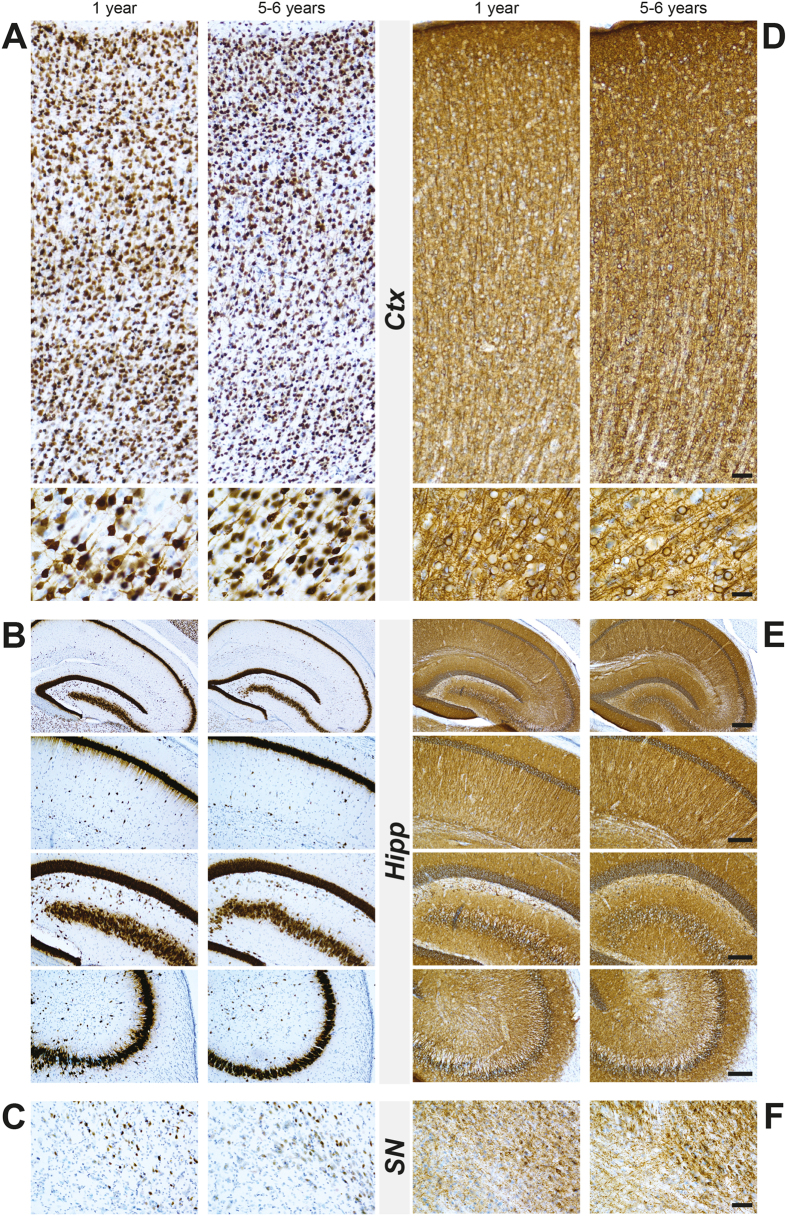
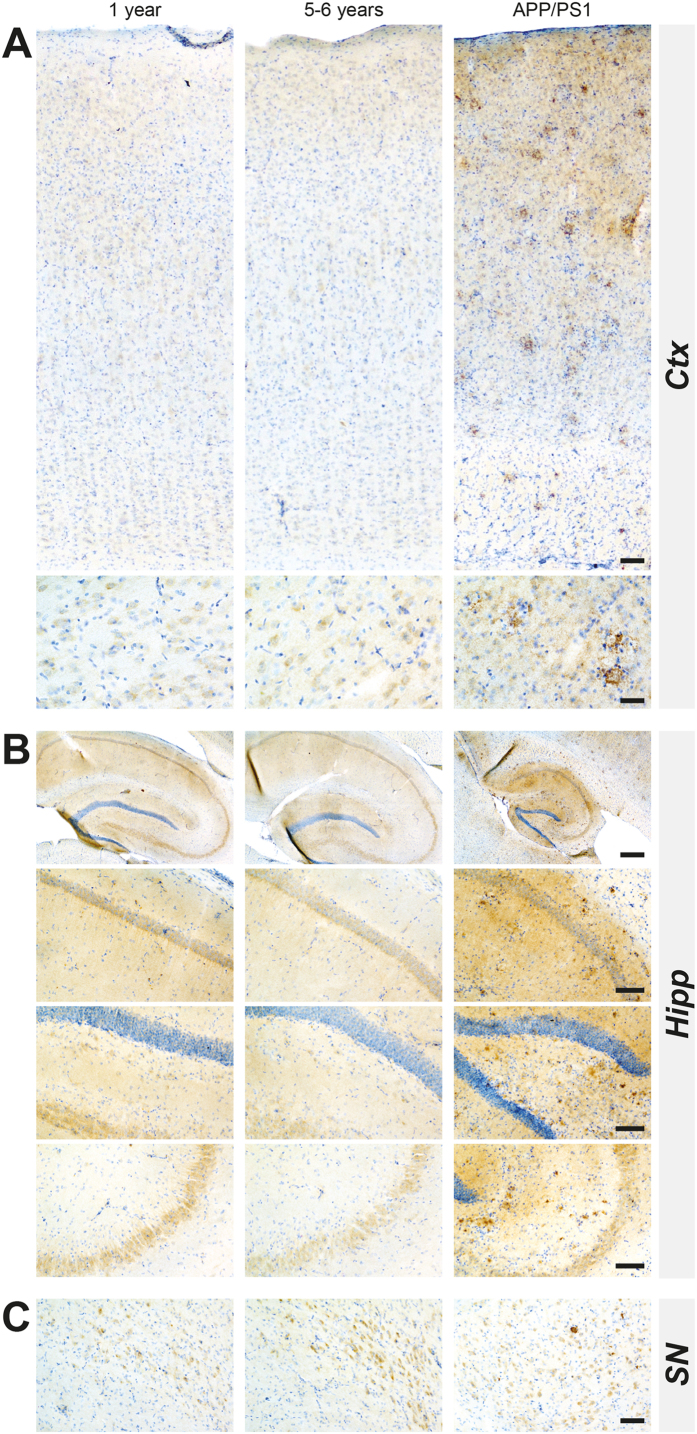
Neurodegenerative diseases are characterized by the degeneration of specific brain areas associated with accumulation of disease-related protein in extra- or intra-cellular deposits. Their preclinical investigations are mostly based on genetically-engineered animals. Despite their interest, these models are often based on high level of disease-related protein expression, thus questioning their relevance to human pathology and calling for the alternate use of ecological models. In the past few years, Octodon degus has emerged as a promising animal model displaying age-dependent Alzheimer's disease-related pathology. As neurodegenerative-related proteins often co-deposit in the brain of patients, we assessed the occurrence of α-synuclein-related pathology in this model using state-of-the-art immunohistochemistry and biochemistry. Despite our efforts and in contrast with previously published results, our study argues against the use of Octodon degus as a suitable natural model of neurodegenerative disorder as we failed to identify either Parkinson's disease- or Alzheimer's disease-related brain pathologies.
神经退行性疾病的特征是特定脑区的退化,与细胞外或细胞内沉积物中与疾病相关的蛋白质积累有关。它们的临床前研究主要基于基因工程动物。尽管这些模型很有意义,但它们通常基于高水平的疾病相关蛋白表达,因此质疑它们与人类病理学的相关性,并呼吁替代使用生态模型。在过去的几年中,毛丝鼠已成为一种很有前途的动物模型,表现出与年龄相关的阿尔茨海默病相关的病理学。由于神经退行性相关蛋白通常在患者的大脑中共同沉积,我们使用最先进的免疫组织化学和生物化学方法评估了该模型中α-突触核蛋白相关病理学的发生。尽管我们付出了努力,但与之前发表的结果相反,我们的研究反对将毛丝鼠作为神经退行性疾病的合适天然模型,因为我们未能确定帕金森病或阿尔茨海默病相关的脑病理学。