Park Dae Won, Zmijewski Jaroslaw W
Division of Infectious Diseases, Korea University Ansan Hospital, Ansan, Korea.
Division of Pulmonary, Allergy & Critical Care Medicine, University of Alabama at Birmingham, Birmingham, AL, USA.
Infect Chemother. 2017 Mar;49(1):10-21. doi: 10.3947/ic.2017.49.1.10.
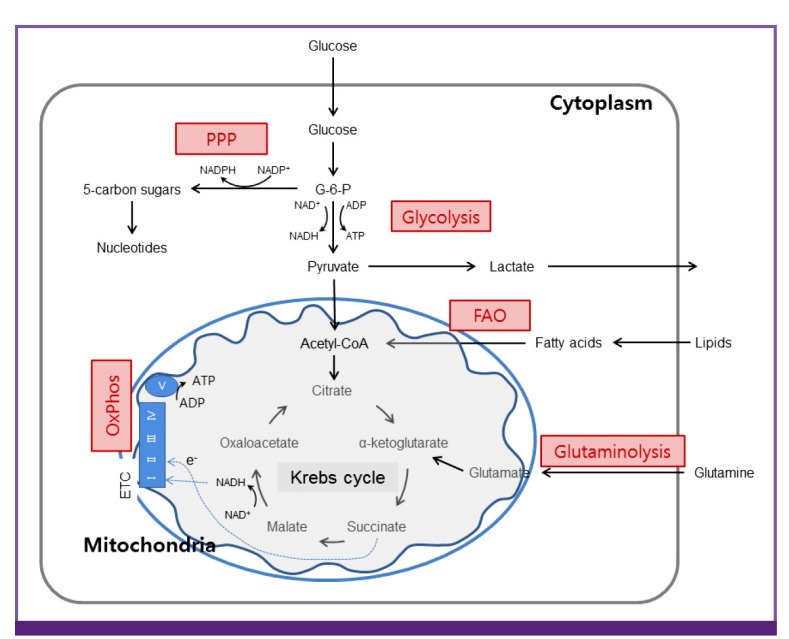
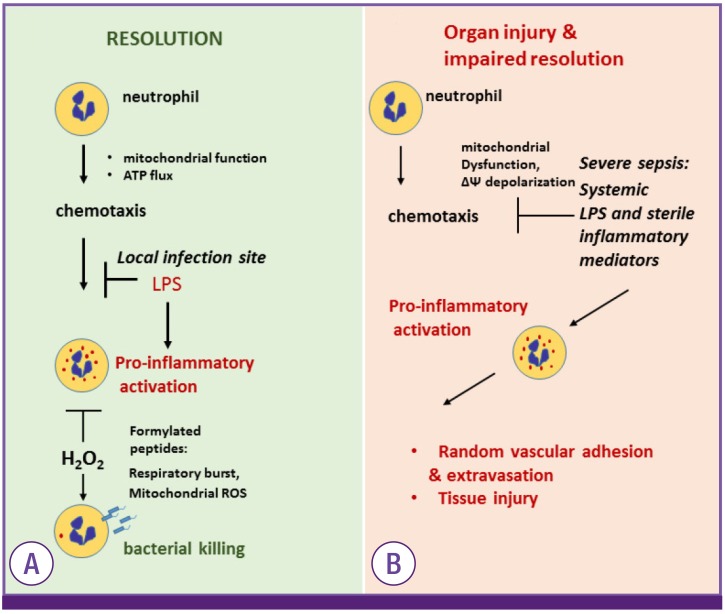
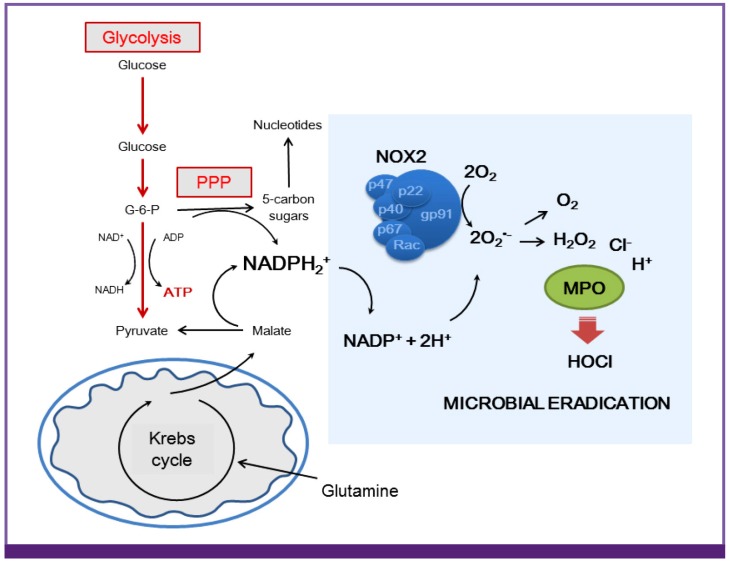
Sepsis is a life threatening condition mediated by systemic infection, but also triggered by hemorrhage and trauma. These are significant causes of organ injury implicated in morbidity and mortality, as well as post-sepsis complications associated with dysfunction of innate and adaptive immunity. The role of cellular bioenergetics and loss of metabolic plasticity of immune cells is increasingly emerging in the pathogenesis of sepsis. This review describes mitochondrial biology and metabolic alterations of immune cells due to sepsis, as well as indicates plausible therapeutic opportunities.
脓毒症是一种由全身感染介导,但也可由出血和创伤引发的危及生命的病症。这些是导致器官损伤的重要原因,与发病率和死亡率相关,以及与先天性和适应性免疫功能障碍相关的脓毒症后并发症。细胞生物能量学和免疫细胞代谢可塑性丧失在脓毒症发病机制中的作用日益凸显。本综述描述了脓毒症导致的免疫细胞线粒体生物学和代谢改变,并指出了可能的治疗机会。