Rohena-Rivera Krizia, Sánchez-Vázquez María M, Aponte-Colón Diana A, Forestier-Román Ingrid S, Quintero-Aguiló Mario E, Martínez-Ferrer Magaly
Department of Biochemistry, University of Puerto Rico, School of Medicine, San Juan, Puerto Rico.
University of Puerto Rico Comprehensive Cancer Center San Juan, Puerto Rico.
PLoS One. 2017 Apr 5;12(4):e0172786. doi: 10.1371/journal.pone.0172786. eCollection 2017.
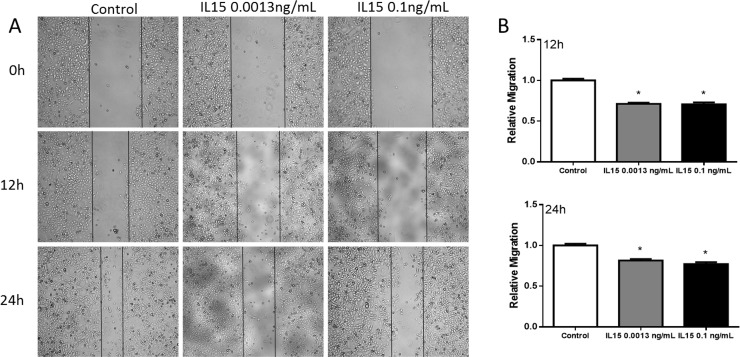
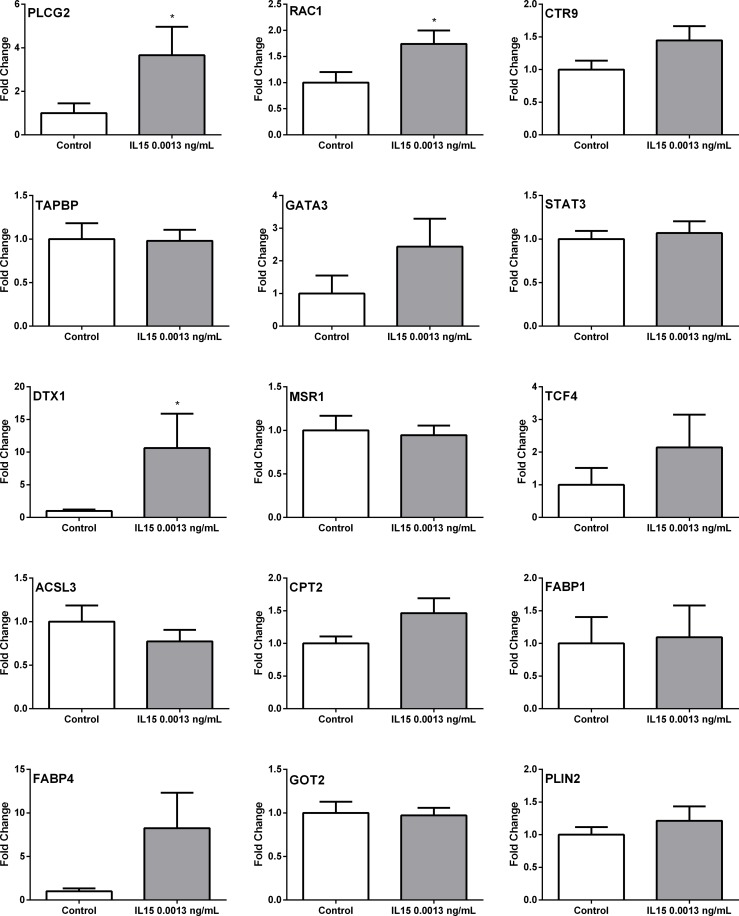
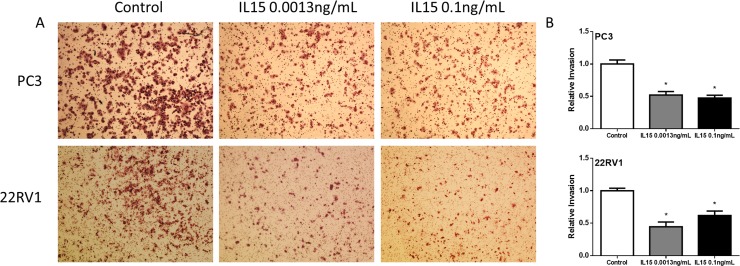
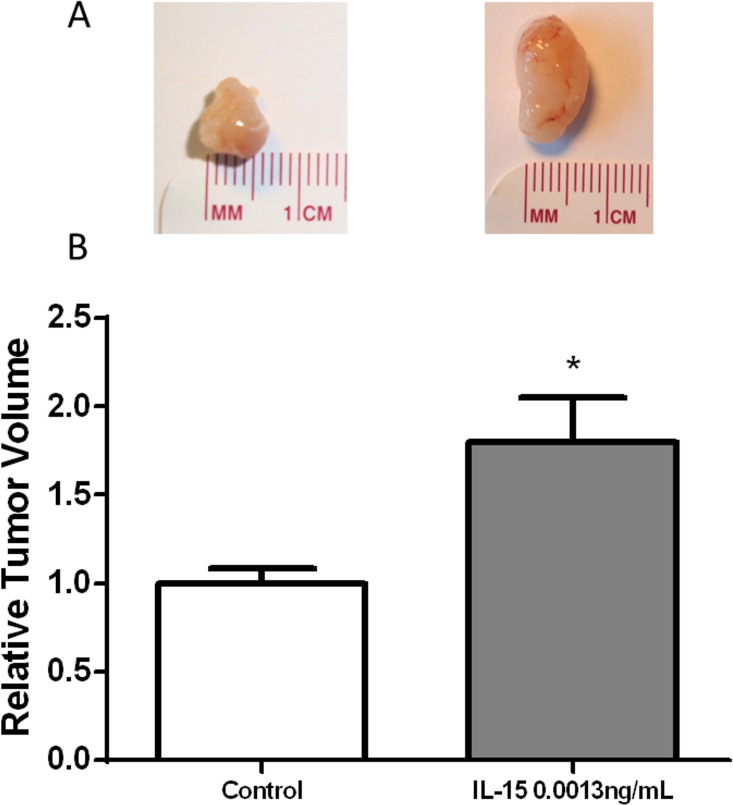
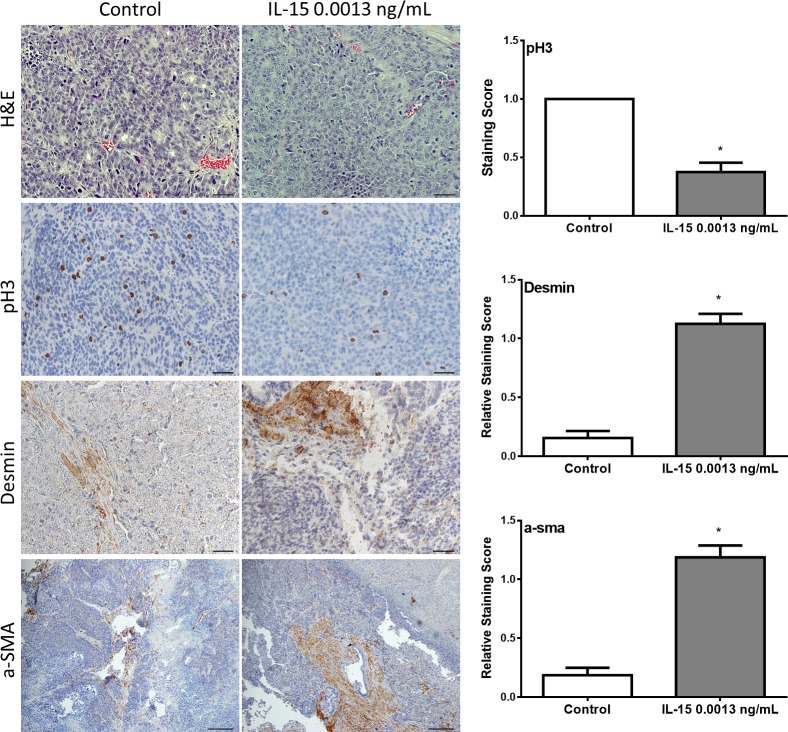
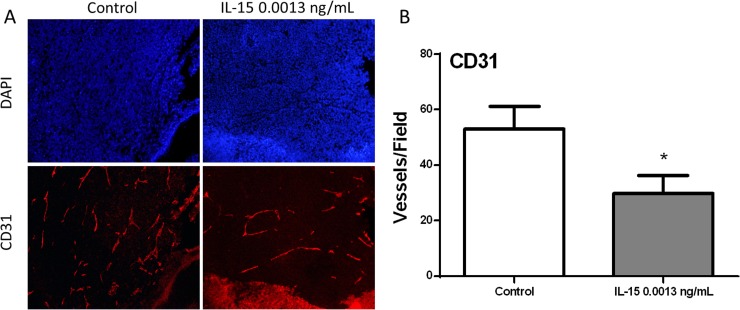
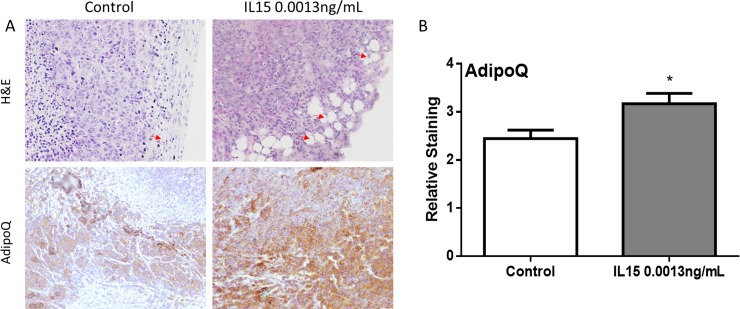
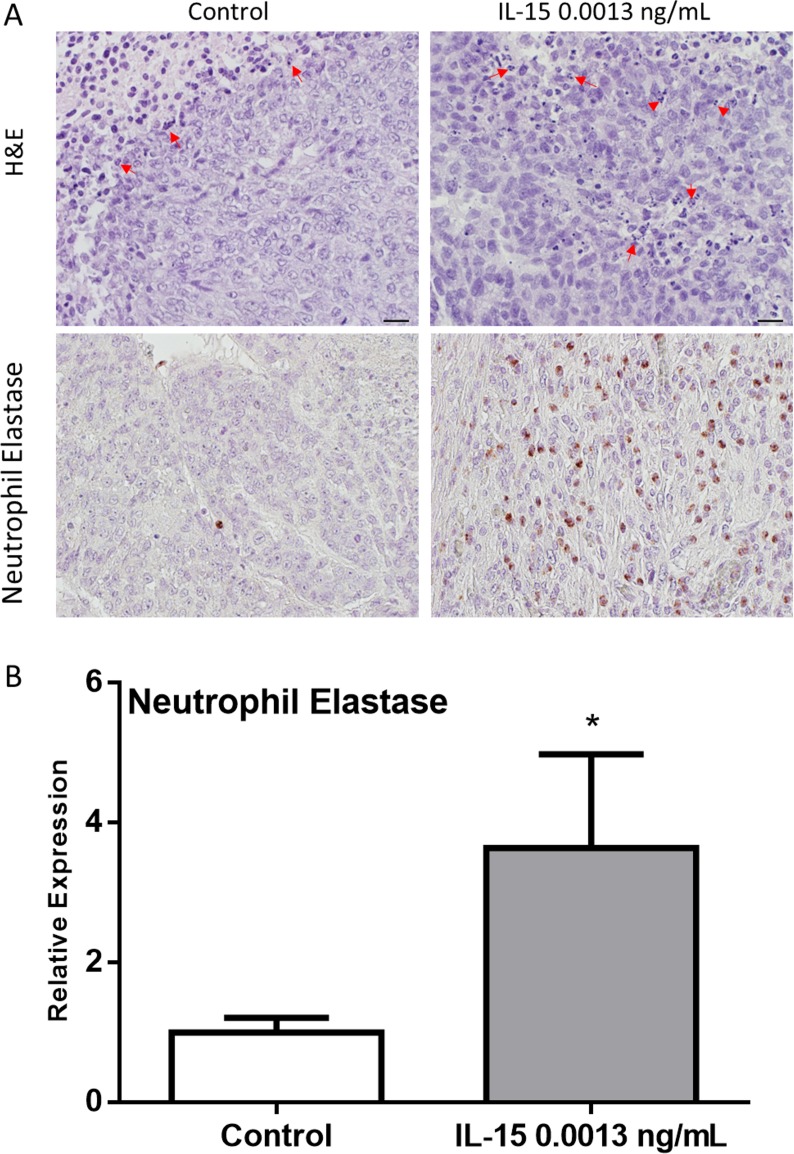
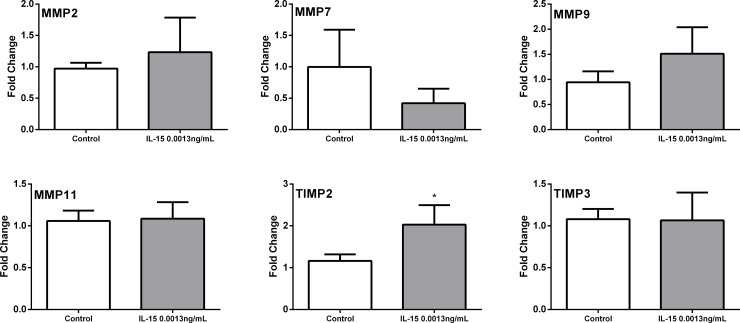
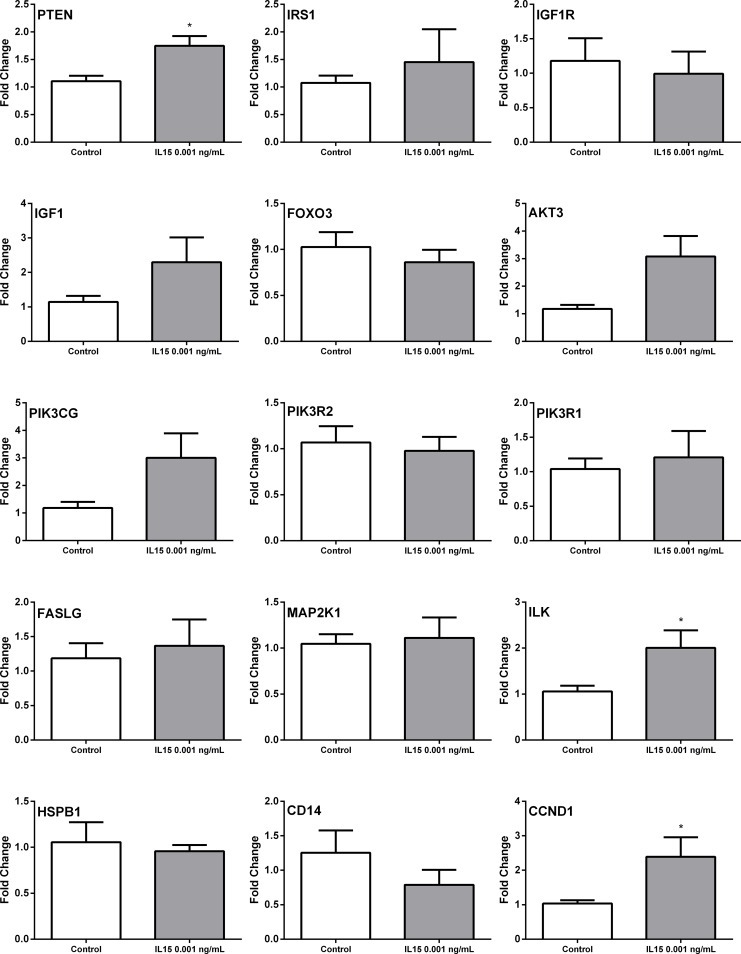
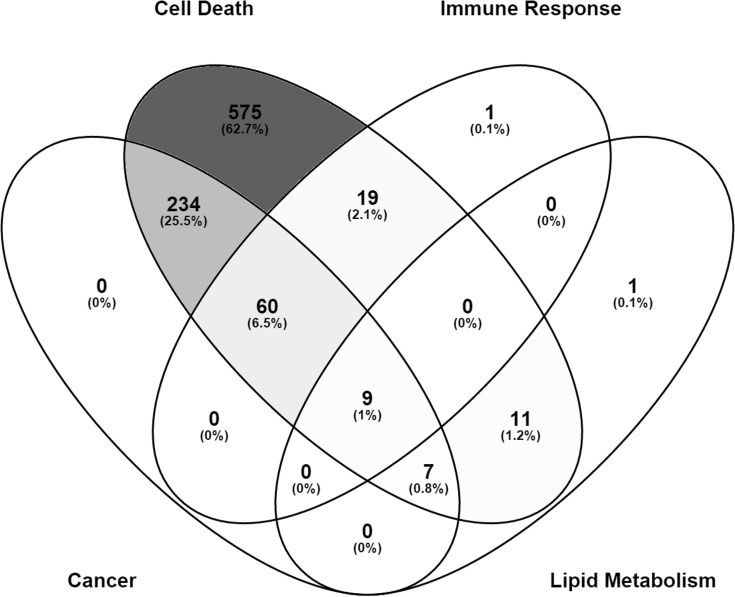
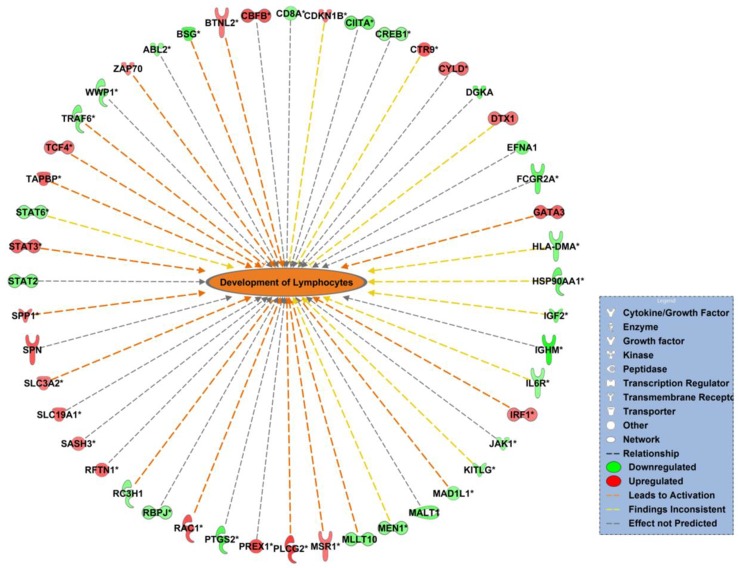
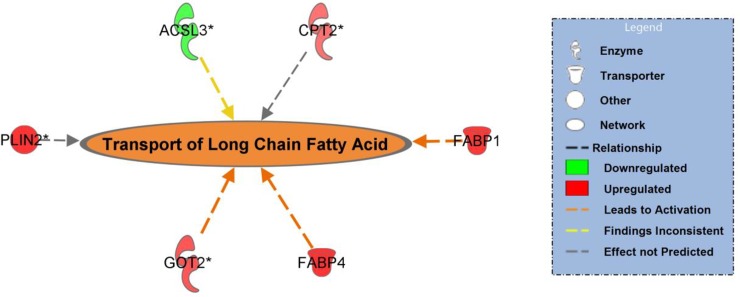
Prostate cancer (PCa) is the most commonly diagnosed non-cutaneous cancer. In the United States it is second leading cause of cancer related deaths in men. PCa is often treated via radical prostatectomy (RP). However, 15-30% of the patients develop biochemical recurrence (i.e. increased serum prostate specific antigen (PSA) levels). Interleukin-15 (IL-15) is a secreted cytokine found over expressed in patients with recurrence-free survival after RP. In our study, we aim to determine the role of IL-15 in PCa using in vitro and in vivo models, and gene expression analysis. PC3 (androgen-independent) and 22RV1 (androgen-dependent) cell lines were treated with IL-15 at 0.0013 ng/mL and 0.1 ng/mL. Tumor growth was evaluated using an orthotopic xenograft model. The anterior prostate lobes of SCID mice were injected with 250,000 22RV1 cells and IL-15 was administered bi-weekly with intraperitoneal (IP) injections during 4 weeks. Tumor tissue was collected for immunohistochemical and gene expression analysis. To study changes in gene expression, we looked at "Tumor Metastasis" and "PI3K pathway" using commercially available PCR arrays. In addition, we employed a microarray approach using the Affymetrix Hugene 2.0 ST array chip followed by analysis with Ingenuity Pathways Analysis (IPA) software. In vitro studies showed that IL-15 decreased PCa cell motility at both concentrations. In vivo studies showed that IL-15 increased neutrophil infiltration, and the expression of adiponectin, desmin and alpha smooth muscle actin (α-sma) in the tumor tissue. Angiogenesis analysis, using CD31 immunohistochemistry, showed that IL-15 decreased the number of blood vessels. Gene expression analysis identified Cancer, Cell Death, Immune Response and Lipid Metabolism as the major diseases and functions altered in tumors treated with IL-15. This suggests that IL-15 causes inflammation and changes in stroma that can promote decreased tumor cell proliferation.
前列腺癌(PCa)是最常被诊断出的非皮肤癌。在美国,它是男性癌症相关死亡的第二大主要原因。PCa通常通过根治性前列腺切除术(RP)进行治疗。然而,15%至30%的患者会出现生化复发(即血清前列腺特异性抗原(PSA)水平升高)。白细胞介素-15(IL-15)是一种分泌性细胞因子,在接受RP后无复发生存的患者中发现其过度表达。在我们的研究中,我们旨在使用体外和体内模型以及基因表达分析来确定IL-15在PCa中的作用。PC3(雄激素非依赖性)和22RV1(雄激素依赖性)细胞系分别用0.0013 ng/mL和0.1 ng/mL的IL-15处理。使用原位异种移植模型评估肿瘤生长。将250,000个22RV1细胞注射到SCID小鼠的前列腺前叶,并在4周内每两周进行一次腹腔(IP)注射给予IL-15。收集肿瘤组织进行免疫组织化学和基因表达分析。为了研究基因表达的变化,我们使用市售的PCR阵列观察“肿瘤转移”和“PI3K途径”。此外,我们采用了微阵列方法,使用Affymetrix Hugene 2.0 ST阵列芯片,随后用Ingenuity Pathways Analysis(IPA)软件进行分析。体外研究表明,两种浓度的IL-15均降低了PCa细胞的运动能力。体内研究表明,IL-15增加了中性粒细胞浸润以及肿瘤组织中脂联素、结蛋白和α平滑肌肌动蛋白(α-sma)的表达。使用CD31免疫组织化学进行的血管生成分析表明,IL-15减少了血管数量。基因表达分析确定癌症、细胞死亡、免疫反应和脂质代谢是在用IL-15处理的肿瘤中改变的主要疾病和功能。这表明IL-15会引起炎症和基质变化,从而促进肿瘤细胞增殖减少。