Omachi Tomohiro, Ichikawa Takafumi, Kimura Yasuhisa, Ueda Kazumitsu, Kioka Noriyuki
Division of Applied Life Sciences, Graduate School of Agriculture, Kyoto University, Sakyo, Kyoto, Japan.
Institute for Integrated Cell-Material Sciences (iCeMS), Kyoto University, Sakyo, Kyoto, Japan.
PLoS One. 2017 Apr 7;12(4):e0175324. doi: 10.1371/journal.pone.0175324. eCollection 2017.
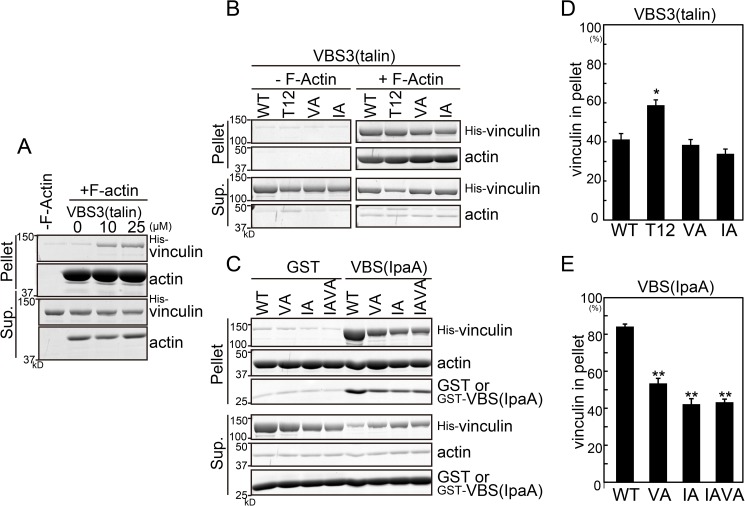
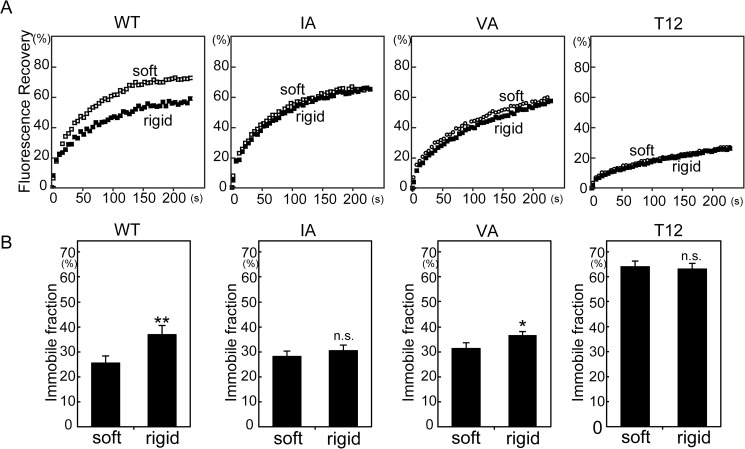
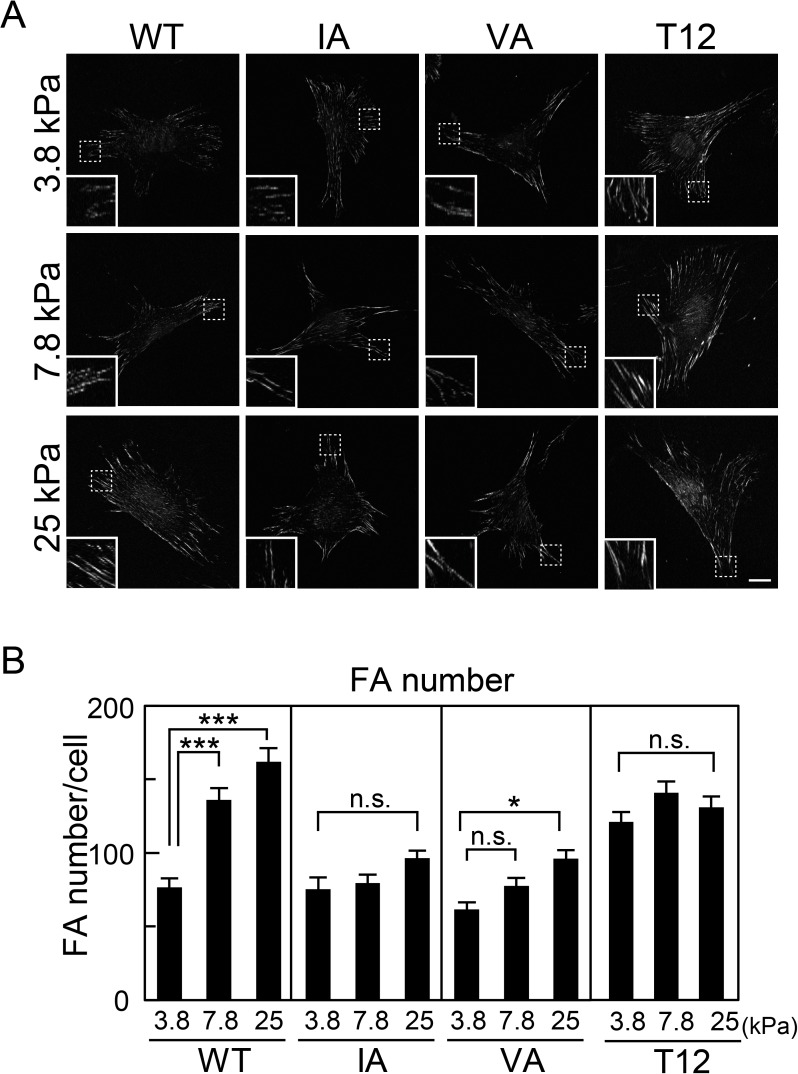
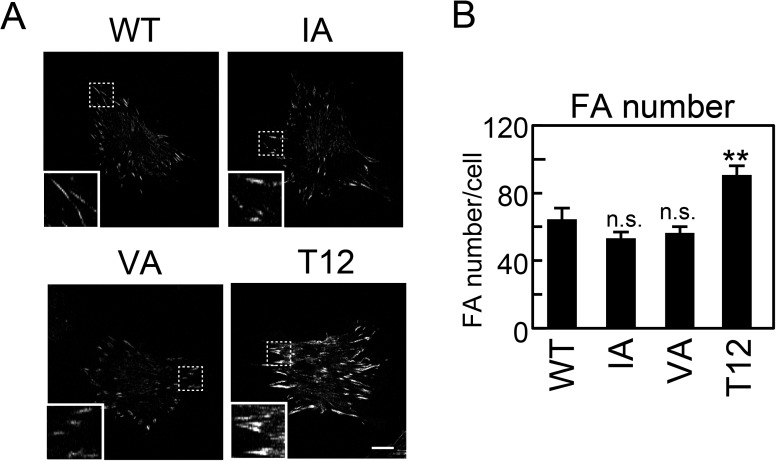
The extracellular matrix (ECM) is a major regulator of cell behavior. Recent studies have indicated the importance of the physical properties of the ECM, including its stiffness, for cell migration and differentiation. Using actomyosin-generated forces, cells pull the ECM and sense stiffness via cell-ECM adhesion structures called focal adhesions (FAs). Vinculin, an actin-binding FA protein, has emerged as a major player in FA-mediated mechanotransduction. Although vinculin is important for sensing ECM stiffness, the role of vinculin binding to actin in the ECM stiffness-mediated regulation of vinculin behavior remains unknown. Here, we show that an actin binding-deficient mutation disrupts the ECM stiffness-dependent regulation of CSB (cytoskeleton stabilization buffer) resistance and the stable localization of vinculin. These results suggest that the vinculin-actin interaction participates in FA-mediated mechanotransduction.
细胞外基质(ECM)是细胞行为的主要调节因子。最近的研究表明,ECM的物理特性,包括其硬度,对细胞迁移和分化具有重要意义。细胞利用肌动球蛋白产生的力牵拉ECM,并通过称为粘着斑(FAs)的细胞-ECM粘附结构感知硬度。纽蛋白是一种与肌动蛋白结合的粘着斑蛋白,已成为粘着斑介导的机械转导中的主要参与者。尽管纽蛋白对于感知ECM硬度很重要,但纽蛋白与肌动蛋白结合在ECM硬度介导的纽蛋白行为调节中的作用仍不清楚。在这里,我们表明,肌动蛋白结合缺陷型突变破坏了CSB(细胞骨架稳定缓冲液)抗性的ECM硬度依赖性调节以及纽蛋白的稳定定位。这些结果表明,纽蛋白-肌动蛋白相互作用参与了粘着斑介导的机械转导。