Maesato Kyoko, Ohtake Takayasu, Mochida Yasuhiro, Ishioka Kunihiro, Oka Machiko, Moriya Hidekazu, Hidaka Sumi, Kobayashi Shuzo
Department of Kidney Disease and Transplant Center, Shonan Kamakura General Hospital Kamakura, Kanagawa, Japan.
PLoS One. 2017 Apr 10;12(4):e0175102. doi: 10.1371/journal.pone.0175102. eCollection 2017.
Cognitive impairment is one of the important critical issues in hemodialysis (HD) patients. However, the associating factors of brain atrophy in HD patients have not been fully elucidated.
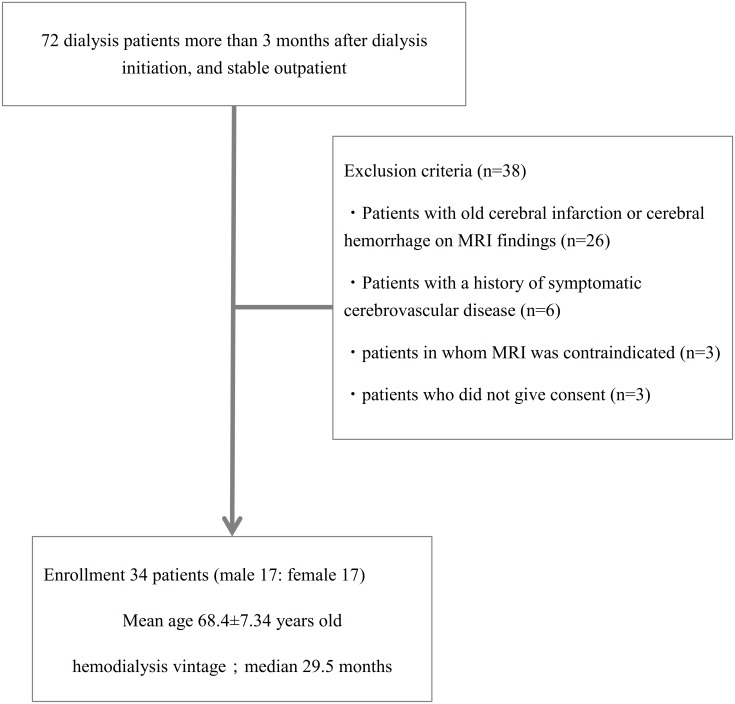
Brain magnetic resonance imaging (MRI) was performed in 34 of total 72 HD outpatients in our dialysis center. These MRI images were analyzed by an application software; Voxel-based Specific Regional Analysis System for Alzheimer's Disease (VSRAD). VSRAD quantitatively calculates the extent of brain atrophy (percent of volume reduction) comparing with a MRI imaging database of 80 age-matched healthy controls. The extent of both hippocampal and whole-brain atrophy was evaluated with possible contributing factors.
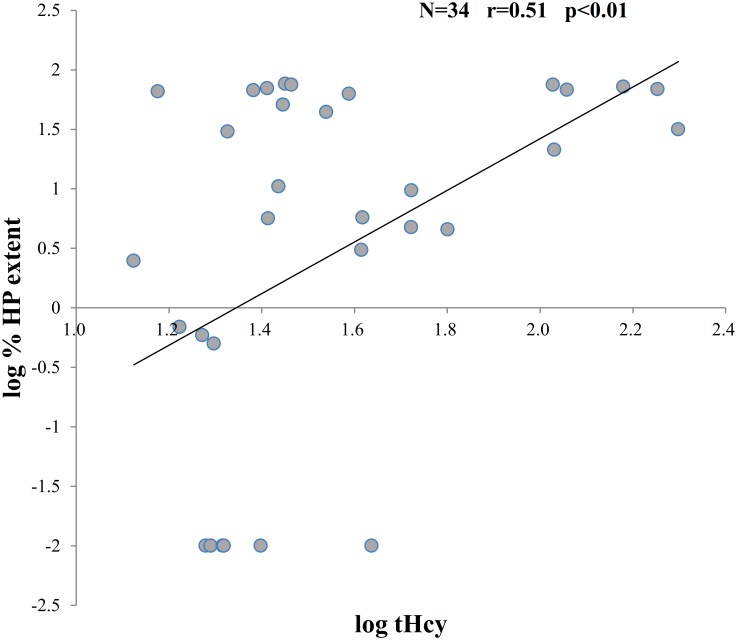
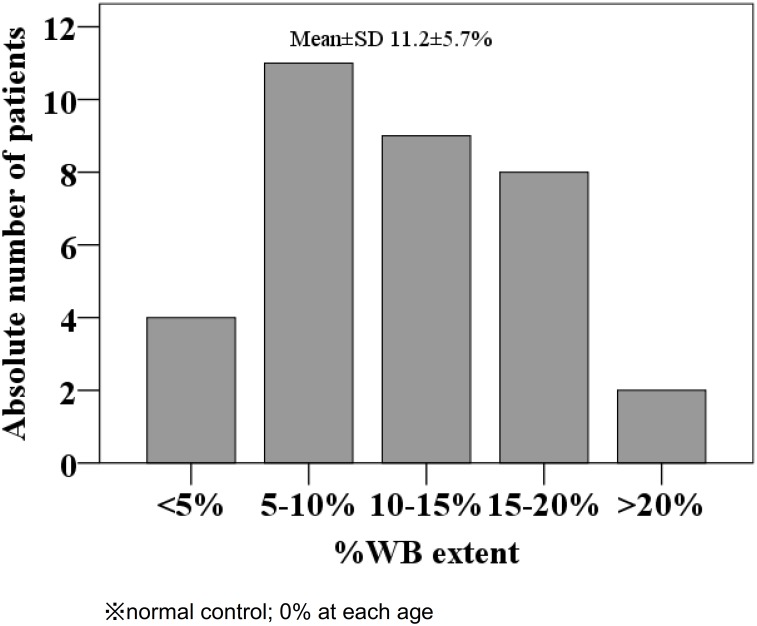
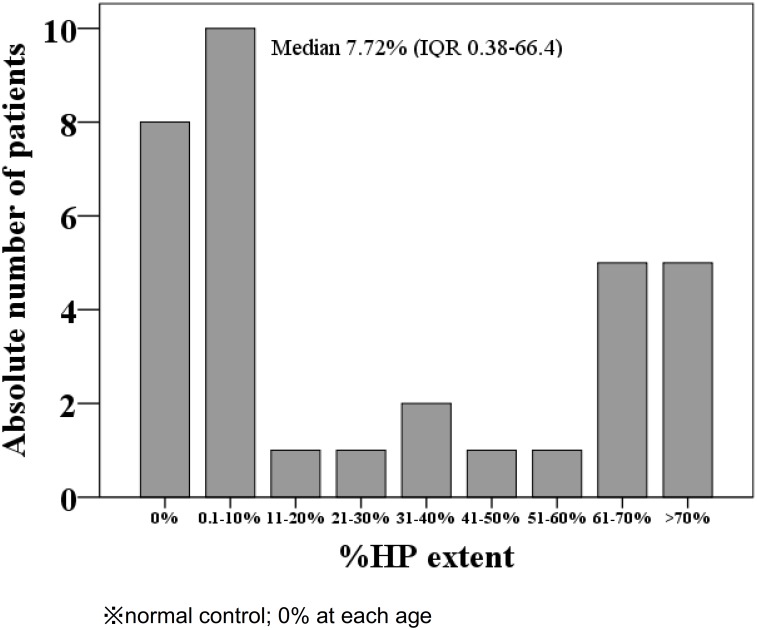
In all patients, the mean extent of hippocampal atrophy was 27.3%, and the mean extent of whole-brain atrophy was 11.2%. The extent of hippocampal atrophy was significantly correlated with low body mass index (BMI), total serum homocysteine (tHcy) levels, and brachial-ankle pulse wave velocity (baPWV). The extent of whole-brain atrophy showed significant correlations with age, hypoalbuminemia, and baPWV. Based on the multiple regression analysis, tHcy was an independent determinant of hippocampal atrophy (β = 0.460, R2 = 0.189, P<0.01); while age was an independent determinant of whole-brain atrophy (β = 0.594, R2 = 0.333, P<0.01).
In this exploratory pilot study, hippocampal atrophy was significantly correlated with hyperhomocysteinemia in HD patients.
认知障碍是血液透析(HD)患者重要的关键问题之一。然而,HD患者脑萎缩的相关因素尚未完全阐明。
对我们透析中心72名HD门诊患者中的34名进行了脑磁共振成像(MRI)检查。这些MRI图像由一款应用软件进行分析;用于阿尔茨海默病的基于体素的特定区域分析系统(VSRAD)。VSRAD与80名年龄匹配的健康对照的MRI成像数据库相比,定量计算脑萎缩程度(体积减少百分比)。评估了海马体和全脑萎缩程度以及可能的影响因素。
在所有患者中,海马体萎缩的平均程度为27.3%,全脑萎缩的平均程度为11.2%。海马体萎缩程度与低体重指数(BMI)、血清总同型半胱氨酸(tHcy)水平和臂踝脉搏波速度(baPWV)显著相关。全脑萎缩程度与年龄、低白蛋白血症和baPWV显著相关。基于多元回归分析,tHcy是海马体萎缩的独立决定因素(β = 0.460,R2 = 0.189,P<0.01);而年龄是全脑萎缩的独立决定因素(β = 0.594,R2 = 0.333,P<0.01)。
在这项探索性的初步研究中,HD患者的海马体萎缩与高同型半胱氨酸血症显著相关。