Allalou Amin, Wu Yuelong, Ghannad-Rezaie Mostafa, Eimon Peter M, Yanik Mehmet Fatih
Massachusetts Institute of Technology, Cambridge, United States.
Uppsala University, Uppsala, Sweden.
Elife. 2017 Apr 13;6:e23379. doi: 10.7554/eLife.23379.
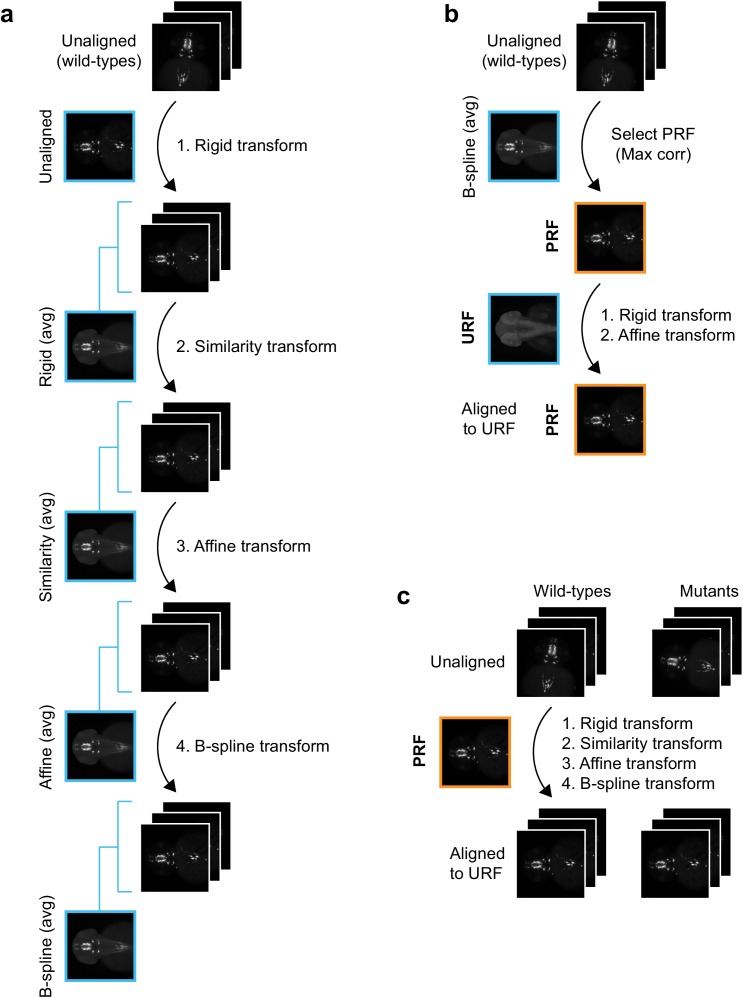
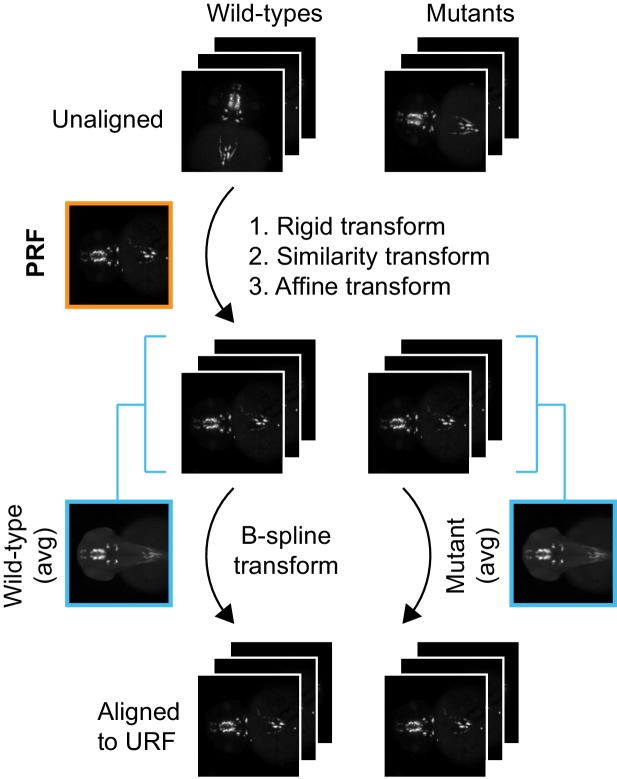
Here, we describe an automated platform suitable for large-scale deep-phenotyping of zebrafish mutant lines, which uses optical projection tomography to rapidly image brain-specific gene expression patterns in 3D at cellular resolution. Registration algorithms and correlation analysis are then used to compare 3D expression patterns, to automatically detect all statistically significant alterations in mutants, and to map them onto a brain atlas. Automated deep-phenotyping of a mutation in the master transcriptional regulator not only detects all known phenotypes but also uncovers important novel neural deficits that were overlooked in previous studies. In the telencephalon, we show for the first time that mutant zebrafish have significant patterning deficits, particularly in glutamatergic populations. Our findings reveal unexpected parallels between function in zebrafish and mice, where mutations cause deficits in glutamatergic neurons of the telencephalon-derived neocortex.
在此,我们描述了一个适用于斑马鱼突变体系大规模深度表型分析的自动化平台,该平台利用光学投影断层扫描技术,以细胞分辨率快速对大脑特定基因表达模式进行三维成像。然后使用配准算法和相关性分析来比较三维表达模式,自动检测突变体中所有具有统计学意义的变化,并将其映射到脑图谱上。对主要转录调节因子中的一个突变进行自动化深度表型分析,不仅能检测到所有已知表型,还能发现先前研究中被忽视的重要新神经缺陷。在端脑中,我们首次表明突变斑马鱼存在显著的模式缺陷,尤其是在谷氨酸能群体中。我们的研究结果揭示了斑马鱼和小鼠中功能之间意想不到的相似之处,在小鼠中,突变会导致源自端脑的新皮质谷氨酸能神经元出现缺陷。