Department of Chemistry, Tufts University, Medford, MA 02155.
Department of Computer Science, Tufts University, Medford, MA 02155.
CBE Life Sci Educ. 2017 Summer;16(2). doi: 10.1187/cbe.16-09-0281.
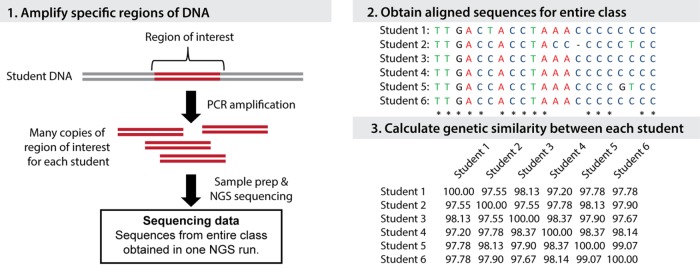
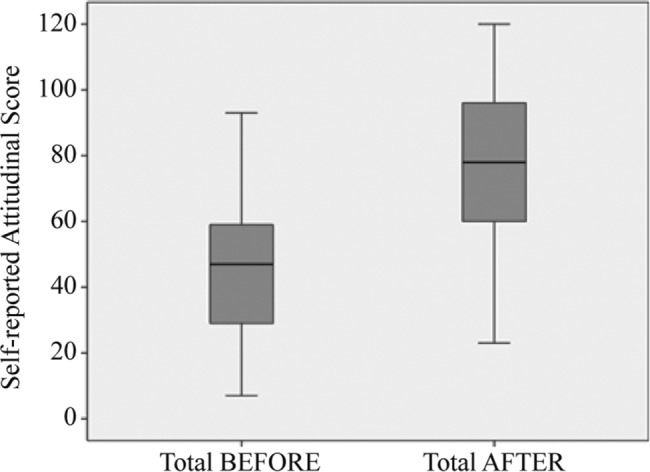
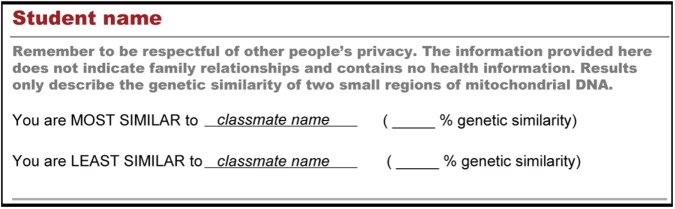
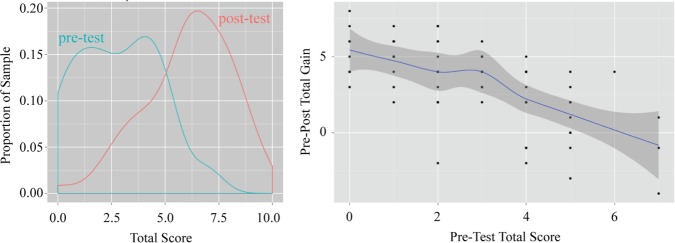
With the development of new sequencing and bioinformatics technologies, concepts relating to personal genomics play an increasingly important role in our society. To promote interest and understanding of sequencing and bioinformatics in the high school classroom, we developed and implemented a laboratory-based teaching module called "The Genetics of Race." This module uses the topic of race to engage students with sequencing and genetics. In the experimental portion of this module, students isolate their own mitochondrial DNA using standard biotechnology techniques and collect next-generation sequencing data to determine which of their classmates are most and least genetically similar to themselves. We evaluated the efficacy of this module by administering a pretest/posttest evaluation to measure student knowledge related to sequencing and bioinformatics, and we also conducted a survey at the conclusion of the module to assess student attitudes. Upon completion of our Genetics of Race module, students demonstrated significant learning gains, with lower-performing students obtaining the highest gains, and developed more positive attitudes toward scientific research.
随着新测序和生物信息学技术的发展,与个人基因组学相关的概念在我们的社会中发挥着越来越重要的作用。为了提高高中生对测序和生物信息学的兴趣和理解,我们开发并实施了一个基于实验室的教学模块,名为“种族的遗传学”。该模块利用种族这一话题,让学生接触测序和遗传学。在这个模块的实验部分,学生使用标准的生物技术技术分离自己的线粒体 DNA,并收集下一代测序数据,以确定他们的同学中哪些人在遗传上与自己最相似,哪些人最不相似。我们通过前测/后测评估来衡量学生与测序和生物信息学相关的知识,以此来评估这个模块的效果,并且我们还在模块结束时进行了一项调查,以评估学生的态度。在完成“种族的遗传学”模块后,学生的学习成绩显著提高,表现较差的学生取得了最高的提高,并且对科学研究的态度也更加积极。