So Winnie K Y, Wong Savio W H, Mak Joseph N, Chan Rosa H M
Department of Electronic Engineering, City University of Hong Kong, Hong Kong, Hong Kong.
Centre for Brain and Education and Department of Special Education and Counselling, The Education University of Hong Kong, Hong Kong, Hong Kong.
PLoS One. 2017 Apr 17;12(4):e0174949. doi: 10.1371/journal.pone.0174949. eCollection 2017.
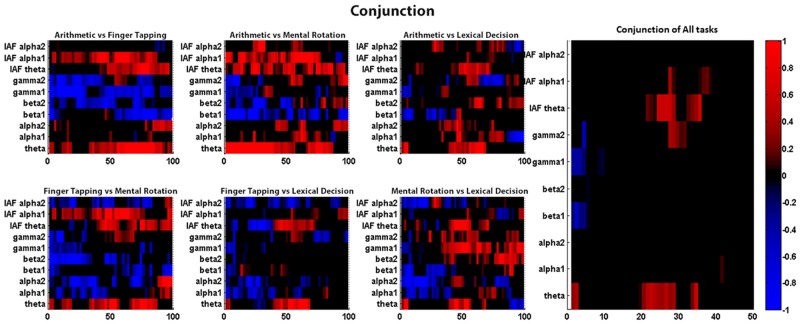
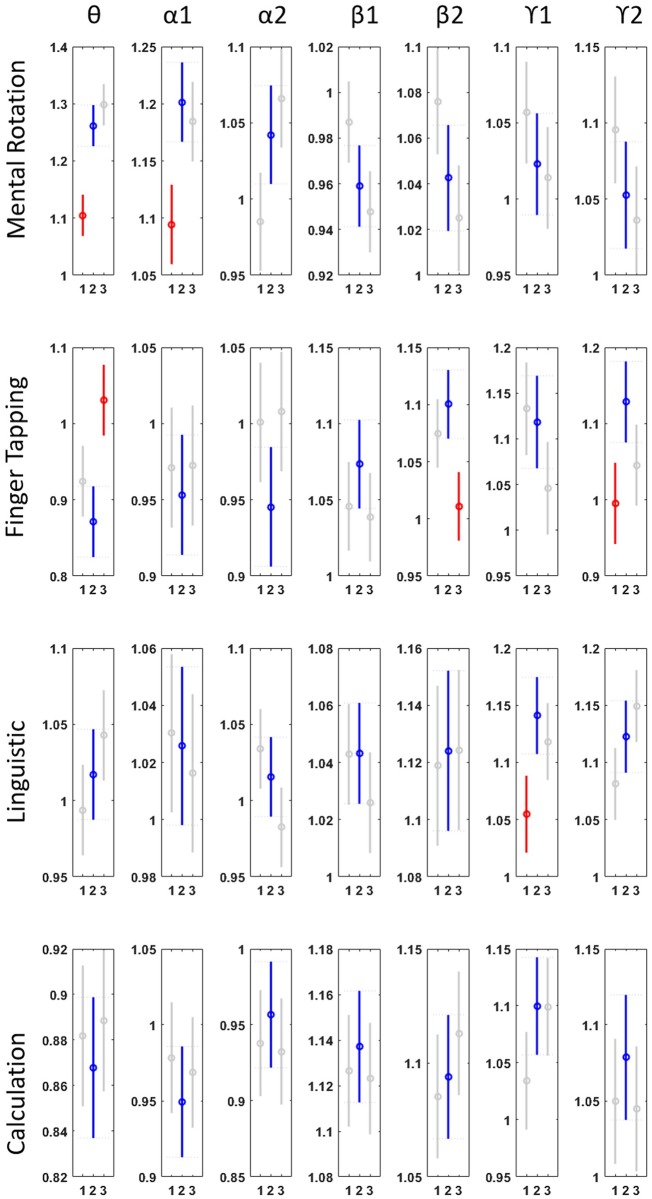
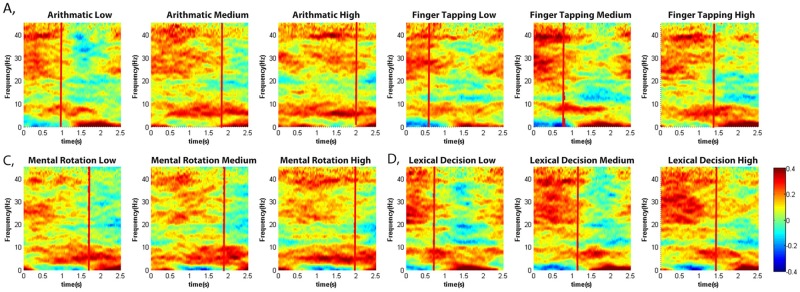
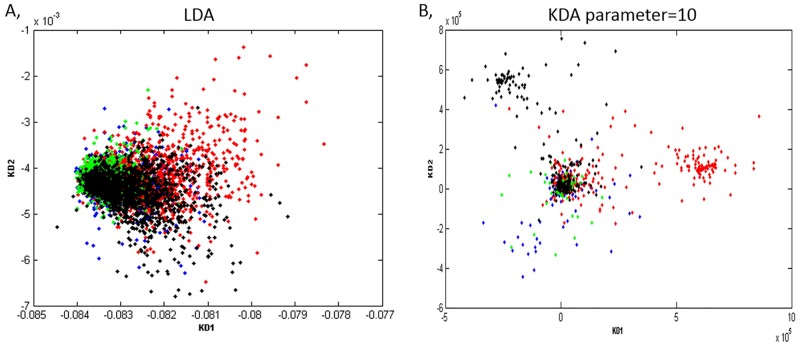
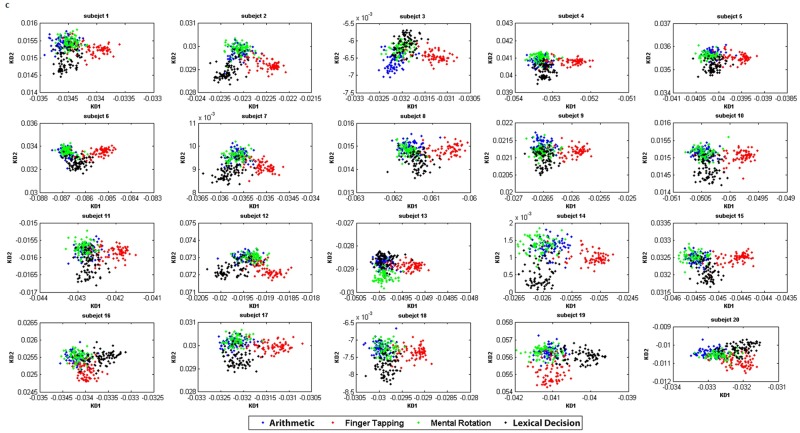
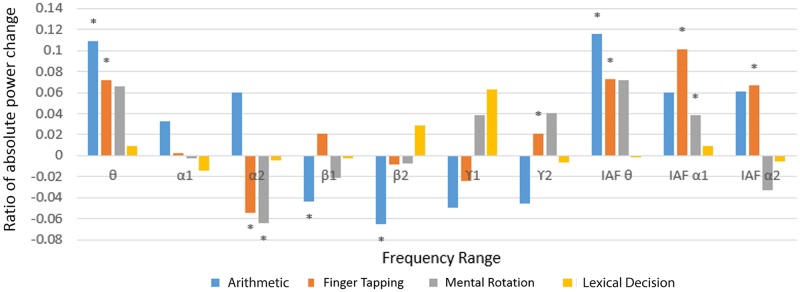
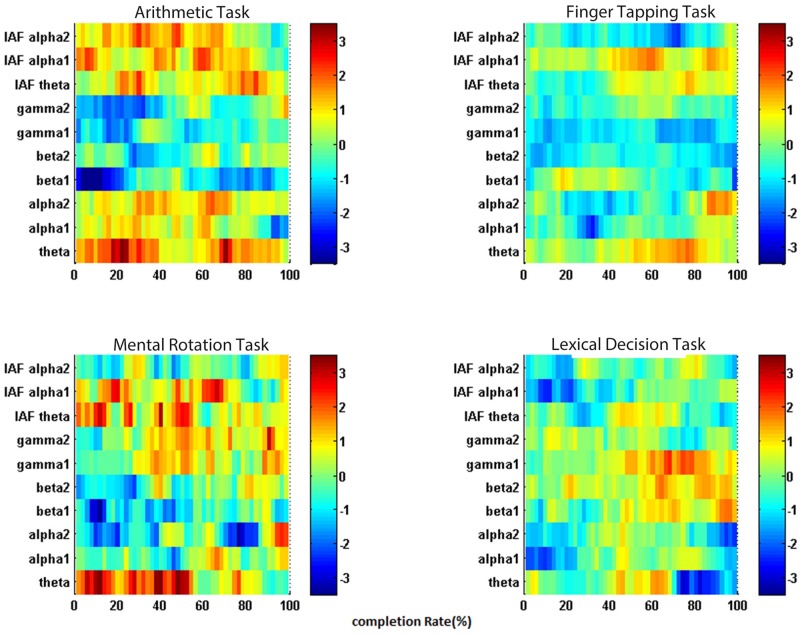
Using a wireless single channel EEG device, we investigated the feasibility of using short-term frontal EEG as a means to evaluate the dynamic changes of mental workload. Frontal EEG signals were recorded from twenty healthy subjects performing four cognitive and motor tasks, including arithmetic operation, finger tapping, mental rotation and lexical decision task. Our findings revealed that theta activity is the common EEG feature that increases with difficulty across four tasks. Meanwhile, with a short-time analysis window, the level of mental workload could be classified from EEG features with 65%-75% accuracy across subjects using a SVM model. These findings suggest that frontal EEG could be used for evaluating the dynamic changes of mental workload.
我们使用无线单通道脑电图设备,研究了将短期额叶脑电图作为评估心理负荷动态变化手段的可行性。记录了20名健康受试者在执行四项认知和运动任务(包括算术运算、手指敲击、心理旋转和词汇判断任务)时的额叶脑电图信号。我们的研究结果表明,θ活动是四项任务中随难度增加而出现的常见脑电图特征。同时,在短时间分析窗口下,使用支持向量机模型,可根据脑电图特征对受试者的心理负荷水平进行分类,准确率为65%-75%。这些发现表明,额叶脑电图可用于评估心理负荷的动态变化。