Li Shiyin, Wang Zelin, Yang Yun, Yang Sha, Yao Chenchen, Liu Kaiyun, Cui Sixin, Zou Quanming, Sun Hongwu, Guo Gang
National Engineering Research Center of Immunological Products, Department of Microbiology and Biochemical Pharmacy, College of Pharmacy, Third Military Medical University of PLA, 30 Gaotanyan Street, Shapingba District, Chongqing, 400038, People's Republic of China.
Department of Epidemic Prevention, Hospital of Troop 66325, Chinese PLA, Beijing, 102202, People's Republic of China.
AMB Express. 2017 Dec;7(1):82. doi: 10.1186/s13568-017-0383-4. Epub 2017 Apr 17.
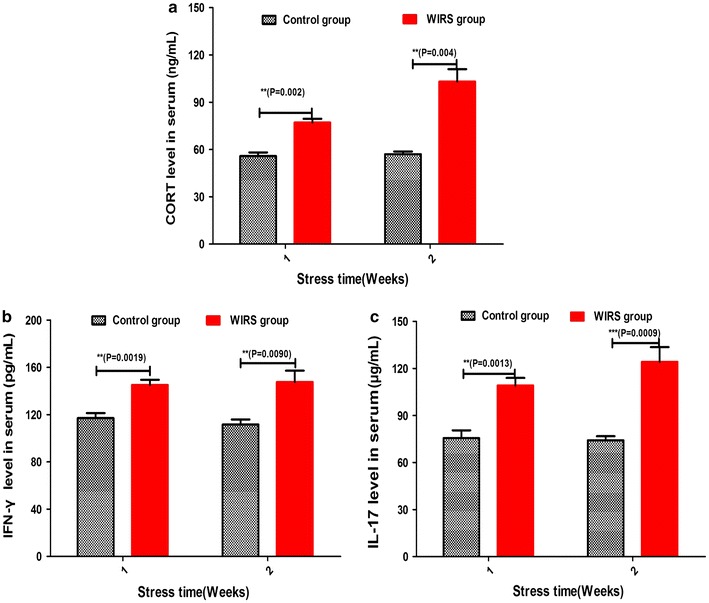
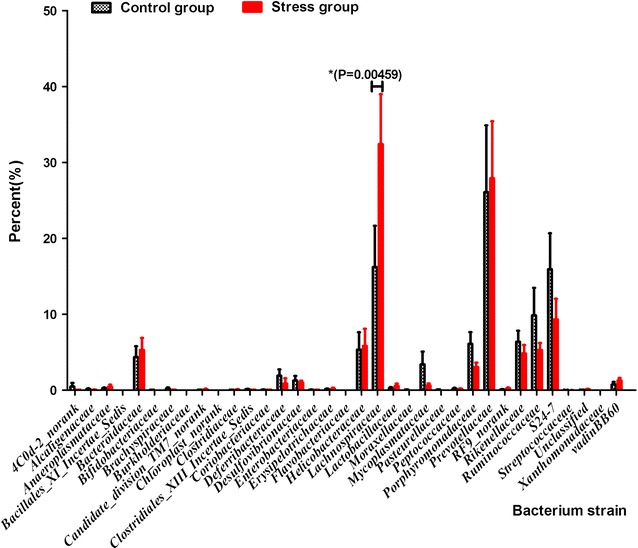
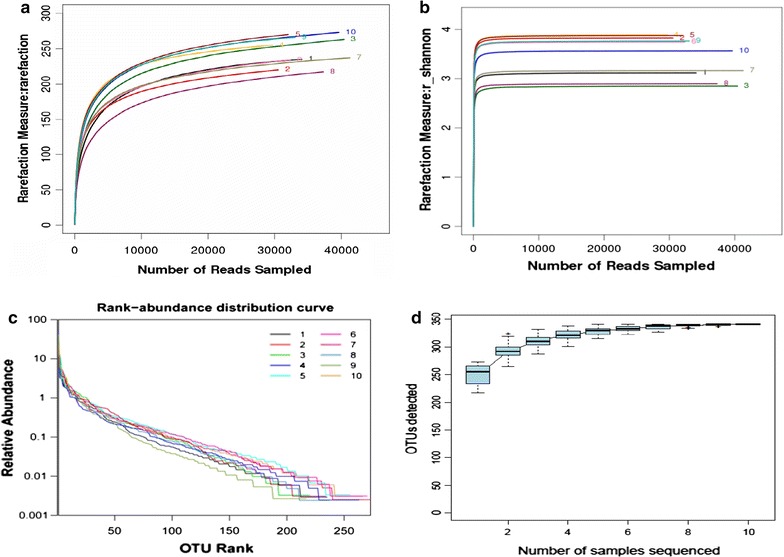
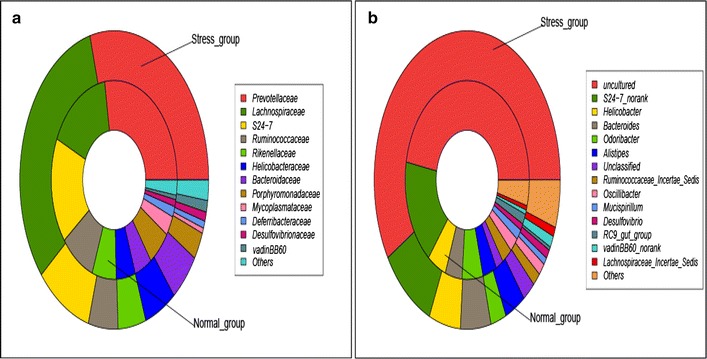
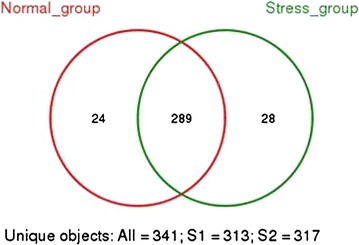
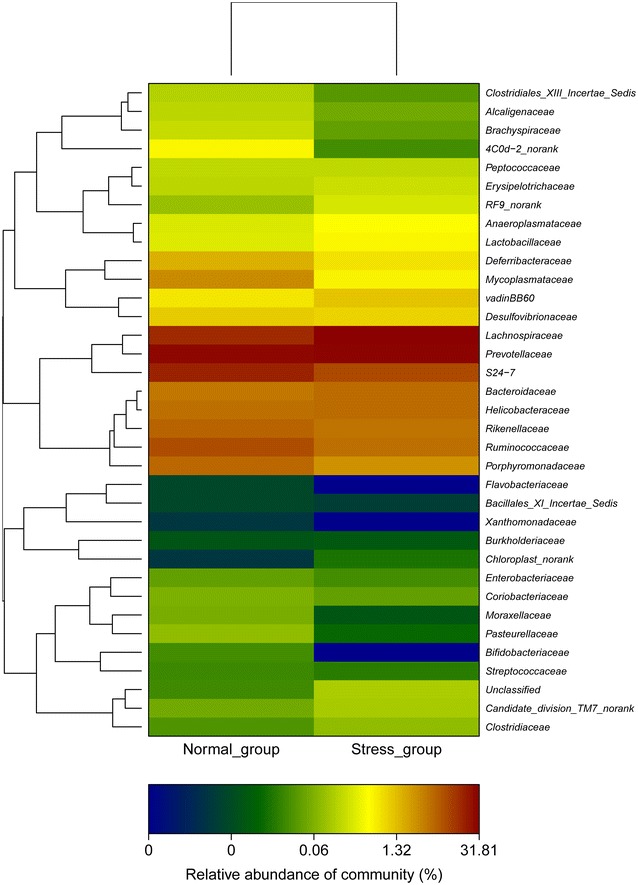
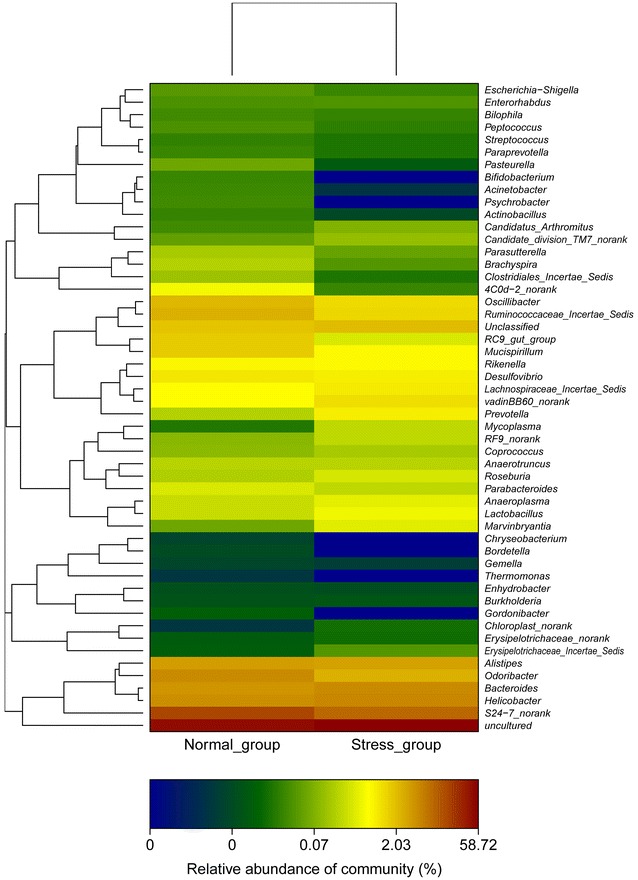
Stress, including both psychological and physical stimulation, can cause changes in the microbiota and mucosal function of the gastrointestinal system. There are few research studies available about the faecal microbiota changes after stress, such as water immersion restraint stress (WIRS). Therefore, in this study, we focused on analysing the composition changes of faecal microbiota in WIRS mice. The WIRS model, in which Blab/c mice were immersed in 21 ± 2 °C water for 4 h each day for 14 days, was established. Behavioural changes, the serum levels of corticosterone, IFN-γ and IL-17 and gastric mucosal injury were also assessed. Ten faecal microbiota samples were detected by Illumina Miseq sequencing of the 16S rRNA genes from 367205 characterised sequences. Finally, we find significant differences in the faecal microbiota composition between the control and the WIRS groups. There was an obvious increase in Lachnospiraceae in the WIRS mice (p = 0.0286, p < 0.05), which is associated with human diseases, such as ulcerative colitis, Crohn's and celiac disease. Our research indicates that stress changes in the faecal microbiota. These results suggest that observing shifts of the intestinal microbiota is a promising method to explore the mechanism of the stress associated with gastrointestinal diseases and to provide us with a better understanding of the relationship between the microbiota and disease.
压力,包括心理和身体刺激,可导致胃肠道系统的微生物群和黏膜功能发生变化。关于压力(如水浸束缚应激,WIRS)后粪便微生物群变化的研究很少。因此,在本研究中,我们重点分析了WIRS小鼠粪便微生物群的组成变化。建立了WIRS模型,将BALB/c小鼠每天置于21±2℃水中4小时,持续14天。还评估了行为变化、血清皮质酮、IFN-γ和IL-17水平以及胃黏膜损伤。通过对367205条特征序列的16S rRNA基因进行Illumina Miseq测序,检测了10个粪便微生物群样本。最后,我们发现对照组和WIRS组之间的粪便微生物群组成存在显著差异。WIRS小鼠中毛螺菌科明显增加(p = 0.0286,p < 0.05),这与人类疾病如溃疡性结肠炎、克罗恩病和乳糜泻有关。我们的研究表明,压力会改变粪便微生物群。这些结果表明,观察肠道微生物群的变化是探索与胃肠道疾病相关的压力机制并使我们更好地理解微生物群与疾病之间关系的一种有前景的方法。