Key Laboratory of Tropical Fruit Biology (Ministry of Agriculture), South Subtropical Crops Research Institute, Chinese Academy of Tropical Agricultural Sciences, Zhanjiang, China.
PLoS One. 2017 Apr 18;12(4):e0176053. doi: 10.1371/journal.pone.0176053. eCollection 2017.
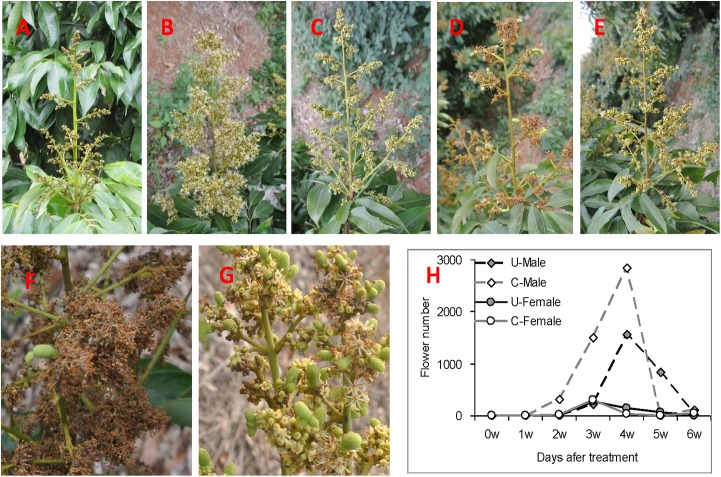
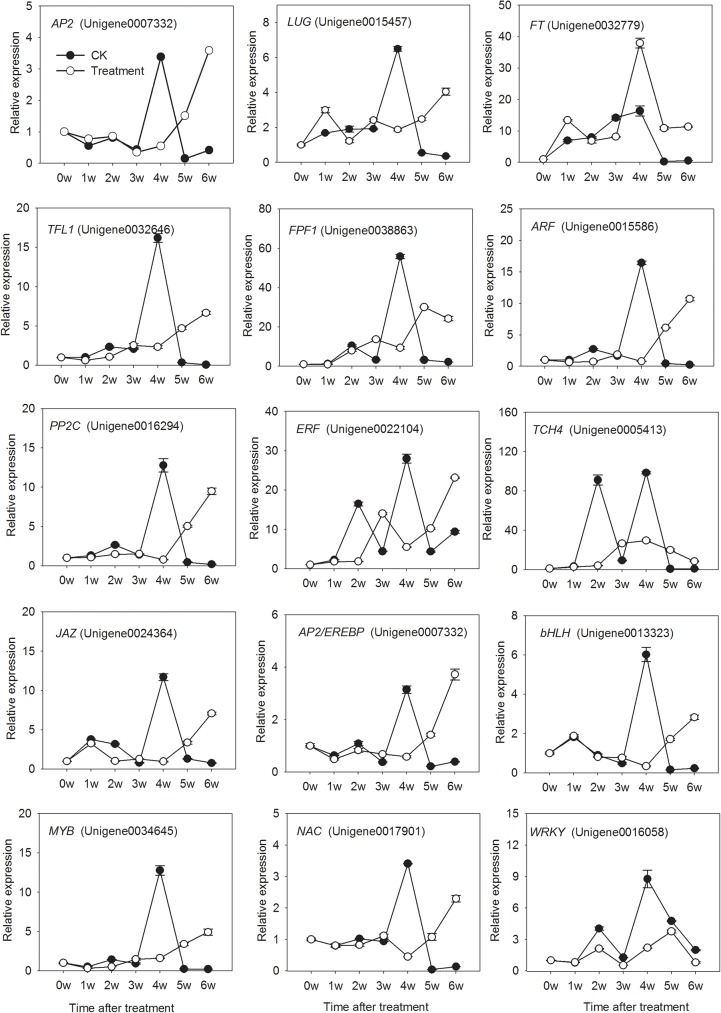
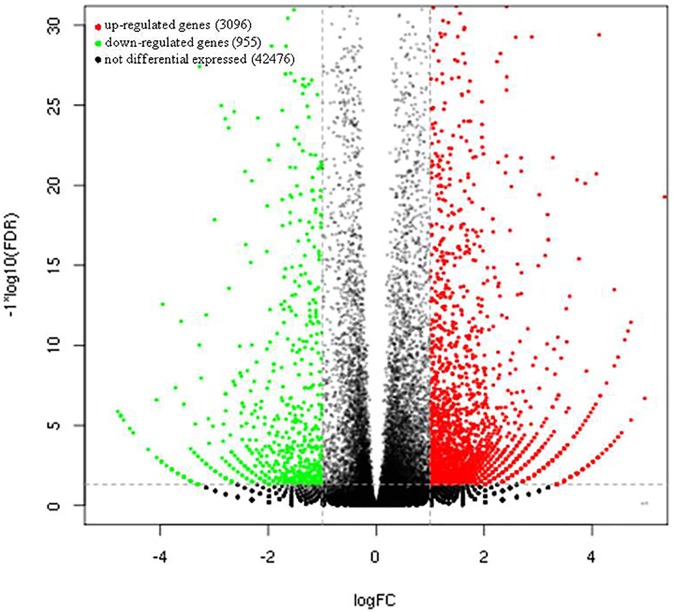
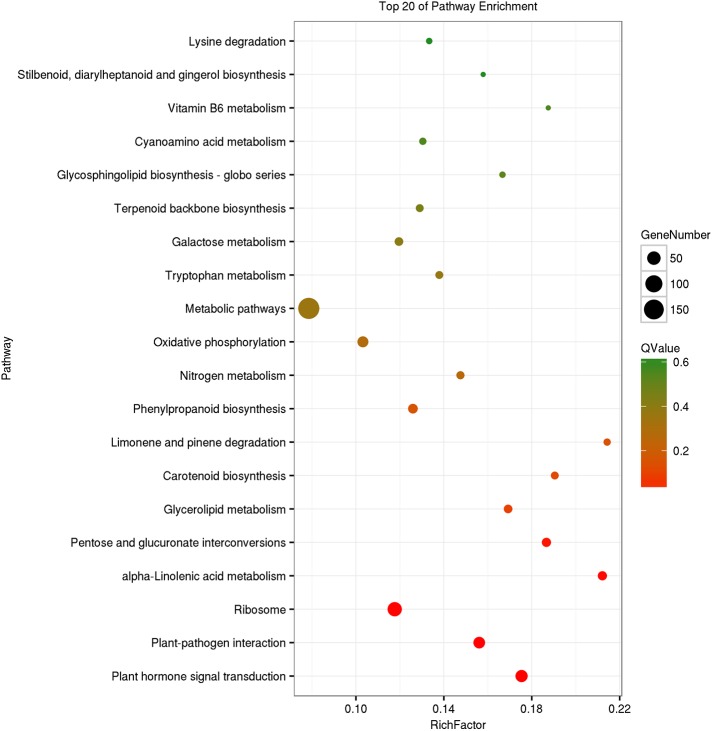
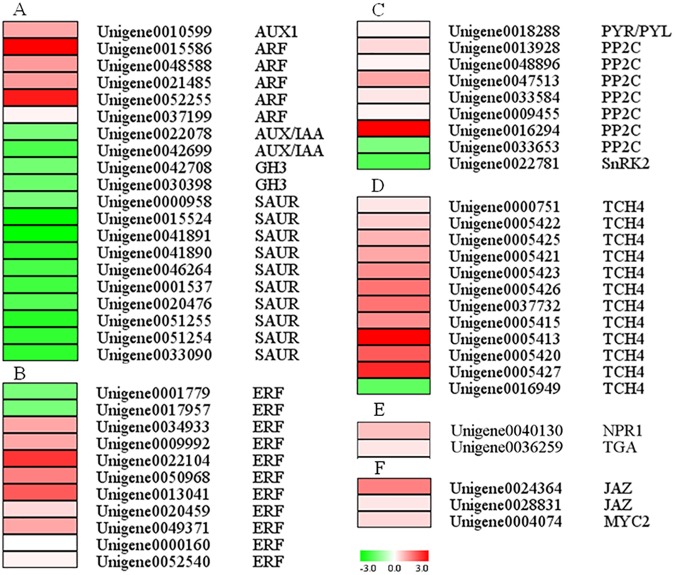
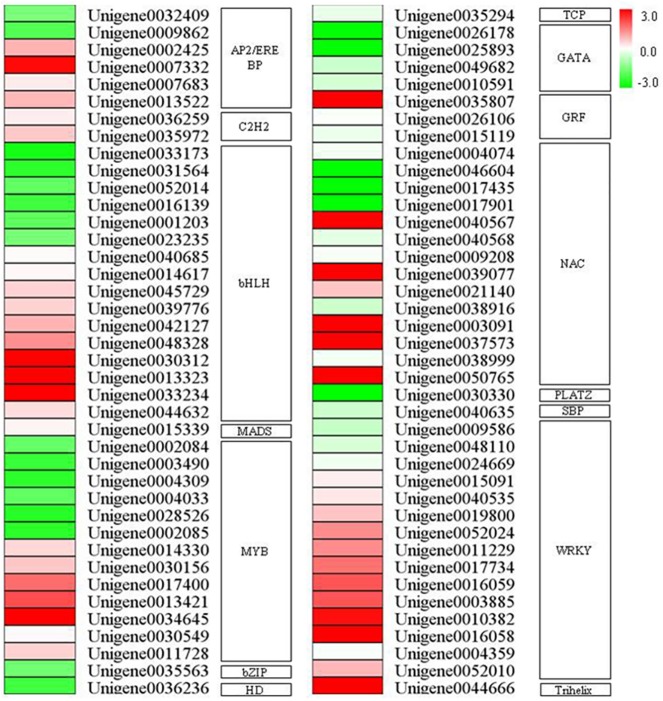
In Arabidopsis, treating shoots with uniconazole can result in enhanced primary root elongation and bolting delay. Uniconazole spraying has become an important cultivation technique in controlling the flowering and improving the fruit-setting of litchi. However, the mechanism by which uniconazole regulates the complicated developmental processes in litchi remains unclear. This study aimed to determine which signal pathways and genes drive the responses of litchi inflorescences to uniconazole treatment. We monitored the transcriptional activity in inflorescences after uniconazole treatment by Illumina sequencing technology. The global expression profiles of uniconazole-treated litchi inflorescences were compared with those of the control, and 4051 differentially expressed genes were isolated. KEGG pathway enrichment analysis indicated that the plant hormone signal transduction pathway served key functions in the flower developmental stage under uniconazole treatment. Basing on the transcriptional analysis of genes involved in flower development, we hypothesized that uniconazole treatment increases the ratio of female flowers by activating the transcription of pistil-related genes. This phenomenon increases opportunities for pollination and fertilization, thereby enhancing the fruit-bearing rate. In addition, uniconazole treatment regulates the expression of unigenes involved in numerous transcription factor families, especially the bHLH and WRKY families. These findings suggest that the uniconazole-induced morphological changes in litchi inflorescences are related to the control of hormone signaling, the regulation of flowering genes, and the expression levels of various transcription factors. This study provides comprehensive inflorescence transcriptome data to elucidate the molecular mechanisms underlying the response of litchi flowers to uniconazole treatment and enumerates possible candidate genes that can be used to guide future research in controlling litchi flowering.
在拟南芥中,用烯效唑处理芽可以导致主根伸长增强和抽薹延迟。烯效唑喷雾已成为控制荔枝开花和提高结实率的重要栽培技术。然而,烯效唑调节荔枝复杂发育过程的机制尚不清楚。本研究旨在确定哪些信号通路和基因驱动荔枝花序对烯效唑处理的反应。我们通过 Illumina 测序技术监测烯效唑处理后花序中的转录活性。将烯效唑处理的荔枝花序的全局表达谱与对照进行比较,分离出 4051 个差异表达基因。KEGG 途径富集分析表明,植物激素信号转导途径在烯效唑处理下的花发育阶段起关键作用。基于参与花发育的基因的转录分析,我们假设烯效唑通过激活雌蕊相关基因的转录增加雌花的比例。这种现象增加了授粉和受精的机会,从而提高了结实率。此外,烯效唑处理调节参与众多转录因子家族的基因的表达,特别是 bHLH 和 WRKY 家族。这些发现表明,烯效唑诱导的荔枝花序形态变化与激素信号的控制、开花基因的调节以及各种转录因子的表达水平有关。本研究提供了全面的花序转录组数据,以阐明荔枝花对烯效唑处理的反应的分子机制,并列举了可能的候选基因,可用于指导荔枝开花控制的未来研究。