Earth & Environmental Sciences Area, Lawrence Berkeley National Lab, Berkeley, CA, United States of America.
Ecological Engineering Research Program, School of Engineering & Computer Science, University of the Pacific, 3601 Pacific Avenue, Stockton, CA, United States of America.
PLoS One. 2017 Apr 19;12(4):e0175344. doi: 10.1371/journal.pone.0175344. eCollection 2017.
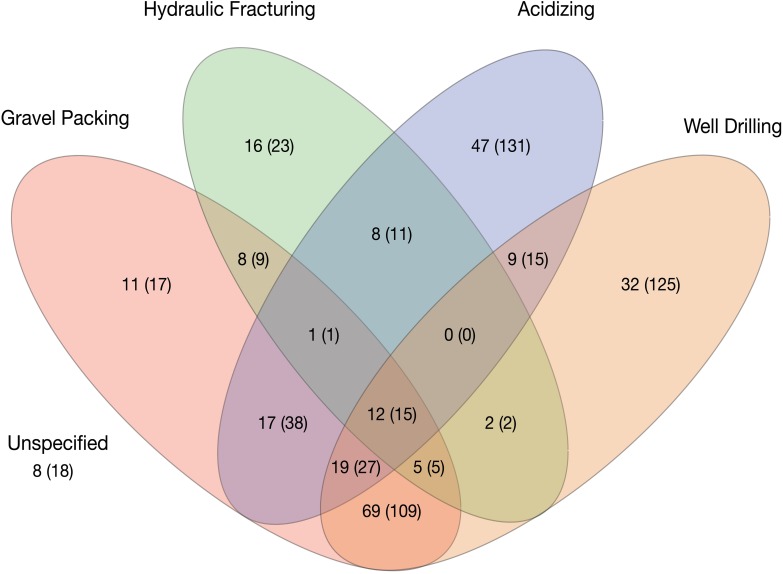
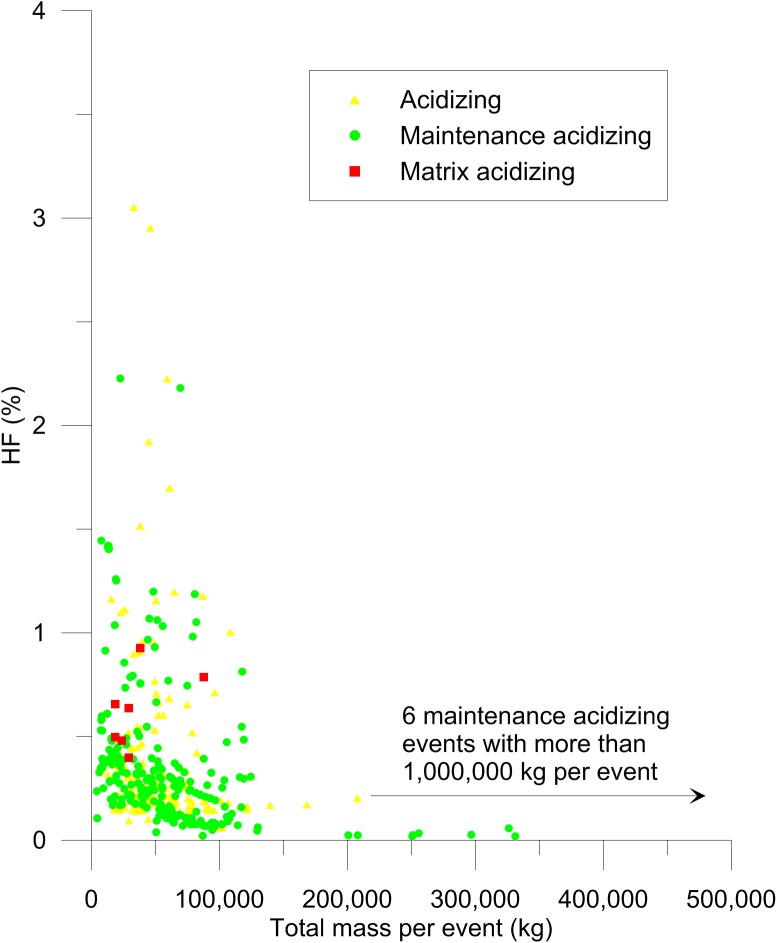
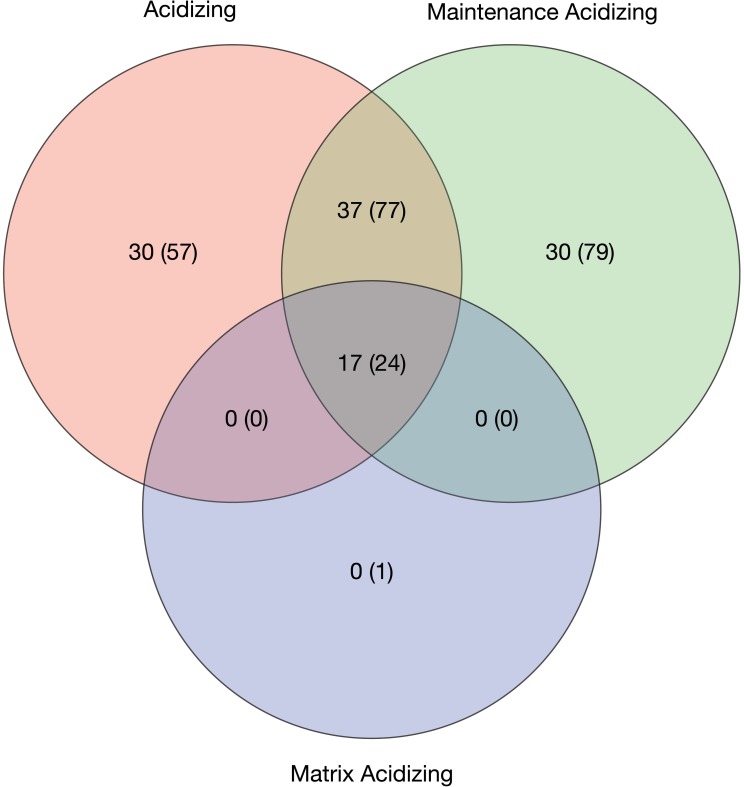
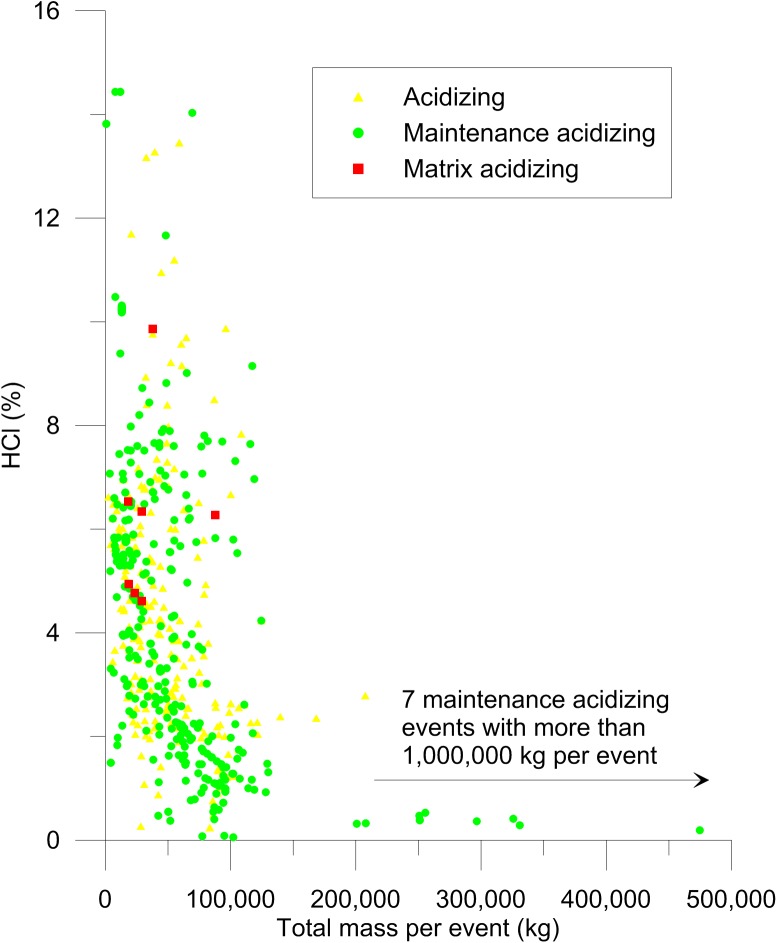
The potential hazards and risks associated with well-stimulation in unconventional oil and gas development (hydraulic fracturing, acid fracturing, and matrix acidizing) have been investigated and evaluated and federal and state regulations requiring chemical disclosure for well-stimulation have been implemented as part of an overall risk management strategy for unconventional oil and gas development. Similar evaluations for chemicals used in other routine oil and gas development activities, such as maintenance acidizing, gravel packing, and well drilling, have not been previously conducted, in part due to a lack of reliable information concerning on-field chemical-use. In this study, we compare chemical-use between routine activities and the more closely regulated well-stimulation activities using data collected by the South Coast Air Quality Monitoring District (SCAQMD), which mandates the reporting of both unconventional and routine on-field chemical-use for parts of Southern California. Analysis of this data shows that there is significant overlap in chemical-use between so-called unconventional activities and routine activities conducted for well maintenance, well-completion, or rework. A comparison within the SCAQMD shows a significant overlap between both types and amounts of chemicals used for well-stimulation treatments included under State mandatory-disclosure regulations and routine treatments that are not included under State regulations. A comparison between SCAQMD chemical-use for routine treatments and state-wide chemical-use for hydraulic fracturing also showed close similarity in chemical-use between activities covered under chemical disclosure requirements (e.g. hydraulic fracturing) and many other oil and gas field activities. The results of this study indicate regulations and risk assessments focused exclusively on chemicals used in well-stimulation activities may underestimate potential hazard or risk from overall oil field chemical-use.
本研究通过对比南海岸空气质量管理区(SCAQMD)的数据,评估了非常规油气开发(水力压裂、酸压和基质酸化)中完井增产措施与其他常规油气开发作业(如修井酸化、砾石充填和钻井)的化学物质使用情况,前者受到联邦和州级法规的监管,要求披露完井增产措施中使用的化学物质,而后者并未进行类似的评估,部分原因是缺乏现场化学物质使用的可靠信息。结果表明,非常规作业和常规作业(完井、修井和再作业)之间存在大量化学物质的重复使用。SCAQMD 的数据显示,非常规完井增产措施和常规完井作业所使用的化学物质在种类和数量上存在显著重叠。此外,SCAQMD 内的对比结果表明,州级强制披露法规涵盖的完井增产措施与未涵盖在州级法规中的常规处理措施所使用的化学物质种类和数量存在显著重叠。SCAQMD 的常规处理措施与全州范围内水力压裂的化学物质使用情况进行对比,也显示出在受化学物质披露要求涵盖的活动(如水力压裂)与许多其他油气田活动之间,化学物质的使用情况非常相似。综上所述,仅针对完井增产措施中使用的化学物质的法规和风险评估可能会低估整个油田化学物质使用带来的潜在危害或风险。