Xie Shuanshuan, Shen Changxing, Tan Min, Li Ming, Song Xiaolian, Wang Changhui
Department of Respiratory Medicine, Shanghai Tenth People's Hospital, Tongji University, Shanghai 200072, China.
Oncotarget. 2017 Apr 18;8(16):27216-27239. doi: 10.18632/oncotarget.16111.
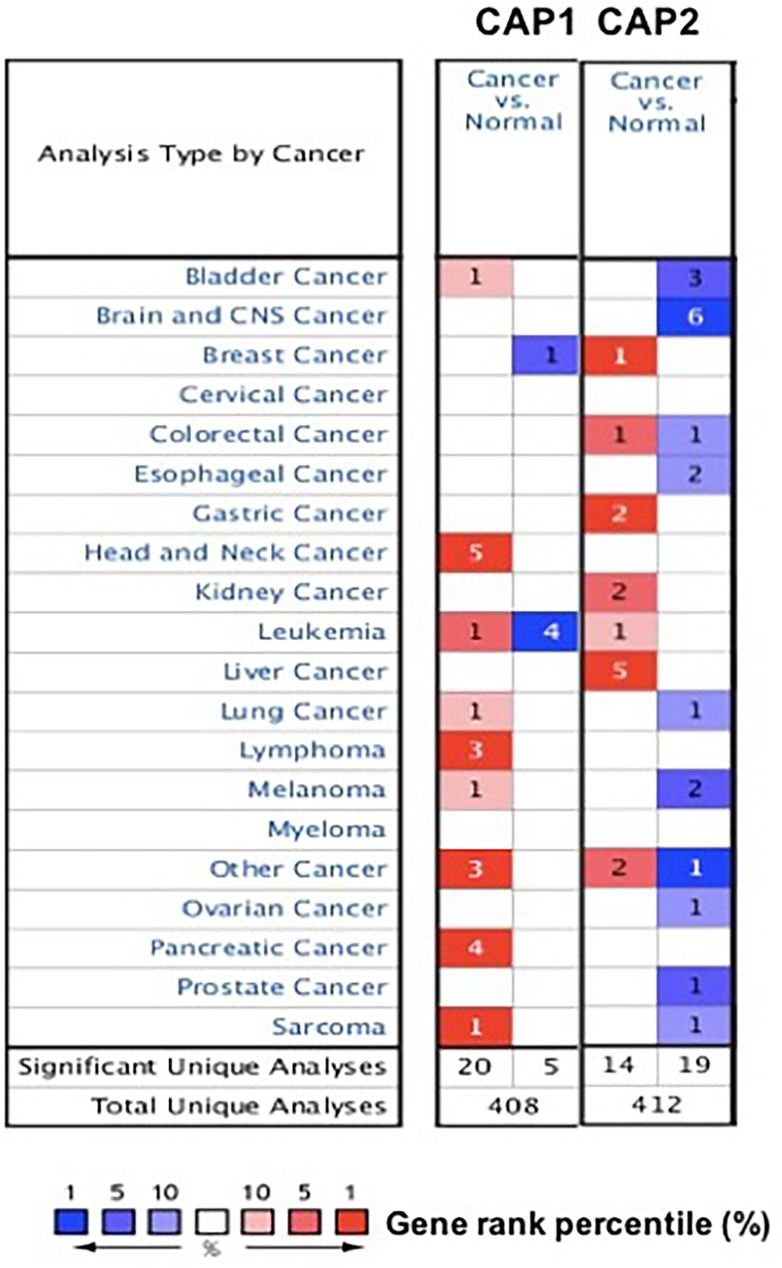
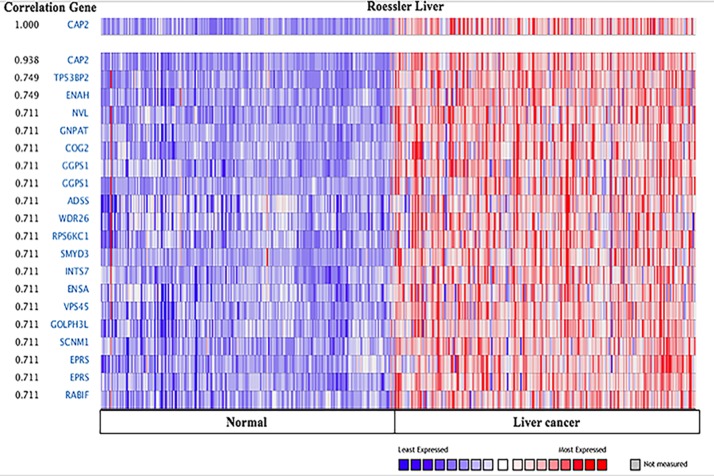
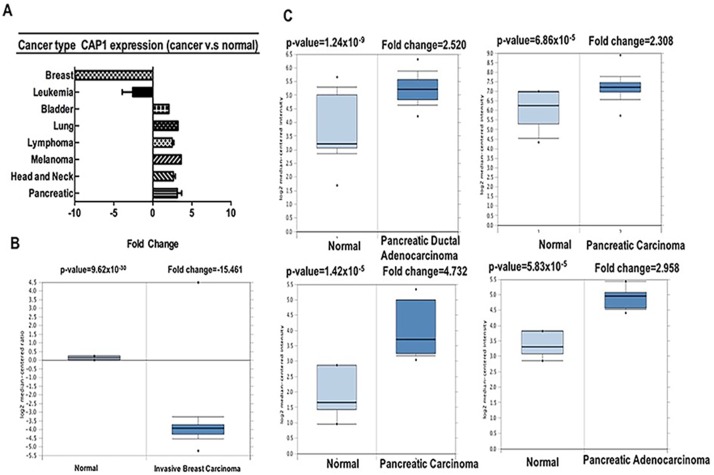
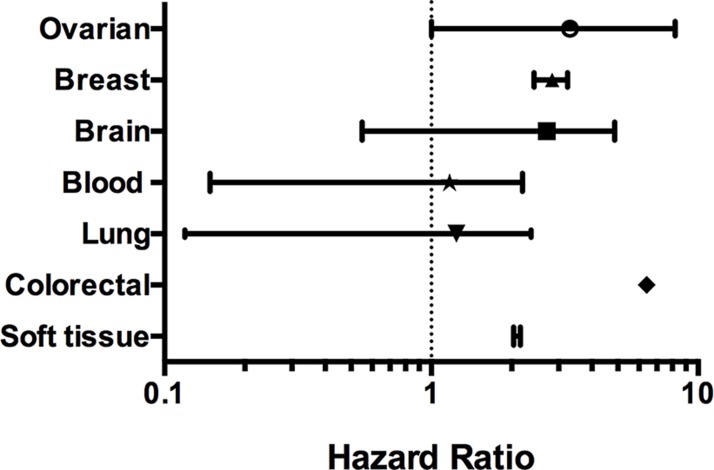
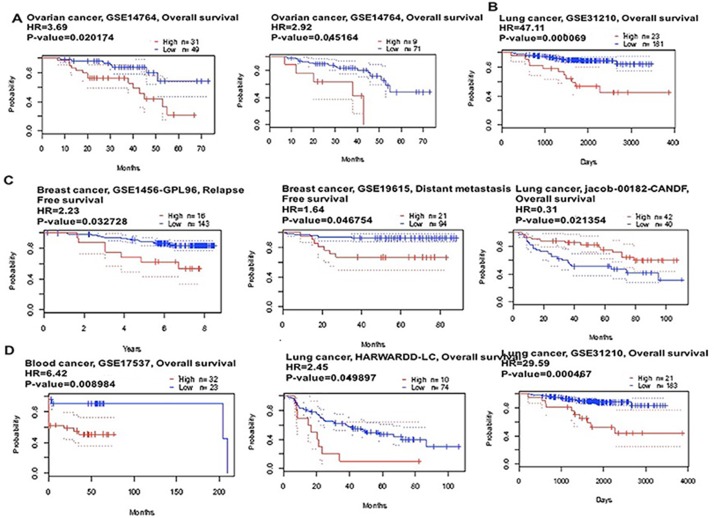
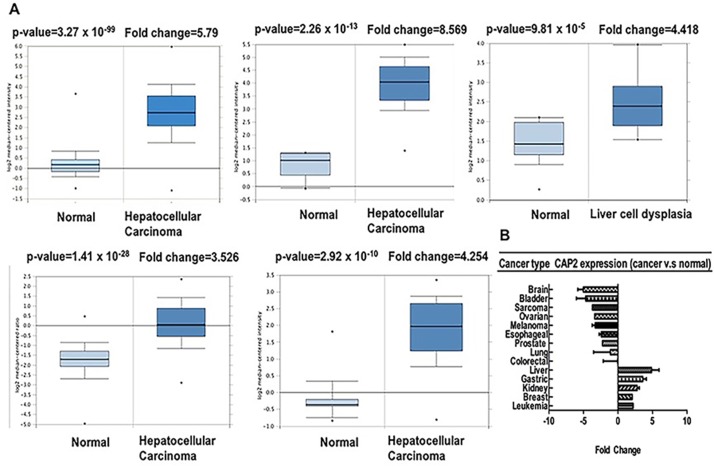
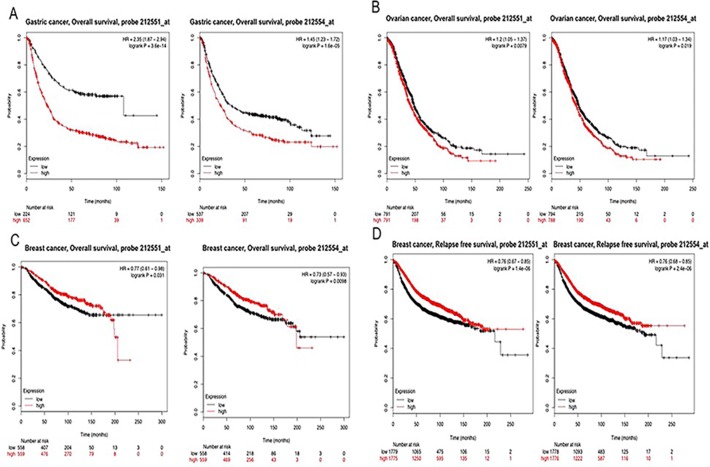
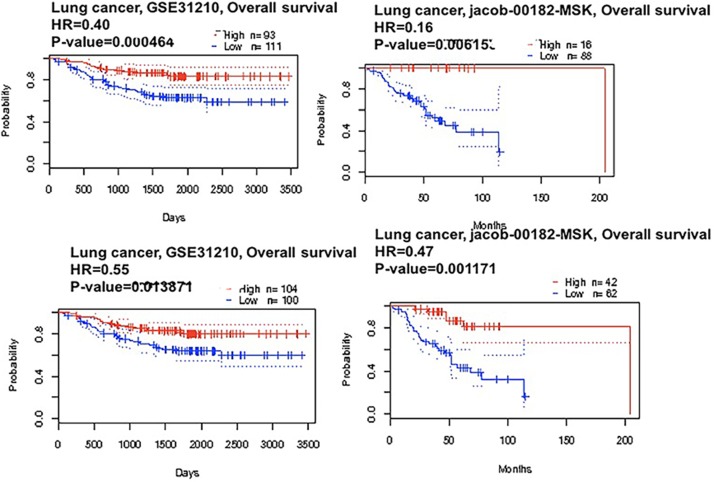
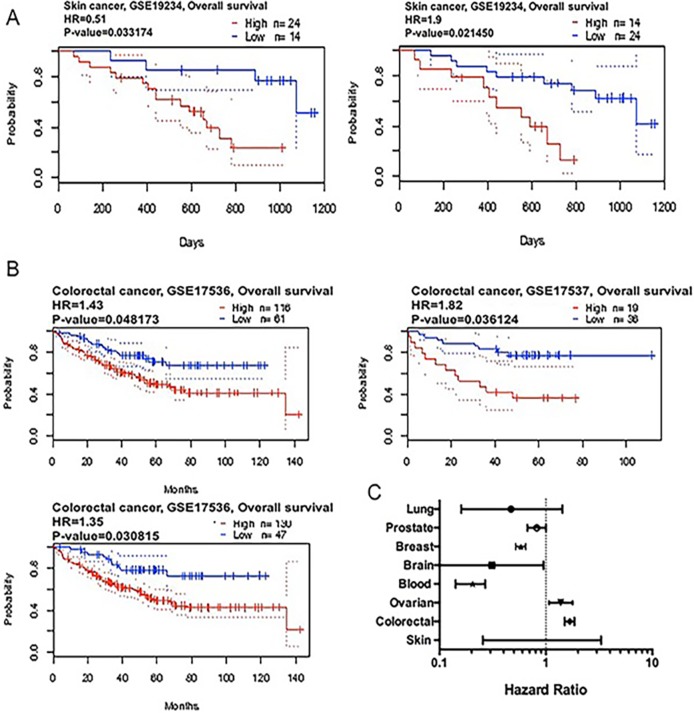
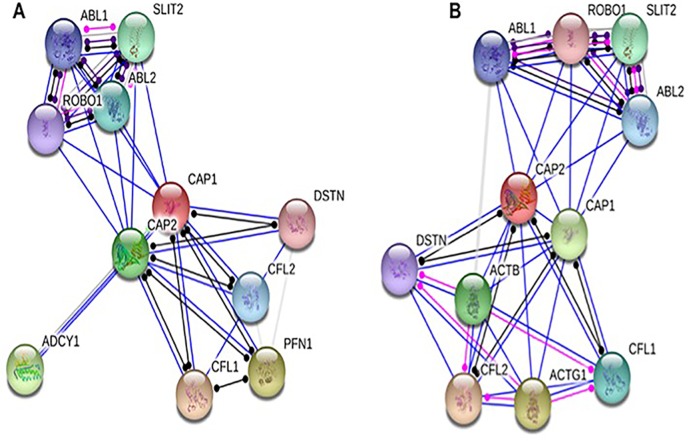
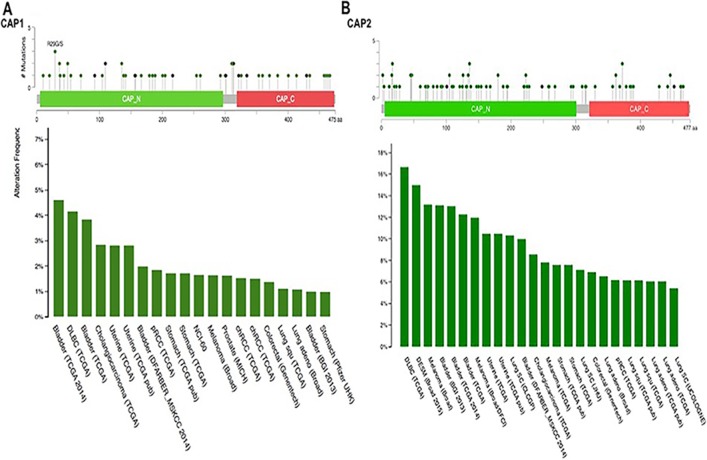
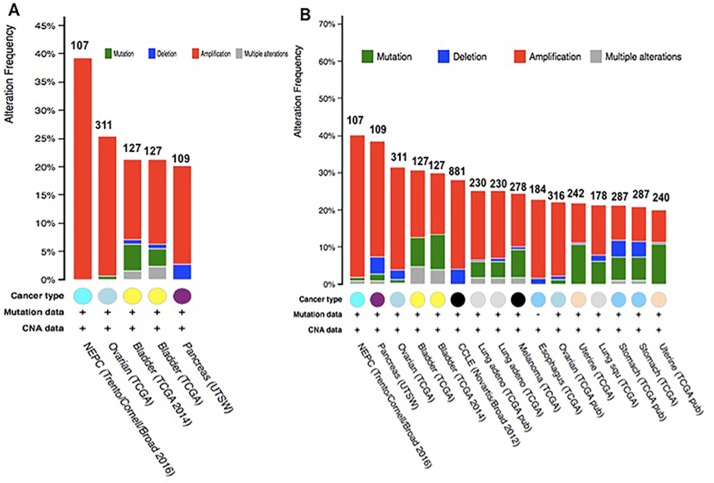
Adenylate Cyclase-associated protein (CAP) is an evolutionarily conserved protein that regulates actin dynamics. Our previous study indicates that CAP1 is overexpressed in NSCLC tissues and correlated with poor clinical outcomes, but CAP1 in HeLa cells actually inhibited migration and invasion, the role of CAP was discrepancy in different cancer types. The present study aims to determine whether CAP can serve as a prognostic marker in human cancers. The CAP expression was assessed using Oncomine database to determine the gene alteration during carcinogenesis, the copy number alteration, or mutations of CAP using cBioPortal, International Cancer Genome Consortium, and Tumorscape database investigated, and the association between CAP expression and the survival of cancer patient using Kaplan-Meier plotter and PrognoScan database evaluated. Therefore, the functional correlation between CAP expression and cancer phenotypes can be established; wherein CAP might serve as a diagnostic marker or therapeutic target for certain types of cancers.
腺苷酸环化酶相关蛋白(CAP)是一种在进化上保守的蛋白质,可调节肌动蛋白动力学。我们之前的研究表明,CAP1在非小细胞肺癌(NSCLC)组织中过表达,且与不良临床预后相关,但HeLa细胞中的CAP1实际上抑制了迁移和侵袭,CAP在不同癌症类型中的作用存在差异。本研究旨在确定CAP是否可作为人类癌症的预后标志物。使用Oncomine数据库评估CAP表达,以确定致癌过程中的基因改变,使用cBioPortal、国际癌症基因组联盟和Tumorscape数据库研究CAP的拷贝数改变或突变,并使用Kaplan-Meier绘图仪和PrognoScan数据库评估CAP表达与癌症患者生存之间的关联。因此,可以建立CAP表达与癌症表型之间的功能相关性;其中CAP可能作为某些类型癌症的诊断标志物或治疗靶点。