Ma Ji, Franco Brian, Tapia Gustavo, Karayagiz Kubra, Johnson Luke, Liu Jun, Arroyave Raymundo, Karaman Ibrahim, Elwany Alaa
Department of Materials Science and Engineering, Texas A&M University, College Station TX, 77843, USA.
Department of Industrial and Systems Engineering, Texas A&M University, College Station TX, 77843, USA.
Sci Rep. 2017 Apr 21;7:46707. doi: 10.1038/srep46707.
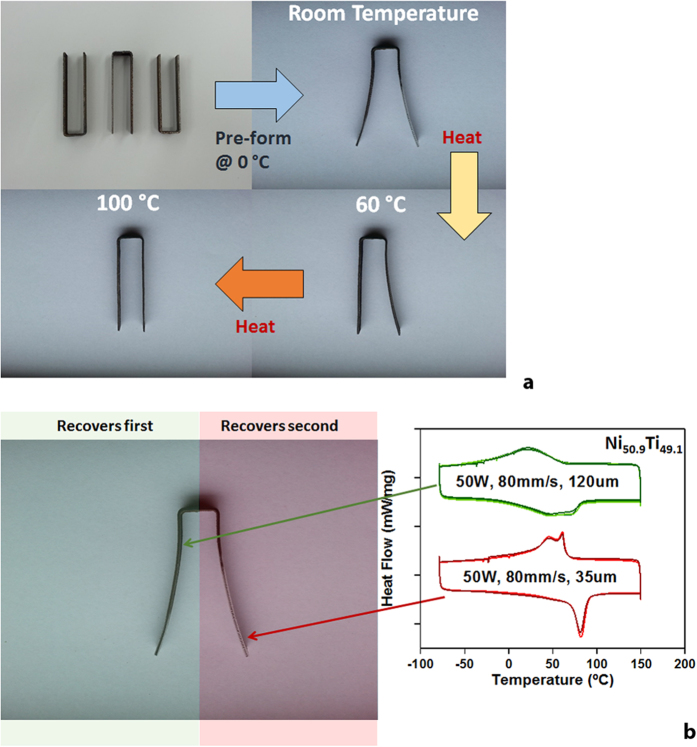
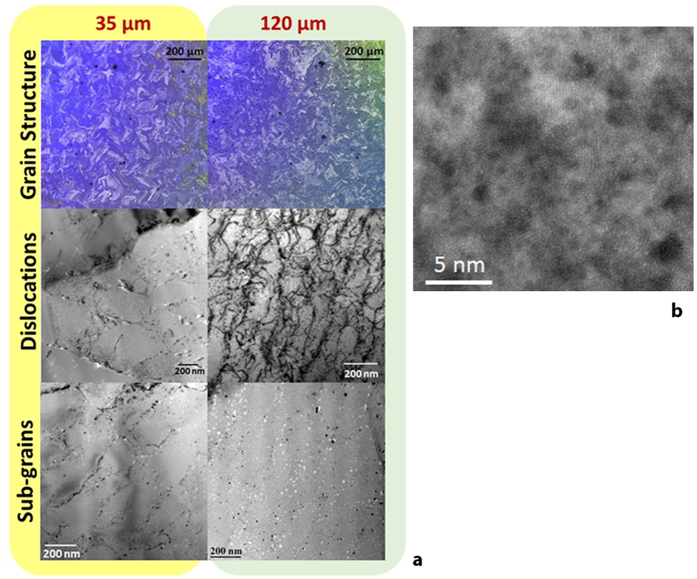
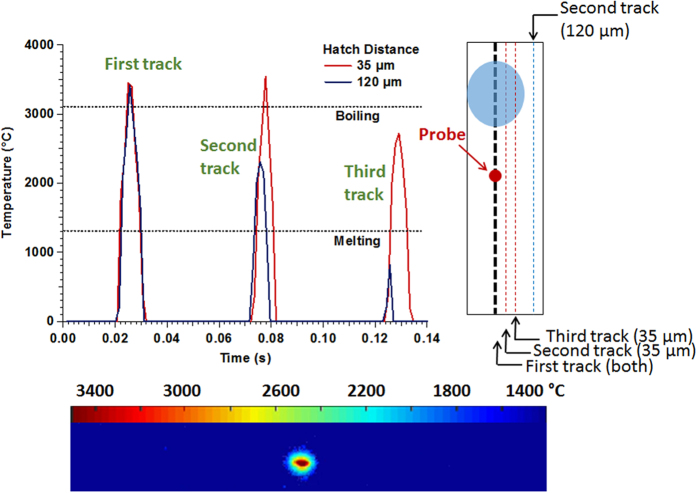
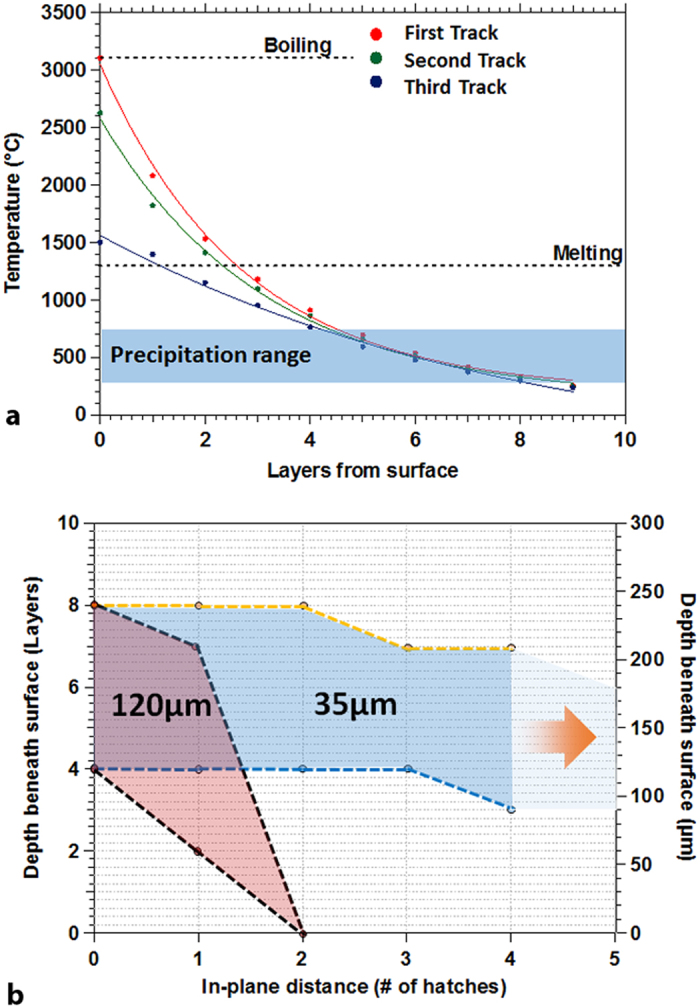
We demonstrate a method to achieve local control of 3-dimensional thermal history in a metallic alloy, which resulted in designed spatial variations in its functional response. A nickel-titanium shape memory alloy part was created with multiple shape-recovery stages activated at different temperatures using the selective laser melting technique. The multi-stage transformation originates from differences in thermal history, and thus the precipitate structure, at various locations created from controlled variations in the hatch distance within the same part. This is a first example of precision location-dependent control of thermal history in alloys beyond the surface, and utilizes additive manufacturing techniques as a tool to create materials with novel functional response that is difficult to achieve through conventional methods.
我们展示了一种在金属合金中实现三维热历史局部控制的方法,该方法导致其功能响应出现设计好的空间变化。使用选择性激光熔化技术制造了一个镍钛形状记忆合金部件,该部件在不同温度下激活了多个形状恢复阶段。多阶段转变源于同一部件内由于扫描间距的受控变化而在不同位置产生的热历史差异,进而导致析出物结构的差异。这是合金表面以外热历史精确位置依赖性控制的首个示例,并利用增材制造技术作为工具来制造具有新型功能响应的材料,而这是通过传统方法难以实现的。