Sharma Pradeep, Gaur Nripen, Phuljhele Swati, Saxena Rohit
Pediatric Ophthalmology and Strabismus Services, Dr. Rajendra Prasad Centre for Ophthalmic Sciences, All Institute of Medical Sciences, New Delhi, India.
Indian J Ophthalmol. 2017 Mar;65(3):184-190. doi: 10.4103/ijo.IJO_867_16.
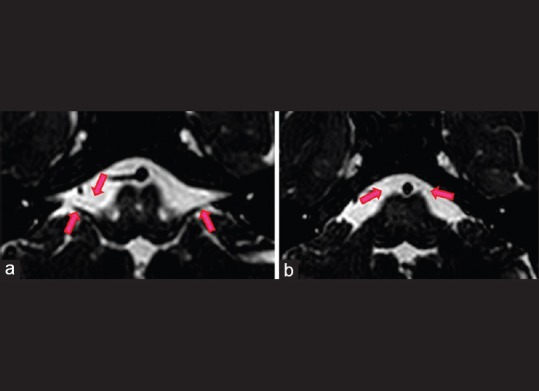
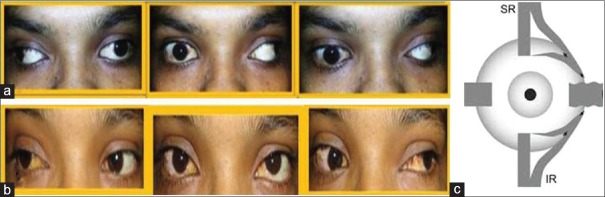
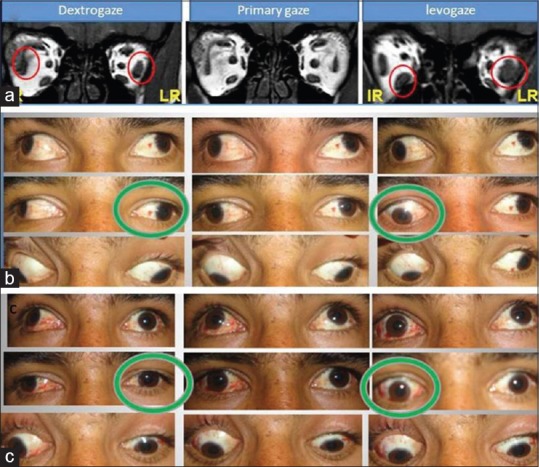
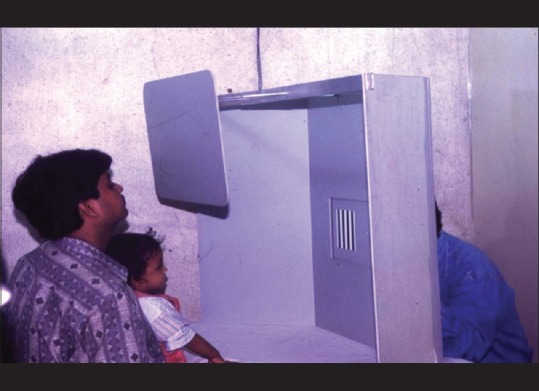
Strabismus is one of the most challenging subspecialties encountered in the field of ophthalmology. The concept of etiology of strabismus is being advanced with the development of newer imaging modalities and increased understanding of the genetics of strabismus. Imaging is also being used to aid in the planning of strabismus surgery. Newer horizons are being explored in the amblyopia management. The good old eye-pad is being replaced with the iPad. Early detection of loss of stereopsis is being used to decide the timing for strabismus surgery. Improvement of binocular summation has been discovered as a benefit of corrective strabismus surgery. Newer surgical techniques such as new transposition procedures are being developed to correct complex strabismus. Strabismus surgeries aided by adjustable sutures have increased the precision of a strabismologist. A new light has been thrown on the psychosocial impact of strabismus. A present-day strabismologist has advanced from the goal of ocular alignment to a bigger perspective "to regain the paradise lost: stereopsis."
斜视是眼科领域中最具挑战性的亚专业之一。随着更新的成像方式的发展以及对斜视遗传学的深入了解,斜视病因的概念也在不断推进。成像技术还被用于辅助斜视手术的规划。弱视治疗方面也在探索新的方向。传统的眼罩正被平板电脑所取代。利用早期检测立体视丧失来决定斜视手术的时机。人们发现矫正性斜视手术的一个益处是改善双眼总和。正在开发诸如新的移位手术等更新的手术技术来矫正复杂斜视。可调节缝线辅助的斜视手术提高了斜视专家的手术精度。斜视的社会心理影响也有了新的认识。当今的斜视专家已从单纯追求眼位正位的目标,转向了更宏大的视角——“重获失去的天堂:立体视”。