Zhao Kai, Wang Leilei, Li Tao, Zhu Meng, Zhang Chen, Chen Lei, Zhao Pengfei, Zhou Hua, Yu Shengping, Yang Xuejun
Department of Neurosurgery, Tianjin Medical University General Hospital, Tianjin 300052, P.R. China.
Department of Neurosurgery, Cangzhou Central Hospital, Cangzhou, Hebei 061001, P.R. China.
Int J Oncol. 2017 Jun;50(6):1989-1999. doi: 10.3892/ijo.2017.3973. Epub 2017 Apr 21.
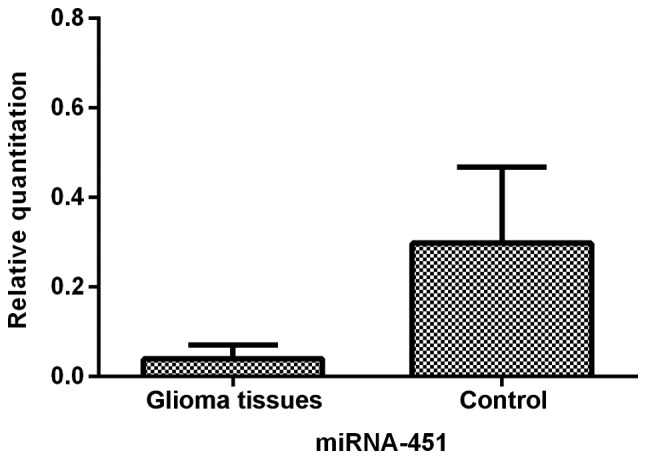
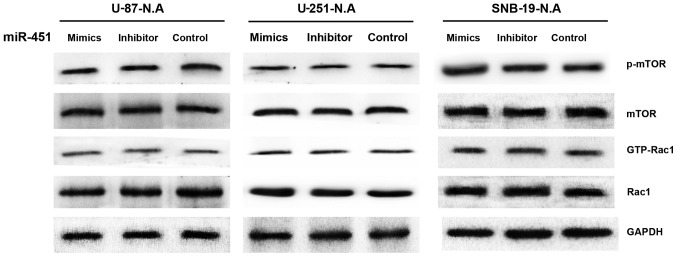
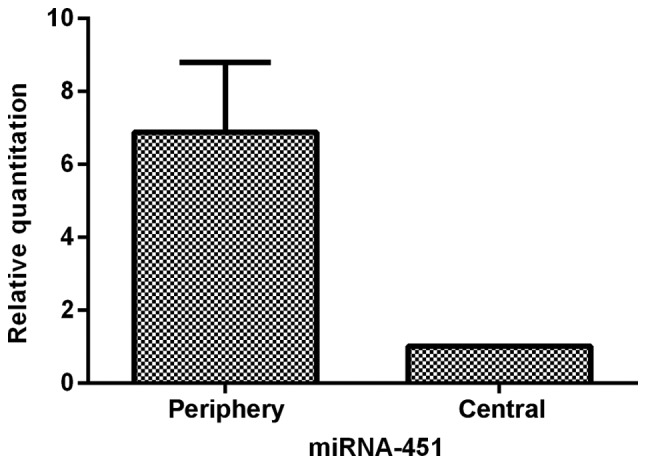
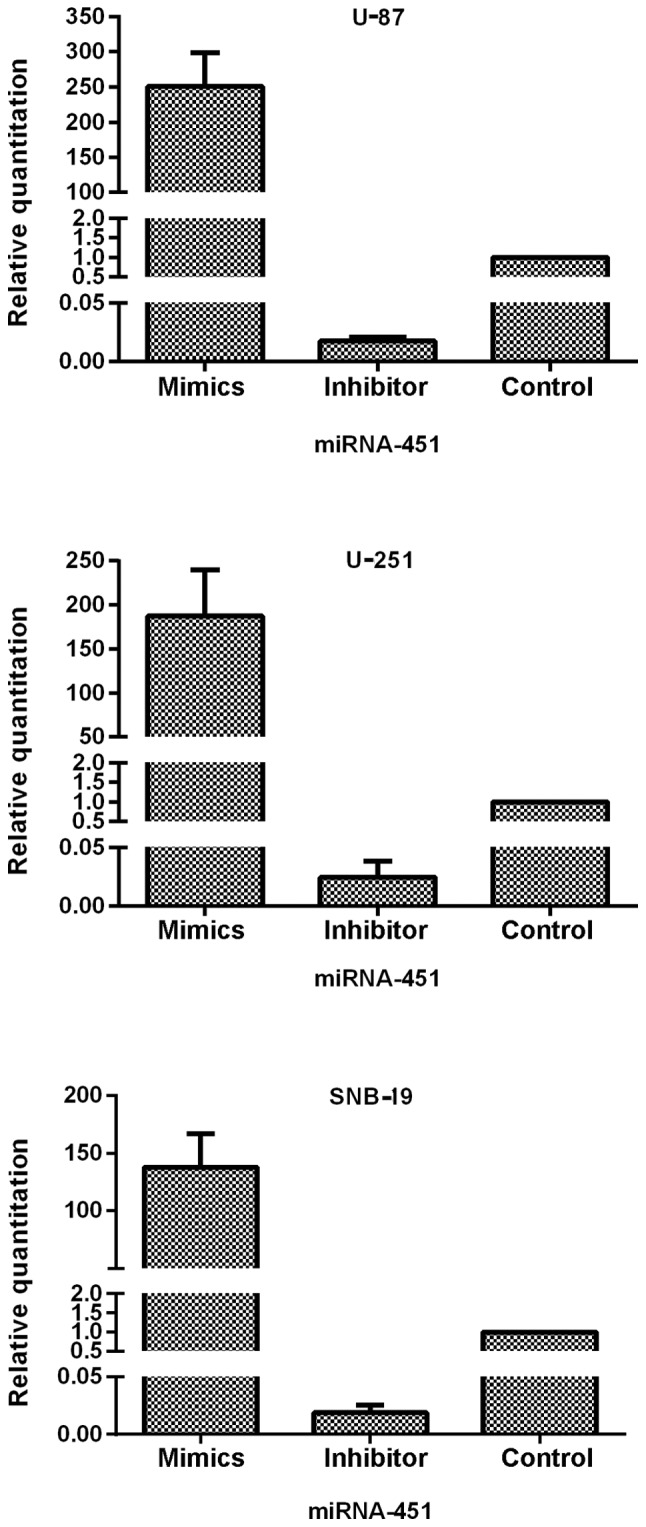
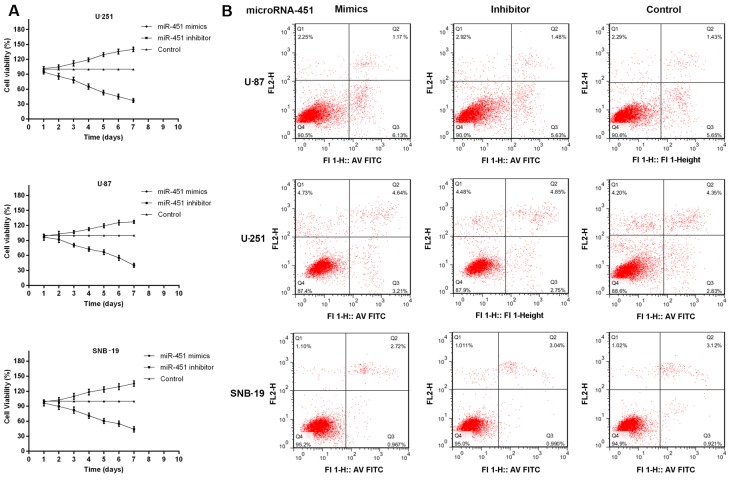
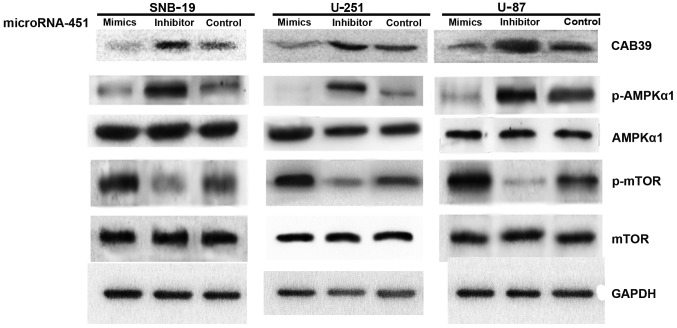
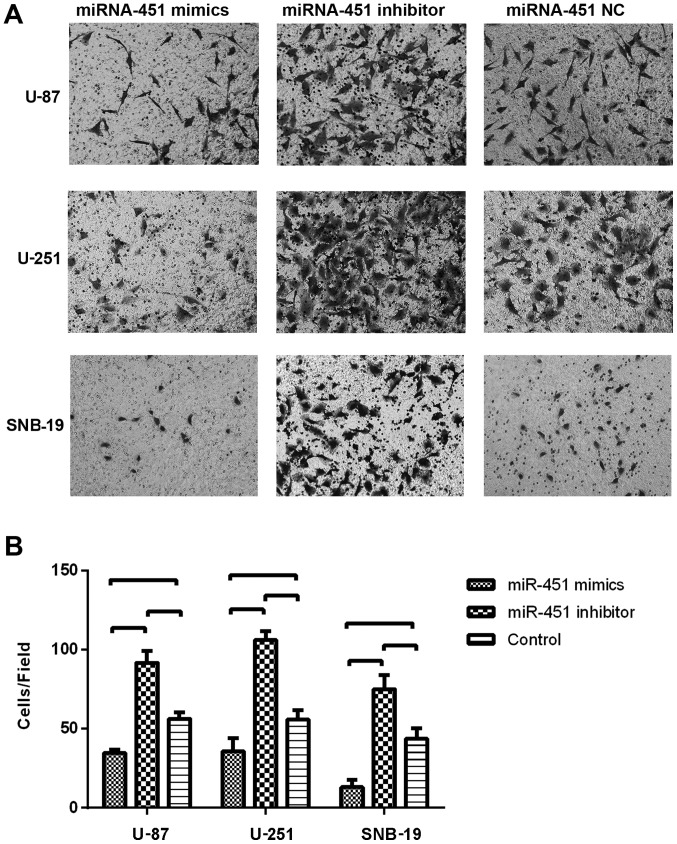
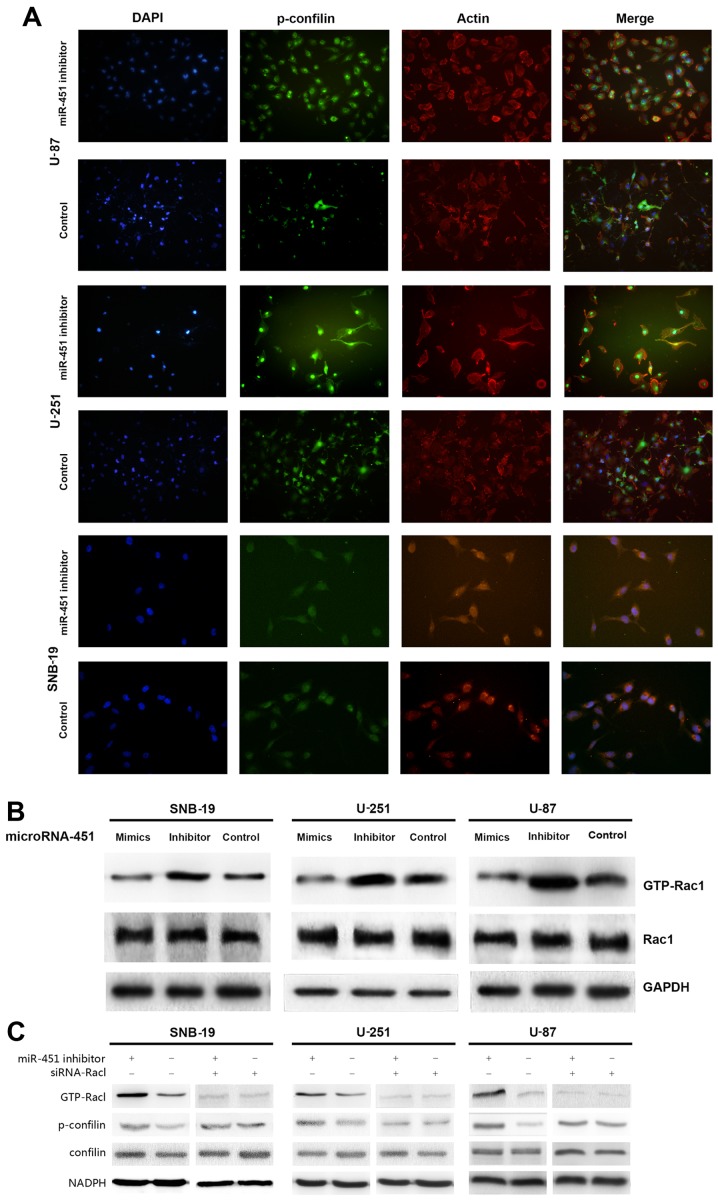
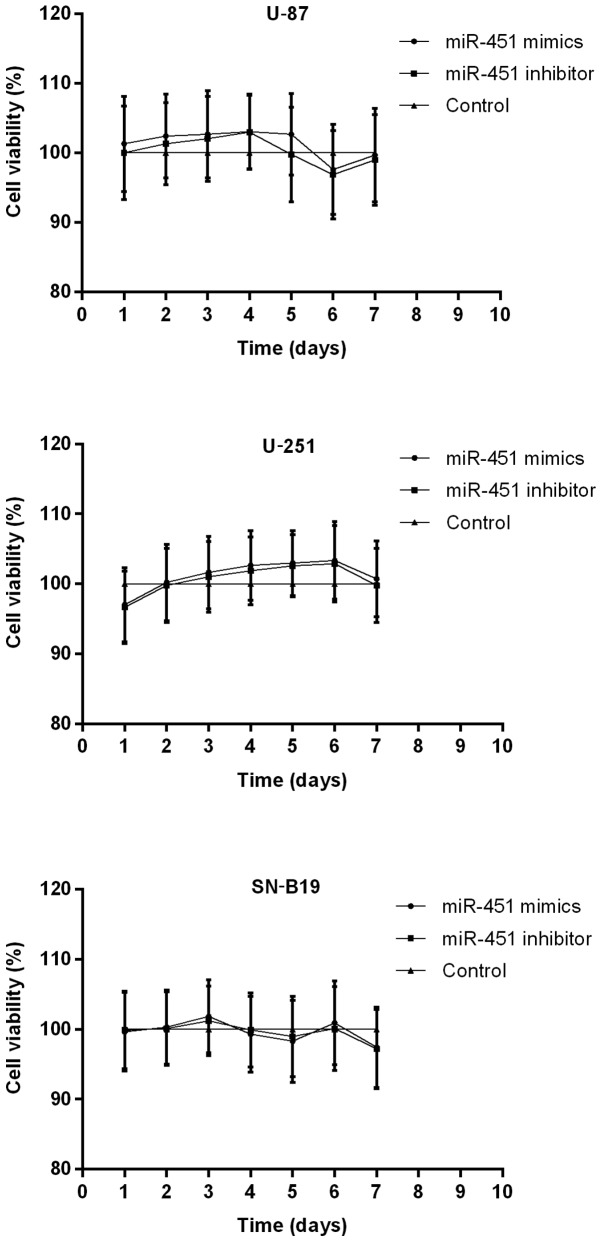
Glioblastoma multiforme (GBM), WHO grade IV astrocytoma, is the most common primary neoplasm of the central nervous system (CNS) and has the highest malignancy and mortality rates. The invasive nature of GBM complicates surgical resection and restricts chemotherapeutic access, contributing to poor patient prognosis. The migration of tumor cells is closely related to the tumor cell proliferation. The acquisition of migratory capability, in addition to intracellular factors, is proposed to be a crucial mechanism during the progression of invasion. Using qRT-PCR analysis, we determined that the expression of miR-451 in glioma tissue was lower than in control brain tissue, especially in the central portions of the tumor. In glioma cell lines, we found that decreased miR-451 expression suppressed tumor cell proliferation but enhanced migration with a concomitant low level of CAB39/AMPK/mTOR pathway activation and high level of Rac1/cofilin pathway activation, respectively. Notably, the effect of miR-451 on cytological behavior and on the activation of mTOR and Rac1 was limited when AMPKα1 expression was knocked-down with a synthetic shRNA. We suggest that the glioma microenvironment results in heterogeneity of miR-451 expression. Our data indicated that miR-451 relays environmental signals by upregulating the activity of AMPK signaling, thereby modulating the activation of mTOR and Rac1/cofilin which, in turn, play key roles in glioma cell proliferation and migration, respectively. Our results highlight the need to consider opposing roles of a therapeutic target which, while suppressing tumor cell proliferation, could also promote cell infiltration.
多形性胶质母细胞瘤(GBM),即世界卫生组织IV级星形细胞瘤,是中枢神经系统(CNS)最常见的原发性肿瘤,具有最高的恶性率和死亡率。GBM的侵袭性使手术切除复杂化并限制了化疗药物的作用,导致患者预后不良。肿瘤细胞的迁移与肿瘤细胞增殖密切相关。除细胞内因素外,获得迁移能力被认为是侵袭进展过程中的关键机制。通过qRT-PCR分析,我们确定miR-451在胶质瘤组织中的表达低于对照脑组织,尤其是在肿瘤的中央部分。在胶质瘤细胞系中,我们发现miR-451表达降低抑制了肿瘤细胞增殖,但增强了迁移能力,同时分别伴随着低水平的CAB39/AMPK/mTOR途径激活和高水平的Rac1/丝切蛋白途径激活。值得注意的是,当用合成的shRNA敲低AMPKα1表达时,miR-451对细胞行为以及mTOR和Rac1激活的影响受到限制。我们认为胶质瘤微环境导致了miR-451表达的异质性。我们的数据表明,miR-451通过上调AMPK信号的活性来传递环境信号,从而调节mTOR和Rac1/丝切蛋白的激活,而mTOR和Rac1/丝切蛋白分别在胶质瘤细胞增殖和迁移中起关键作用。我们的结果强调了需要考虑治疗靶点的相反作用,即该靶点在抑制肿瘤细胞增殖的同时,也可能促进细胞浸润。