Marranci Andrea, Jiang Zhijie, Vitiello Marianna, Guzzolino Elena, Comelli Laura, Sarti Samanta, Lubrano Simone, Franchin Cinzia, Echevarría-Vargas Ileabett, Tuccoli Andrea, Mercatanti Alberto, Evangelista Monica, Sportoletti Paolo, Cozza Giorgio, Luzi Ettore, Capobianco Enrico, Villanueva Jessie, Arrigoni Giorgio, Signore Giovanni, Rocchiccioli Silvia, Pitto Letizia, Tsinoremas Nicholas, Poliseno Laura
Oncogenomics Unit, Core Research Laboratory, Istituto Toscano Tumori (ITT), AOUP, CNR-IFC, Via Moruzzi 1, 56124, Pisa, Italy.
University of Siena, Siena, Italy.
Mol Cancer. 2017 Apr 28;16(1):85. doi: 10.1186/s12943-017-0645-4.
The BRAF protein kinase is widely studied as a cancer driver and therapeutic target. However, the regulation of its expression is not completely understood.
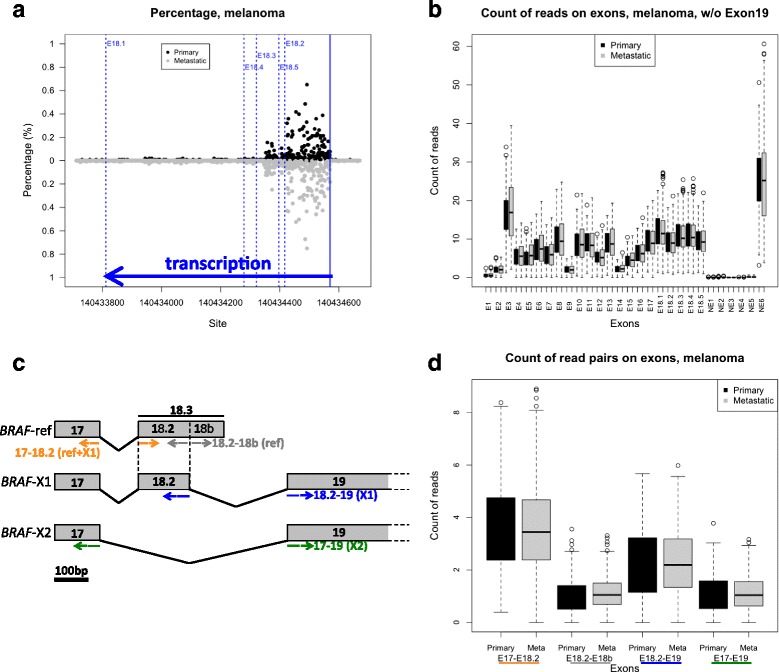
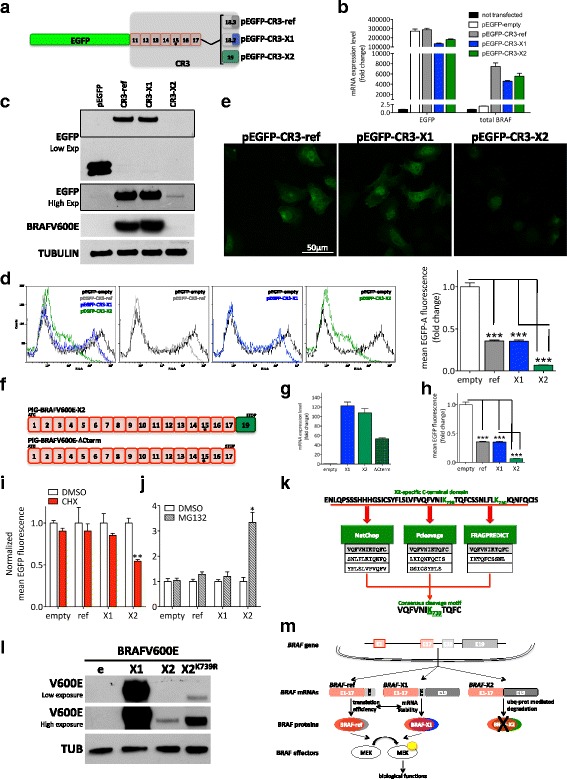
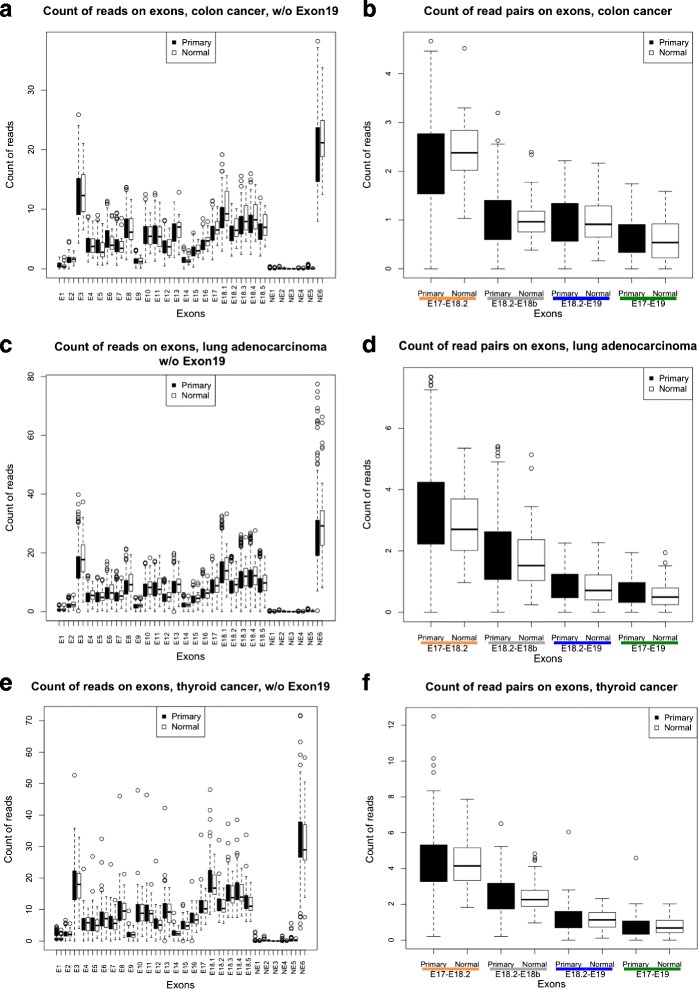
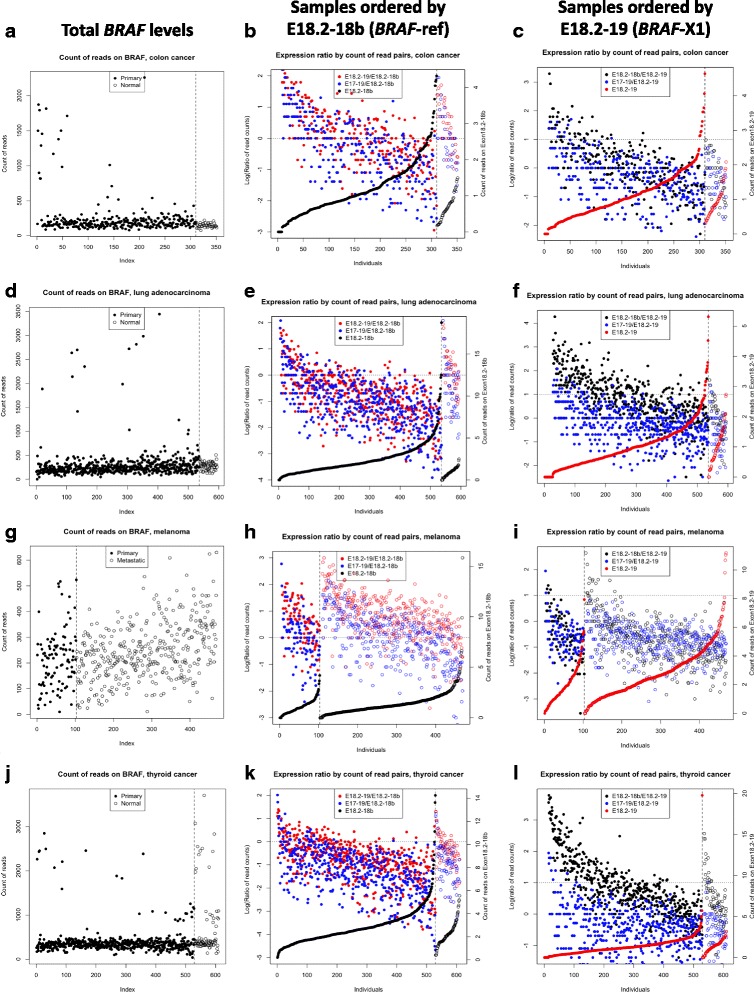
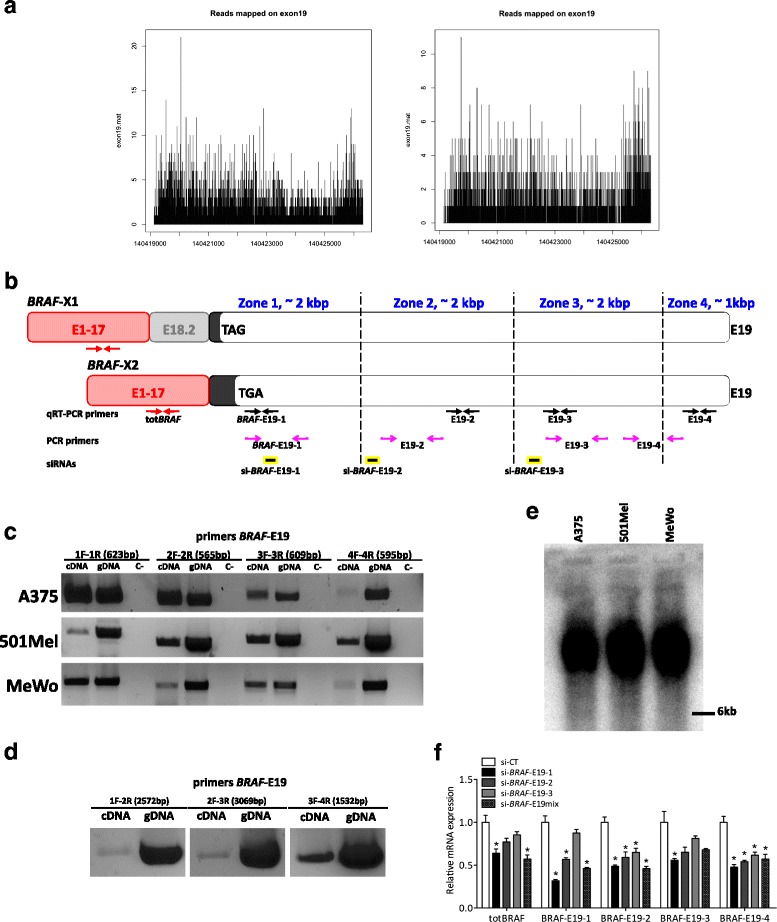
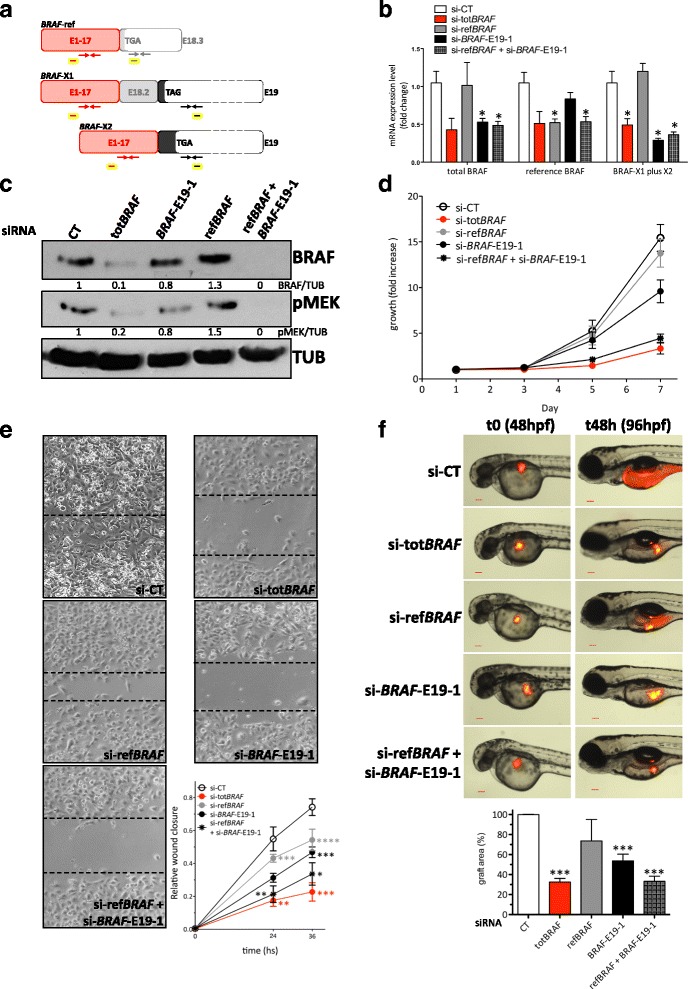
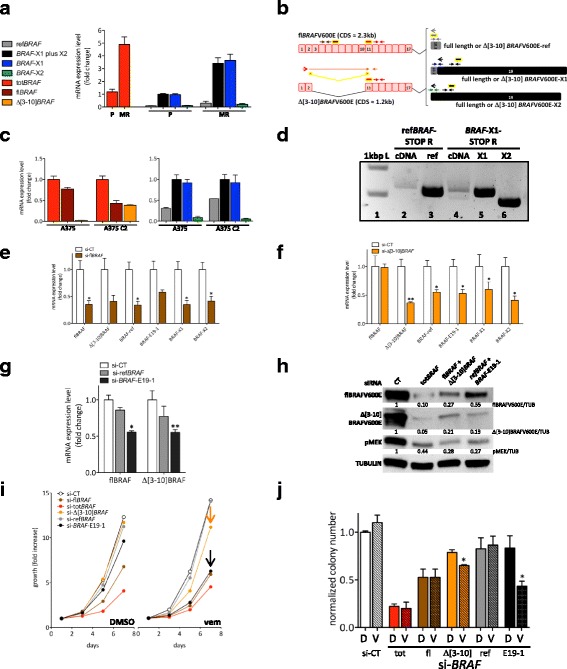
Taking advantage of the RNA-seq data of more than 4800 patients belonging to 9 different cancer types, we show that BRAF mRNA exists as a pool of 3 isoforms (reference BRAF, BRAF-X1, and BRAF-X2) that differ in the last part of their coding sequences, as well as in the length (BRAF-ref: 76 nt; BRAF-X1 and BRAF-X2: up to 7 kb) and in the sequence of their 3'UTRs. The expression levels of BRAF-ref and BRAF-X1/X2 are inversely correlated, while the most prevalent among the three isoforms varies from cancer type to cancer type. In melanoma cells, the X1 isoform is expressed at the highest level in both therapy-naïve cells and cells with acquired resistance to vemurafenib driven by BRAF gene amplification or expression of the Δ[3-10] splicing variant. In addition to the BRAF-ref protein, the BRAF-X1 protein (the full length as well as the Δ[3-10] variant) is also translated. The expression levels of the BRAF-ref and BRAF-X1 proteins are similar, and together they account for BRAF functional activities. In contrast, the endogenous BRAF-X2 protein is hard to detect because the C-terminal domain is selectively recognized by the ubiquitin-proteasome pathway and targeted for degradation.
By shedding light on the repertoire of BRAF mRNA and protein variants, and on the complex regulation of their expression, our work paves the way to a deeper understanding of a crucially important player in human cancer and to a more informed development of new therapeutic strategies.
BRAF蛋白激酶作为一种癌症驱动因子和治疗靶点受到广泛研究。然而,其表达调控机制尚未完全明确。
利用来自9种不同癌症类型的4800多名患者的RNA测序数据,我们发现BRAF mRNA以3种异构体(参考BRAF、BRAF-X1和BRAF-X2)的形式存在,它们在编码序列的最后部分、长度(BRAF-ref:76 nt;BRAF-X1和BRAF-X2:长达7 kb)以及3'UTR的序列上存在差异。BRAF-ref和BRAF-X1/X2的表达水平呈负相关,而这三种异构体中最普遍的一种在不同癌症类型之间有所不同。在黑色素瘤细胞中,X1异构体在未经治疗的细胞以及对维莫非尼产生获得性耐药的细胞(由BRAF基因扩增或Δ[3-10]剪接变体的表达驱动)中表达水平最高。除了BRAF-ref蛋白外,BRAF-X1蛋白(全长以及Δ[3-10]变体)也会被翻译。BRAF-ref和BRAF-X1蛋白的表达水平相似,它们共同构成了BRAF的功能活性。相比之下,内源性BRAF-X2蛋白难以检测到,因为其C末端结构域被泛素-蛋白酶体途径选择性识别并靶向降解。
通过揭示BRAF mRNA和蛋白变体的种类及其复杂的表达调控,我们的工作为更深入了解人类癌症中这一至关重要的因子以及更明智地开发新治疗策略铺平了道路。