Department of Biochemistry, Laboratory of Neurobiology, Universidade Federal de São Paulo, Rua Pedro de Toledo, 669 - 3o andar, São Paulo, SP, 04039-032, Brazil.
Physiopathology Laboratory, Butantan Institute, São Paulo, 05503-900, Brazil.
Mol Neurobiol. 2018 Apr;55(4):3185-3195. doi: 10.1007/s12035-017-0565-8. Epub 2017 May 5.
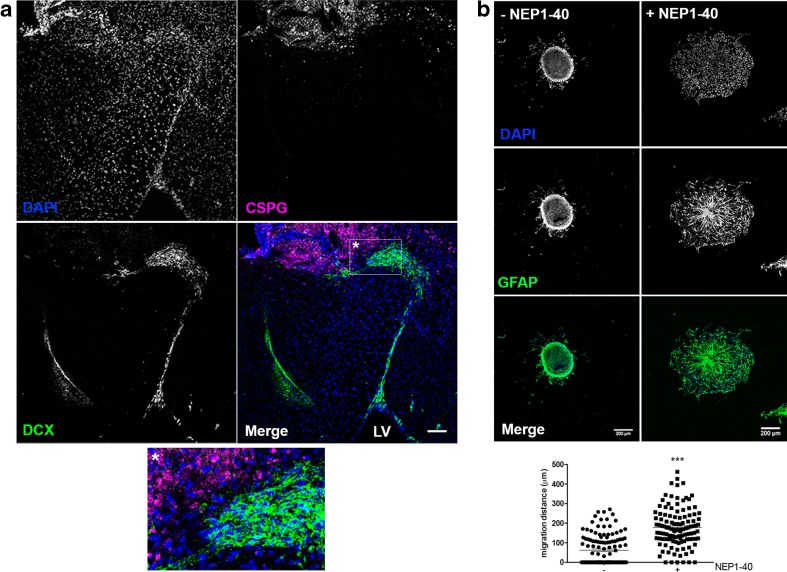
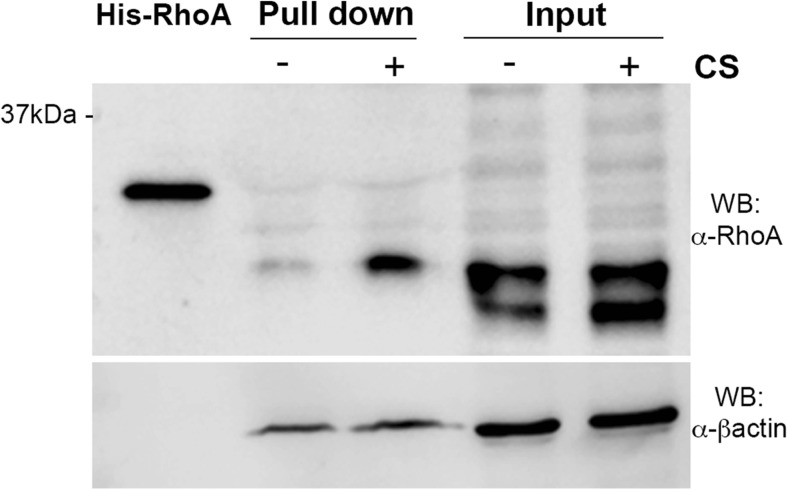
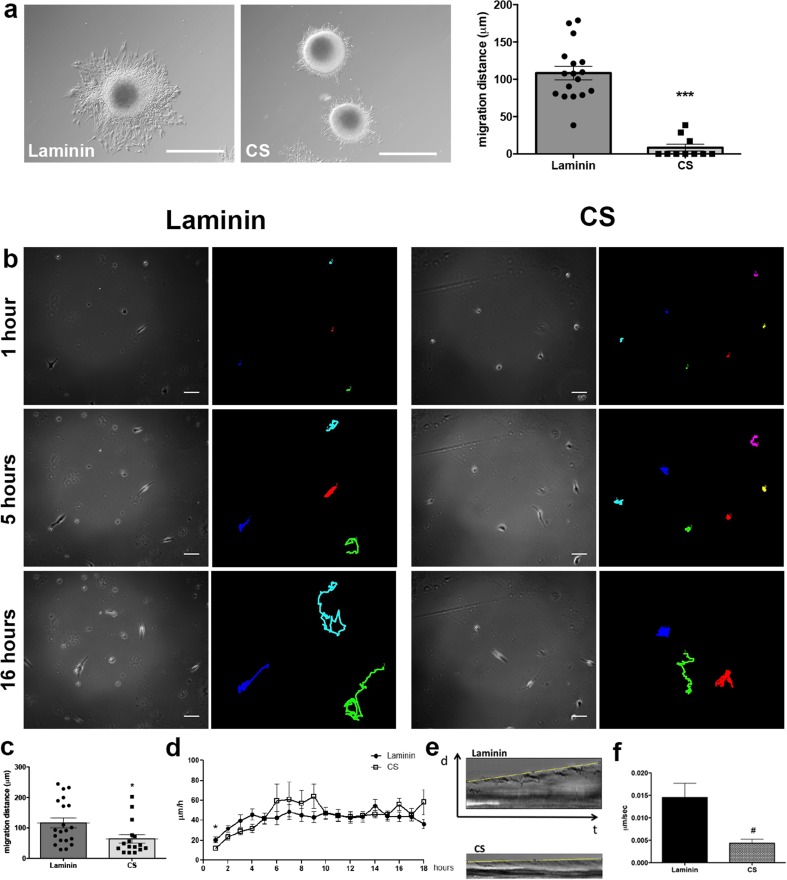
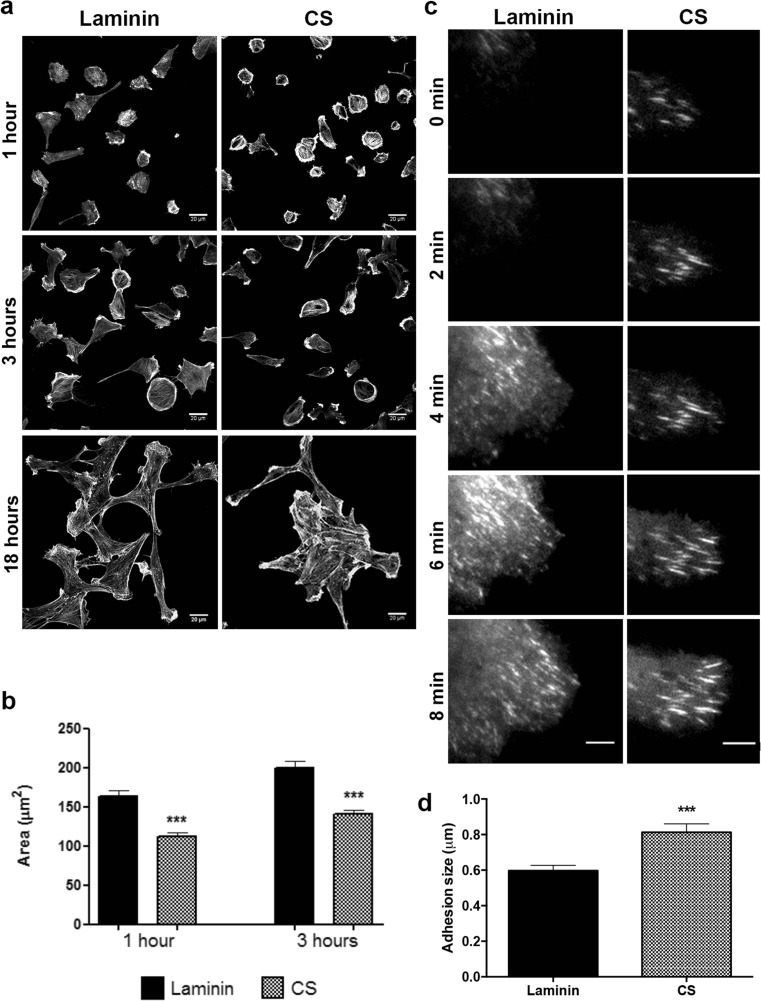
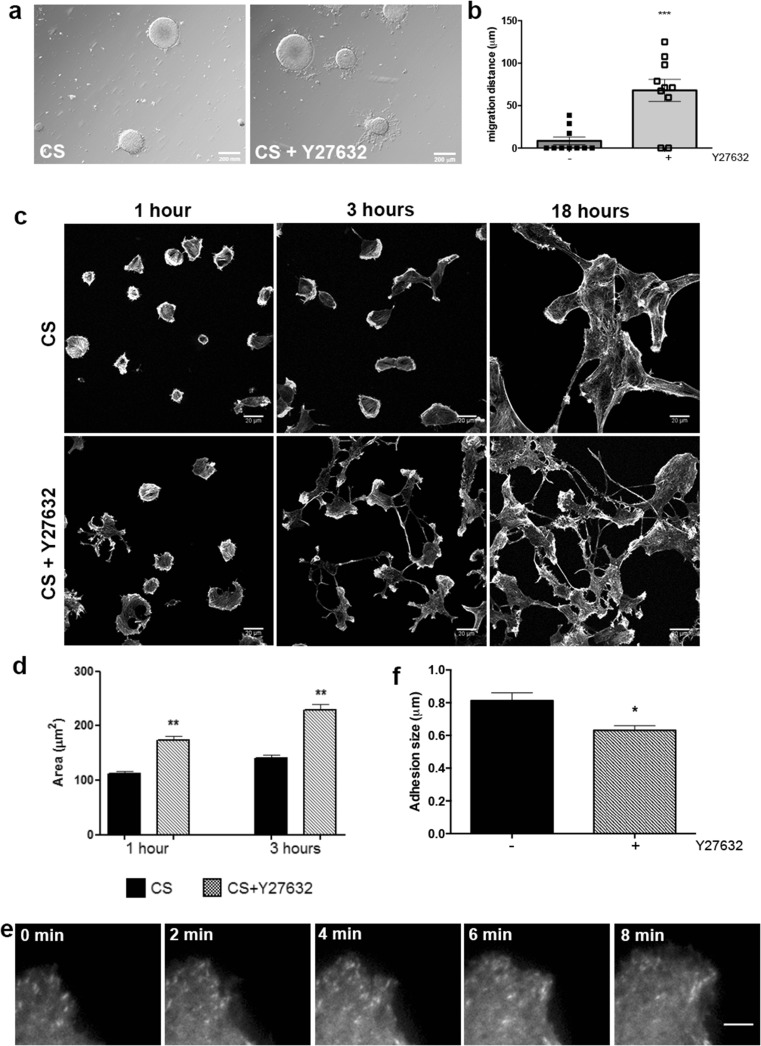
Brain injuries such as trauma and stroke lead to glial scar formation by reactive astrocytes which produce and secret axonal outgrowth inhibitors. Chondroitin sulfate proteoglycans (CSPG) constitute a well-known class of extracellular matrix molecules produced at the glial scar and cause growth cone collapse. The CSPG glycosaminoglycan side chains composed of chondroitin sulfate (CS) are responsible for its inhibitory activity on neurite outgrowth and are dependent on RhoA activation. Here, we hypothesize that CSPG also impairs neural stem cell migration inhibiting their penetration into an injury site. We show that DCX+ neuroblasts do not penetrate a CSPG-rich injured area probably due to Nogo receptor activation and RhoA/ROCK signaling pathway as we demonstrate in vitro with neural stem cells cultured as neurospheres and pull-down for RhoA. Furthermore, CS-impaired cell migration in vitro induced the formation of large mature adhesions and altered cell protrusion dynamics. ROCK inhibition restored migration in vitro as well as decreased adhesion size.
脑损伤,如创伤和中风,会导致反应性星形胶质细胞形成神经胶质瘢痕,从而产生和分泌轴突生长抑制剂。软骨素硫酸盐蛋白聚糖(CSPG)是一类已知的细胞外基质分子,在神经胶质瘢痕中产生,并导致生长锥崩溃。CSPG 的糖胺聚糖侧链由软骨素硫酸盐(CS)组成,负责其对轴突生长的抑制活性,并依赖于 RhoA 的激活。在这里,我们假设 CSPG 也会损害神经干细胞的迁移,阻止它们渗透到损伤部位。我们发现,DCX+ 神经母细胞不会穿透富含 CSPG 的损伤区域,可能是由于 Nogo 受体的激活和 RhoA/ROCK 信号通路,因为我们在体外培养的神经球和 RhoA 下拉实验中证明了这一点。此外,CS 体外抑制细胞迁移会导致大的成熟黏附物的形成,并改变细胞突起的动力学。ROCK 抑制在体外恢复了迁移,并减少了黏附物的大小。