Cerboni Silvia, Jeremiah Nadia, Gentili Matteo, Gehrmann Ulf, Conrad Cécile, Stolzenberg Marie-Claude, Picard Capucine, Neven Bénédicte, Fischer Alain, Amigorena Sébastian, Rieux-Laucat Frédéric, Manel Nicolas
Immunity and Cancer Department, Institut Curie, PSL Research University, Institut National de la Santé et de la Recherche Médicale U932, 75005 Paris, France.
Laboratory of Immunogenetics of Pediatric Autoimmune Diseases, Institut National de la Santé et de la Recherche Médicale UMR 1163, Paris Descartes-Sorbonne Paris Cité University, Imagine Institute, 75015 Paris, France.
J Exp Med. 2017 Jun 5;214(6):1769-1785. doi: 10.1084/jem.20161674. Epub 2017 May 8.
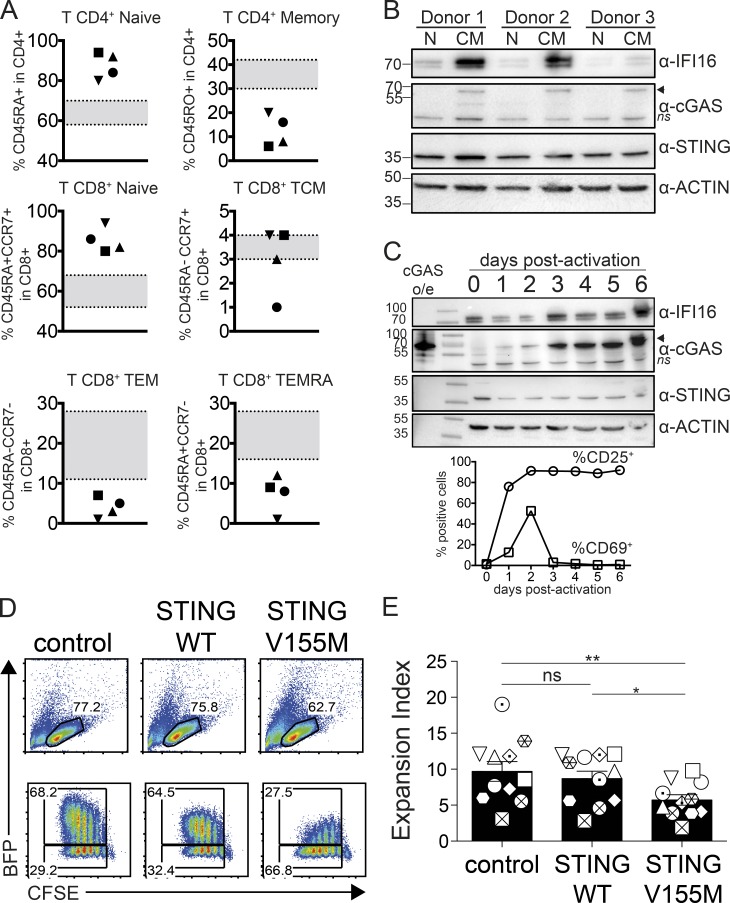
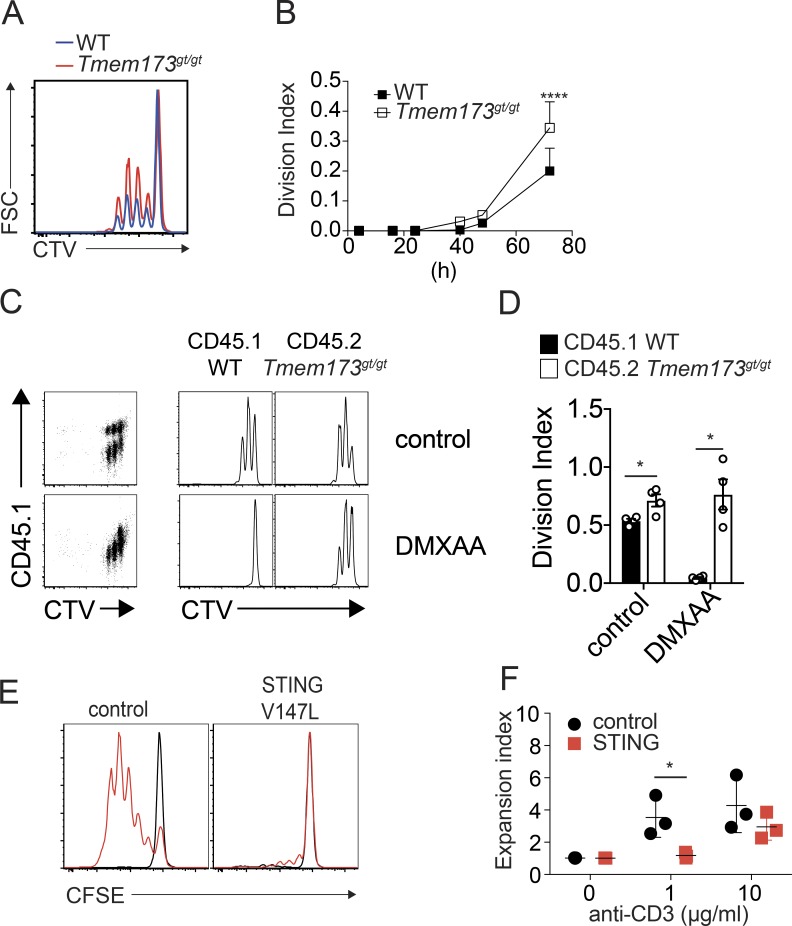
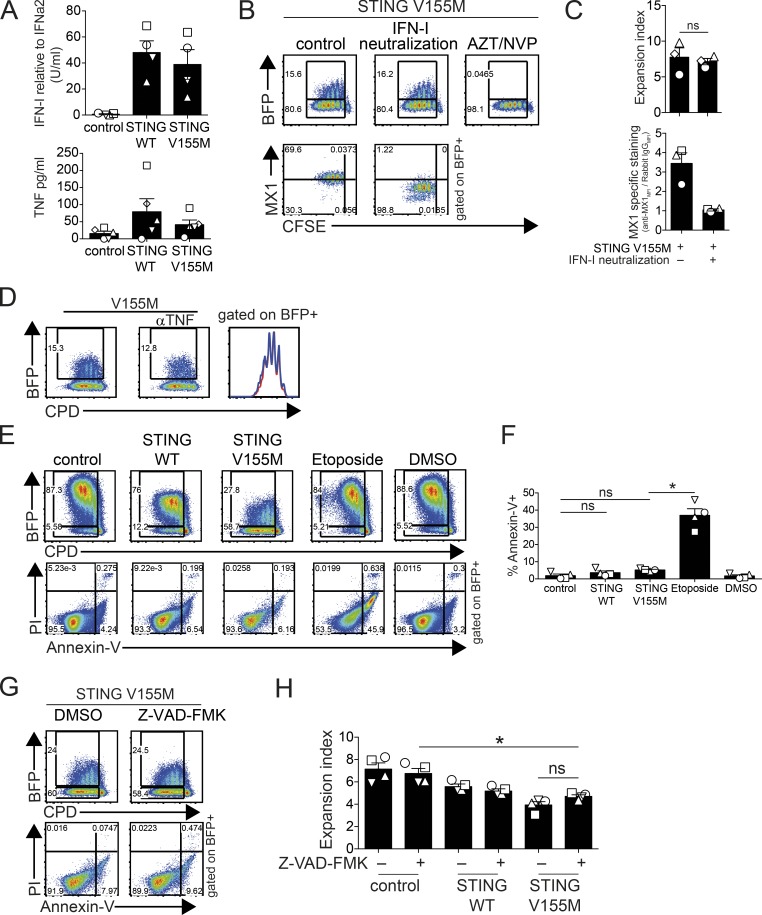
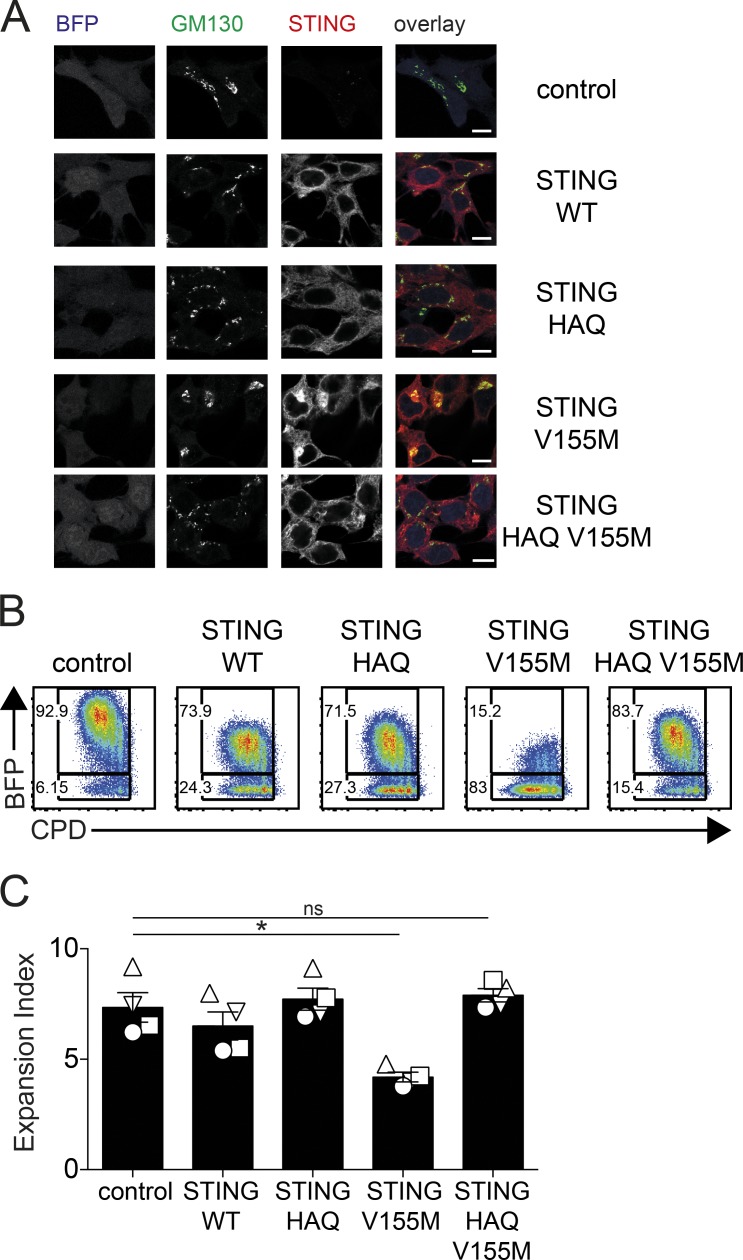
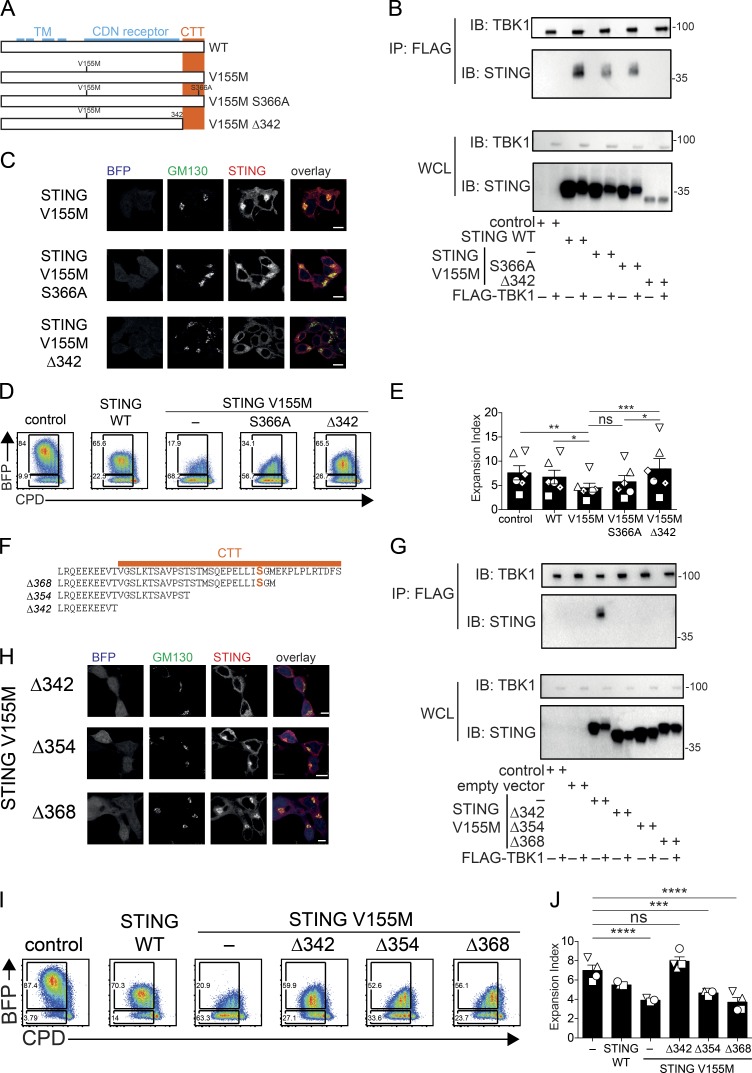
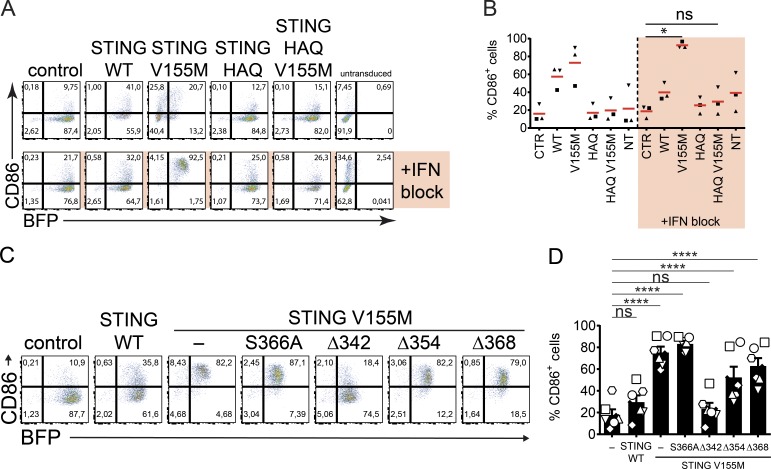
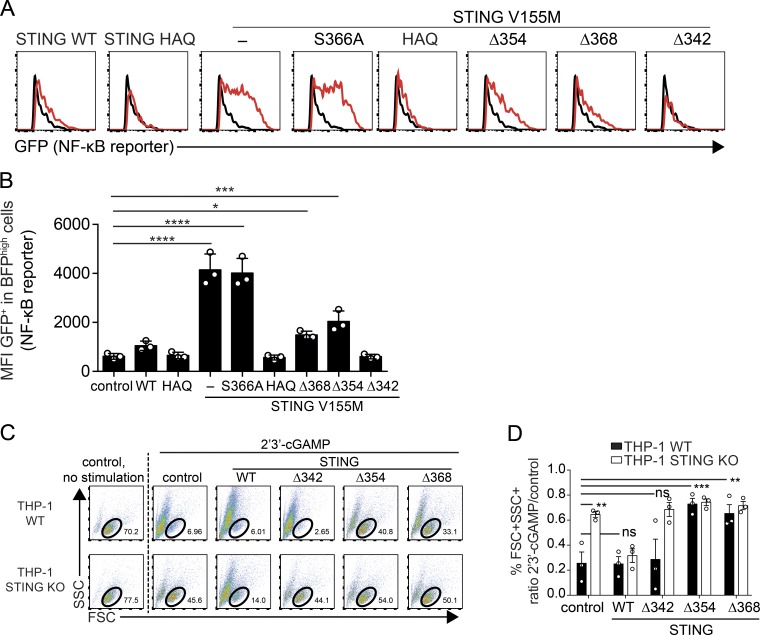
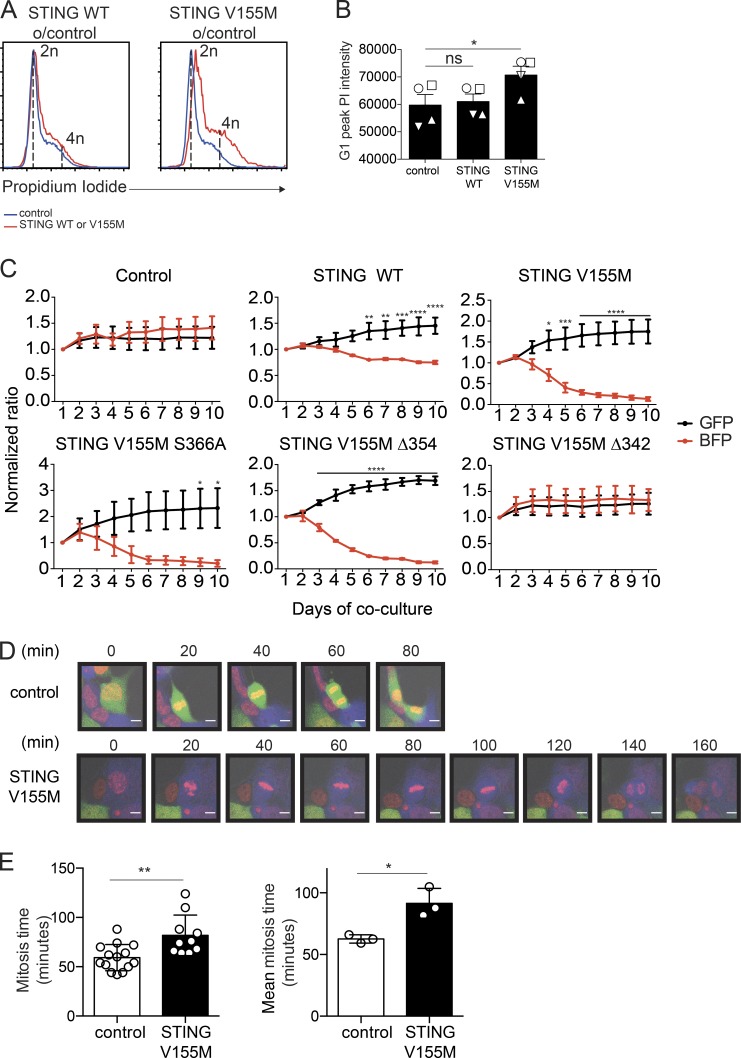
Activation of the cyclic dinucleotide sensor stimulator of interferon (IFN) genes (STING) is critical for IFN and inflammatory gene expression during innate immune responses. However, the role of STING in adaptive immunity is still unknown. In this study, we show that STING activation reduces the proliferation of T lymphocytes. This activity was independent of TBK1 and IRF3 recruitment and of type I IFN but required a distinct C-terminal domain of STING that activates NF-κB. Inhibition of cell proliferation by STING required its relocalization to the Golgi apparatus and caused mitotic errors. T lymphocytes from patients carrying constitutive active mutations in encoding STING showed impaired proliferation and reduced numbers of memory cells. Endogenous STING inhibited proliferation of mouse T lymphocytes. Therefore, STING, a critical innate sensor, also functions intrinsically in cells of the adaptive immune system to inhibit proliferation.
环二核苷酸传感器干扰素(IFN)基因刺激物(STING)的激活对于先天免疫反应期间的IFN和炎症基因表达至关重要。然而,STING在适应性免疫中的作用仍然未知。在本研究中,我们表明STING激活会降低T淋巴细胞的增殖。这种活性独立于TBK1和IRF3募集以及I型IFN,但需要STING的一个独特的C末端结构域来激活NF-κB。STING对细胞增殖的抑制需要其重新定位到高尔基体并导致有丝分裂错误。携带编码STING的组成型活性突变的患者的T淋巴细胞显示增殖受损且记忆细胞数量减少。内源性STING抑制小鼠T淋巴细胞的增殖。因此,STING作为一种关键的先天传感器,在适应性免疫系统的细胞中也具有内在功能来抑制增殖。