Cotter Katherine N, Silvia Paul J, Bertamini Marco, Palumbo Letizia, Vartanian Oshin
Department of Psychology, University of North Carolina at Greensboro, NC, USA.
University of Liverpool, UK.
Iperception. 2017 Apr 3;8(2):2041669517693023. doi: 10.1177/2041669517693023. eCollection 2017 Mar-Apr.
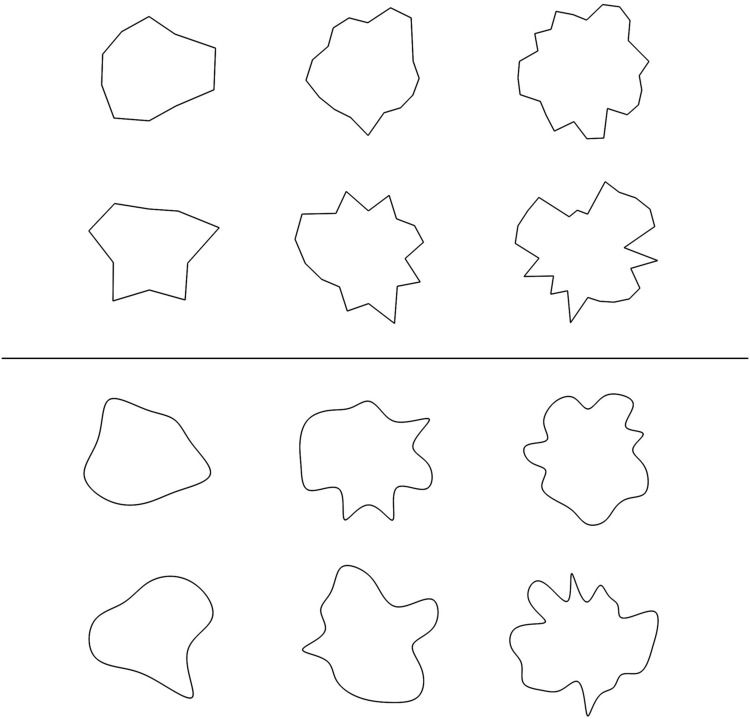
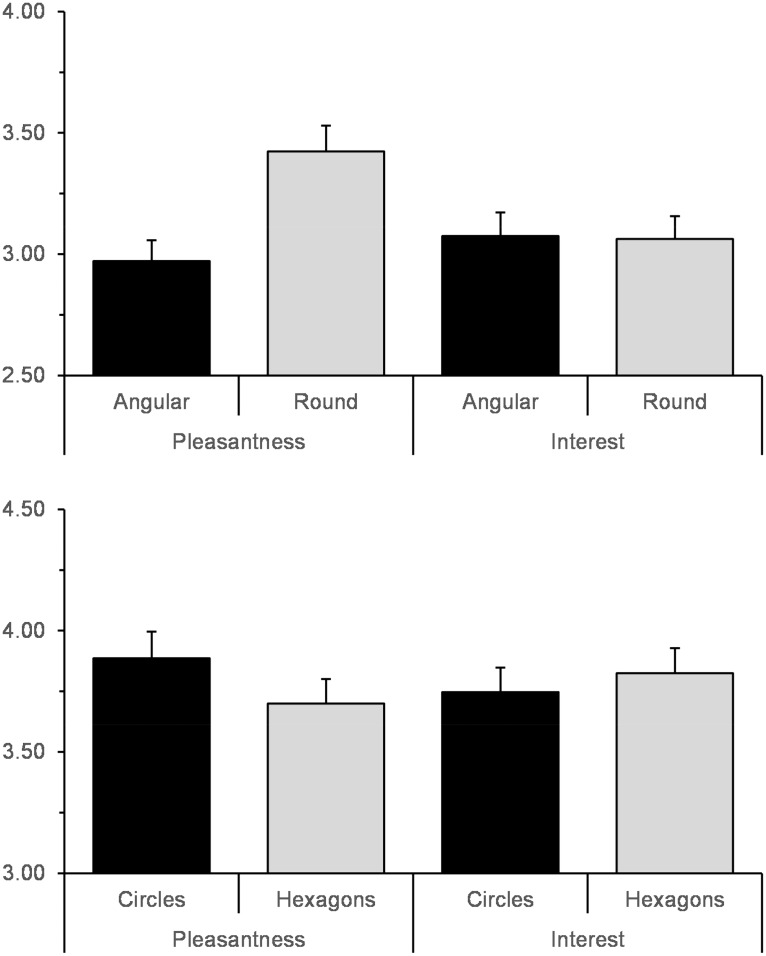
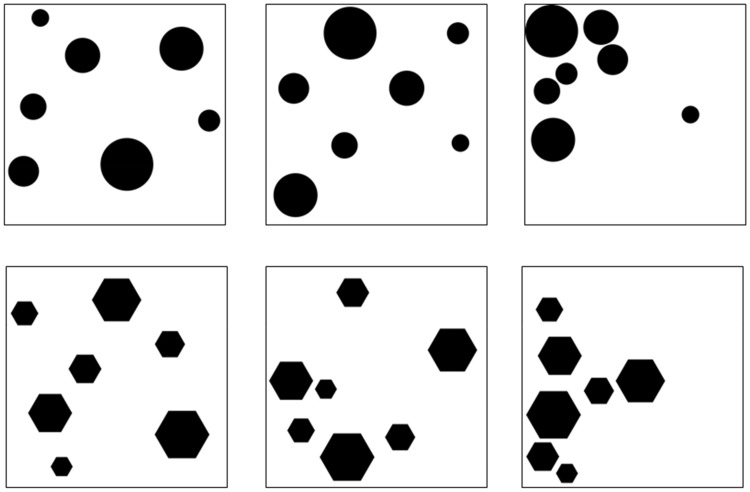
A preference for smooth curvature, as opposed to angularity, is a well-established finding for lines, two-dimensional shapes, and complex objects, but little is known about individual differences. We used two-dimensional black-and-white shapes-randomly generated irregular polygons, and arrays of circles and hexagons-and measured many individual differences, including artistic expertise, personality, and cognitive style. As expected, people preferred curved over angular stimuli, and people's degree of curvature preference correlated across the two sets of shapes. Multilevel models showed varying patterns of interaction between shape and individual differences. For the irregular polygons, people higher in artistic expertise or openness to experience showed a greater preference for curvature. This pattern was not evident for the arrays of circles and hexagons. We discuss the results in relation to the nature of the stimuli, and we conclude that individual differences do play a role in moderating the preference for smooth curvature.
与棱角分明相比,对平滑曲率的偏好是关于线条、二维形状和复杂物体的一个既定发现,但对于个体差异却知之甚少。我们使用二维黑白形状——随机生成的不规则多边形以及圆形和六边形阵列——并测量了许多个体差异,包括艺术专长、个性和认知风格。不出所料,人们更喜欢曲线形而非棱角形刺激,并且人们的曲率偏好程度在两组形状之间具有相关性。多层次模型显示了形状与个体差异之间不同的相互作用模式。对于不规则多边形,艺术专长较高或体验开放性较高的人对曲率表现出更大的偏好。这种模式在圆形和六边形阵列中并不明显。我们结合刺激的性质讨论了结果,并得出结论,个体差异在调节对平滑曲率的偏好方面确实发挥了作用。