Allen Institute for Brain Science, 615 Westlake Ave N, Seattle, WA 98109, Washington, USA.
Sci Rep. 2017 May 12;7(1):1843. doi: 10.1038/s41598-017-01830-0.
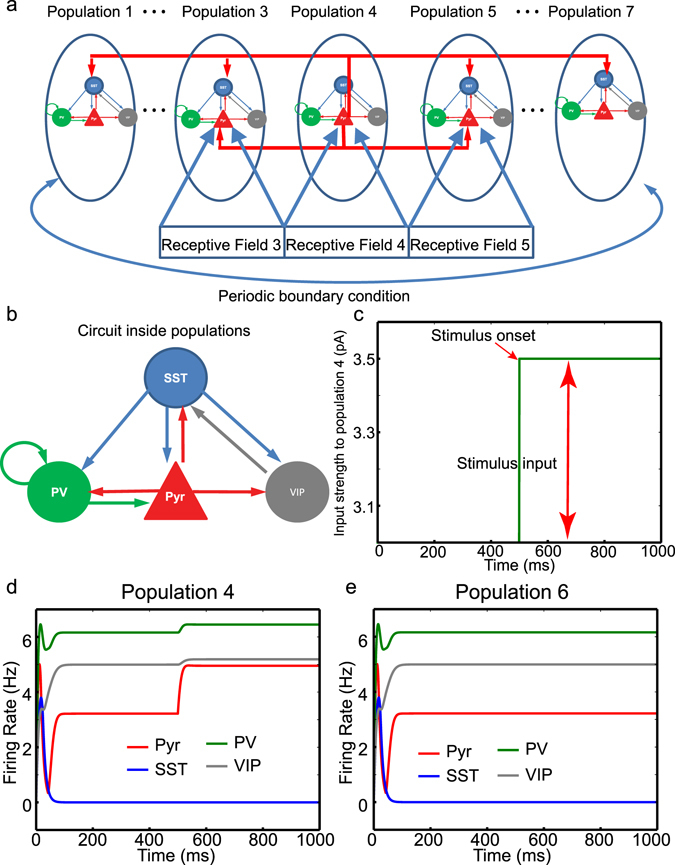
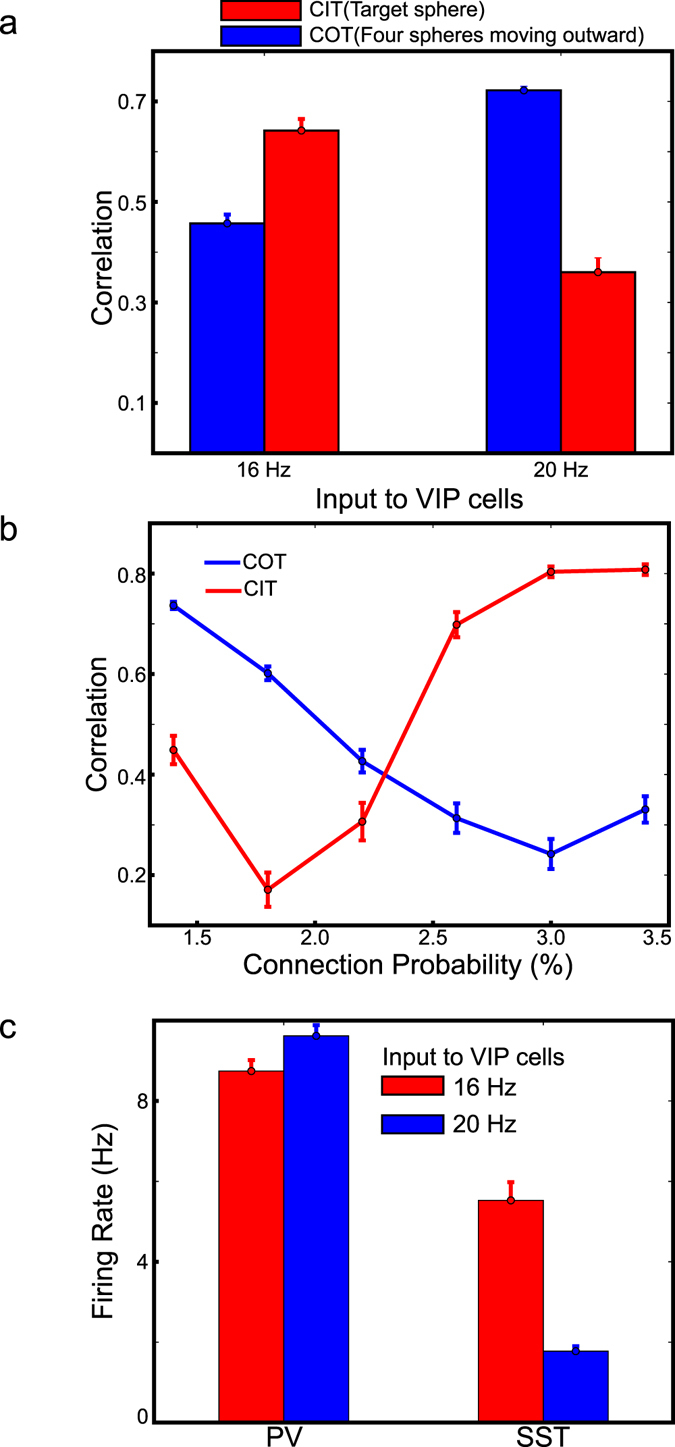
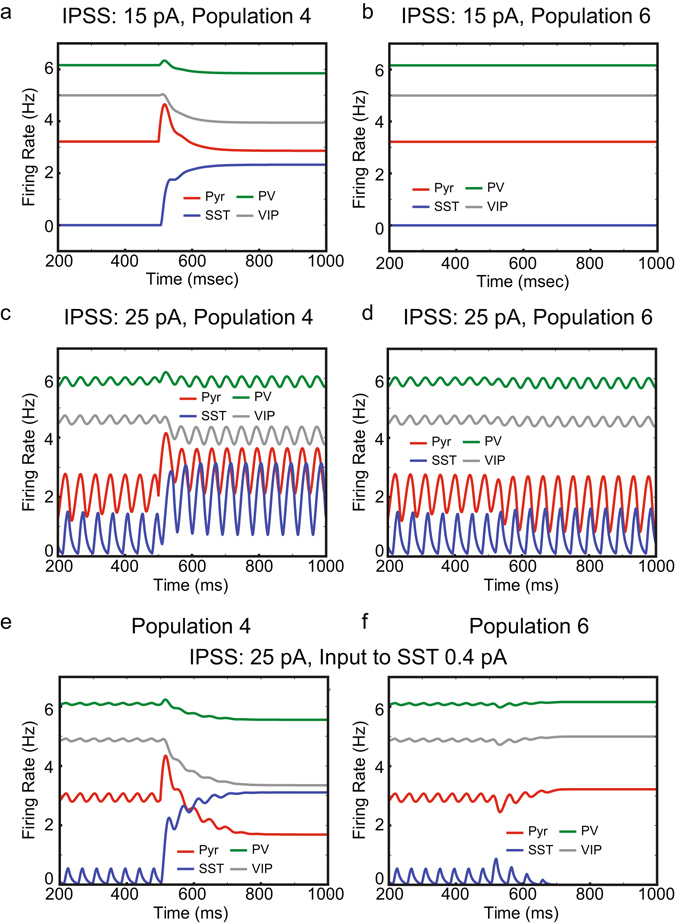
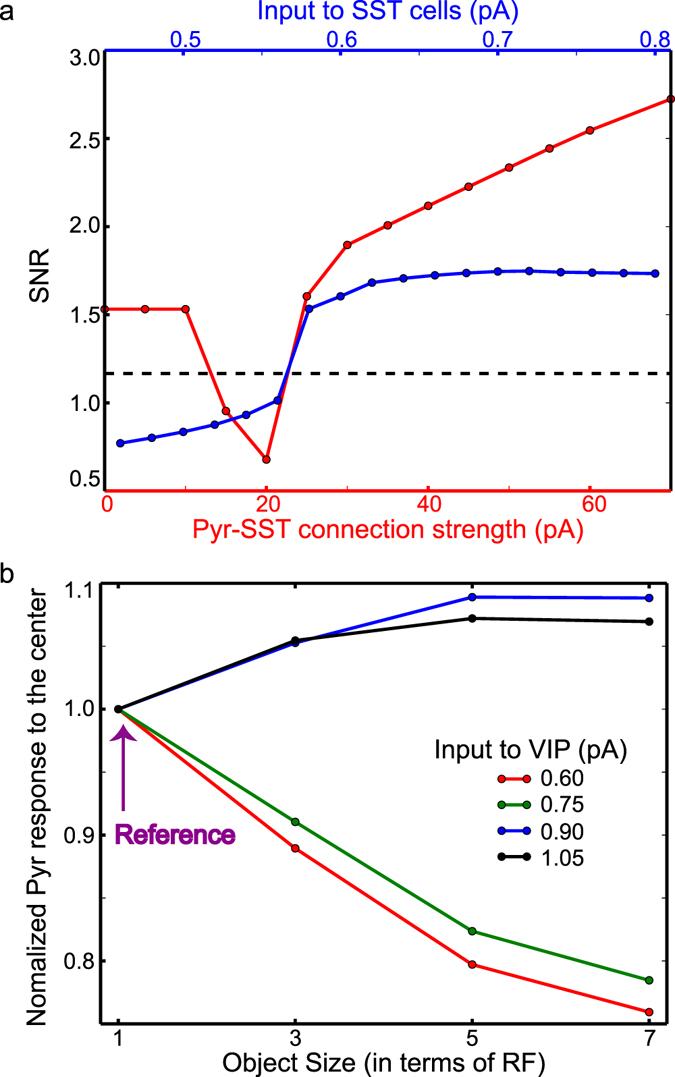
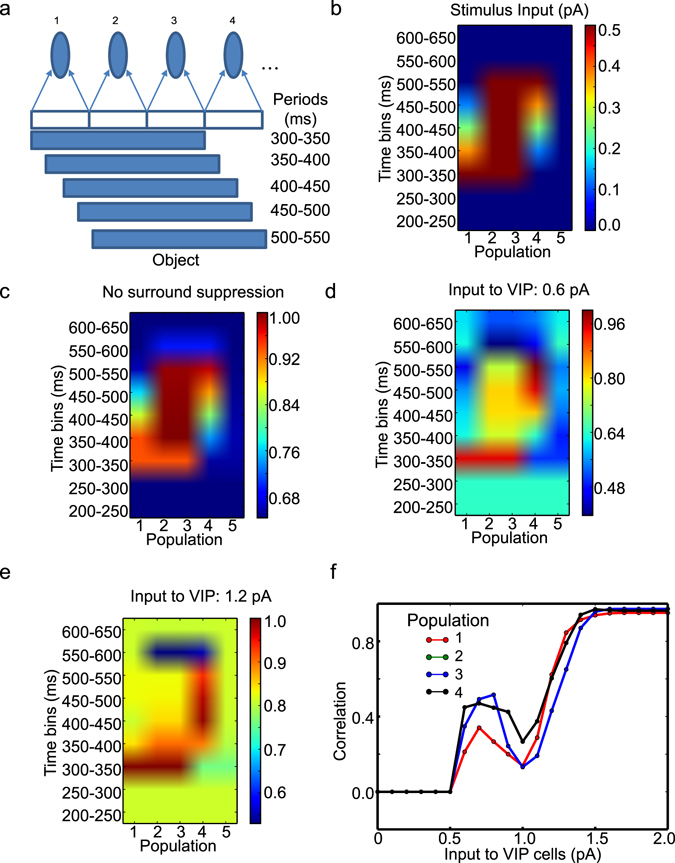
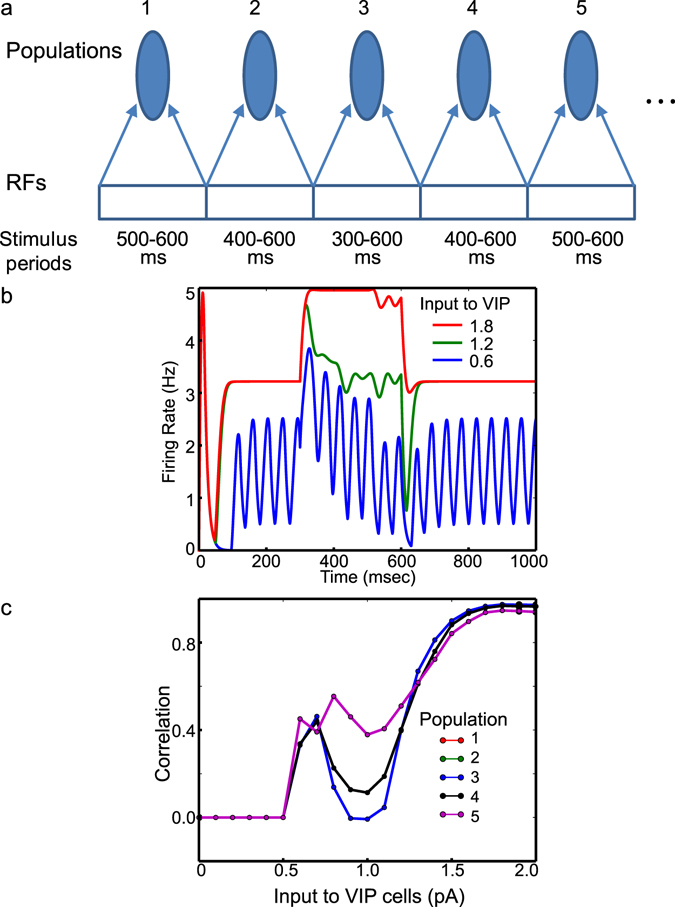
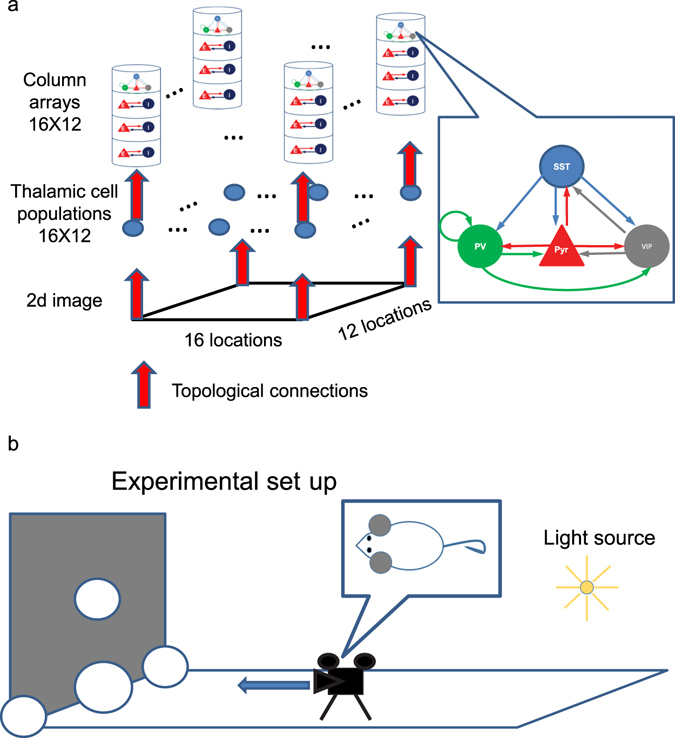
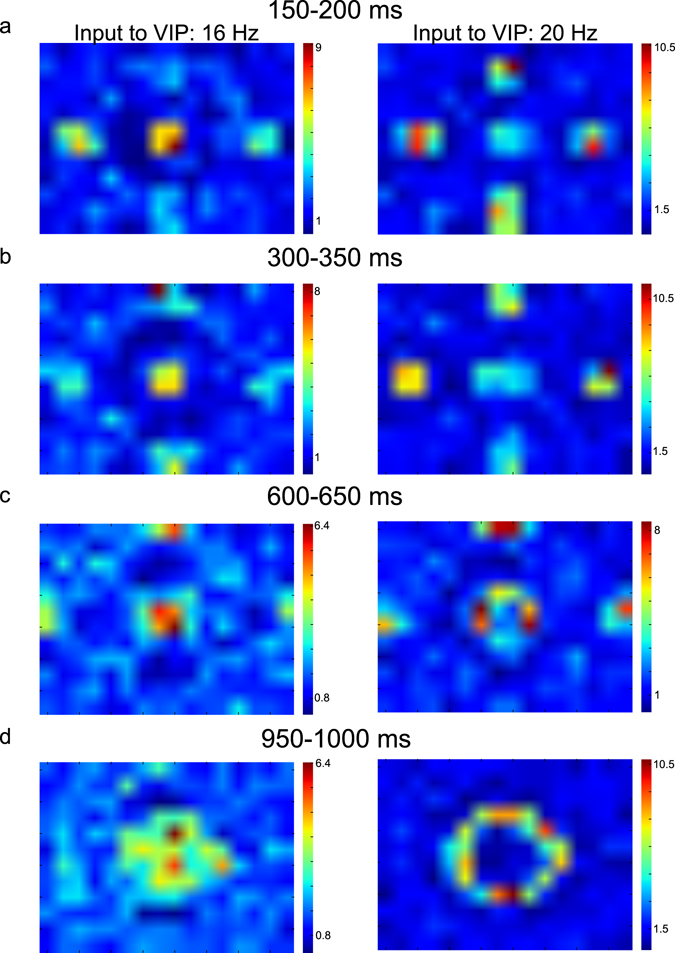
The responses of neurons in mouse primary visual cortex (V1) to visual stimuli depend on behavioral states. Specifically, surround suppression is reduced during locomotion. Although locomotion-induced vasoactive intestinal polypeptide positive (VIP) interneuron depolarization can account for the reduction of surround suppression, the functions of VIP cell depolarization are not fully understood. Here we utilize a firing rate model and a computational model to elucidate the potential functions of VIP cell depolarization during locomotion. Our analyses suggest 1) that surround suppression sharpens the visual responses in V1 to a stationary scene, 2) that depolarized VIP cells enhance V1 responses to moving objects by reducing self-induced surround suppression and 3) that during locomotion V1 neuron responses to some features of the moving objects can be selectively enhanced. Thus, VIP cells regulate surround suppression to allow pyramidal neurons to optimally encode visual information independent of behavioral state.
小鼠初级视觉皮层(V1)神经元对视觉刺激的反应取决于行为状态。具体来说,在运动时,周围抑制会减弱。虽然运动诱导的血管活性肠肽阳性(VIP)中间神经元去极化可以解释周围抑制的减少,但 VIP 细胞去极化的功能尚未完全理解。在这里,我们利用放电率模型和计算模型来阐明运动时 VIP 细胞去极化的潜在功能。我们的分析表明:1)周围抑制使 V1 对静止场景的视觉反应更加敏锐;2)去极化的 VIP 细胞通过减少自诱导的周围抑制来增强 V1 对移动物体的反应;3)在运动过程中,V1 神经元对移动物体某些特征的反应可以被选择性增强。因此,VIP 细胞调节周围抑制,使锥体神经元能够在不依赖行为状态的情况下最佳地编码视觉信息。