Liu Xin, Zhang Yuannyu, Ni Min, Cao Hui, Signer Robert A J, Li Dan, Li Mushan, Gu Zhimin, Hu Zeping, Dickerson Kathryn E, Weinberg Samuel E, Chandel Navdeep S, DeBerardinis Ralph J, Zhou Feng, Shao Zhen, Xu Jian
Children's Medical Center Research Institute, Department of Pediatrics, University of Texas Southwestern Medical Center, Dallas, Texas 75390, USA.
Key Laboratory of Computational Biology, Collaborative Innovation Center for Genetics and Developmental Biology, CAS-MPG Partner Institute for Computational Biology, Shanghai Institutes for Biological Sciences, Chinese Academy of Sciences, Shanghai 200031, China.
Nat Cell Biol. 2017 Jun;19(6):626-638. doi: 10.1038/ncb3527. Epub 2017 May 15.
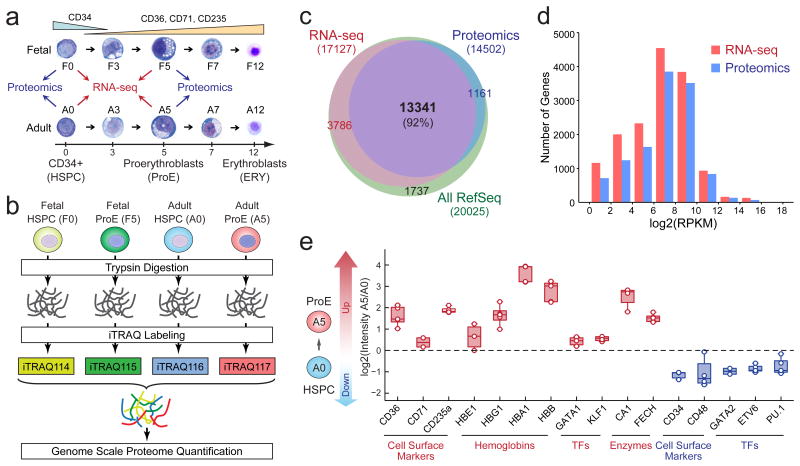
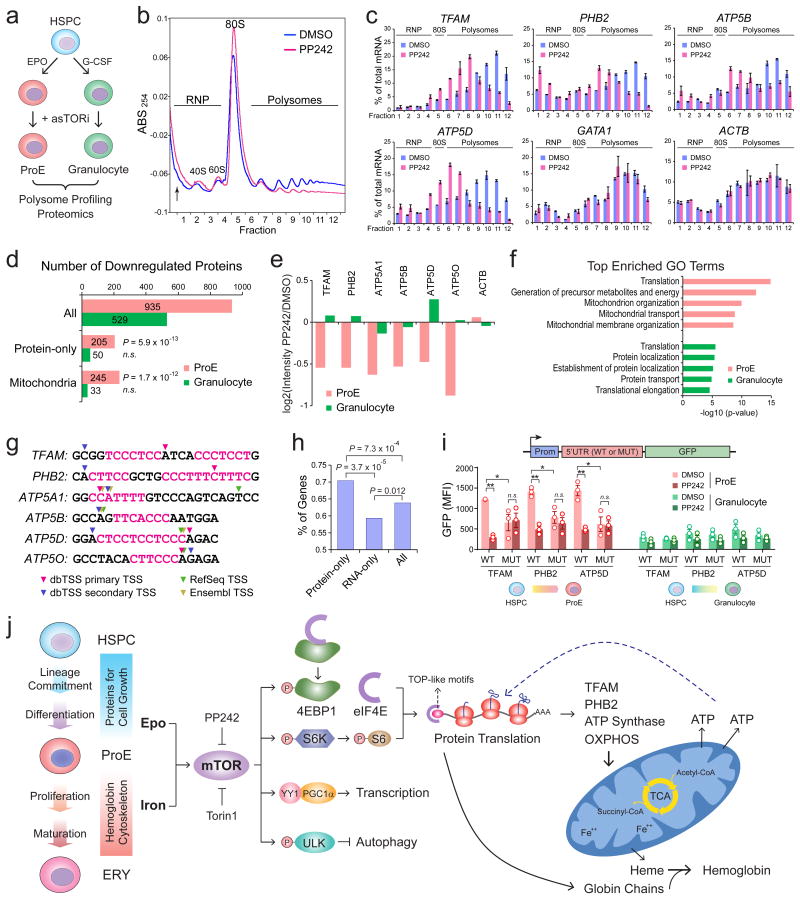
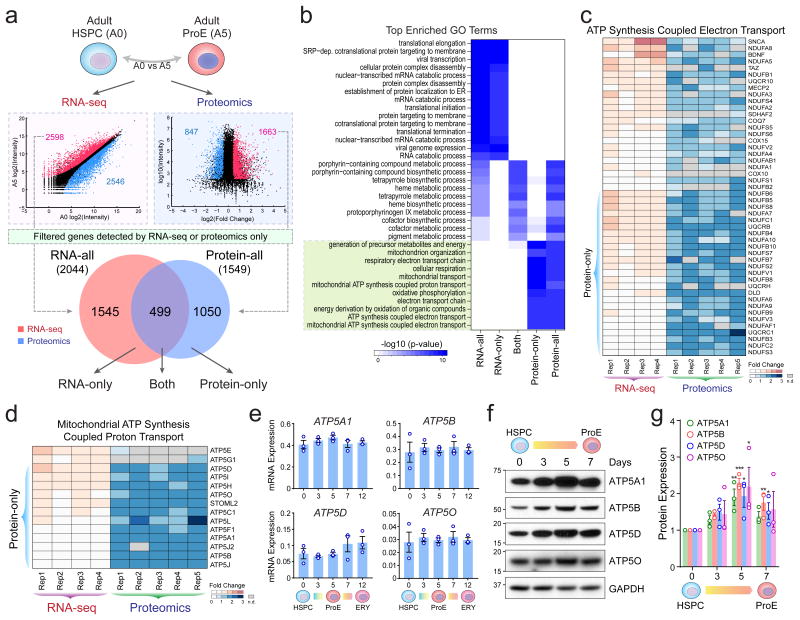
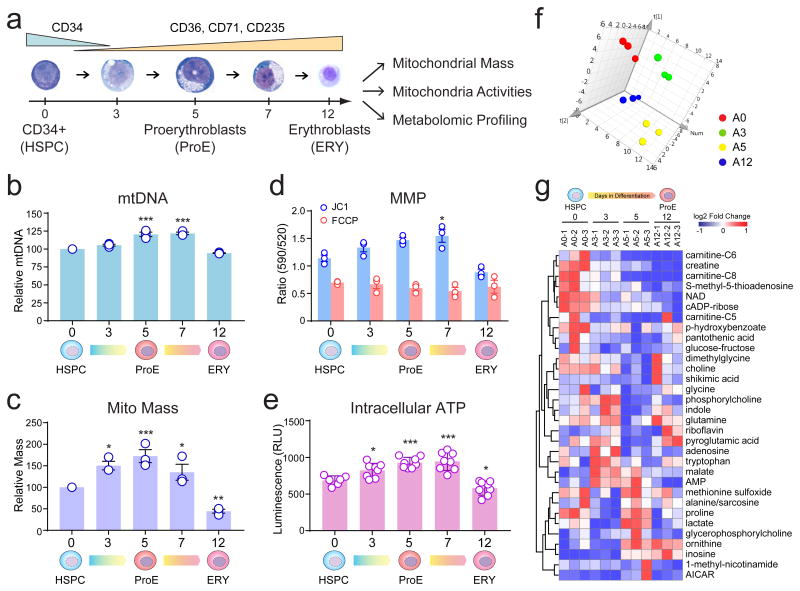
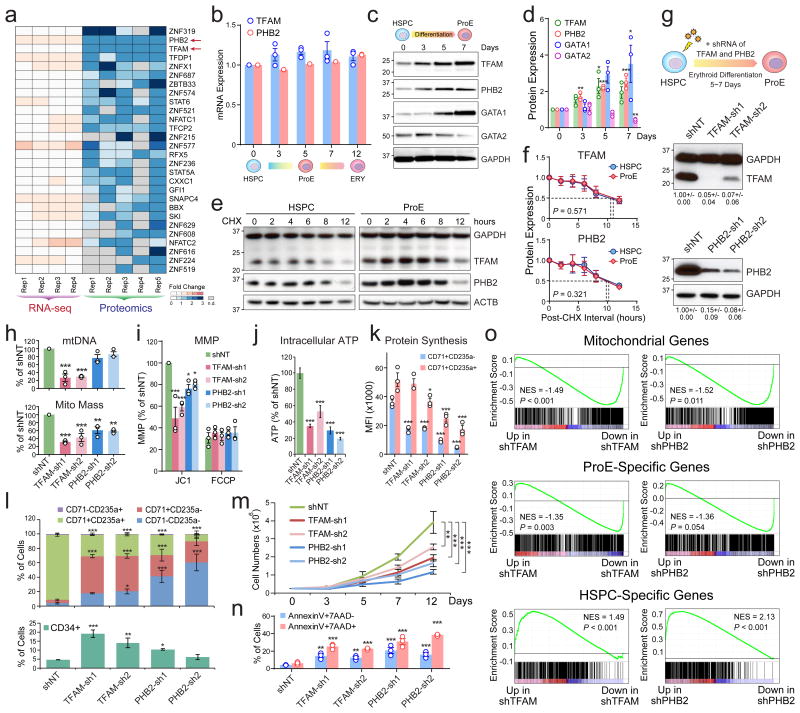
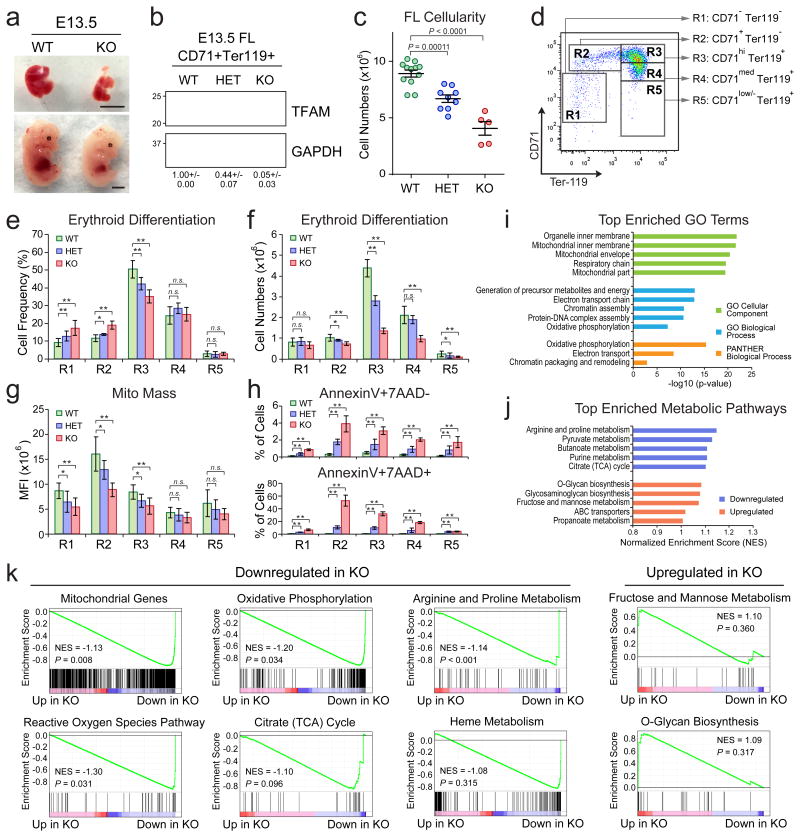
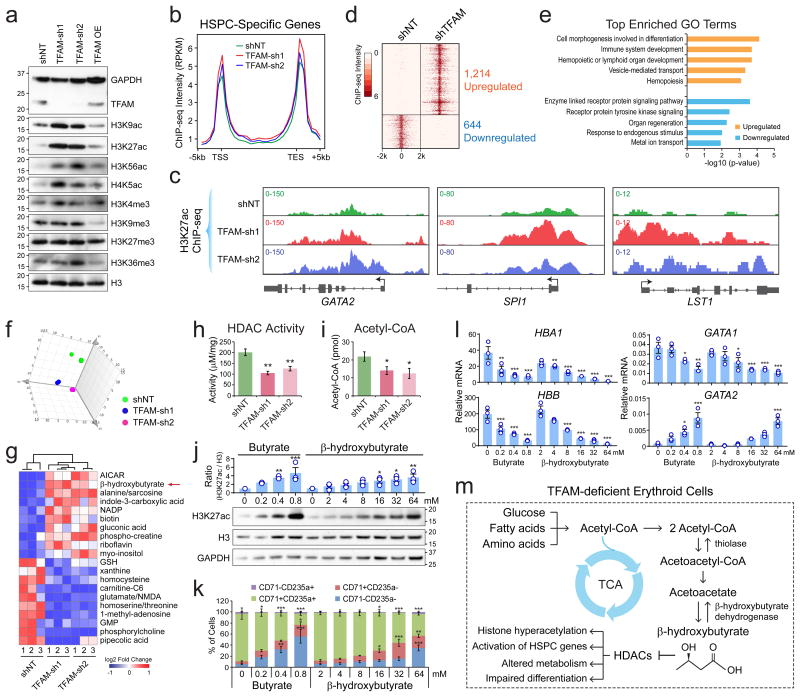
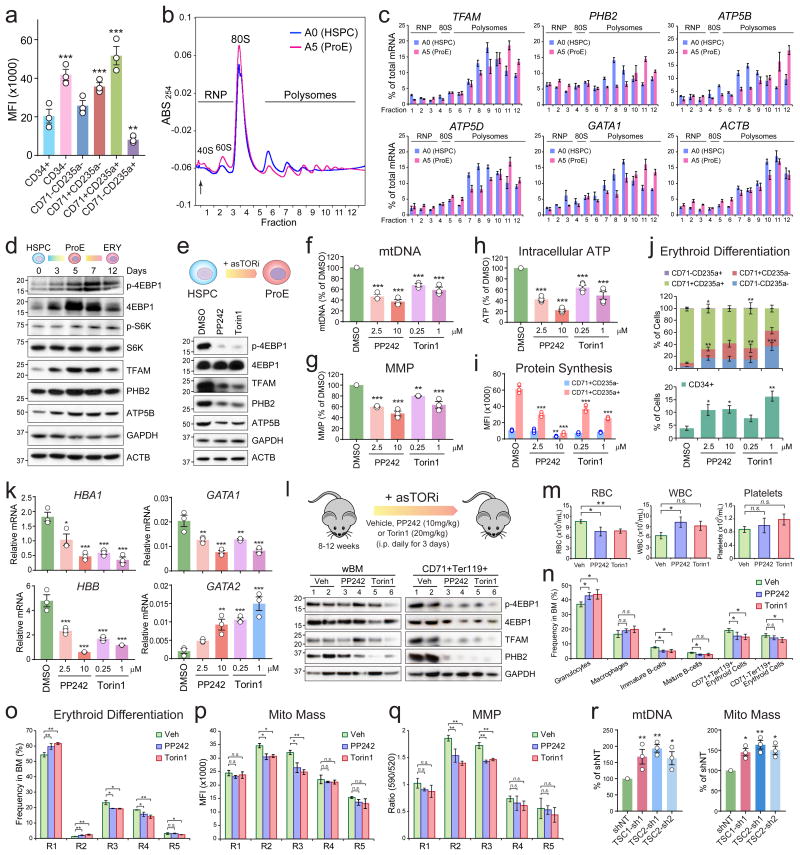
Advances in genomic profiling present new challenges of explaining how changes in DNA and RNA are translated into proteins linking genotype to phenotype. Here we compare the genome-scale proteomic and transcriptomic changes in human primary haematopoietic stem/progenitor cells and erythroid progenitors, and uncover pathways related to mitochondrial biogenesis enhanced through post-transcriptional regulation. Mitochondrial factors including TFAM and PHB2 are selectively regulated through protein translation during erythroid specification. Depletion of TFAM in erythroid cells alters intracellular metabolism, leading to elevated histone acetylation, deregulated gene expression, and defective mitochondria and erythropoiesis. Mechanistically, mTORC1 signalling is enhanced to promote translation of mitochondria-associated transcripts through TOP-like motifs. Genetic and pharmacological perturbation of mitochondria or mTORC1 specifically impairs erythropoiesis in vitro and in vivo. Our studies support a mechanism for post-transcriptional control of erythroid mitochondria and may have direct relevance to haematologic defects associated with mitochondrial diseases and ageing.
基因组分析的进展带来了新的挑战,即解释DNA和RNA的变化如何转化为将基因型与表型联系起来的蛋白质。在这里,我们比较了人类原代造血干细胞/祖细胞和红系祖细胞中基因组规模的蛋白质组和转录组变化,并发现了通过转录后调控增强的与线粒体生物发生相关的途径。在红系分化过程中,包括线粒体转录因子A(TFAM)和线粒体外膜蛋白2(PHB2)在内的线粒体因子通过蛋白质翻译受到选择性调控。红系细胞中TFAM的缺失会改变细胞内代谢,导致组蛋白乙酰化升高、基因表达失调以及线粒体和红细胞生成缺陷。从机制上讲,雷帕霉素靶蛋白复合体1(mTORC1)信号增强,通过类似TOP的基序促进线粒体相关转录本的翻译。线粒体或mTORC1的基因和药物干扰会特异性损害体外和体内的红细胞生成。我们的研究支持一种红系线粒体转录后控制机制,可能与线粒体疾病和衰老相关的血液学缺陷直接相关。