Knight Zachary A, Schmidt Sarah F, Birsoy Kivanc, Tan Keith, Friedman Jeffrey M
Laboratory of Molecular Genetics, Howard Hughes Medical Institute, The Rockefeller University, New York, United States.
Elife. 2014 Sep 8;3:e01913. doi: 10.7554/eLife.01913.
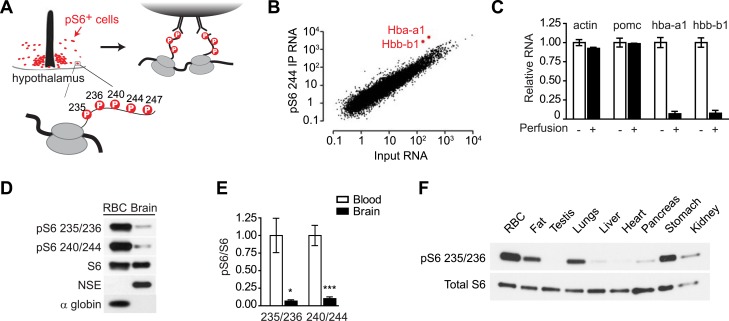
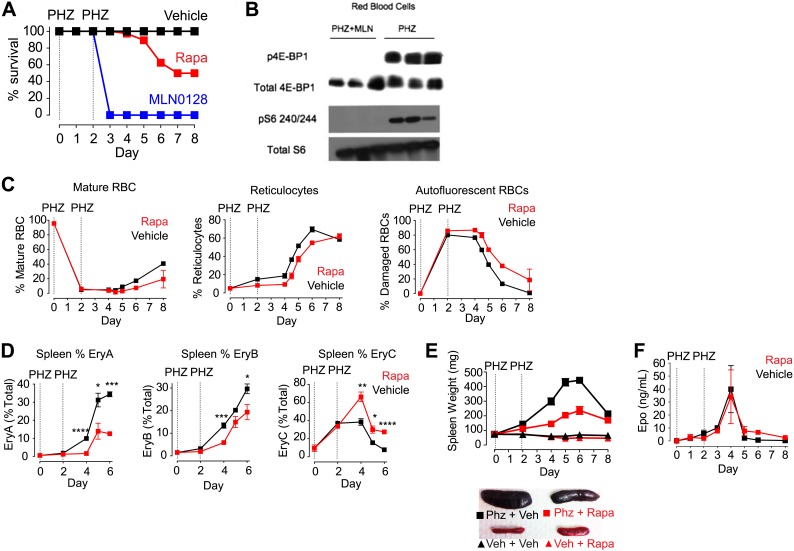
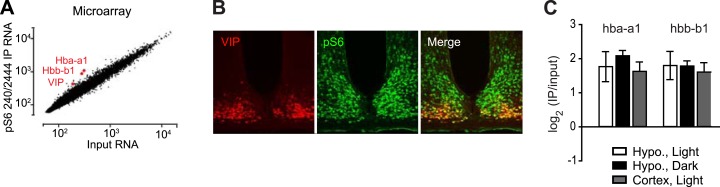
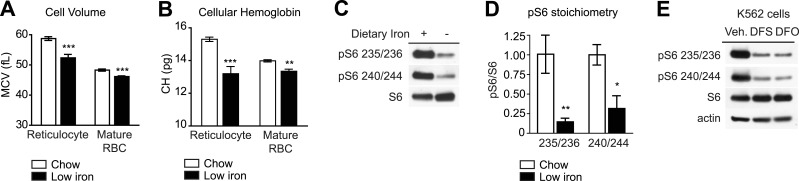
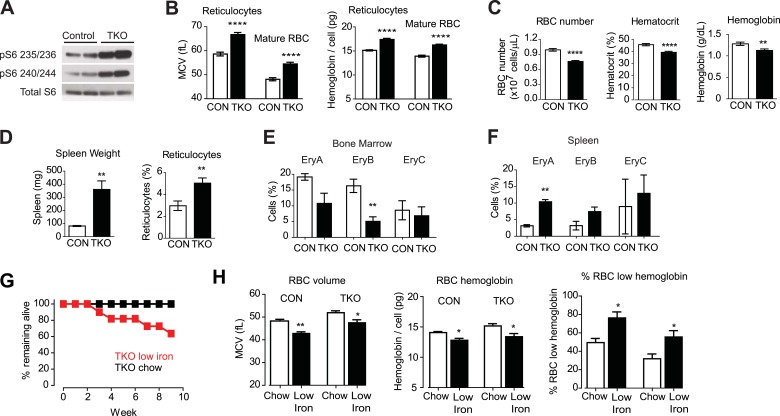
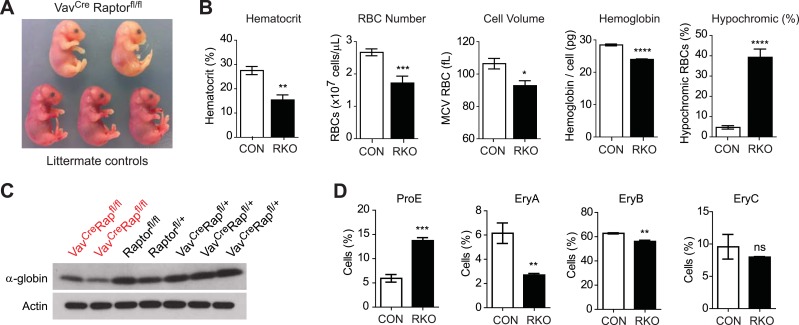
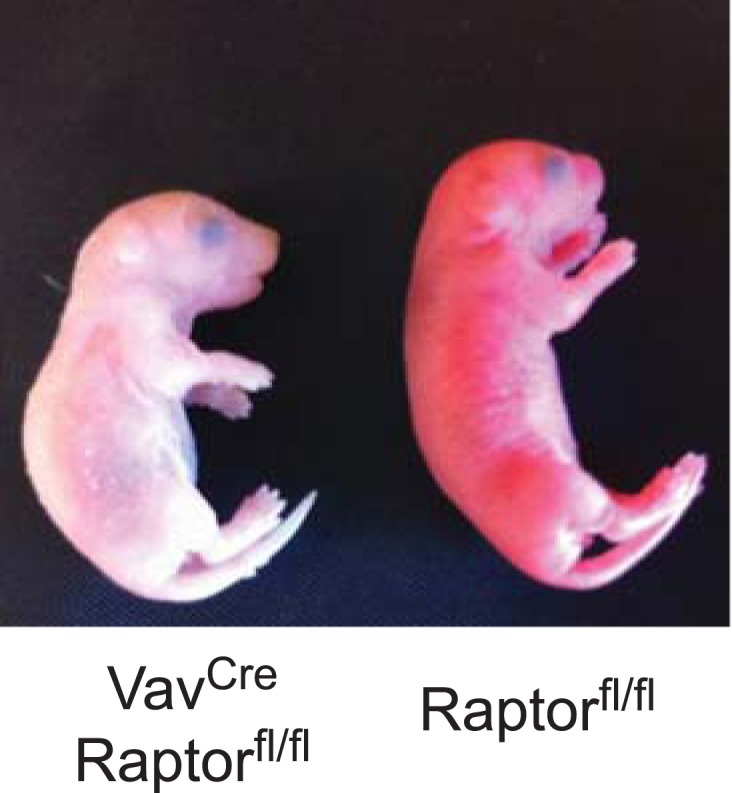
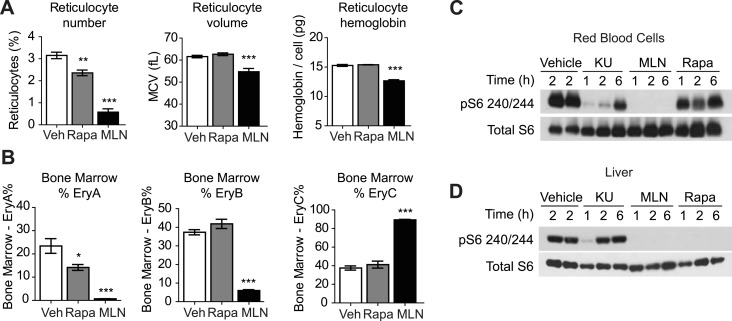
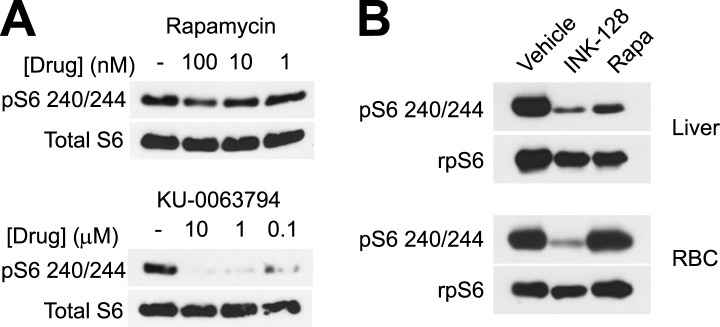
Red blood cells (RBC) must coordinate their rate of growth and proliferation with the availability of nutrients, such as iron, but the signaling mechanisms that link the nutritional state to RBC growth are incompletely understood. We performed a screen for cell types that have high levels of signaling through mTORC1, a protein kinase that couples nutrient availability to cell growth. This screen revealed that reticulocytes show high levels of phosphorylated ribosomal protein S6, a downstream target of mTORC1. We found that mTORC1 activity in RBCs is regulated by dietary iron and that genetic activation or inhibition of mTORC1 results in macrocytic or microcytic anemia, respectively. Finally, ATP competitive mTOR inhibitors reduced RBC proliferation and were lethal after treatment with phenylhydrazine, an inducer of hemolysis. These results identify the mTORC1 pathway as a critical regulator of RBC growth and proliferation and establish that perturbations in this pathway result in anemia.
红细胞(RBC)必须根据铁等营养物质的可利用性来协调其生长和增殖速率,但将营养状态与红细胞生长联系起来的信号传导机制尚未完全明确。我们针对通过mTORC1进行高水平信号传导的细胞类型进行了筛选,mTORC1是一种将营养物质可利用性与细胞生长相联系的蛋白激酶。该筛选显示,网织红细胞表现出高水平的磷酸化核糖体蛋白S6,这是mTORC1的下游靶点。我们发现,红细胞中的mTORC1活性受膳食铁的调节,并且mTORC1的基因激活或抑制分别导致大细胞性贫血或小细胞性贫血。最后,ATP竞争性mTOR抑制剂降低了红细胞增殖,在用苯肼(一种溶血诱导剂)处理后具有致死性。这些结果确定mTORC1途径是红细胞生长和增殖的关键调节因子,并证实该途径的扰动会导致贫血。