Tatsuma Tetsu, Nishi Hiroyasu, Ishida Takuya
Institute of Industrial Science , The University of Tokyo , 4-6-1 Komaba, Meguro-ku , Tokyo 153-8505 , Japan . Email:
Chem Sci. 2017 May 1;8(5):3325-3337. doi: 10.1039/c7sc00031f. Epub 2017 Feb 10.
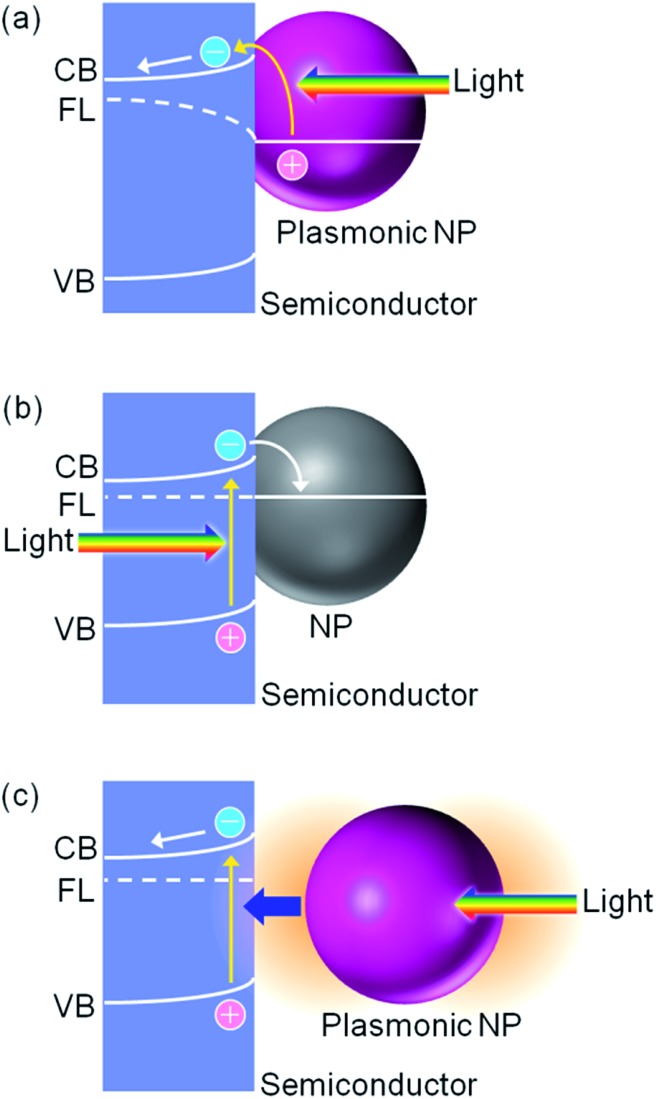
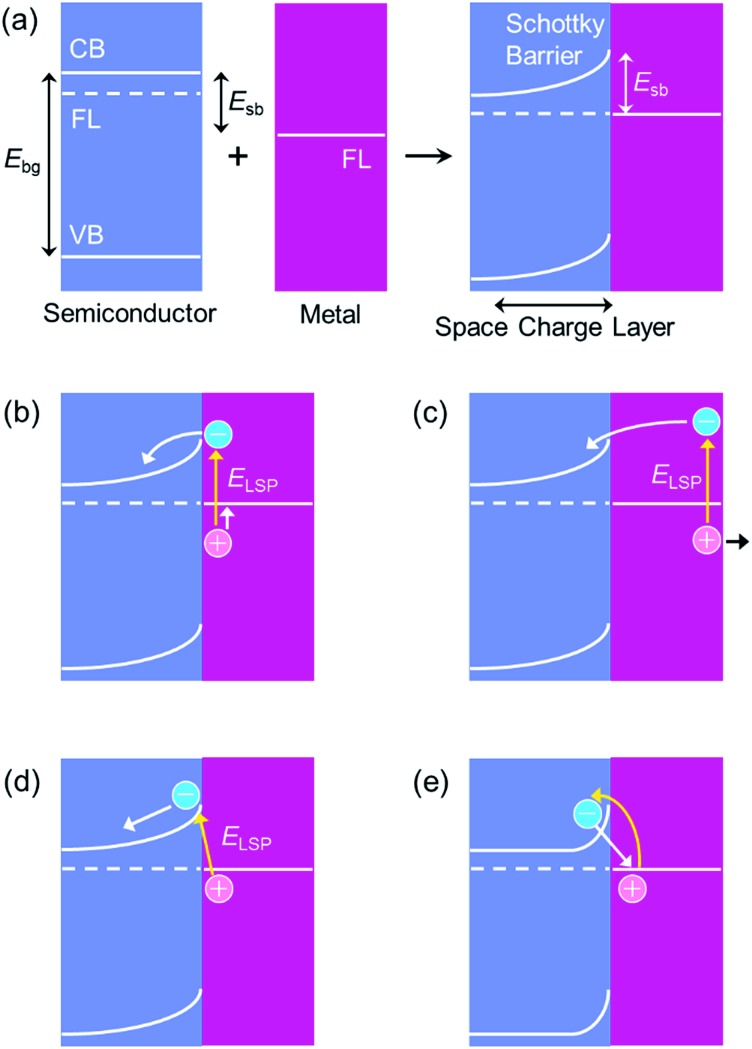
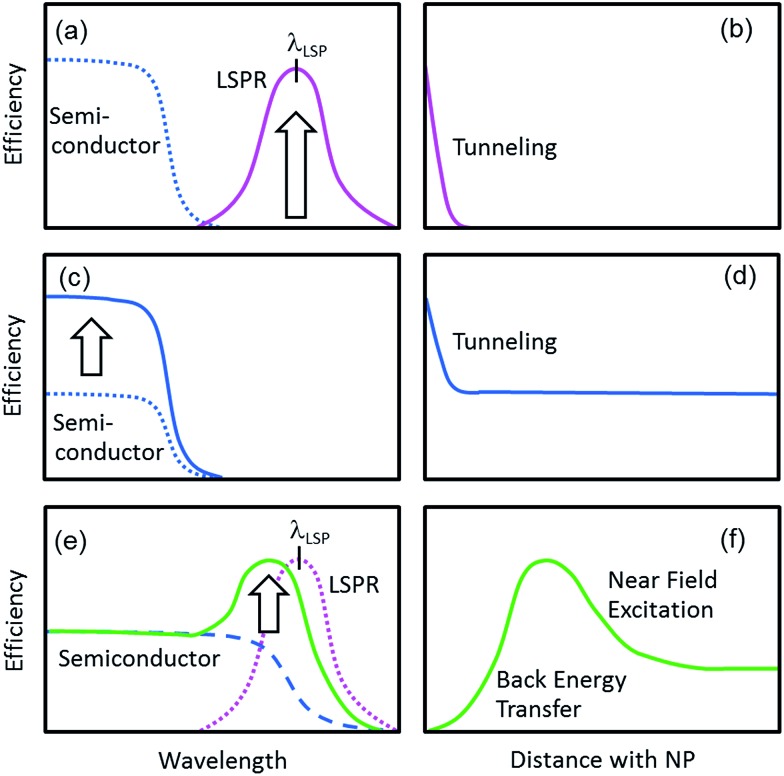
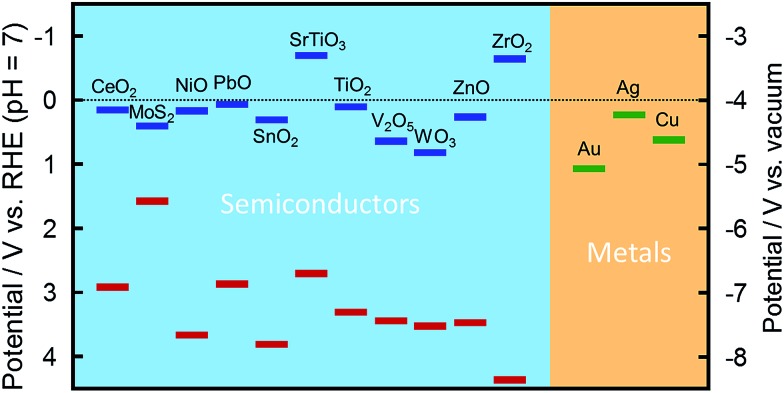
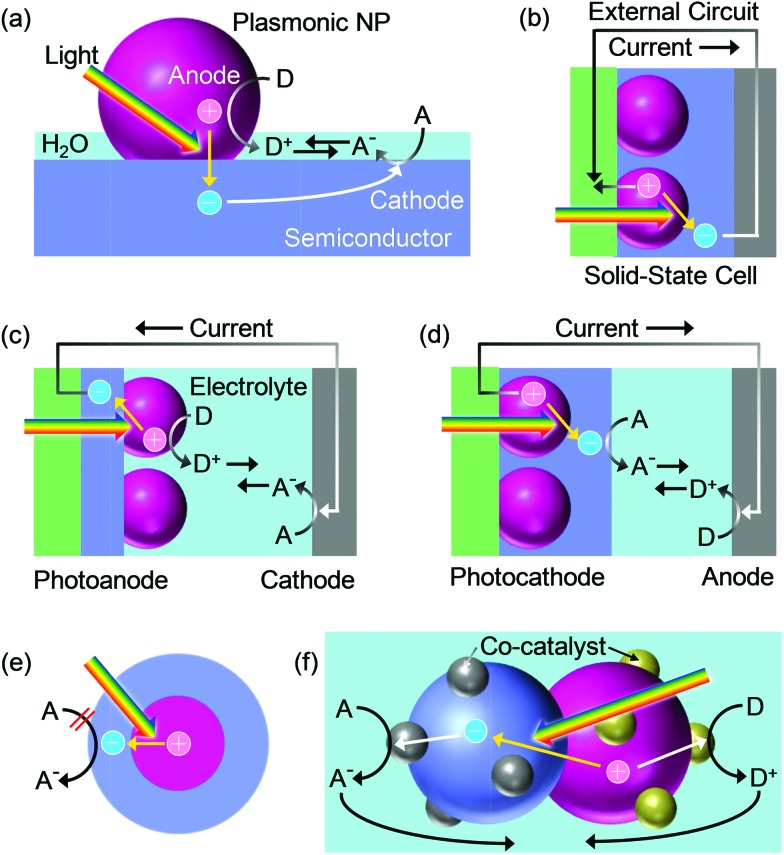
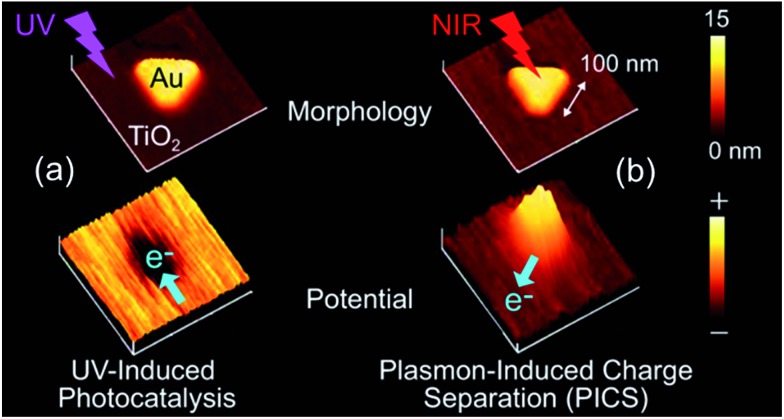
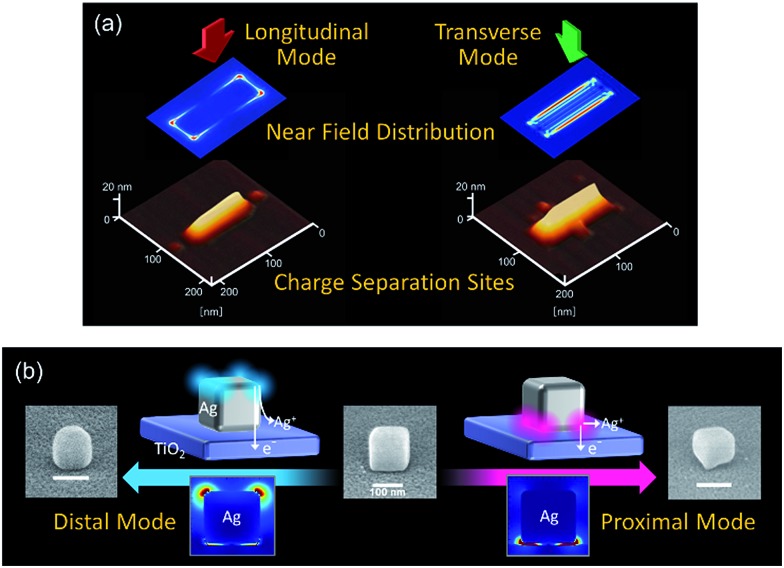
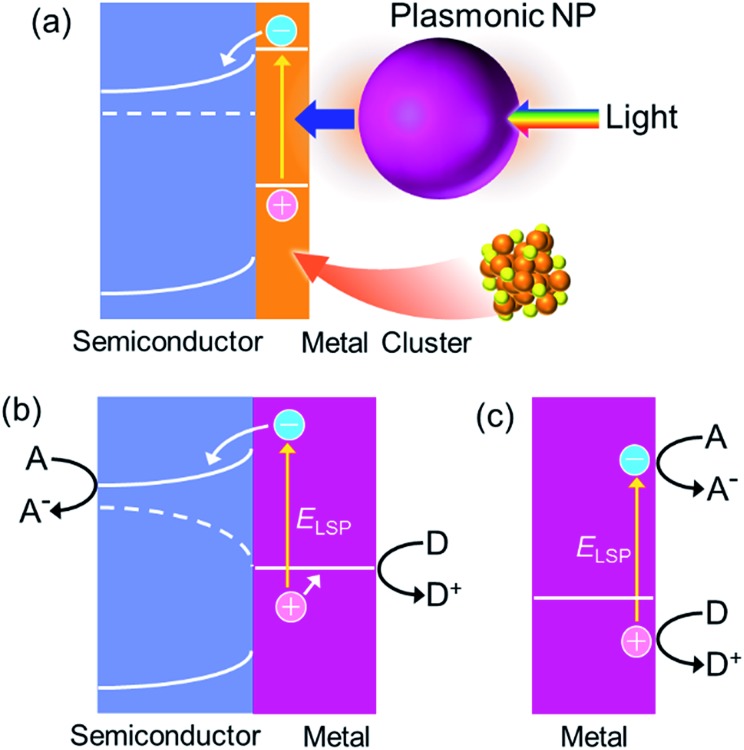
Recent development of nanoplasmonics has stimulated chemists to utilize plasmonic nanomaterials for efficient and distinctive photochemical applications, and physicists to boldly go inside the "wet" chemistry world. The discovery of plasmon-induced charge separation (PICS) has even accelerated these trends. On the other hand, some confusion is found in discussions about PICS. In this perspective, we focus on differences between PICS and some other phenomena such as co-catalysis effect and plasmonic nanoantenna effect. In addition, materials and nanostructures suitable for PICS are shown, and characteristics and features unique to PICS are documented. Although it is well known that PICS has been applied to photovoltaics and photocatalysis, here light is shed on other applications that take better advantage of PICS, such as chemical sensing and biosensing, various photochromisms, photoswitchable functionalities and nanoscale photofabrication.
纳米等离子体学的最新发展促使化学家将等离子体纳米材料用于高效且独特的光化学应用,也促使物理学家大胆涉足“湿”化学领域。等离子体诱导电荷分离(PICS)的发现甚至加速了这些趋势。另一方面,在关于PICS的讨论中发现了一些混淆之处。从这个角度出发,我们重点关注PICS与其他一些现象(如共催化效应和等离子体纳米天线效应)之间的差异。此外,展示了适用于PICS的材料和纳米结构,并记录了PICS独有的特性和特征。尽管众所周知PICS已应用于光伏和光催化领域,但本文还阐述了其他能更好利用PICS的应用,如化学传感和生物传感、各种光致变色现象、光开关功能以及纳米级光制造。