Attwood Sophie, Parke Hannah, Larsen John, Morton Katie L
Nuffield Health Research Group, Nuffield Health, London, UK.
Drinkaware, London, UK.
BMC Public Health. 2017 May 17;17(1):394. doi: 10.1186/s12889-017-4358-9.
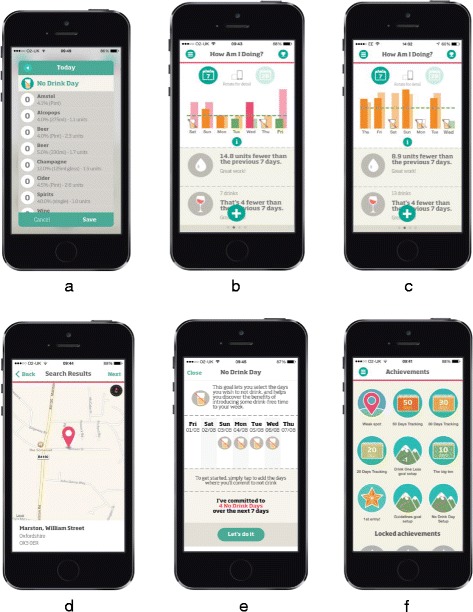
Smartphone applications ("apps") offer promise as tools to help people monitor and reduce their alcohol consumption. To date, few evaluations of alcohol reduction apps exist, with even fewer considering apps already available to the public. The aim of this study was to evaluate an existing publically available app, designed by Drinkaware, a UK-based alcohol awareness charity.
We adopted a mixed-methods design, analysing routinely collected app usage data to explore user characteristics and patterns of usage. Following this, in-depth interviews were conducted with a sub-sample of app users to examine perceptions of acceptability, usability and perceived effectiveness, as well as to provide recommendations on how to improve the app.
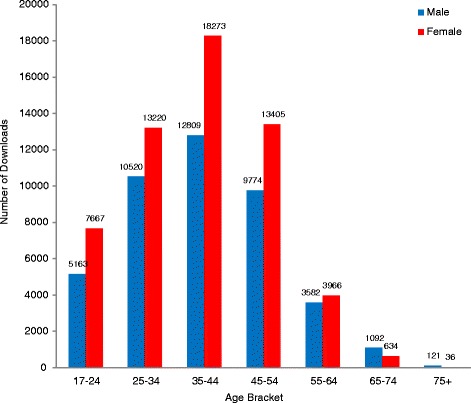
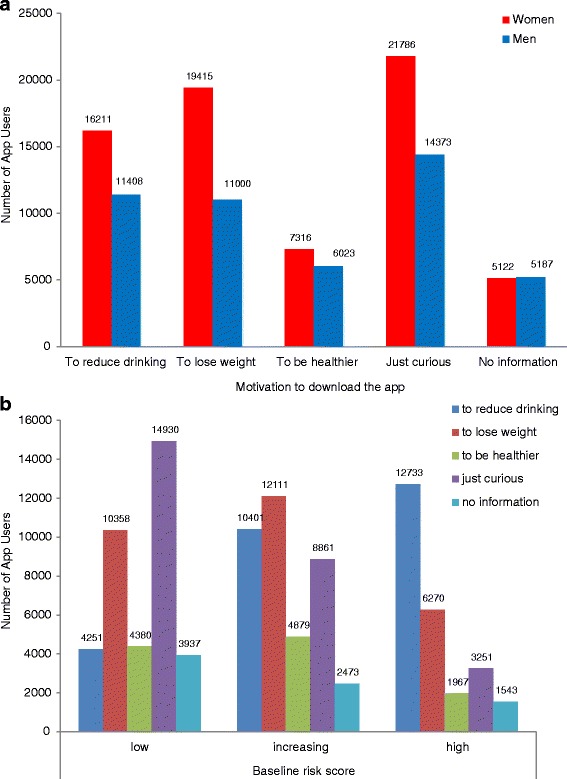
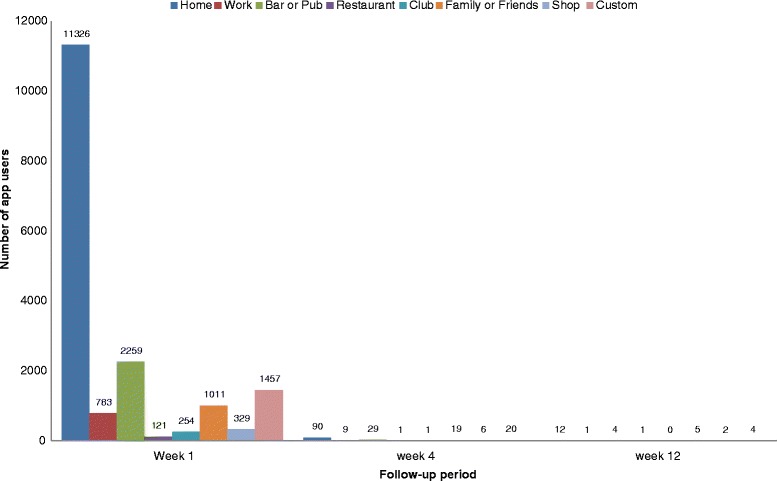
One hundred nineteen thousand seven hundred thirteen people downloaded and entered data into the app over a 13-month period. High attrition was observed after 1 week. Users who engaged with the app tended to be "high risk" drinkers and to report being motivated "to reduce drinking" at the point of first download. In those who consistently engaged with the app over time, self-reported alcohol consumption levels reduced, with most change occurring in the first week of usage. Our qualitative findings indicate satisfaction with the usability of the app, but mixed feedback was given regarding individual features. Users expressed conflicting views concerning the type of feedback and notifications that the app currently provides. A common preference was expressed for more personalised content.
The Drinkaware app is a useful tool to support behaviour change in individuals who are already motivated and committed to reducing their alcohol consumption. The Drinkaware app would benefit from greater personalisation and tailoring to promote longer term use. This evaluation provides insight into the usability and acceptability of various app features and contains a number of recommendations for improving user satisfaction and the potential effectiveness of apps designed to encourage reductions in alcohol consumption.
智能手机应用程序(“应用”)有望成为帮助人们监测和减少酒精摄入量的工具。迄今为止,对减少酒精摄入应用的评估很少,考虑到面向公众的现有应用的评估则更少。本研究的目的是评估一款由英国酒精意识慈善机构“饮酒意识”(Drinkaware)设计的面向公众的现有应用。
我们采用了混合方法设计,分析常规收集的应用使用数据,以探索用户特征和使用模式。在此之后,对应用用户的一个子样本进行了深入访谈,以检查对可接受性、可用性和感知有效性的看法,并就如何改进应用提供建议。
在13个月的时间里,有119713人下载了该应用并输入了数据。1周后观察到高流失率。使用该应用的用户往往是“高风险”饮酒者,并在首次下载时表示有“减少饮酒”的动机。在那些长期持续使用该应用的用户中,自我报告的酒精摄入量有所减少,大部分变化发生在使用的第一周。我们的定性研究结果表明对该应用的可用性感到满意,但对个别功能的反馈不一。用户对该应用目前提供的反馈和通知类型表达了相互矛盾的观点。普遍倾向于更多个性化内容。
“饮酒意识”应用是一种有用的工具,可支持那些已经有动机并致力于减少酒精摄入量的个人改变行为。“饮酒意识”应用将受益于更大程度的个性化和定制,以促进长期使用。该评估深入了解了各种应用功能的可用性和可接受性,并包含一些提高用户满意度的建议,以及旨在鼓励减少酒精摄入的应用的潜在有效性建议。