INSERM UMRS_938, Saint-Antoine Research Center, 27, rue de Chaligny, Paris 75012, France.
UPMC Université Paris 6, 4, place Jussier, Paris 75005, France.
Nat Commun. 2017 May 18;8:15463. doi: 10.1038/ncomms15463.
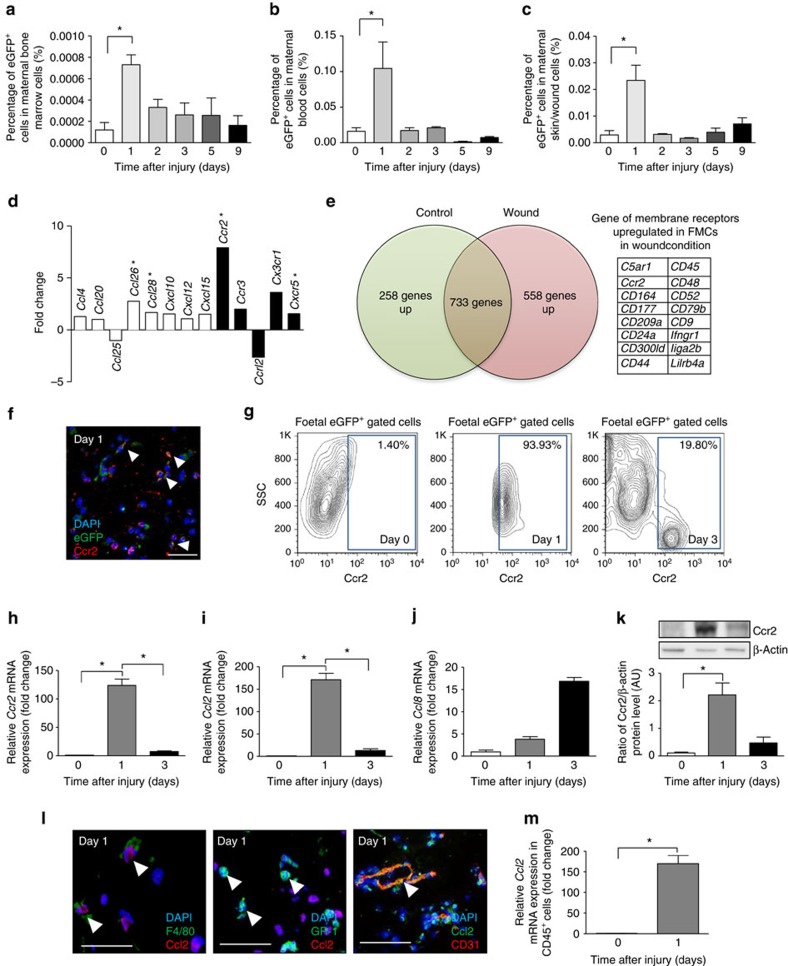
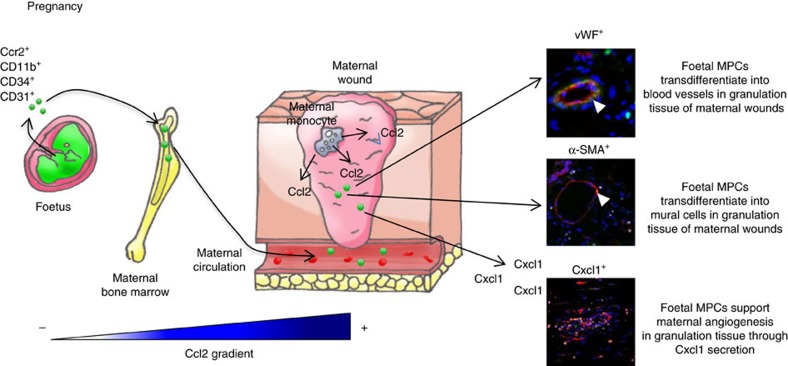
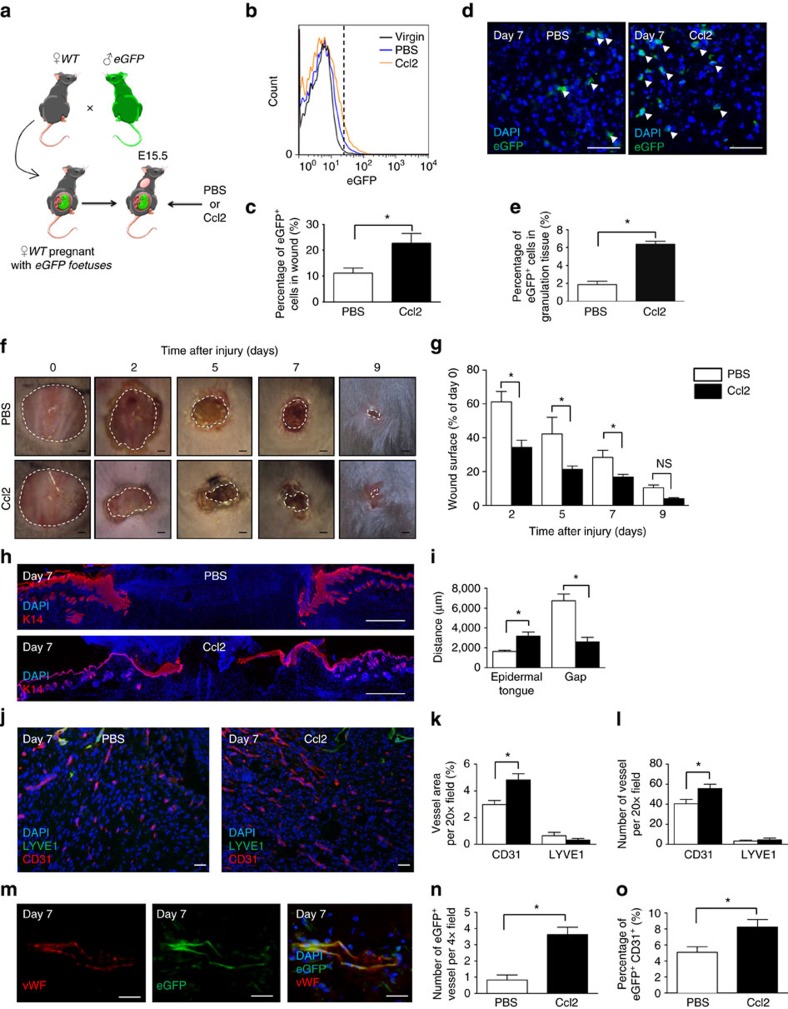
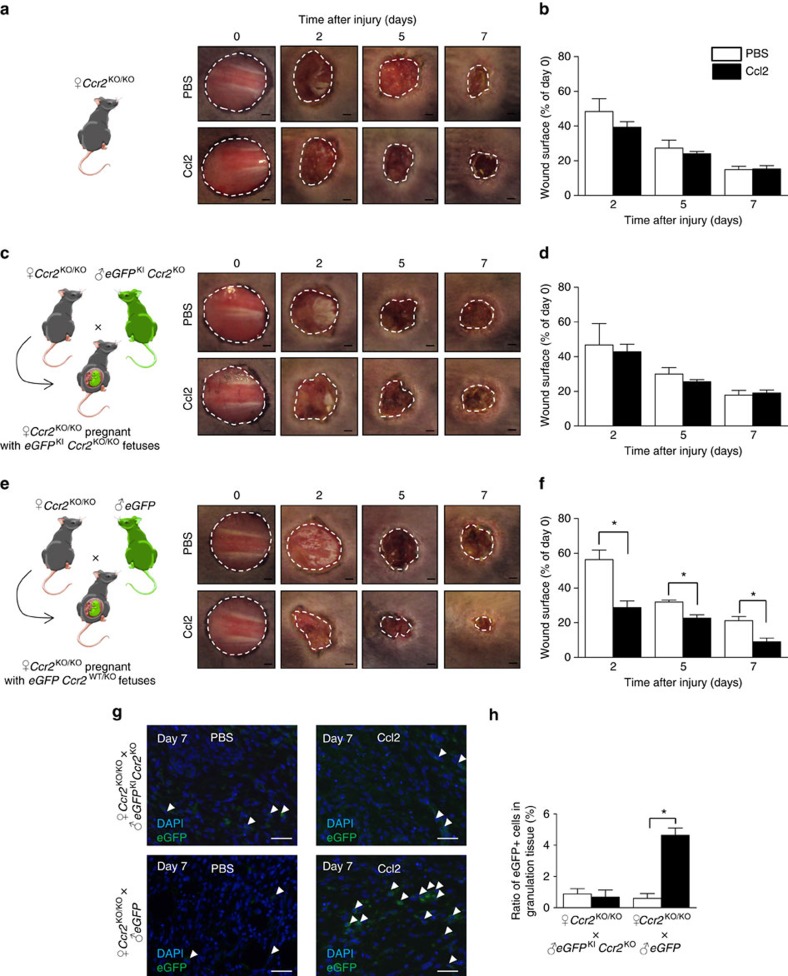
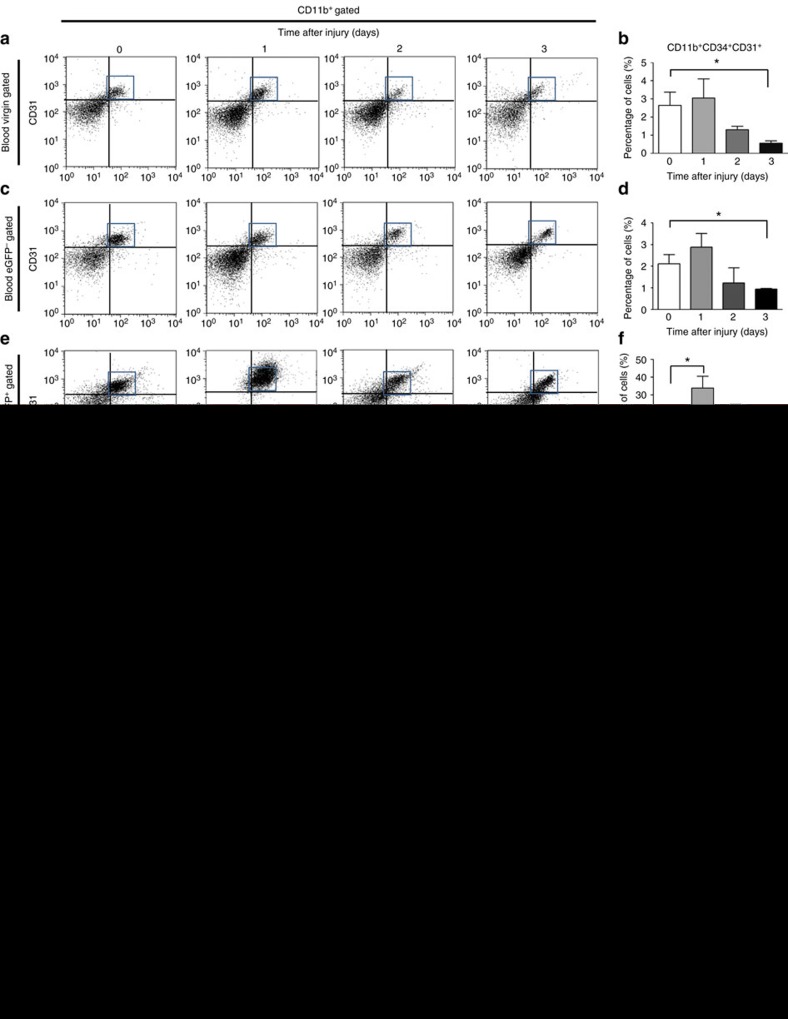
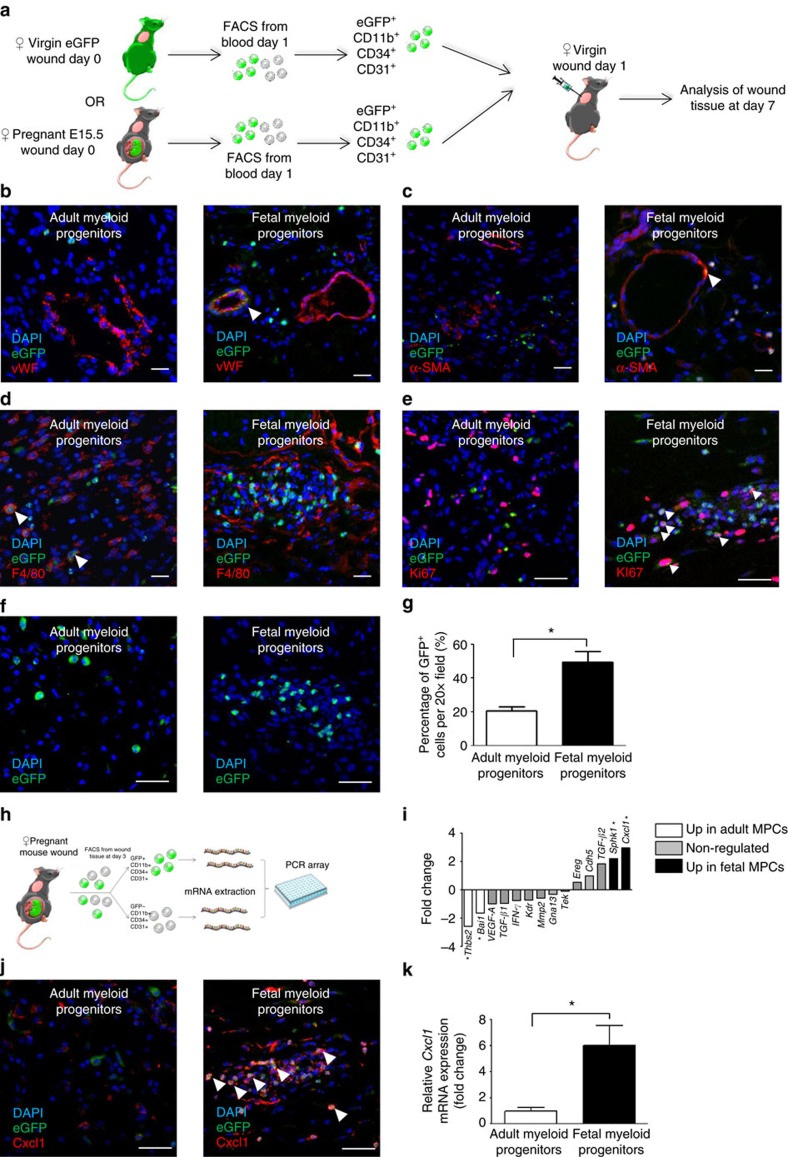
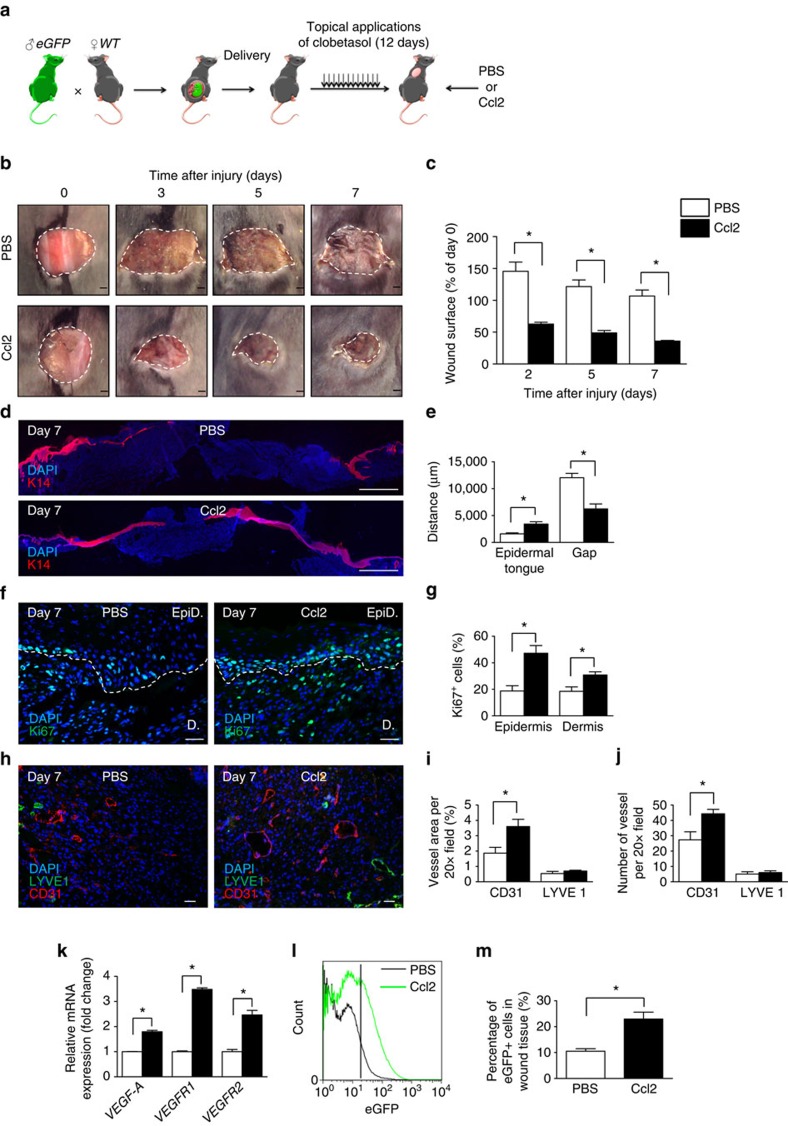
Foetal microchimeric cells (FMCs) traffic into maternal circulation during pregnancy and persist for decades after delivery. Upon maternal injury, FMCs migrate to affected sites where they participate in tissue healing. However, the specific signals regulating the trafficking of FMCs to injury sites had to be identified. Here we report that, in mice, a subset of FMCs implicated in tissue repair displays CD11b CD34 CD31 phenotype and highly express C-C chemokine receptor 2 (Ccr2). The Ccr2 ligand chemokine ligand 2 (Ccl2) enhances the recruitment of FMCs to maternal wounds where these cells transdifferentiate into endothelial cells and stimulate angiogenesis through Cxcl1 secretion. Ccl2 administration improves delayed maternal wound healing in pregnant and postpartum mice but never in virgin ones. This role of Ccl2/Ccr2 signalling opens new strategies for tissue repair through natural stem cell therapy, a concept that can be later applied to other types of maternal diseases.
胎儿微小嵌合细胞(FMCs)在怀孕期间会进入母体循环,并在分娩后持续存在数十年。在母体受到损伤时,FMC 会迁移到受影响的部位,参与组织修复。然而,调节 FMC 向损伤部位迁移的特定信号仍有待确定。在这里,我们报告在小鼠中,一组参与组织修复的 FMC 表现出 CD11b CD34 CD31 表型,并高度表达 C-C 趋化因子受体 2(Ccr2)。Ccr2 的配体趋化因子配体 2(Ccl2)增强了 FMC 向母体伤口的募集,这些细胞在伤口中转分化为内皮细胞,并通过分泌 Cxcl1 刺激血管生成。Ccl2 的给药可改善妊娠和产后小鼠的延迟性母体伤口愈合,但对处女小鼠无效。Ccl2/Ccr2 信号的这一作用为通过自然干细胞治疗进行组织修复开辟了新的策略,这一概念可随后应用于其他类型的母体疾病。