Witusik-Perkowska Monika, Zakrzewska Magdalena, Sikorska Beata, Papierz Wielislaw, Jaskolski Dariusz J, Szemraj Janusz, Liberski Pawel P
Department of Medical Biochemistry, Medical University of Lodz, Mazowiecka 6/8, 92-215 Lodz, Poland
Department of Molecular Pathology and Neuropathology, Medical University of Lodz, Czechoslowacka 8/10, 92-216 Lodz, Poland.
Biosci Rep. 2017 Jun 21;37(3). doi: 10.1042/BSR20170058. Print 2017 Jun 30.
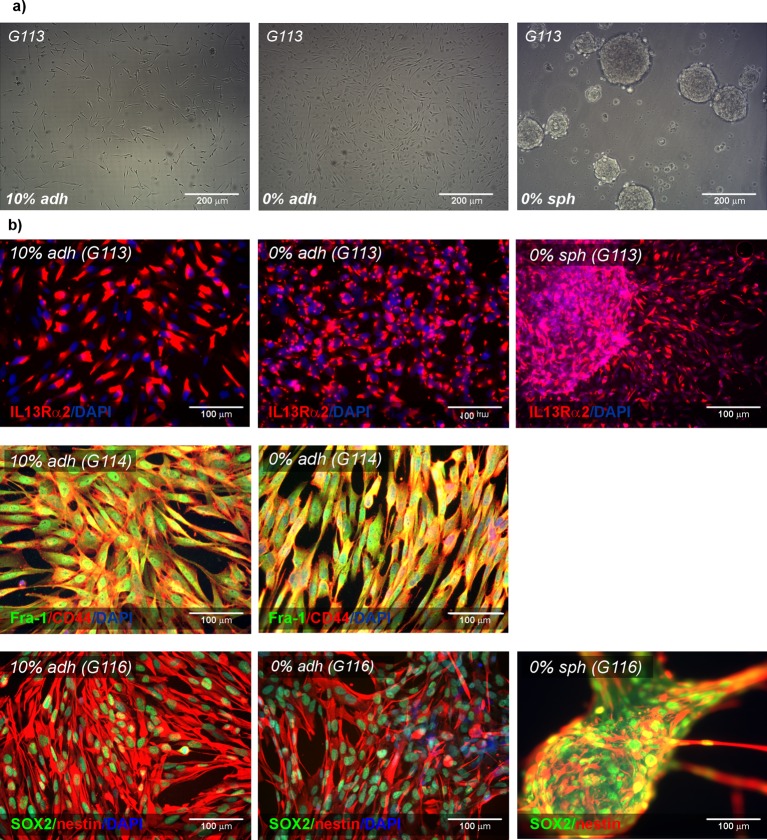
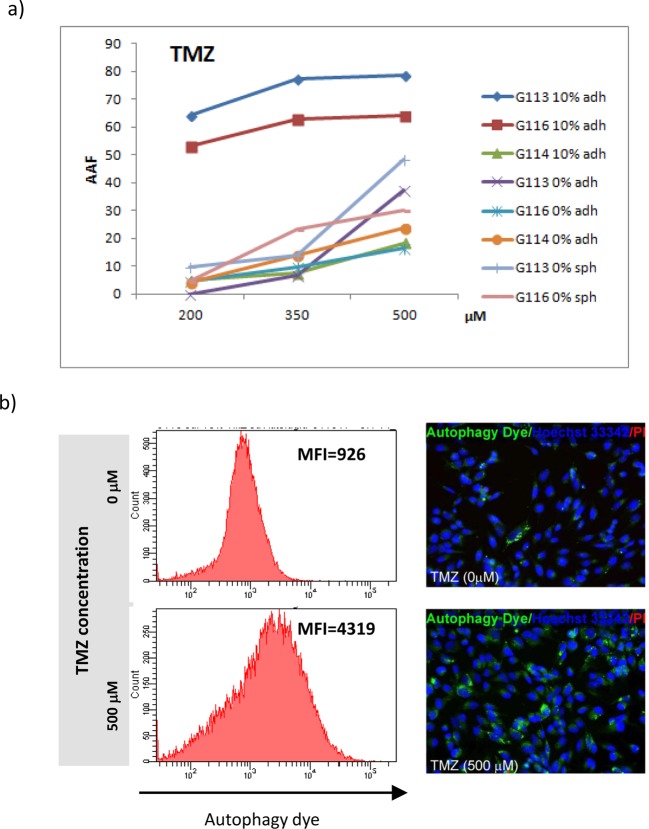
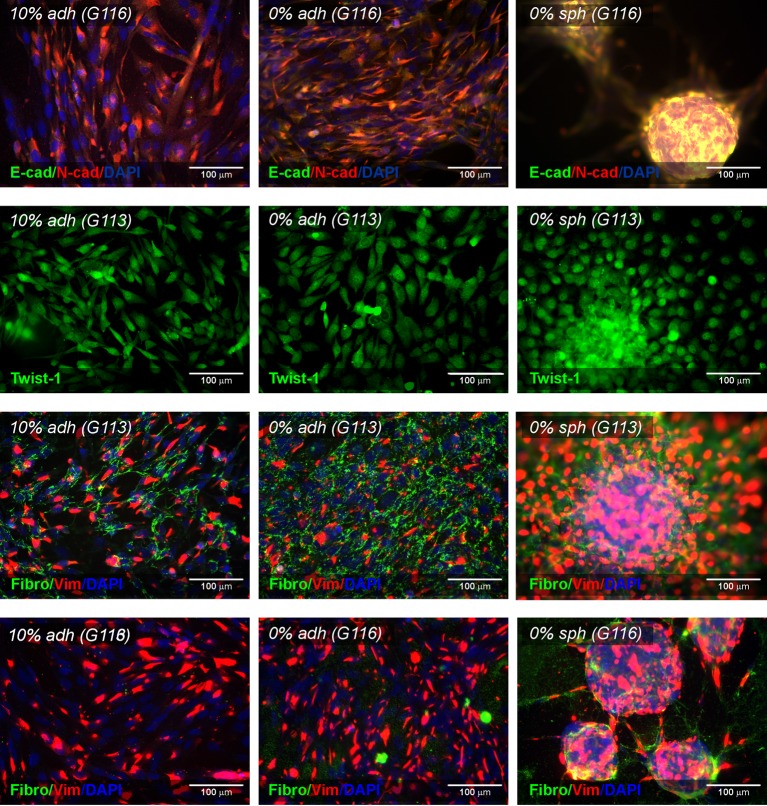
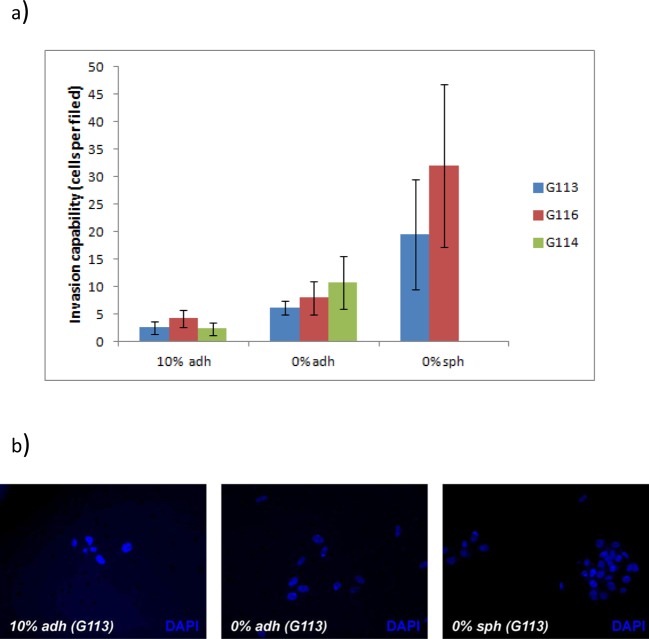
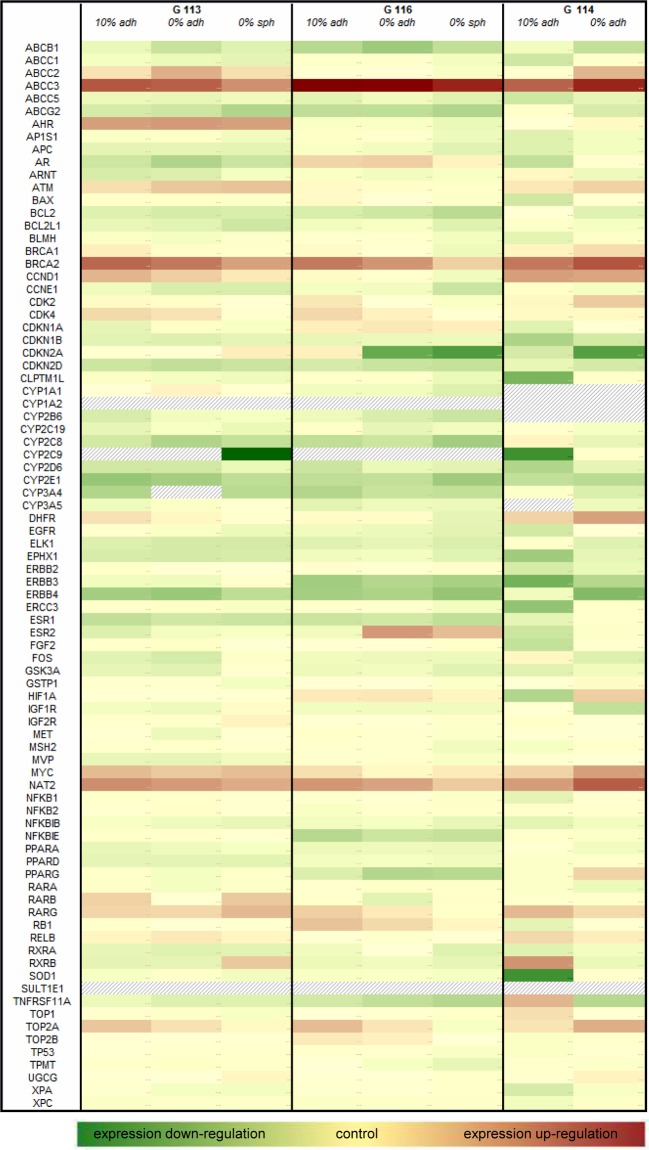
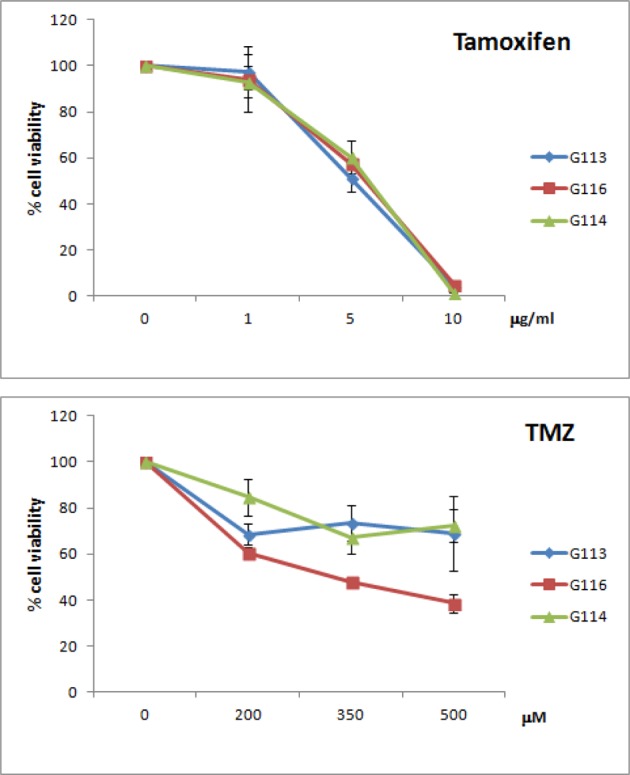
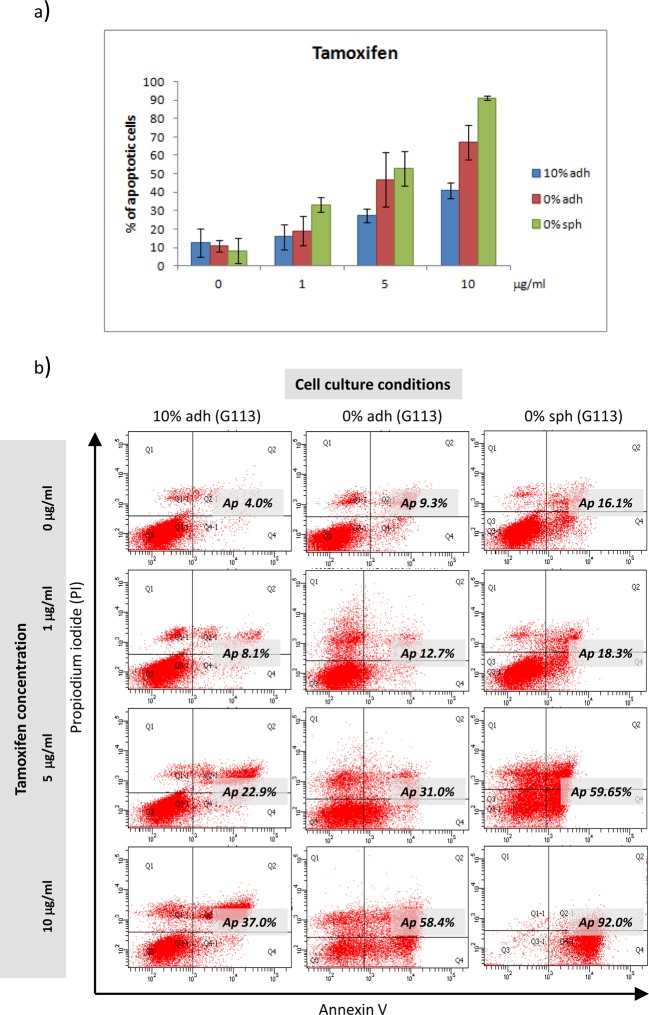
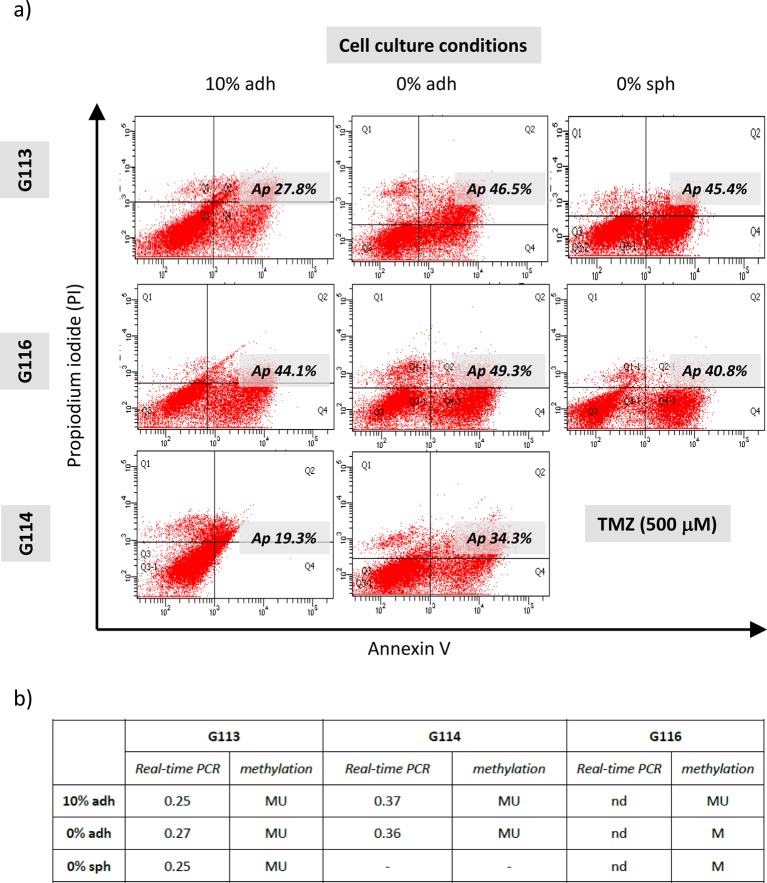
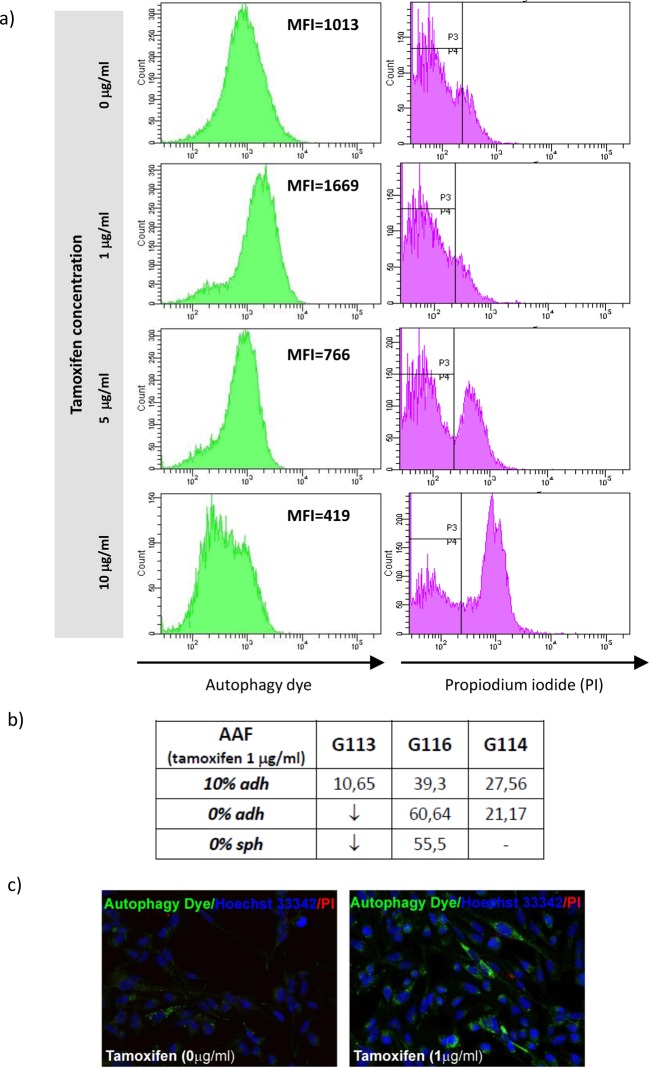
Resistance to cancer drugs is a complex phenomenon which could be influenced by conditions. However, tumour-derived cell cultures are routinely used for studies related to mechanisms of drug responsiveness or the search for new therapeutic approaches. The purpose of our work was to identify the potential differences in drug resistance and response to treatment of glioblastoma with the use of three models: traditional adherent culture, serum-free spheroid culture and novel adherent serum-free culture.The experimental models were evaluated according to 'stemness state' and epithelial-to-mesenchymal transition (EMT) status, invasion capability and their expression pattern of genes related to the phenomenon of tumour drug resistance. Additionally, the response to drug treatments of three different culture models was compared with regard to the type of cell death.Multi-gene expression profiling revealed differences between examined culture types with regard to the expression pattern of the selected genes. Functionally, the examined genes were related to drug resistance and metabolism, DNA damage and repair and cell cycle control, and included potential therapeutic targets.Cytotoxicity analyses confirmed that environmental factors can influence not only the molecular background of glioblastoma drug-resistance and efficiency of treatment, but also the mechanisms/pathways of cell death, which was reflected by a distinct intensification of apoptosis and autophagy observed in particular culture models. Our results suggest that parallel exploitation of different experimental models can be used to reveal the spectrum of cancer cell resistance capability, especially regarding intra-heterogeneous glioblastomas.
对癌症药物的耐药性是一种复杂的现象,可能受多种条件影响。然而,肿瘤衍生的细胞培养物通常用于与药物反应机制相关的研究或寻找新的治疗方法。我们工作的目的是利用三种模型确定胶质母细胞瘤在耐药性和对治疗反应方面的潜在差异:传统贴壁培养、无血清球体培养和新型贴壁无血清培养。根据“干性状态”和上皮-间质转化(EMT)状态、侵袭能力以及它们与肿瘤耐药现象相关的基因表达模式对实验模型进行评估。此外,比较了三种不同培养模型对药物治疗的反应类型的细胞死亡情况。多基因表达谱分析揭示了所检查的培养类型在所选基因表达模式方面的差异。在功能上,所检查的基因与耐药性和代谢、DNA损伤和修复以及细胞周期控制有关,并且包括潜在的治疗靶点。细胞毒性分析证实,环境因素不仅可以影响胶质母细胞瘤耐药性的分子背景和治疗效果,还可以影响细胞死亡的机制/途径,这在特定培养模型中观察到的凋亡和自噬明显增强中得到体现。我们的结果表明,并行利用不同的实验模型可用于揭示癌细胞耐药能力的范围,特别是对于异质性胶质母细胞瘤。