Hojo Takayuki, Maishi Nako, Towfik Alam Mohammad, Akiyama Kosuke, Ohga Noritaka, Shindoh Masanobu, Hida Yasuhiro, Minowa Kazuyuki, Fujisawa Toshiaki, Hida Kyoko
Vascular Biology, Frontier Research Unit, Institute for Genetic Medicine, Hokkaido University, Sapporo 060-0815, Japan.
Department of Dental Anesthesiology, Hokkaido University Graduate School of Dental Medicine, Sapporo 060-8586, Japan.
Oncotarget. 2017 Jul 11;8(28):45484-45495. doi: 10.18632/oncotarget.17567.
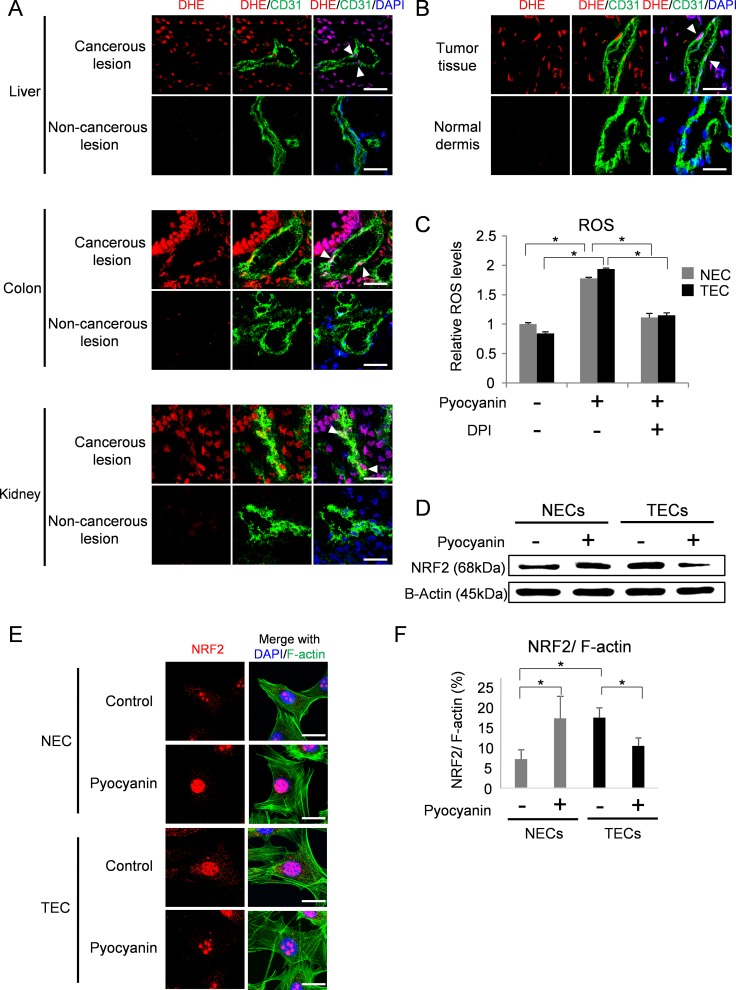
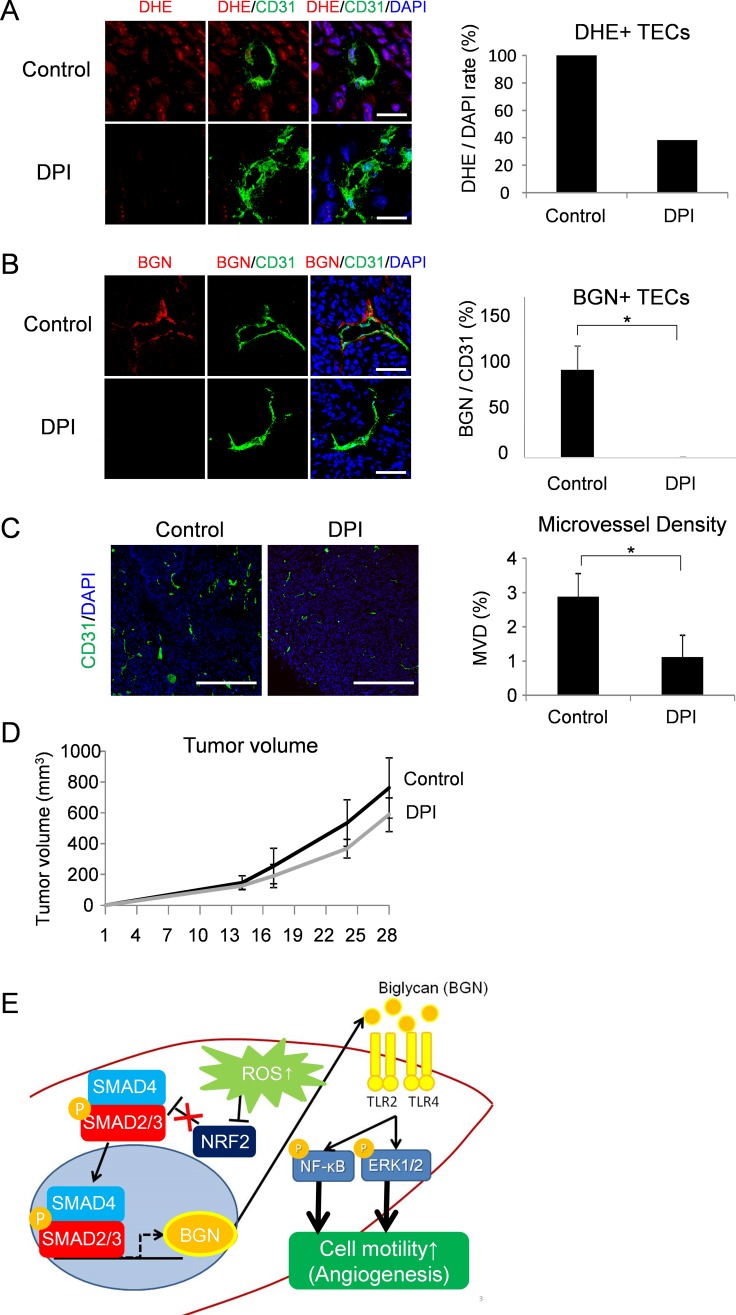
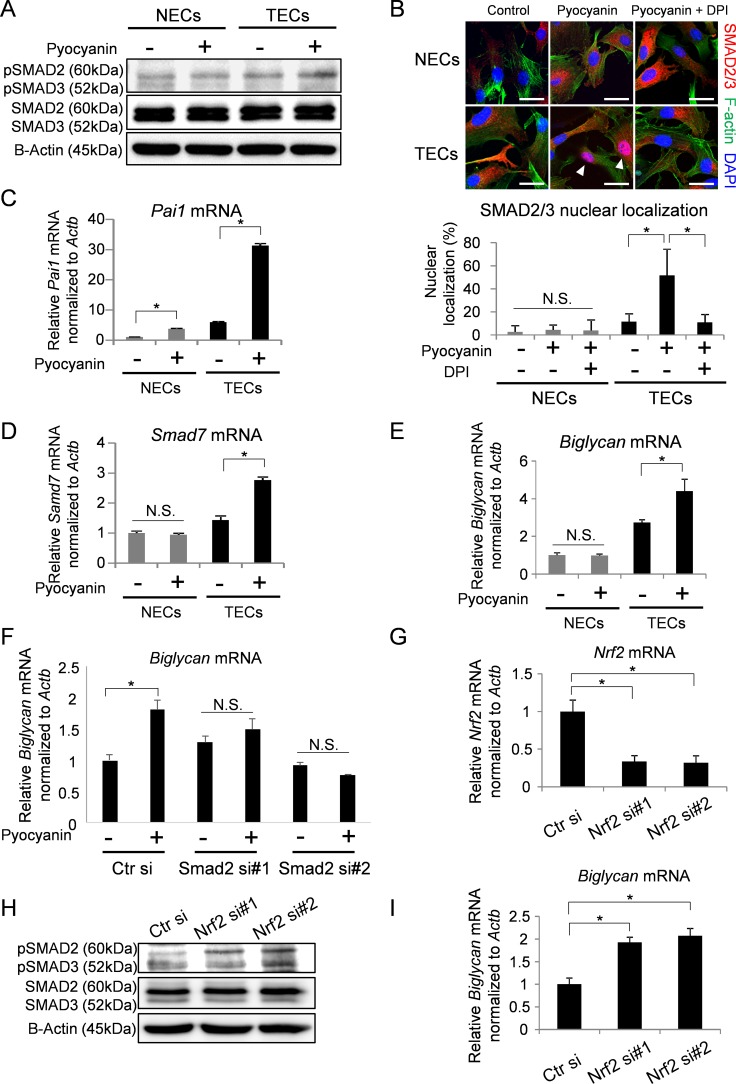
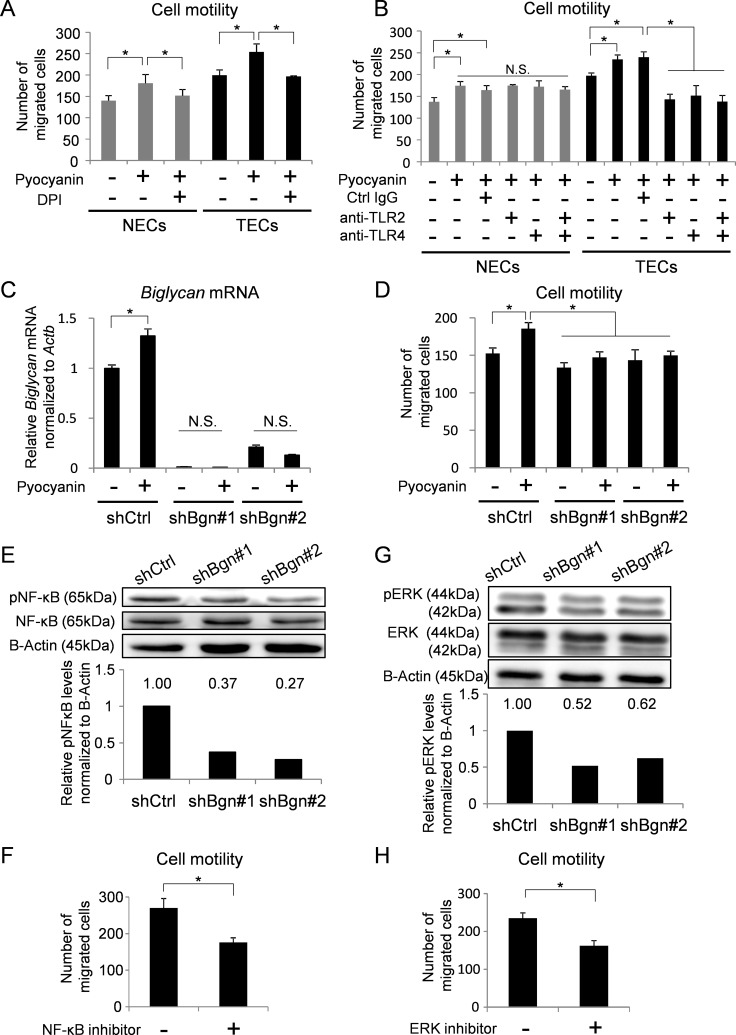
Reactive oxygen species (ROS) are unstable molecules that activate oxidative stress. Because of the insufficient blood flow in tumors, the tumor microenvironment is often exposed to hypoxic condition and nutrient deprivation, which induces ROS accumulation. We isolated tumor endothelial cells (TECs) and found that they have various abnormalities, although the underlying mechanisms are not fully understood. Here we showed that ROS were accumulated in tumor blood vessels and ROS enhanced TEC migration with upregulation of several angiogenesis related gene expressions. It was also demonstrated that these genes were upregulated by regulation of Nuclear factor erythroid 2-related factor 2 (NRF2). Among these genes, we focused on Biglycan, a small leucine-rich proteoglycan. Inhibition of Toll-like receptors 2 and 4, known BIGLYCAN (BGN) receptors, cancelled the TEC motility stimulated by ROS. ROS inhibited NRF2 expression in TECs but not in NECs, and NRF2 inhibited phosphorylation of SMAD2/3, which activates transcription of BGN. These results indicated that ROS-induced BGN caused the pro-angiogenic phenotype in TECs via NRF2 dysregulation.
活性氧(ROS)是激活氧化应激的不稳定分子。由于肿瘤中血流不足,肿瘤微环境常处于缺氧和营养剥夺状态,这会诱导ROS积累。我们分离出肿瘤内皮细胞(TEC),发现它们存在各种异常,尽管其潜在机制尚未完全明确。在此我们表明,ROS在肿瘤血管中积累,并且ROS通过上调几种血管生成相关基因的表达增强了TEC的迁移。还证明这些基因是通过核因子红细胞2相关因子2(NRF2)的调节而上调的。在这些基因中,我们聚焦于双糖链蛋白聚糖,一种富含亮氨酸的小分子蛋白聚糖。抑制Toll样受体2和4(已知的双糖链蛋白聚糖(BGN)受体)可消除ROS刺激的TEC运动性。ROS抑制TEC中NRF2的表达,但不抑制正常内皮细胞(NEC)中的表达,并且NRF2抑制SMAD2/3的磷酸化,而SMAD2/3的磷酸化会激活BGN的转录。这些结果表明,ROS诱导的BGN通过NRF2失调导致TEC出现促血管生成表型。