Solga Anne C, Toonen Joseph A, Pan Yuan, Cimino Patrick J, Ma Yu, Castillon Guillaume A, Gianino Scott M, Ellisman Mark H, Lee Da Yong, Gutmann David H
Department of Neurology and Washington University School of Medicine, St. Louis MO, USA.
Pathology and Immunology, Washington University School of Medicine, St. Louis MO, USA.
Oncotarget. 2017 Jul 18;8(29):47206-47215. doi: 10.18632/oncotarget.17589.
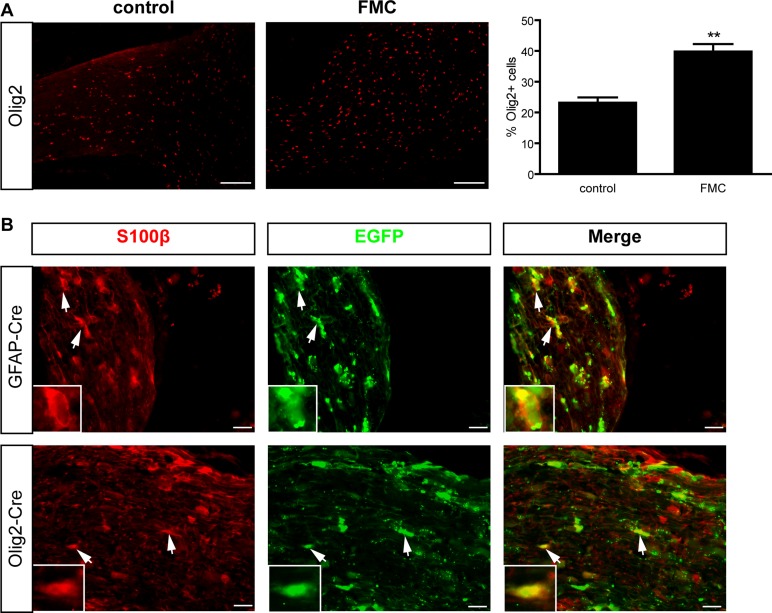
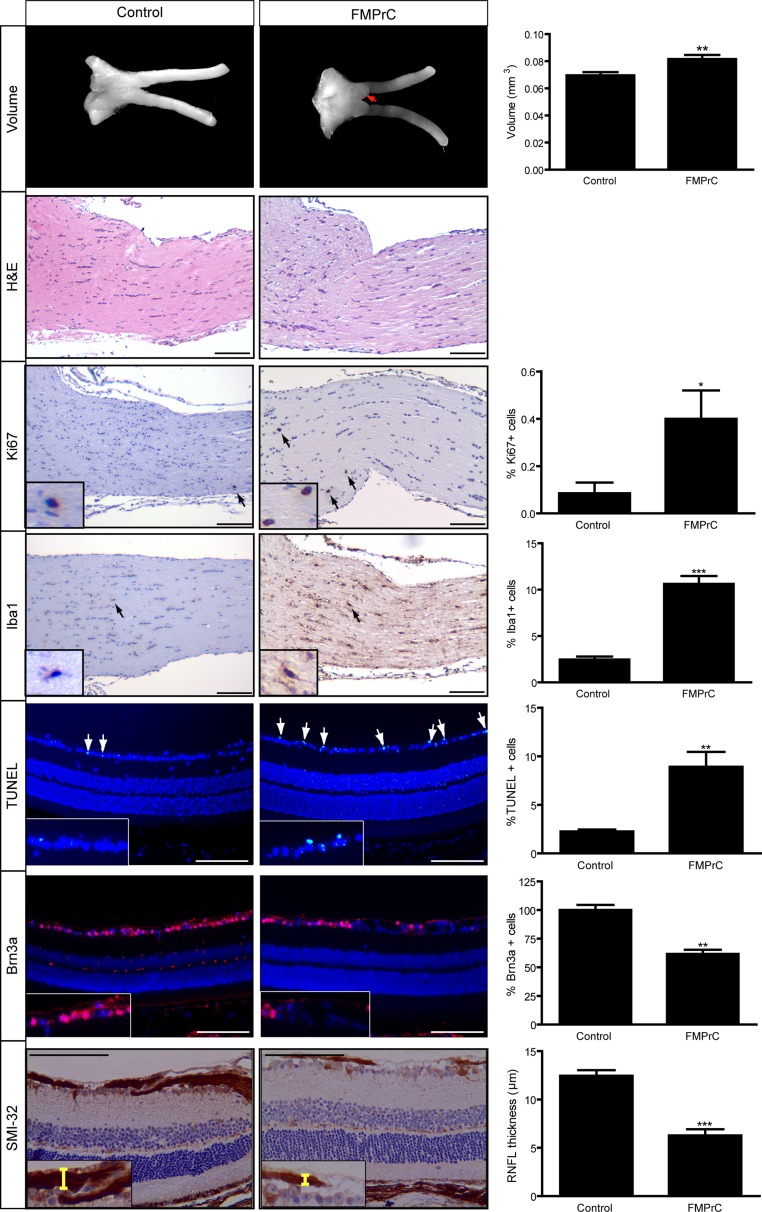
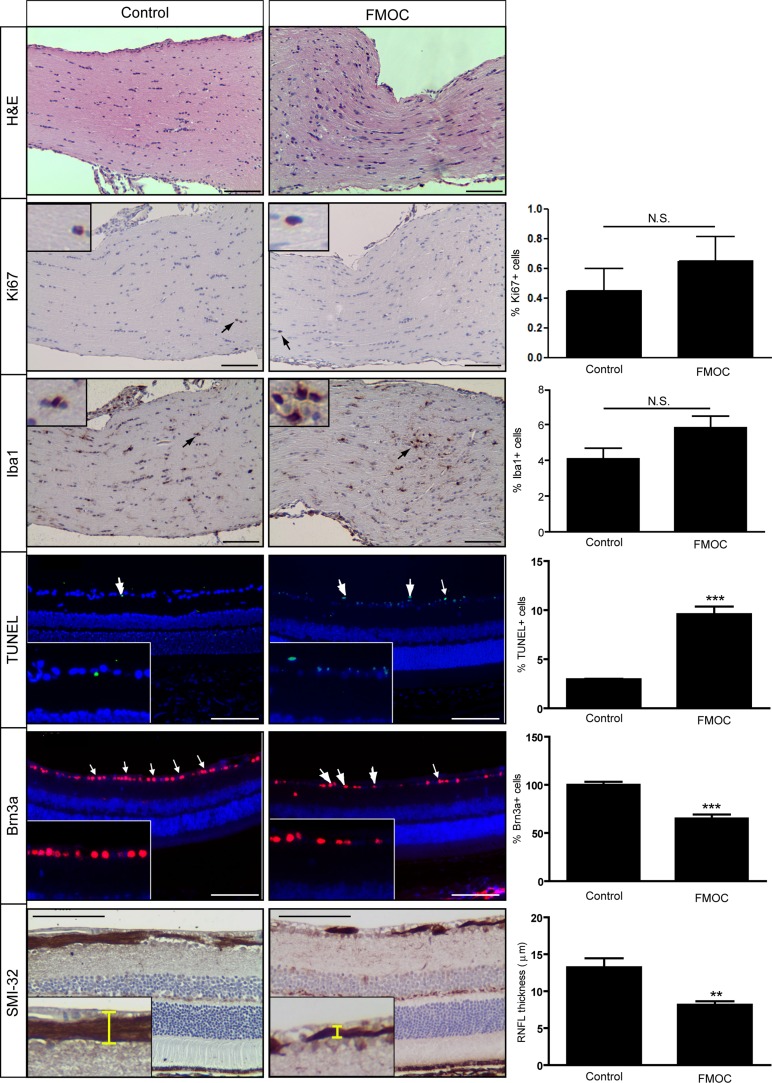
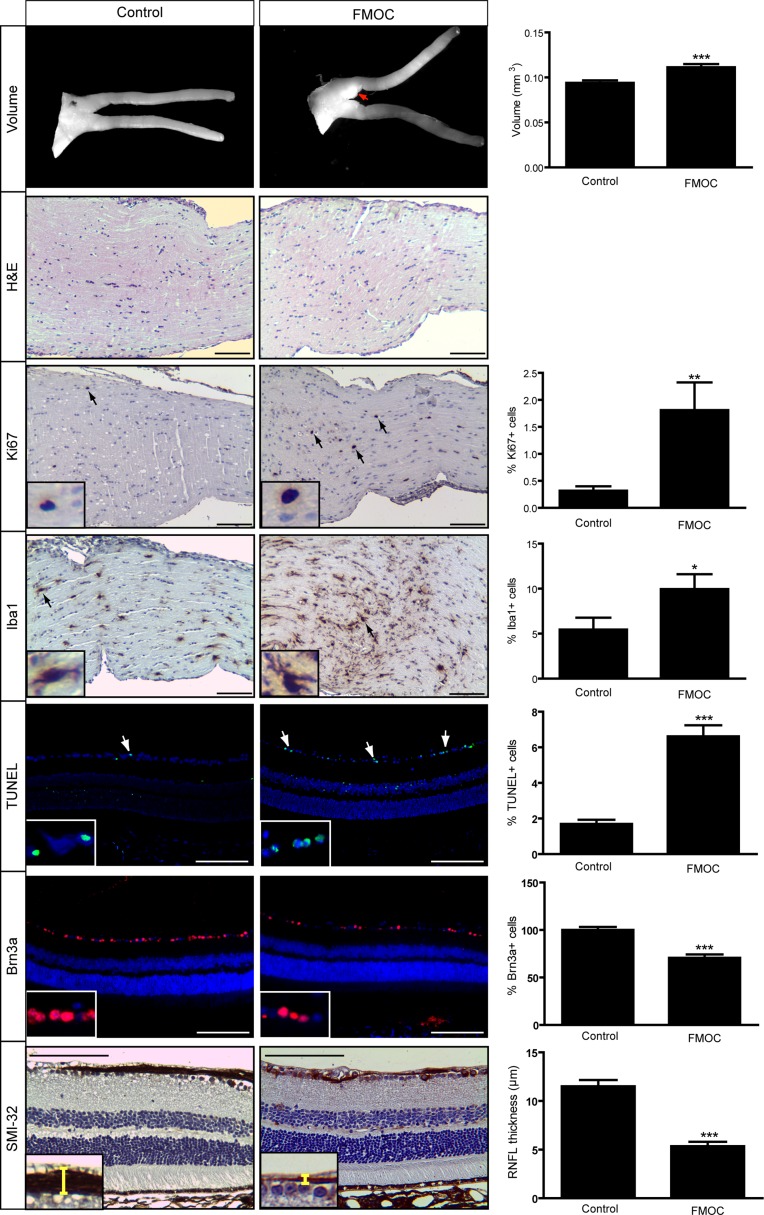
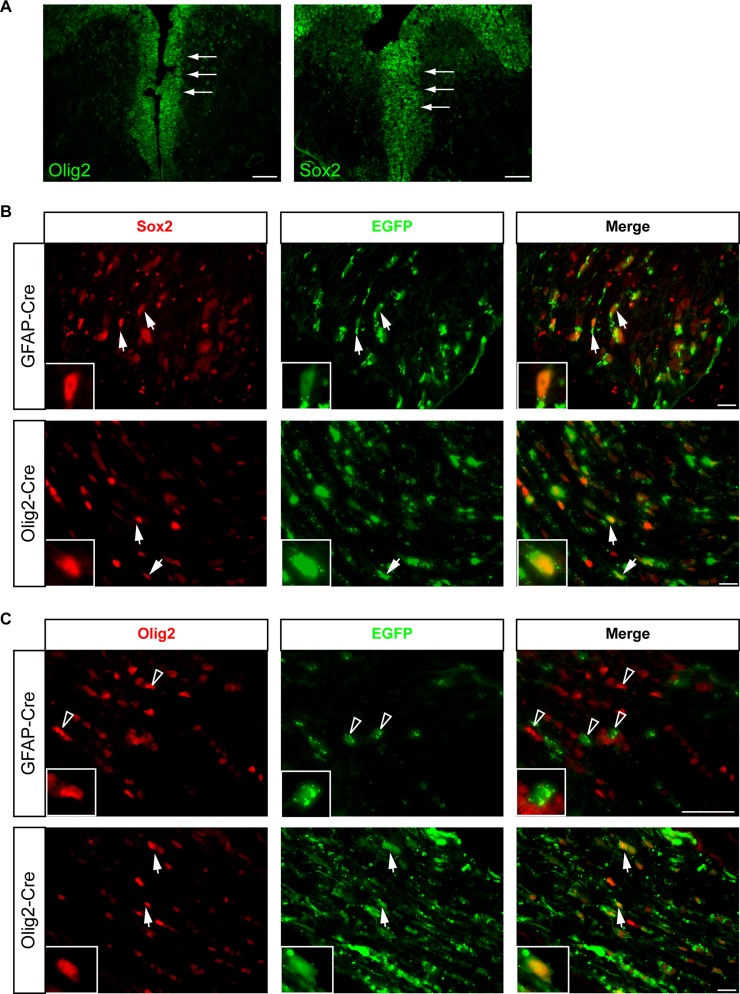
Low-grade gliomas are one of the most common brain tumors in children, where they frequently form within the optic pathway (optic pathway gliomas; OPGs). Since many OPGs occur in the context of the Neurofibromatosis Type 1 (NF1) cancer predisposition syndrome, we have previously employed Nf1 genetically-engineered mouse (GEM) strains to study the pathogenesis of these low-grade glial neoplasms. In the light of the finding that human and mouse low-grade gliomas are composed of Olig2+ cells and that Olig2+ oligodendrocyte precursor cells (OPCs) give rise to murine high-grade gliomas, we sought to determine whether Olig2+ OPCs could be tumor-initiating cells for Nf1 optic glioma. Similar to the GFAP-Cre transgenic strain previously employed to generate Nf1 optic gliomas, Olig2+ cells also give rise to astrocytes in the murine optic nerve in vivo. However, in contrast to the GFAP-Cre strain where somatic Nf1 inactivation in embryonic neural progenitor/stem cells (Nf1flox/mut; GFAP-Cre mice) results in optic gliomas by 3 months of age in vivo, mice with Nf1 gene inactivation in Olig2+ OPCs (Nf1flox/mut; Olig2-Cre mice) do not form optic gliomas until 6 months of age. These distinct patterns of glioma latency do not reflect differences in the timing or brain location of somatic Nf1 loss. Instead, they most likely reflect the cell of origin, as somatic Nf1 loss in CD133+ neural progenitor/stem cells during late embryogenesis results in optic gliomas at 3 months of age. Collectively, these data demonstrate that the cell of origin dictates the time to tumorigenesis in murine optic glioma.
低级别胶质瘤是儿童中最常见的脑肿瘤之一,常发生于视路(视路胶质瘤;OPG)内。由于许多OPG发生于1型神经纤维瘤病(NF1)癌症易感综合征背景下,我们之前利用Nf1基因工程小鼠(GEM)品系来研究这些低级别胶质肿瘤的发病机制。鉴于已发现人和小鼠的低级别胶质瘤均由Olig2+细胞组成,且Olig2+少突胶质前体细胞(OPC)可引发小鼠高级别胶质瘤,我们试图确定Olig2+ OPC是否可能是Nf1视神经胶质瘤的肿瘤起始细胞。与先前用于产生Nf1视神经胶质瘤的GFAP-Cre转基因品系类似,Olig2+细胞在体内也可在小鼠视神经中产生星形胶质细胞。然而,与GFAP-Cre品系不同,在胚胎神经祖细胞/干细胞中进行体细胞Nf1失活(Nf1flox/mut;GFAP-Cre小鼠)会在3月龄时在体内导致视神经胶质瘤,而在Olig2+ OPC中进行Nf1基因失活的小鼠(Nf1flox/mut;Olig2-Cre小鼠)直到6月龄才形成视神经胶质瘤。这些不同的胶质瘤潜伏期模式并不反映体细胞Nf1缺失的时间或脑内位置差异。相反,它们很可能反映了细胞起源,因为在胚胎发育后期CD133+神经祖细胞/干细胞中的体细胞Nf1缺失会在3月龄时导致视神经胶质瘤。总体而言,这些数据表明细胞起源决定了小鼠视神经胶质瘤的肿瘤发生时间。