Kozuka Chisayo, Kaname Tadashi, Shimizu-Okabe Chigusa, Takayama Chitoshi, Tsutsui Masato, Matsushita Masayuki, Abe Keiko, Masuzaki Hiroaki
Division of Endocrinology, Diabetes and Metabolism, Hematology, Rheumatology (Second Department of Medicine), Graduate School of Medicine, University of the Ryukyus, 207 Uehara, Nishihara, Nakagami-gun, Okinawa, 903-0215, Japan.
Department of Genome Medicine, National Research Institute for Child Health and Development, Tokyo, Japan.
Diabetologia. 2017 Aug;60(8):1502-1511. doi: 10.1007/s00125-017-4305-4. Epub 2017 May 20.
AIMS/HYPOTHESIS: Overeating of dietary fats causes obesity in humans and rodents. Recent studies in humans and rodents have demonstrated that addiction to fats shares a common mechanism with addiction to alcohol, nicotine and narcotics in terms of a dysfunction of brain reward systems. It has been highlighted that a high-fat diet (HFD) attenuates dopamine D2 receptor (D2R) signalling in the striatum, a pivotal regulator of the brain reward system, resulting in hedonic overeating. We previously reported that the brown rice-specific bioactive constituent γ-oryzanol attenuated the preference for an HFD via hypothalamic control. We therefore explored the possibility that γ-oryzanol would modulate functioning of the brain reward system in mice.
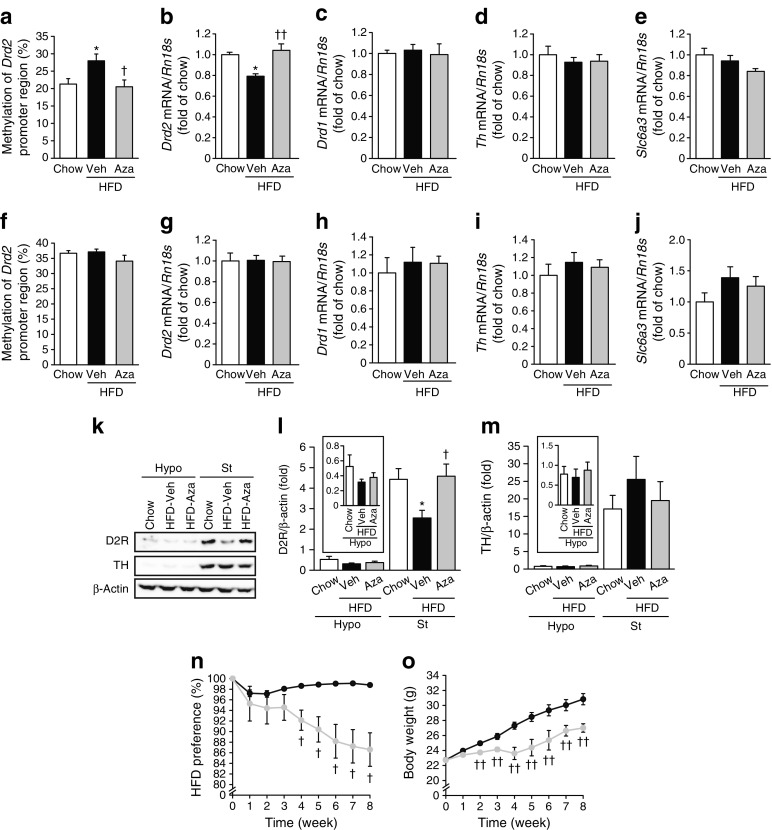
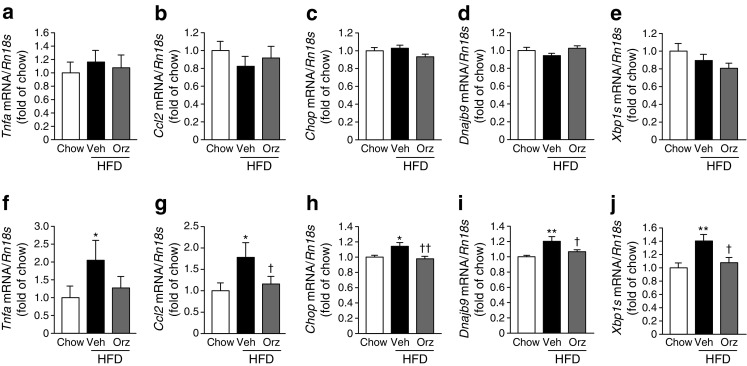
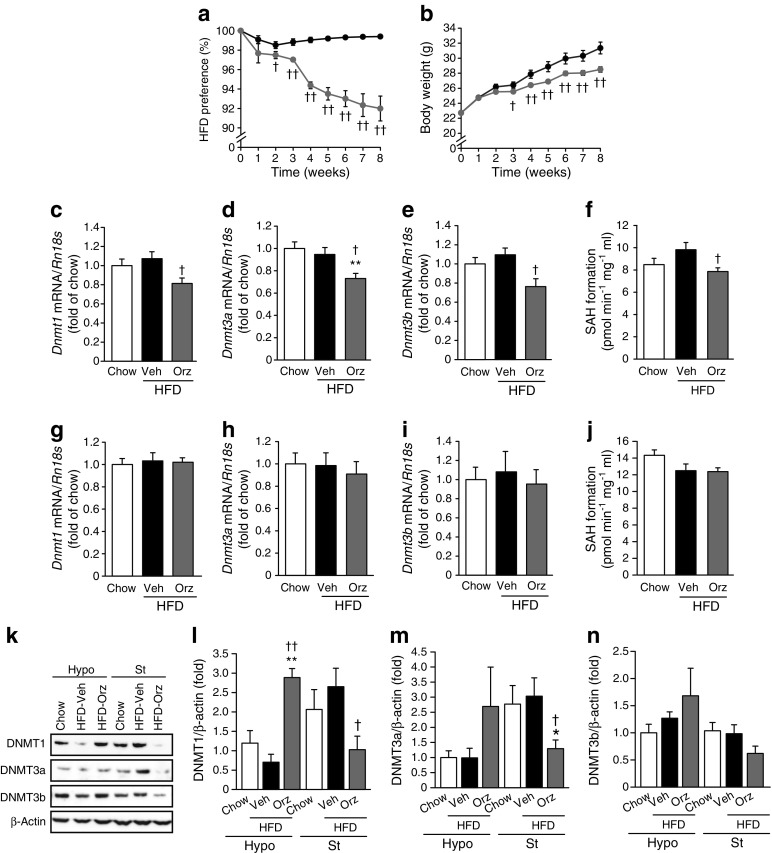
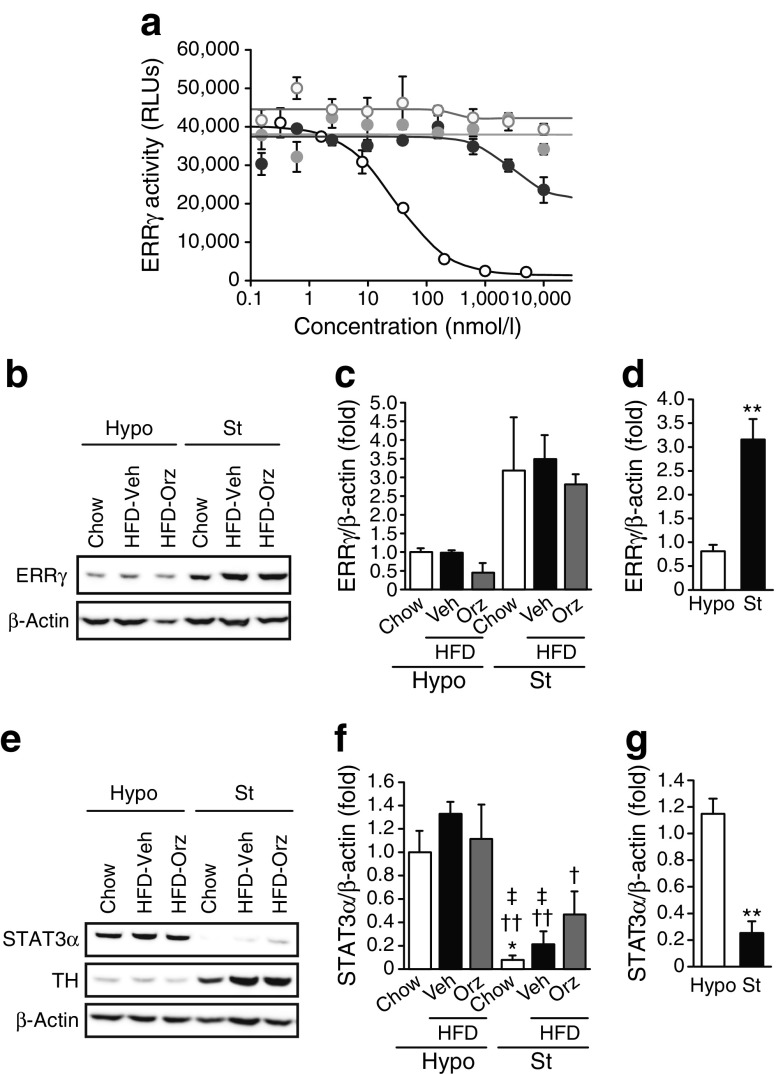
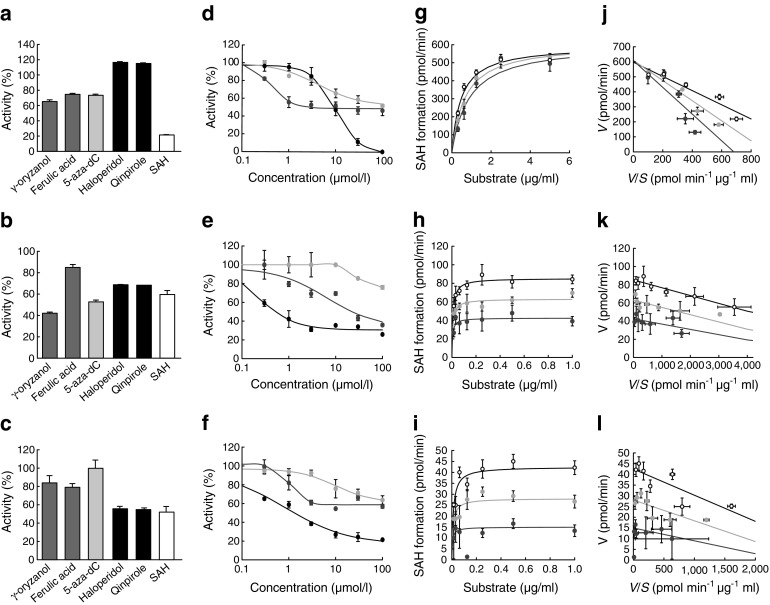
Male C57BL/6J mice fed an HFD were orally treated with γ-oryzanol, and striatal levels of molecules involved in D2R signalling were evaluated. The impact of γ-oryzanol on DNA methylation of the D2R promoter and subsequent changes in preferences for dietary fat was examined. In addition, the effects of 5-aza-2'-deoxycytidine, a potent inhibitor of DNA methyltransferases (DNMTs), on food preference, D2R signalling and the levels of DNMTs in the striatum were investigated. The inhibitory effects of γ-oryzanol on the activity of DNMTs were enzymatically evaluated in vitro.
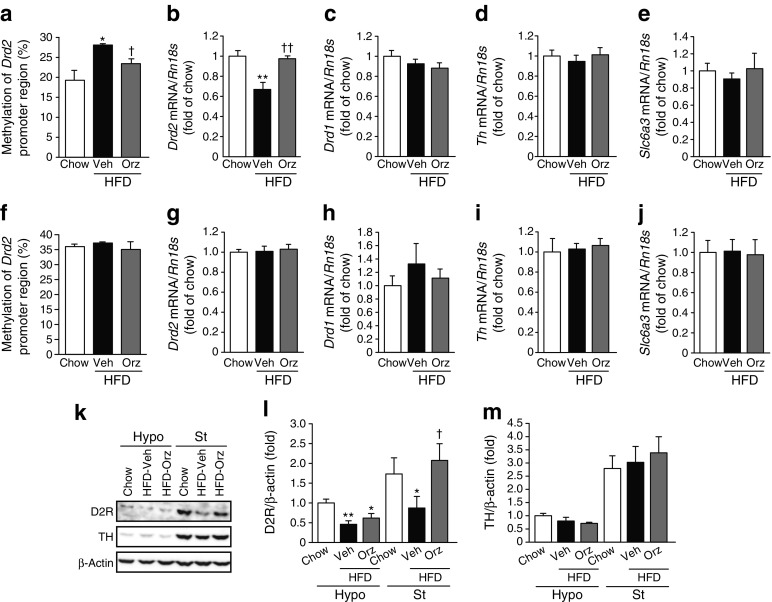
In striatum from mice fed an HFD, the production of D2Rs was decreased via an increase in DNA methylation of the promoter region of the D2R. Oral administration of γ-oryzanol decreased the expression and activity of DNMTs, thereby restoring the level of D2Rs in the striatum. Pharmacological inhibition of DNMTs by 5-aza-2'-deoxycytidine also ameliorated the preference for dietary fat. Consistent with these findings, enzymatic in vitro assays demonstrated that γ-oryzanol inhibited the activity of DNMTs.
CONCLUSIONS/INTERPRETATION: We demonstrated that γ-oryzanol ameliorates HFD-induced DNA hypermethylation of the promoter region of D2R in the striatum of mice. Our experimental paradigm highlights γ-oryzanol as a promising antiobesity substance with the distinct property of being a novel epigenetic modulator.
目的/假设:人类和啮齿动物过量摄入膳食脂肪会导致肥胖。近期对人类和啮齿动物的研究表明,对脂肪的成瘾与对酒精、尼古丁和麻醉品的成瘾在大脑奖赏系统功能障碍方面具有共同机制。有研究强调,高脂饮食(HFD)会减弱纹状体中多巴胺D2受体(D2R)信号传导,而纹状体是大脑奖赏系统的关键调节因子,会导致享乐性暴饮暴食。我们之前报道过,糙米特有的生物活性成分γ-谷维素通过下丘脑控制减弱了对高脂饮食的偏好。因此,我们探讨了γ-谷维素调节小鼠大脑奖赏系统功能的可能性。
给喂食高脂饮食的雄性C57BL/6J小鼠口服γ-谷维素,并评估纹状体中参与D2R信号传导的分子水平。研究了γ-谷维素对D2R启动子DNA甲基化的影响以及随后饮食脂肪偏好的变化。此外,还研究了DNA甲基转移酶(DNMT)的强效抑制剂5-氮杂-2'-脱氧胞苷对食物偏好、D2R信号传导和纹状体中DNMT水平的影响。在体外酶促评估了γ-谷维素对DNMT活性的抑制作用。
在喂食高脂饮食的小鼠纹状体中,D2R启动子区域的DNA甲基化增加,导致D2R的产生减少。口服γ-谷维素可降低DNMT的表达和活性,从而恢复纹状体中D2R的水平。5-氮杂-2'-脱氧胞苷对DNMT的药理学抑制也改善了对膳食脂肪的偏好。与这些发现一致,体外酶促试验表明γ-谷维素抑制了DNMT的活性。
结论/解读:我们证明了γ-谷维素可改善高脂饮食诱导的小鼠纹状体中D2R启动子区域的DNA高甲基化。我们的实验模式突出了γ-谷维素作为一种有前景的抗肥胖物质,具有作为新型表观遗传调节剂的独特特性。