Shen Yajing, Wu Congyu, Uyeda Taro Q P, Plaza Gustavo R, Liu Bin, Han Yu, Lesniak Maciej S, Cheng Yu
The Institute for Translational Nanomedicine, Shanghai East Hospital, The Institute for Biomedical Engineering & Nano Science, Tongji University School of Medicine, Shanghai, 200120, China.
Department of Physics, Faculty of Science and Engineering, Waseda University, Tokyo 169-8555, Japan.
Theranostics. 2017 Apr 10;7(6):1735-1748. doi: 10.7150/thno.18352. eCollection 2017.
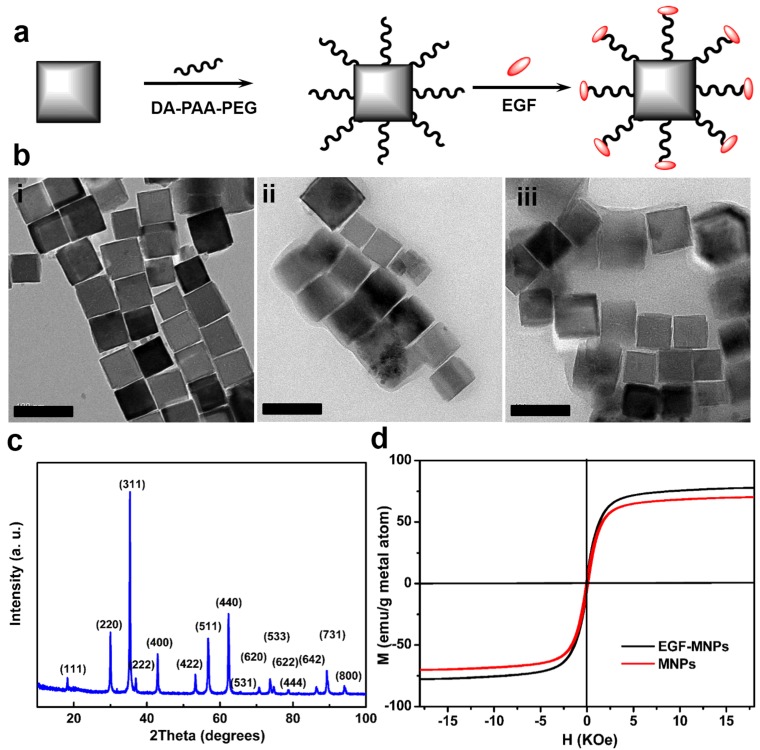
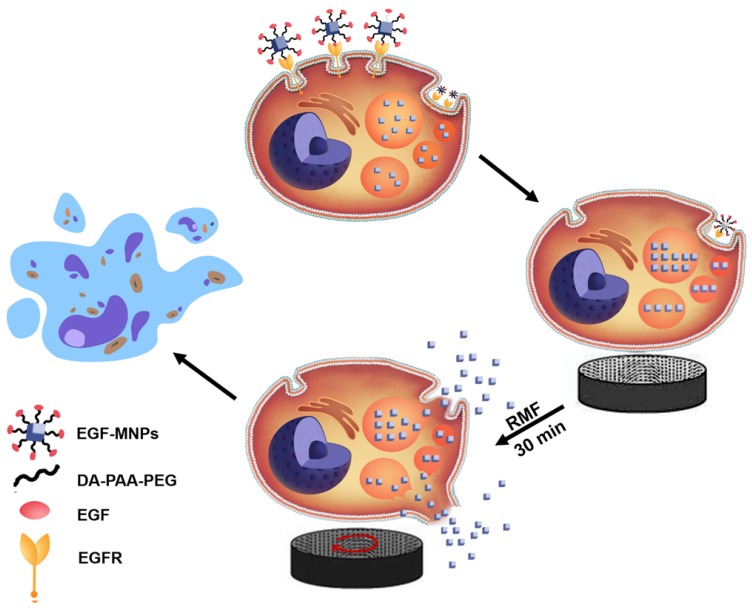
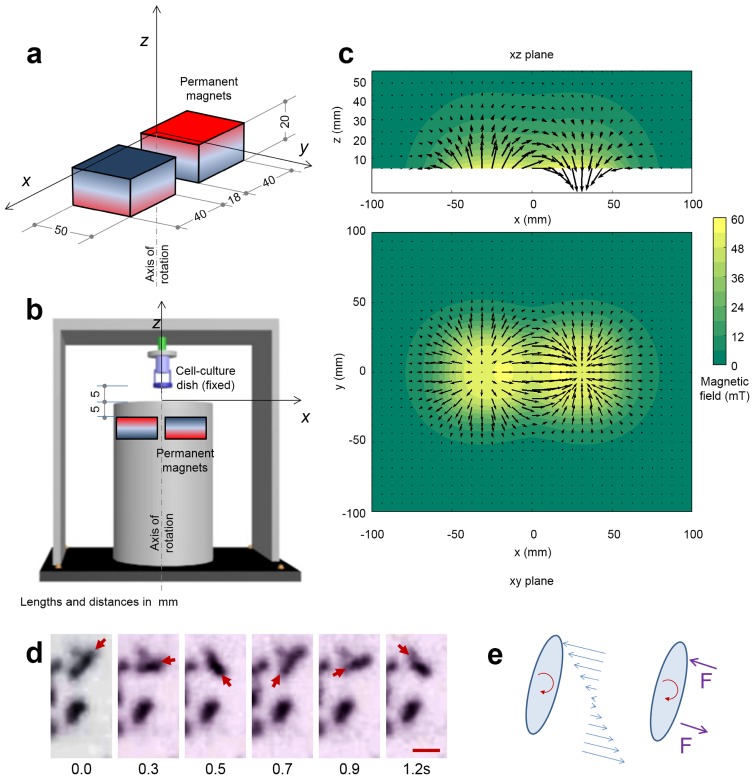
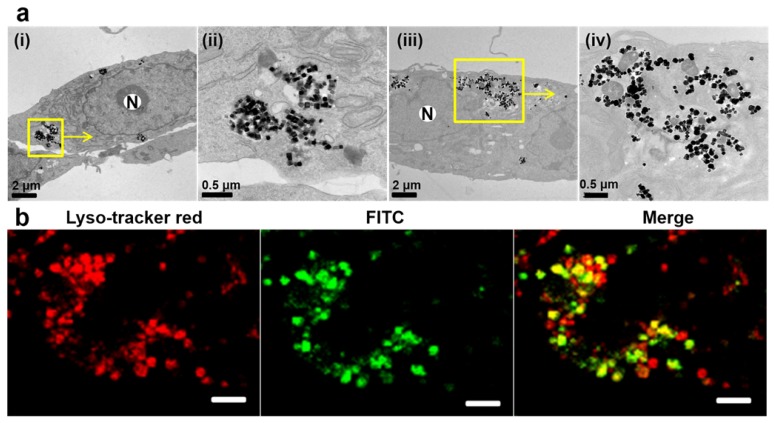
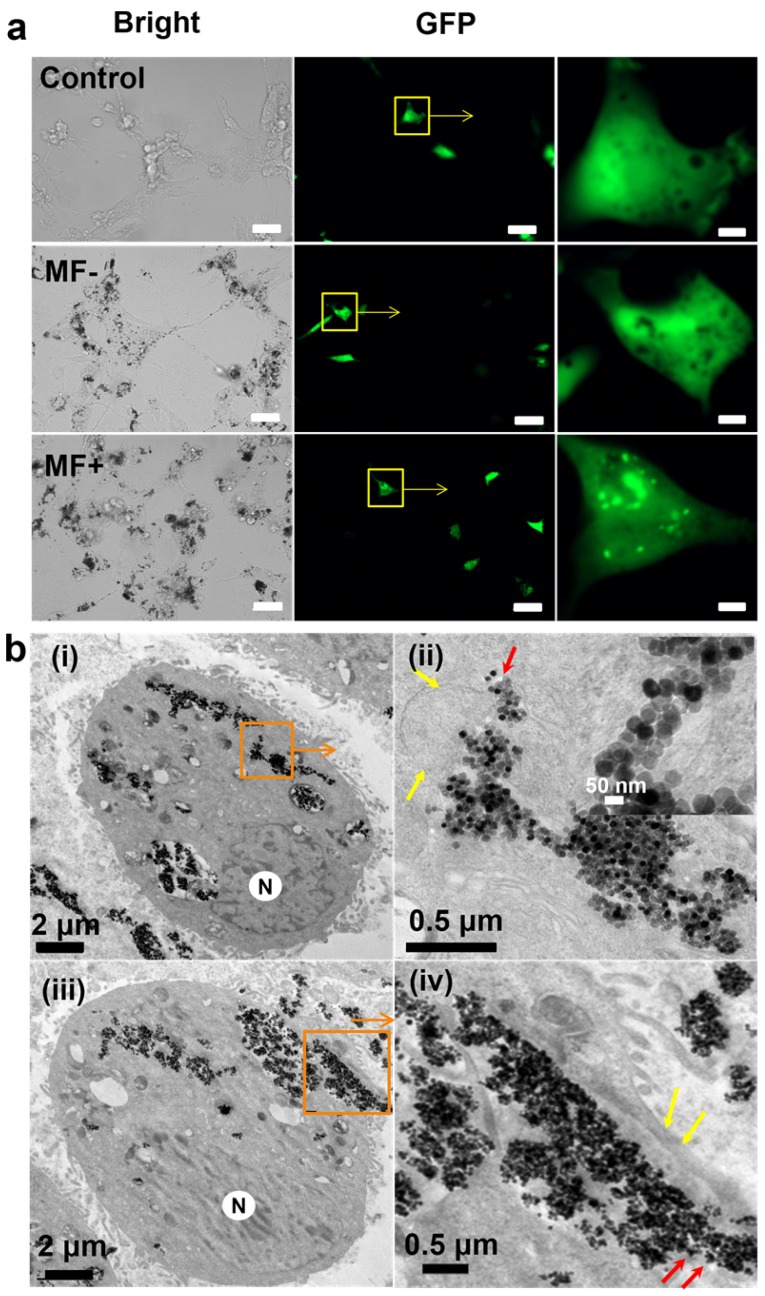
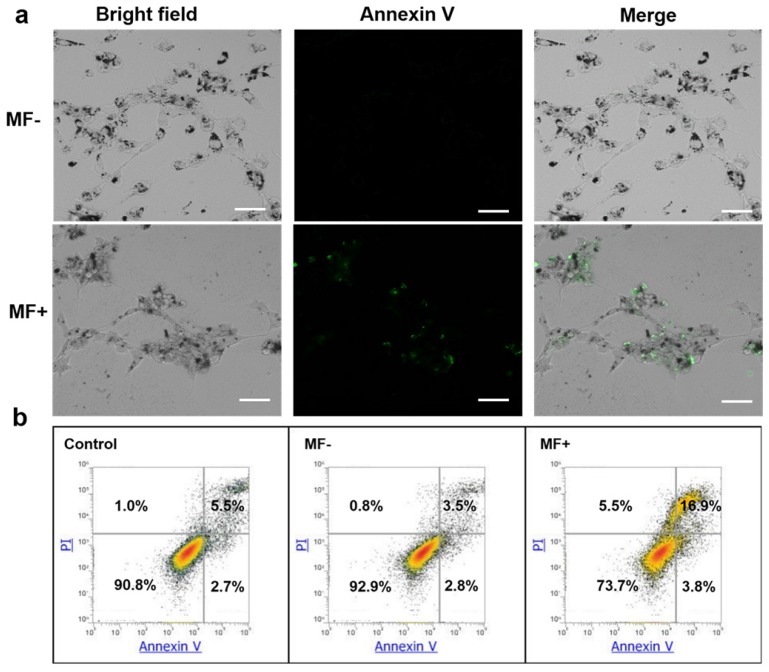
Magnetic nanoparticles (MNPs) functionalized with targeting moieties can recognize specific cell components and induce mechanical actuation under magnetic field. Their size is adequate for reaching tumors and targeting cancer cells. However, due to the nanometric size, the force generated by MNPs is smaller than the force required for largely disrupting key components of cells. Here, we show the magnetic assembly process of the nanoparticles inside the cells, to form elongated aggregates with the size required to produce elevated mechanical forces. We synthesized iron oxide nanoparticles doped with zinc, to obtain high magnetization, and functionalized with the epidermal growth factor (EGF) peptide for targeting cancer cells. Under a low frequency rotating magnetic field at 15 Hz and 40 mT, the internalized EGF-MNPs formed elongated aggregates and generated hundreds of pN to dramatically damage the plasma and lysosomal membranes. The physical disruption, including leakage of lysosomal hydrolases into the cytosol, led to programmed cell death and necrosis. Our work provides a novel strategy of designing magnetic nanomedicines for mechanical destruction of cancer cells.
用靶向部分功能化的磁性纳米颗粒(MNPs)可以识别特定的细胞成分,并在磁场作用下引发机械驱动。它们的尺寸足以到达肿瘤并靶向癌细胞。然而,由于其纳米尺寸,MNPs产生的力小于大量破坏细胞关键成分所需的力。在此,我们展示了纳米颗粒在细胞内的磁性组装过程,以形成具有产生增强机械力所需尺寸的细长聚集体。我们合成了掺杂锌的氧化铁纳米颗粒,以获得高磁化强度,并用表皮生长因子(EGF)肽进行功能化以靶向癌细胞。在15 Hz和40 mT的低频旋转磁场下,内化的EGF-MNPs形成细长聚集体,并产生数百皮牛的力,从而显著破坏质膜和溶酶体膜。包括溶酶体水解酶泄漏到细胞质中的物理破坏导致程序性细胞死亡和坏死。我们的工作为设计用于机械破坏癌细胞的磁性纳米药物提供了一种新策略。