Erickson Timothy, Morgan Clive P, Olt Jennifer, Hardy Katherine, Busch-Nentwich Elisabeth, Maeda Reo, Clemens Rachel, Krey Jocelyn F, Nechiporuk Alex, Barr-Gillespie Peter G, Marcotti Walter, Nicolson Teresa
Oregon Hearing Research Center and the Vollum Institute, Oregon Health and Science University, Portland, United States.
Department of Biomedical Science, University of Sheffield, Sheffield, United States.
Elife. 2017 May 23;6:e28474. doi: 10.7554/eLife.28474.
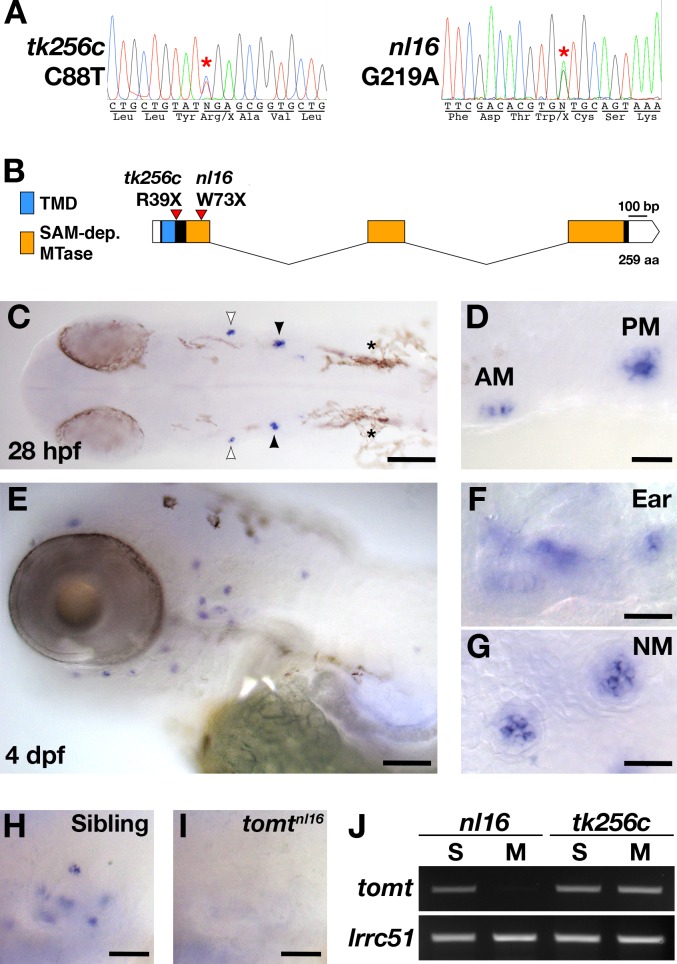
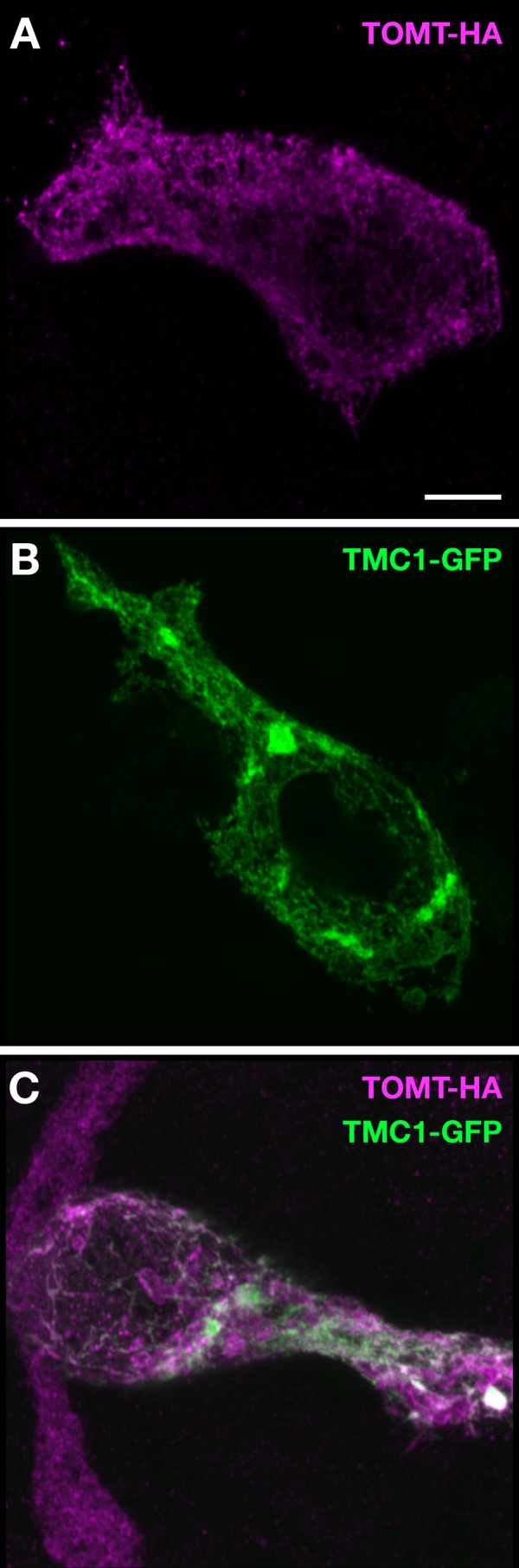
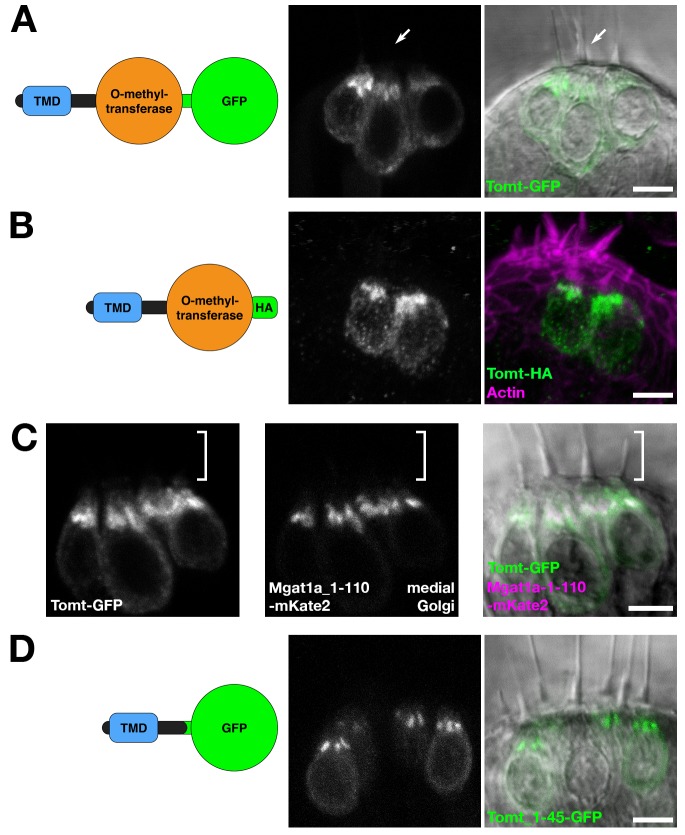
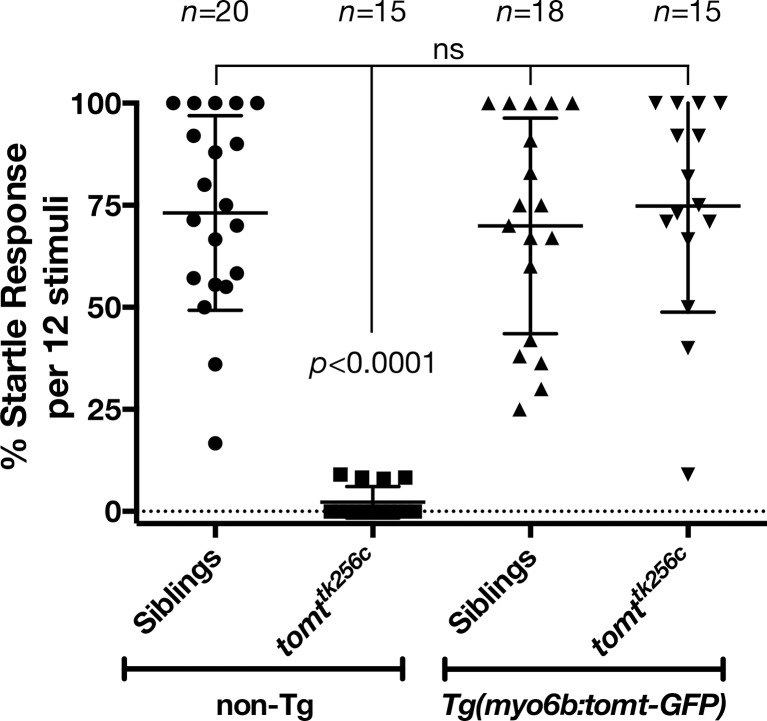
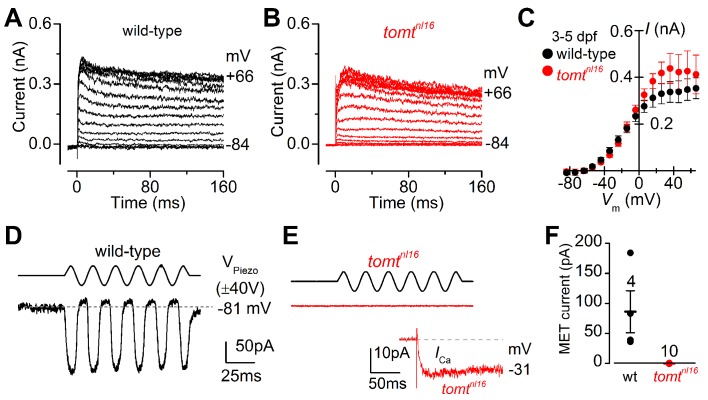
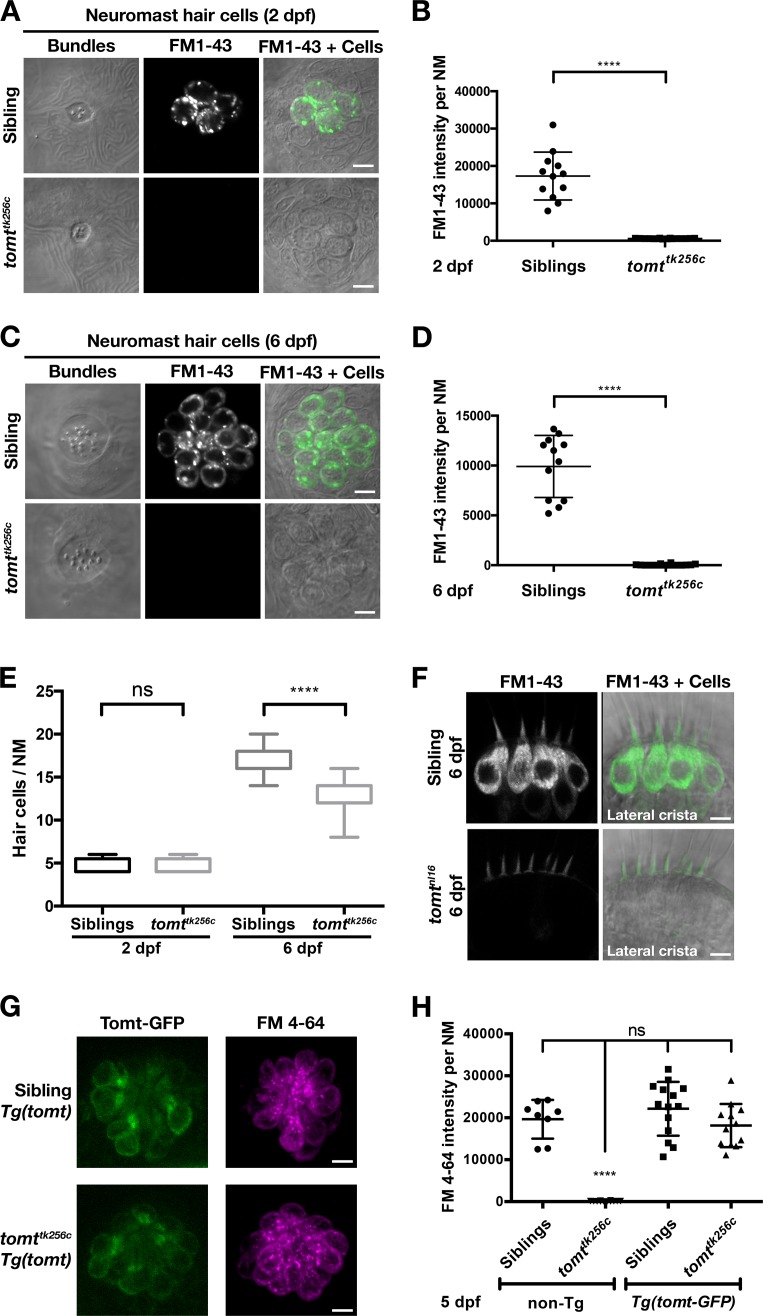
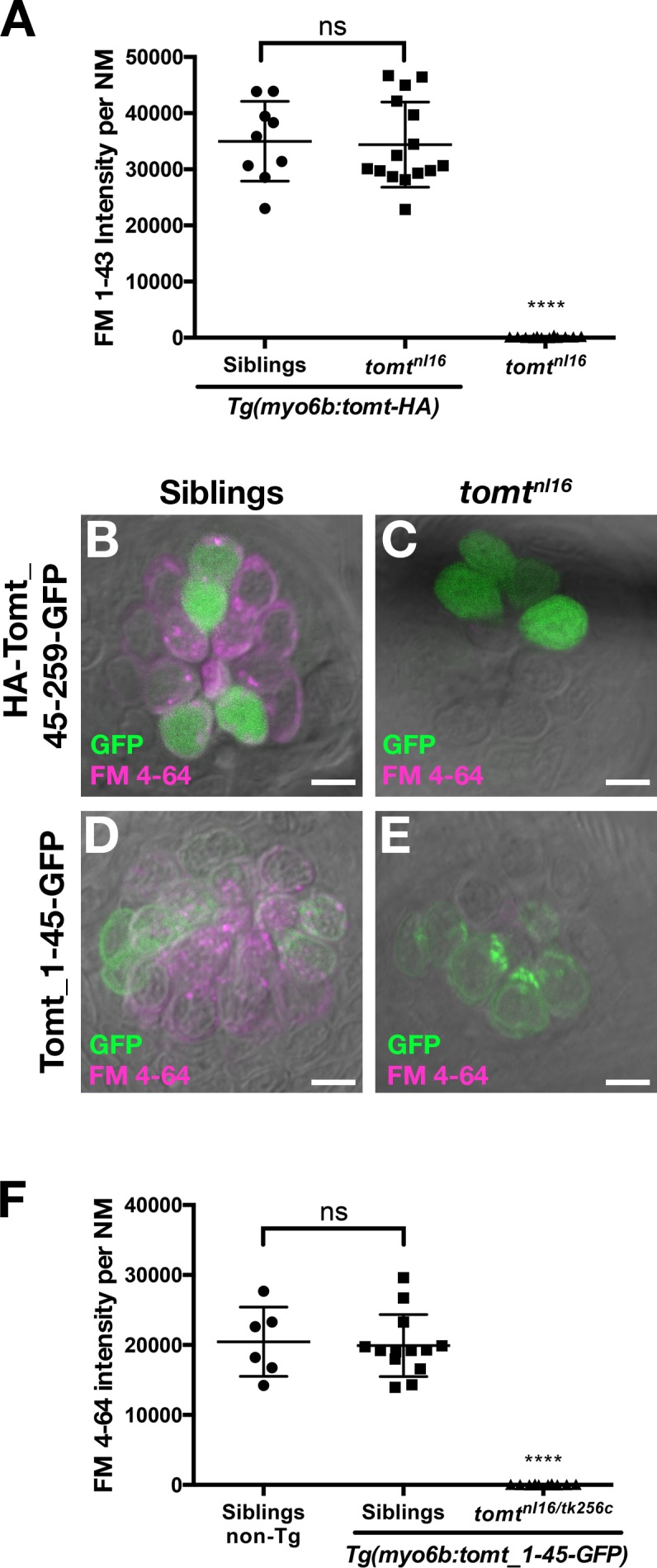
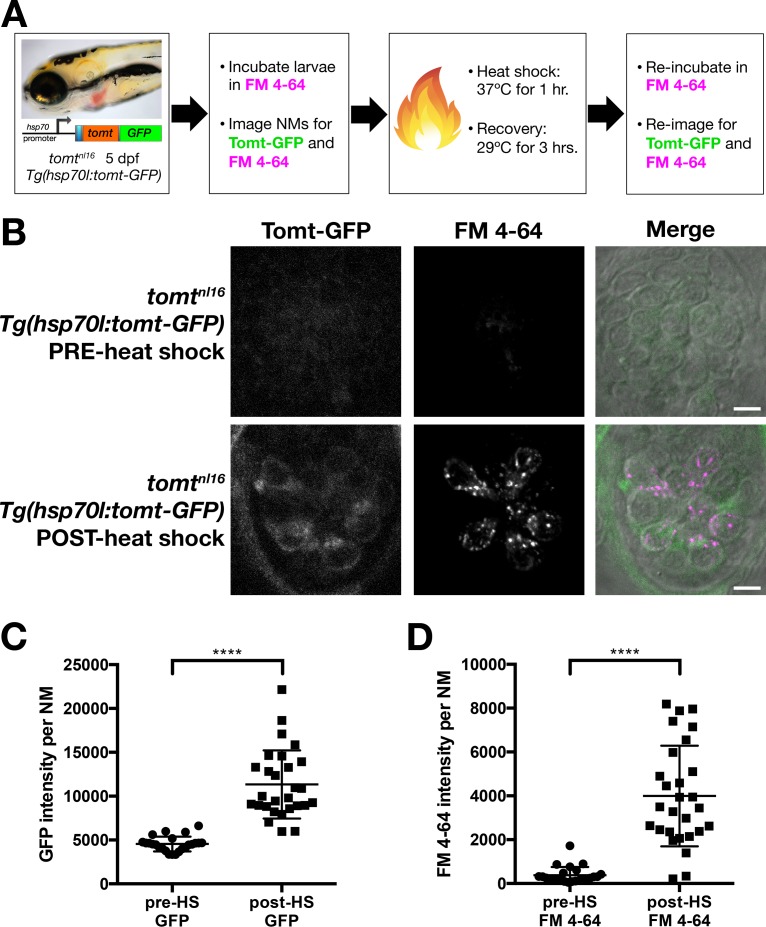
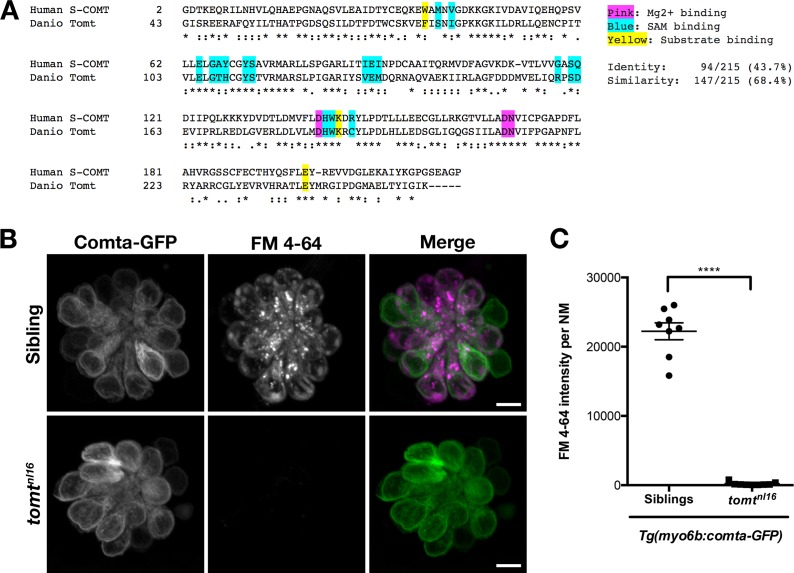
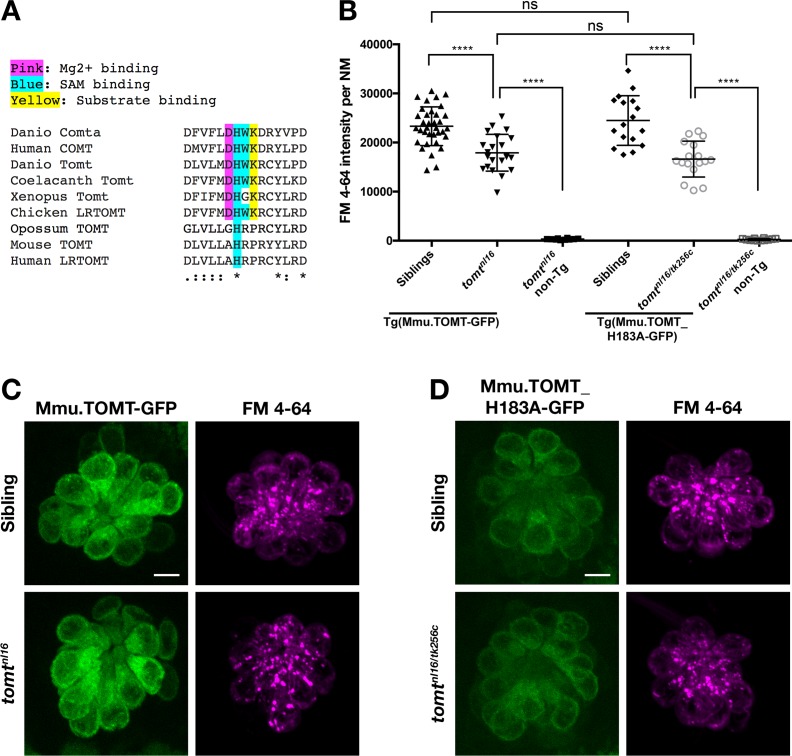
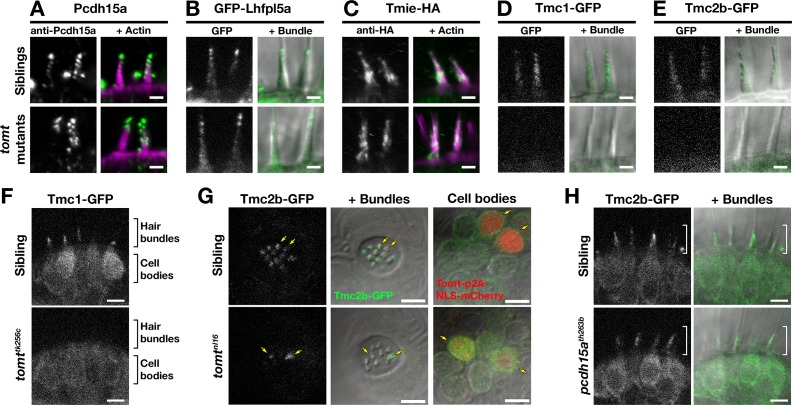
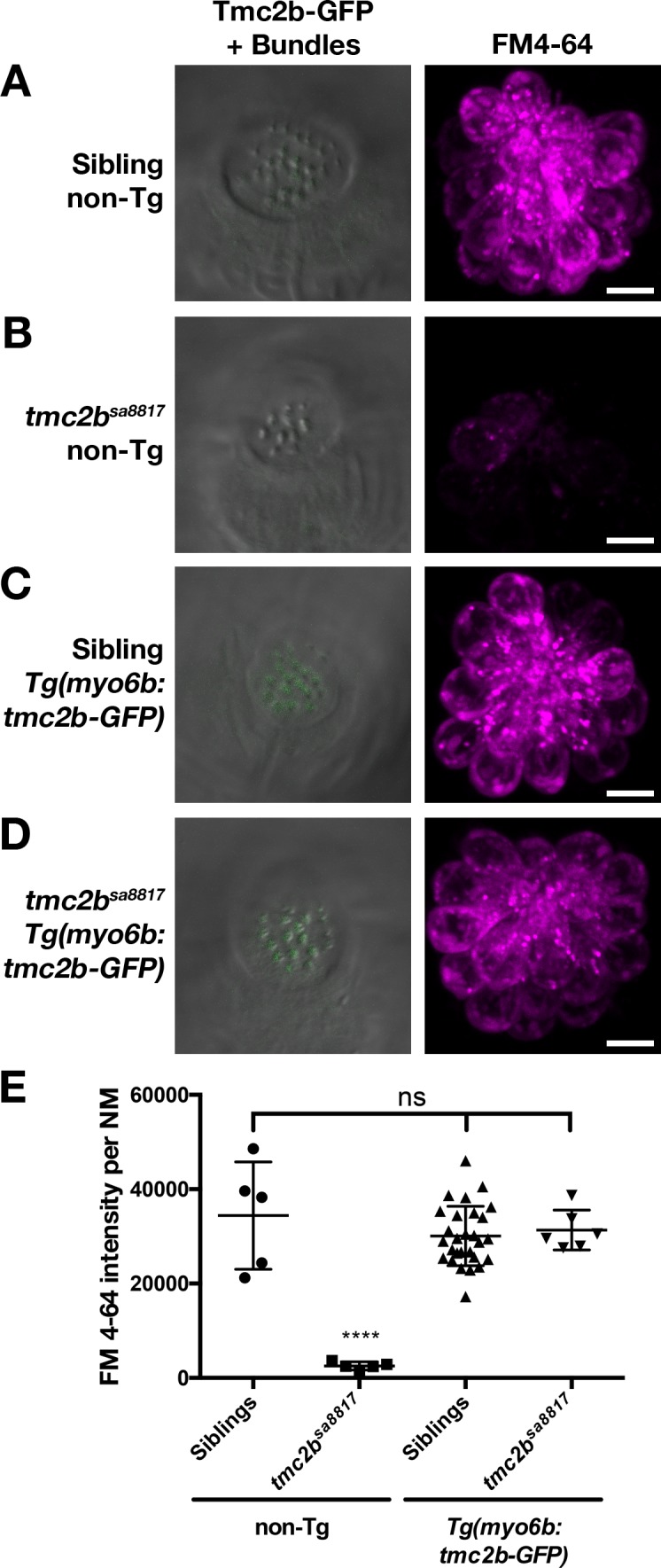
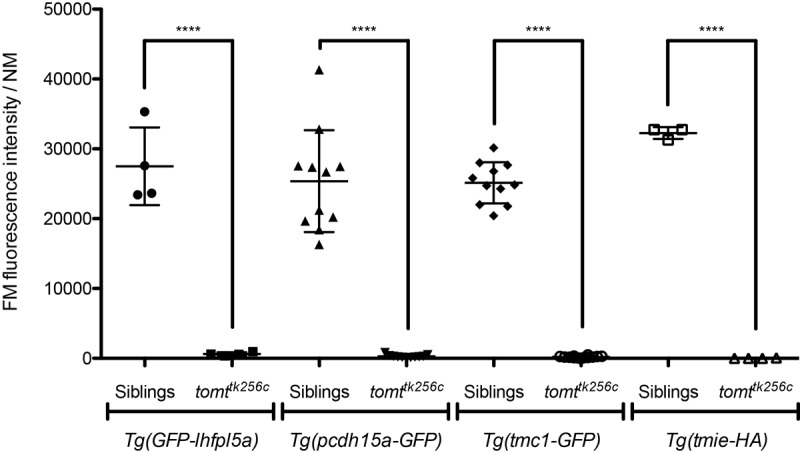
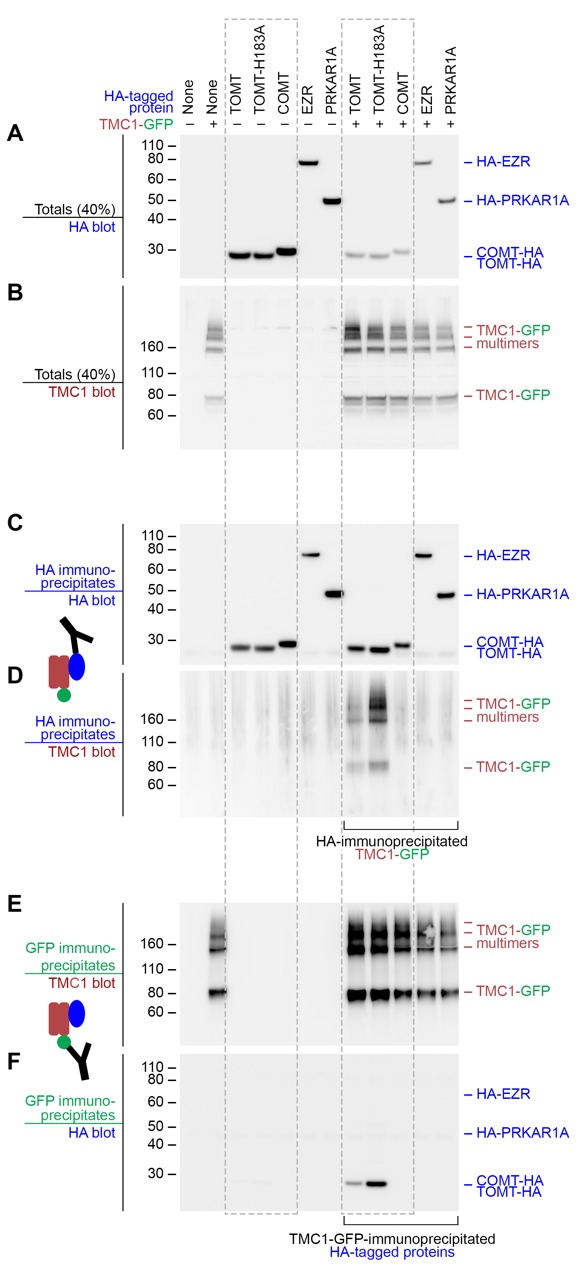
Transmembrane O-methyltransferase (/) is responsible for non-syndromic deafness DFNB63. However, the specific defects that lead to hearing loss have not been described. Using a zebrafish model of DFNB63, we show that the auditory and vestibular phenotypes are due to a lack of mechanotransduction (MET) in Tomt-deficient hair cells. GFP-tagged Tomt is enriched in the Golgi of hair cells, suggesting that Tomt might regulate the trafficking of other MET components to the hair bundle. We found that Tmc1/2 proteins are specifically excluded from the hair bundle in mutants, whereas other MET complex proteins can still localize to the bundle. Furthermore, mouse TOMT and TMC1 can directly interact in HEK 293 cells, and this interaction is modulated by His183 in TOMT. Thus, we propose a model of MET complex assembly where Tomt and the Tmcs interact within the secretory pathway to traffic Tmc proteins to the hair bundle.
跨膜O-甲基转移酶(/)是导致非综合征性耳聋DFNB63的原因。然而,导致听力损失的具体缺陷尚未得到描述。利用DFNB63的斑马鱼模型,我们发现听觉和前庭表型是由于Tomt缺陷的毛细胞中缺乏机械转导(MET)。绿色荧光蛋白标记的Tomt在毛细胞的高尔基体中富集,这表明Tomt可能调节其他MET成分向毛束的运输。我们发现,在突变体中,Tmc1/2蛋白被特异性地排除在毛束之外,而其他MET复合蛋白仍可定位于毛束。此外,小鼠TOMT和TMC1可以在HEK 293细胞中直接相互作用,并且这种相互作用受TOMT中His183的调节。因此,我们提出了一个MET复合组装模型,其中Tomt和Tmcs在分泌途径中相互作用,将Tmc蛋白运输到毛束。