Von Stetina Stephen E, Liang Jennifer, Marnellos Georgios, Mango Susan E
Department of Molecular and Cellular Biology, Harvard University, Cambridge; MA 02138.
Informatics and Scientific Applications, Science Division, Faculty of Arts and Sciences, Harvard University, Cambridge; MA 02138.
Mol Biol Cell. 2017 Jul 15;28(15):2042-2065. doi: 10.1091/mbc.E16-09-0644. Epub 2017 May 24.
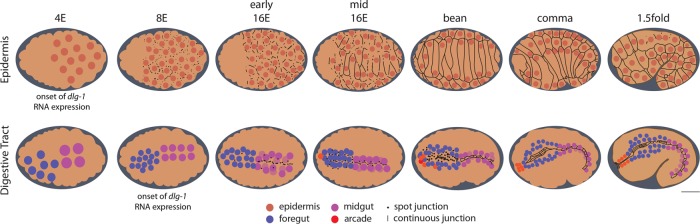
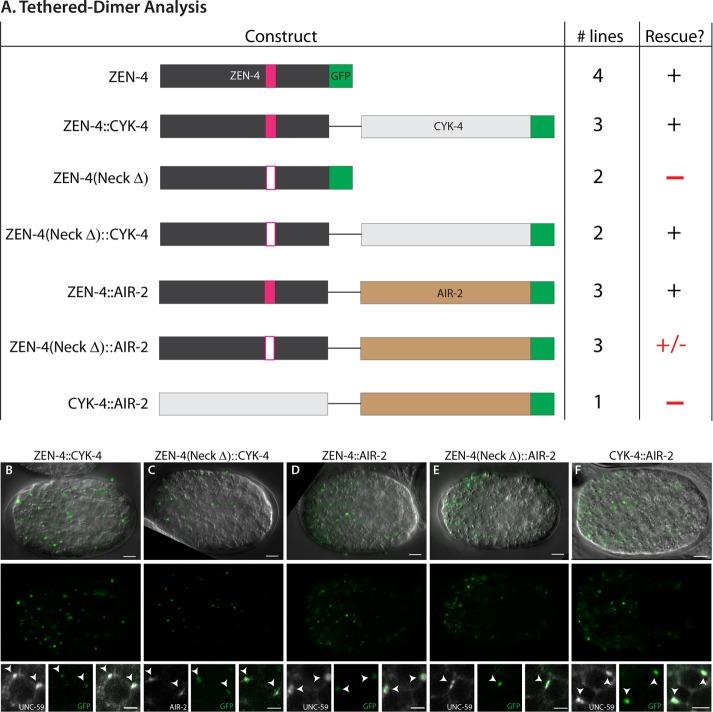
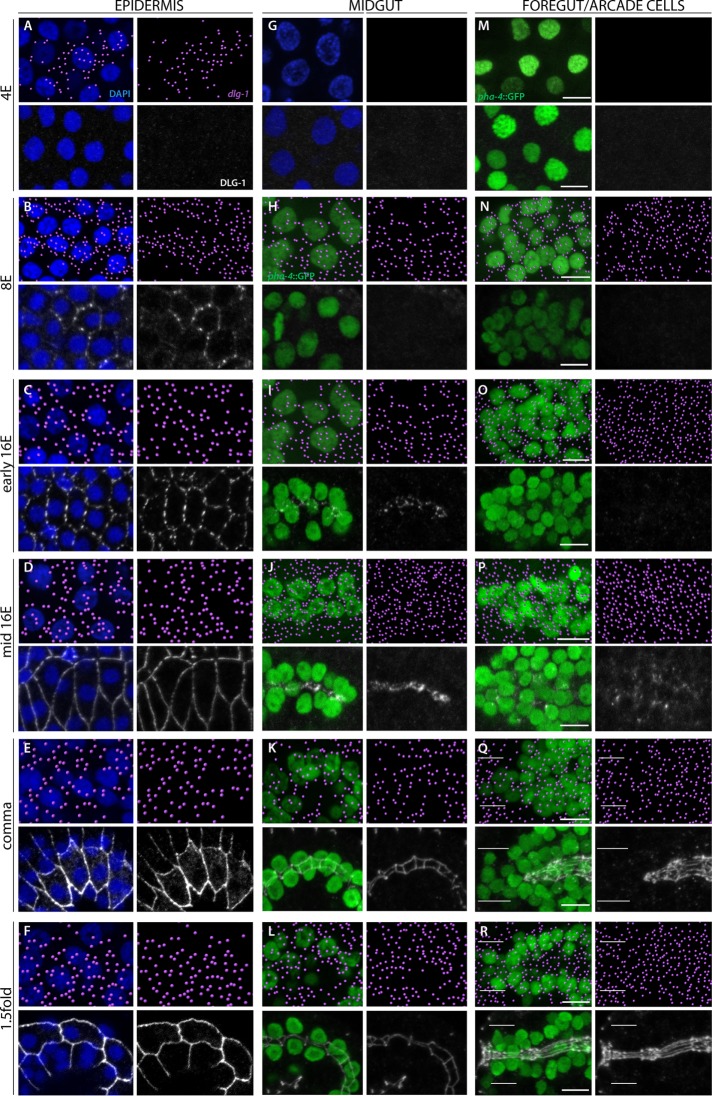
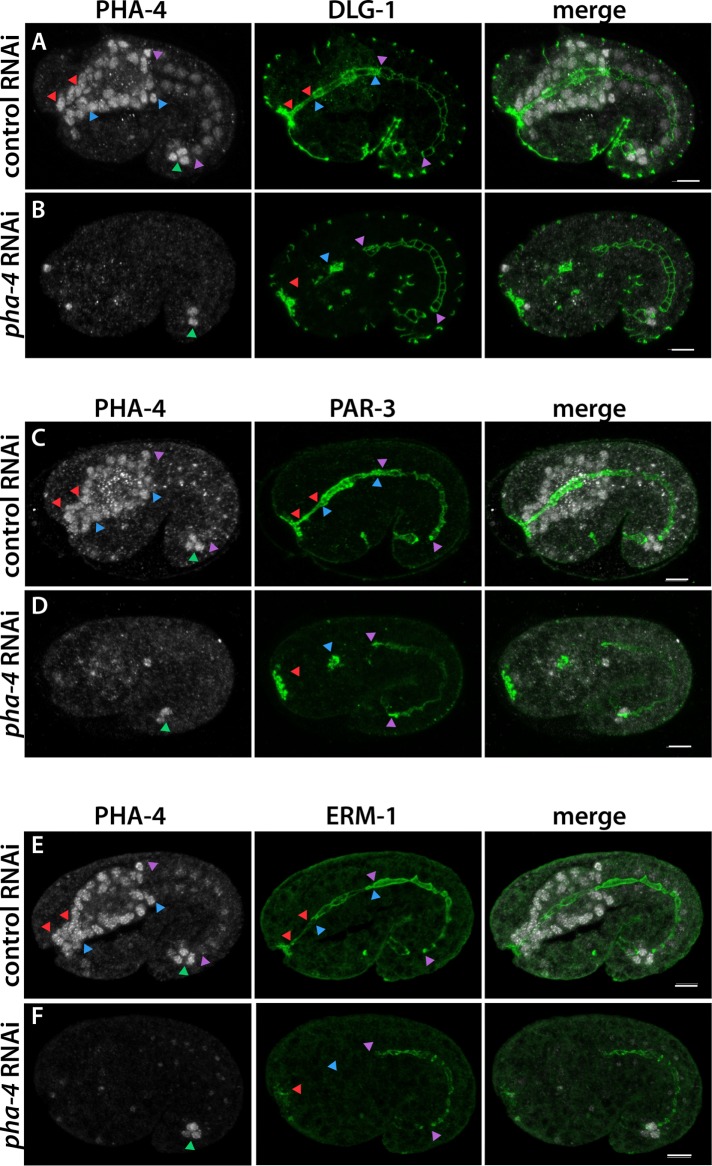
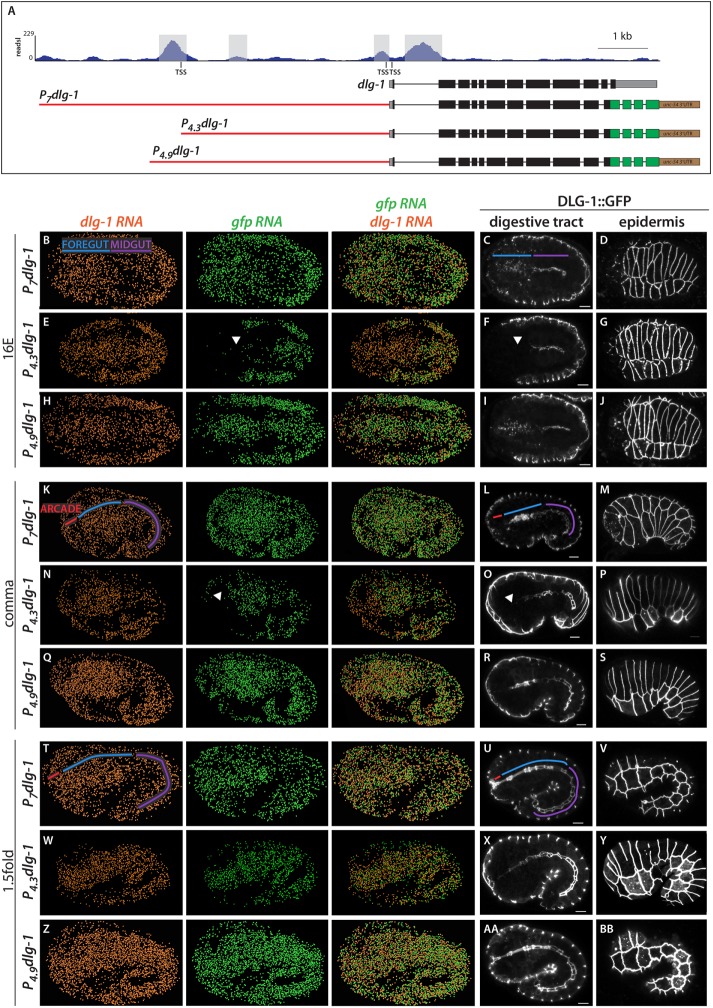
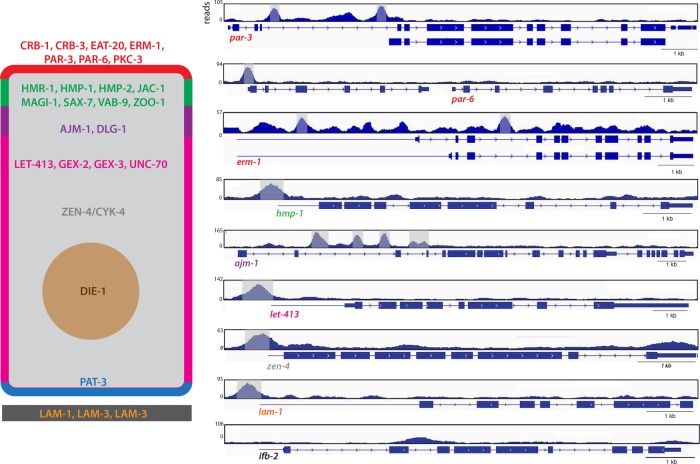
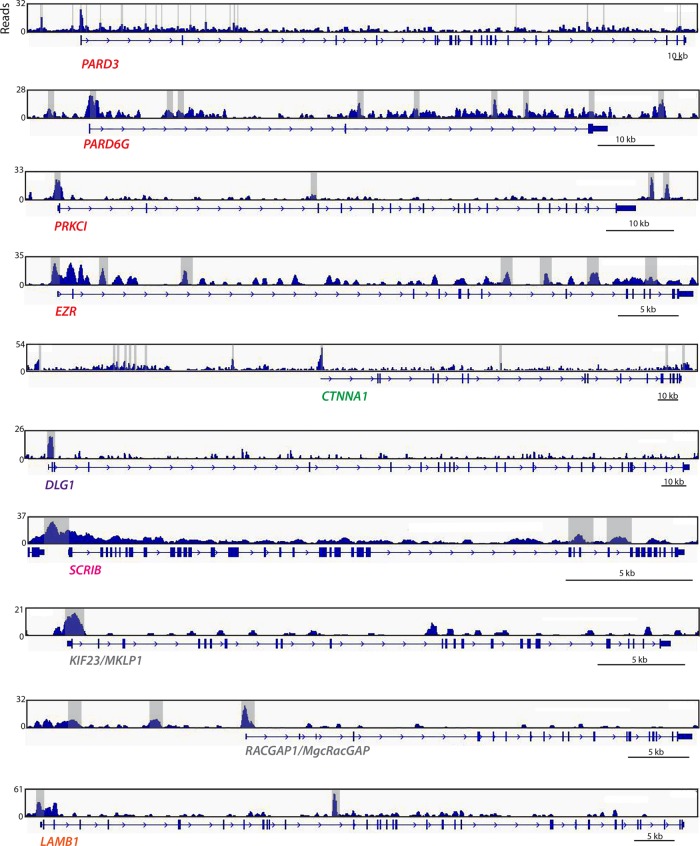
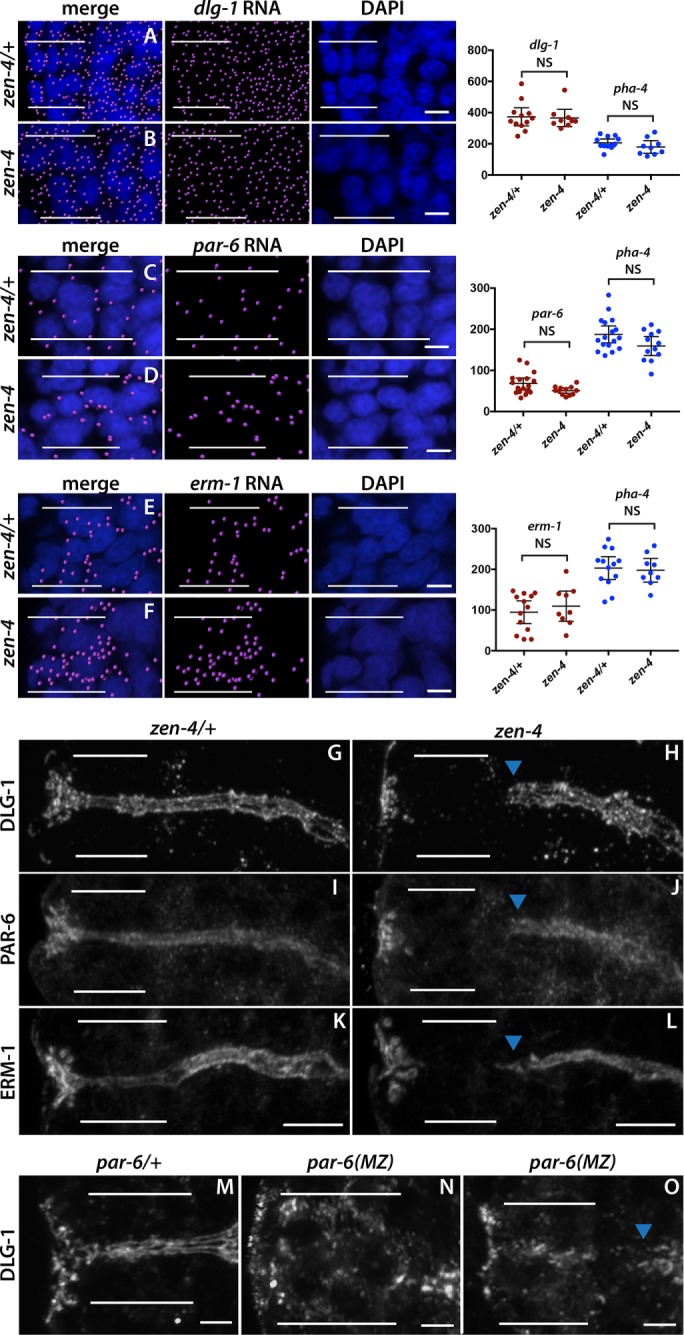
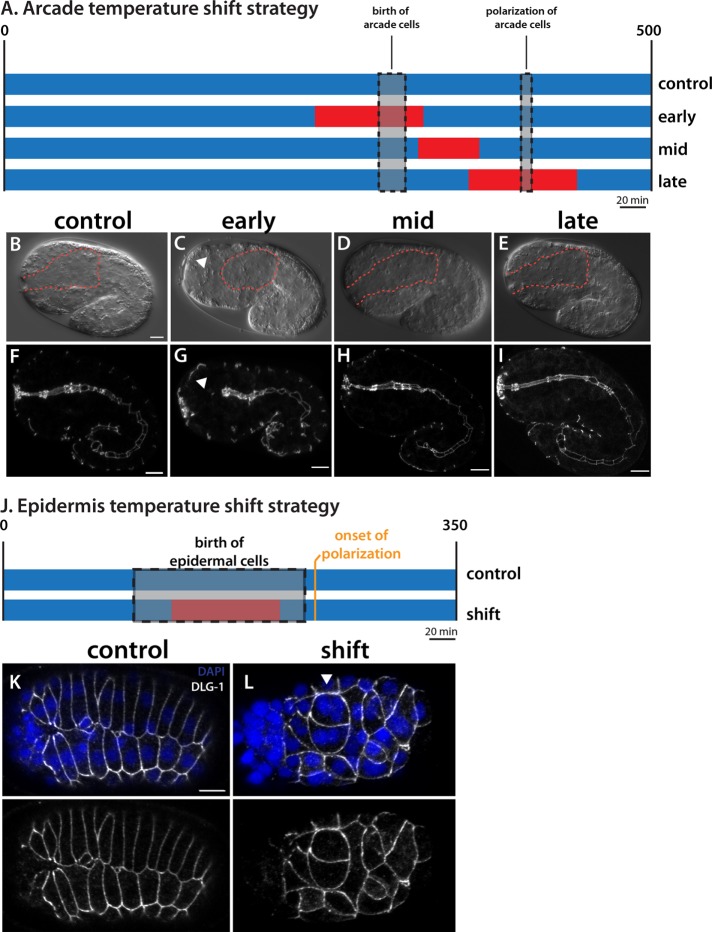
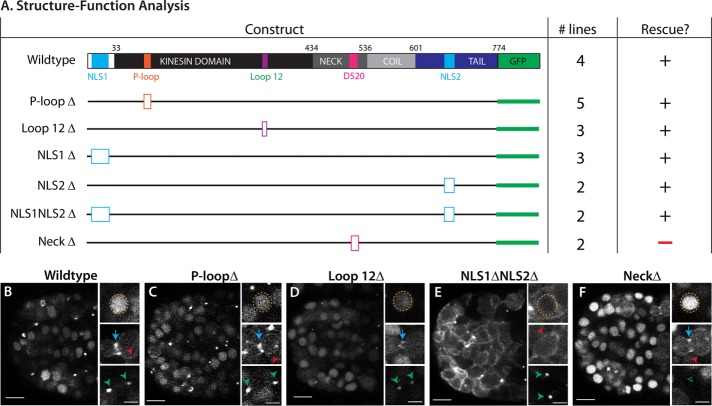
To establish the animal body plan, embryos link the external epidermis to the internal digestive tract. In , this linkage is achieved by the arcade cells, which form an epithelial bridge between the foregut and epidermis, but little is known about how development of these three epithelia is coordinated temporally. The arcade cell epithelium is generated after the epidermis and digestive tract epithelia have matured, ensuring that both organs can withstand the mechanical stress of embryo elongation; mistiming of epithelium formation leads to defects in morphogenesis. Using a combination of genetic, bioinformatic, and imaging approaches, we find that temporal regulation of the arcade cell epithelium is mediated by the pioneer transcription factor and master regulator PHA-4/FoxA, followed by the cytoskeletal regulator and kinesin ZEN-4/MKLP1 and the polarity protein PAR-6. We show that PHA-4 directly activates mRNA expression of a broad cohort of epithelial genes, including junctional factor Accumulation of DLG-1 protein is delayed by ZEN-4, acting in concert with its binding partner CYK-4/MgcRacGAP. Our structure-function analysis suggests that nuclear and kinesin functions are dispensable, whereas binding to CYK-4 is essential, for ZEN-4 function in polarity. Finally, PAR-6 is necessary to localize polarity proteins such as DLG-1 within adherens junctions and at the apical surface, thereby generating arcade cell polarity. Our results reveal that the timing of a landmark event during embryonic morphogenesis is mediated by the concerted action of four proteins that delay the formation of an epithelial bridge until the appropriate time. In addition, we find that mammalian FoxA associates with many epithelial genes, suggesting that direct regulation of epithelial identity may be a conserved feature of FoxA factors and a contributor to FoxA function in development and cancer.
为了建立动物身体结构,胚胎将外部表皮与内部消化道连接起来。在[具体物种]中,这种连接是由拱廊细胞实现的,拱廊细胞在前肠和表皮之间形成上皮桥,但对于这三种上皮的发育如何在时间上协调却知之甚少。拱廊细胞上皮是在表皮和消化道上皮成熟后产生的,以确保两个器官都能承受胚胎伸长的机械应力;上皮形成时间不当会导致形态发生缺陷。通过结合遗传、生物信息学和成像方法,我们发现拱廊细胞上皮的时间调控由先驱转录因子和主调控因子PHA-4/FoxA介导,随后是细胞骨架调控因子和驱动蛋白ZEN-4/MKLP1以及极性蛋白PAR-6。我们表明,PHA-4直接激活大量上皮基因的mRNA表达,包括连接因子。DLG-1蛋白的积累被ZEN-4与其结合伴侣CYK-4/MgcRacGAP协同作用延迟。我们的结构-功能分析表明,对于ZEN-4在极性方面的功能,核功能和驱动蛋白功能是可有可无的,而与CYK-4的结合是必不可少的。最后,PAR-6对于将极性蛋白如DLG-1定位在黏着连接内和顶端表面是必需的,从而产生拱廊细胞极性。我们的结果表明,胚胎形态发生过程中一个标志性事件的时间是由四种蛋白质的协同作用介导的,这些蛋白质将上皮桥的形成延迟到适当的时间。此外,我们发现哺乳动物的FoxA与许多上皮基因相关联,这表明对上皮身份的直接调控可能是FoxA因子的一个保守特征,也是FoxA在发育和癌症中发挥功能的一个因素。