
P21 v-ras抑制血小板衍生生长因子诱导的c-myc和c-fos表达。
P21 v-ras inhibits induction of c-myc and c-fos expression by platelet-derived growth factor.
作者信息
Zullo J N, Faller D V
机构信息
Division of Pediatric Hematology, Dana-Farber Cancer Institute, Boston, Massachusetts 02115.
出版信息
Mol Cell Biol. 1988 Dec;8(12):5080-5. doi: 10.1128/mcb.8.12.5080-5085.1988.
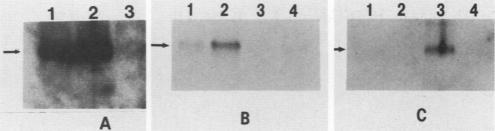
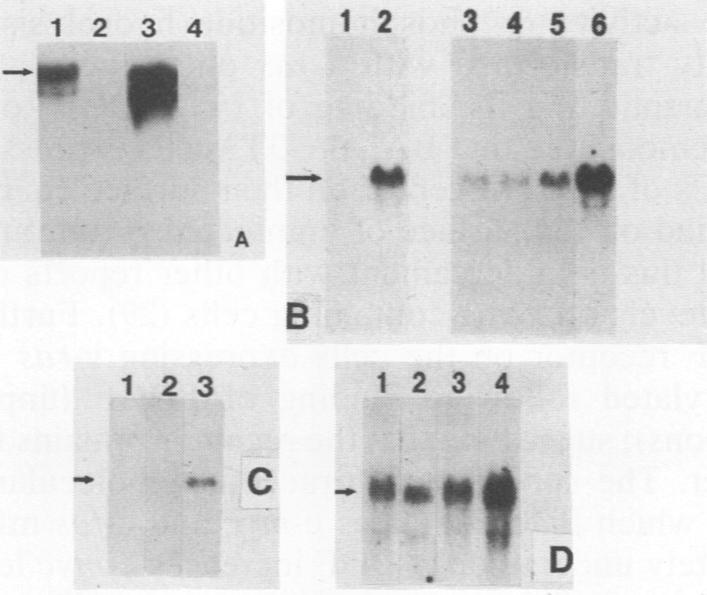
The viral oncogene v-ras inhibited the platelet-derived growth factor (PDGF)-induced upregulation of c-myc and c-fos proto-oncogene expression in fibroblast monolayers. These v-ras-containing cells proliferated in the absence of c-myc induction and no longer required PDGF to support growth. Fibroblasts expressing v-ras continued to express the same number of functional PDGF receptors on their surface as uninfected cells, yet the usual induction of transcription of the genes c-myc, c-fos, and JE in response to PDGF stimulation did not occur in the presence of newly introduced v-ras or chronic v-ras gene expression, and synthesis of c-myc protein did not occur. This inhibitory effect on growth factor-mediated induction of cellular proto-oncogenes was specific for PDGF in that induction of the c-myc and c-fos genes by certain other factors was not impaired.
病毒癌基因v-ras抑制血小板衍生生长因子(PDGF)诱导的成纤维细胞单层中c-myc和c-fos原癌基因表达的上调。这些含有v-ras的细胞在没有c-myc诱导的情况下增殖,并且不再需要PDGF来支持生长。表达v-ras的成纤维细胞在其表面继续表达与未感染细胞相同数量的功能性PDGF受体,然而,在新引入v-ras或慢性v-ras基因表达的情况下,通常对PDGF刺激作出反应的c-myc、c-fos和JE基因转录诱导并未发生,并且c-myc蛋白的合成也未发生。这种对生长因子介导的细胞原癌基因诱导的抑制作用对PDGF具有特异性,因为某些其他因子对c-myc和c-fos基因的诱导并未受损。



 Zotero 插件