Bianchet Mario A, Pan Ying H, Basta Leighanne A Brammer, Saavedra Harry, Lloyd Evan P, Kumar Pankaj, Mattoo Rohini, Townsend Craig A, Lamichhane Gyanu
Department of Neurology, Johns Hopkins University School of Medicine, 725 N. Wolfe Street, Baltimore, MD, 21205, USA.
Department of Biophysics and Biophysical Chemistry, Structural Enzymology and Thermodynamics Group, Johns Hopkins University School of Medicine, 725 N. Wolfe Street, Baltimore, MD, 21205, USA.
BMC Biochem. 2017 May 25;18(1):8. doi: 10.1186/s12858-017-0082-4.
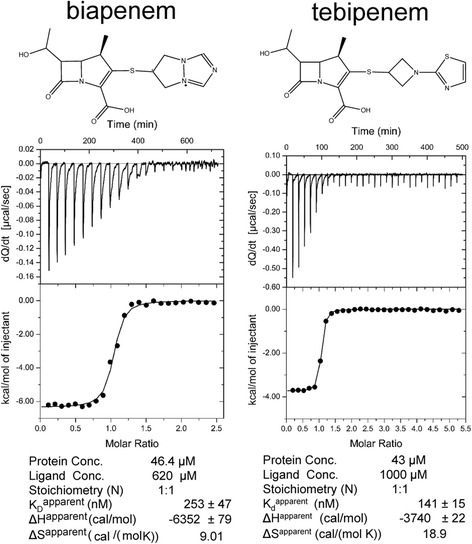
The carbapenem subclass of β-lactams is among the most potent antibiotics available today. Emerging evidence shows that, unlike other subclasses of β-lactams, carbapenems bind to and inhibit non-classical transpeptidases (L,D-transpeptidases) that generate 3 → 3 linkages in bacterial peptidoglycan. The carbapenems biapenem and tebipenem exhibit therapeutically valuable potencies against Mycobacterium tuberculosis (Mtb).
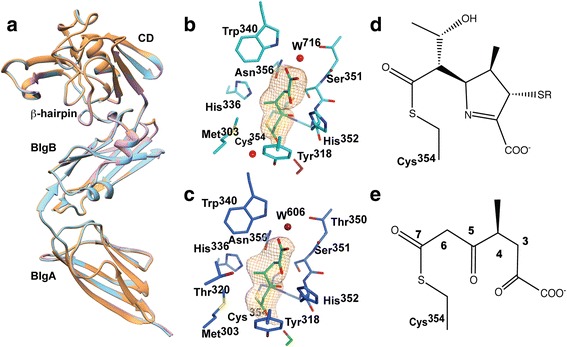
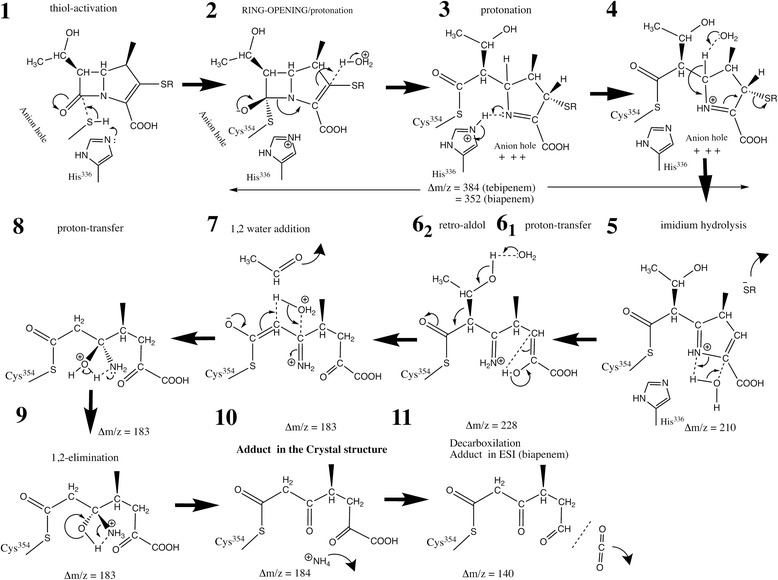
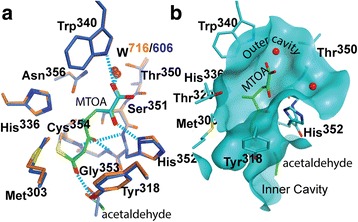
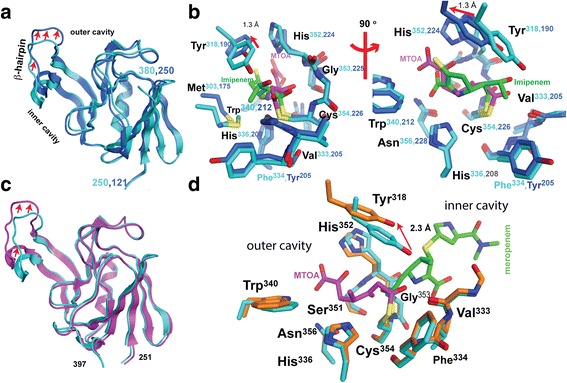
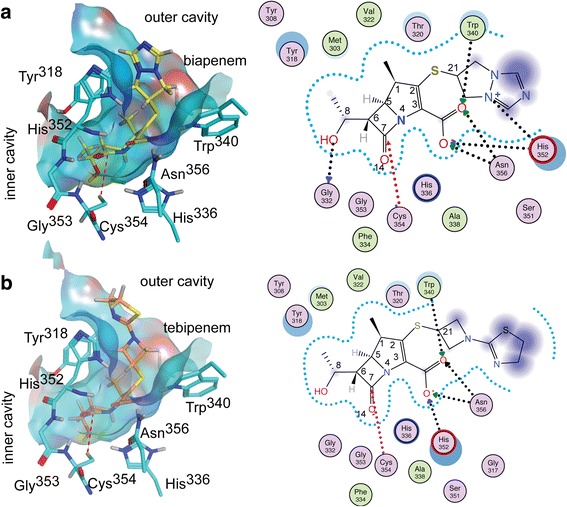
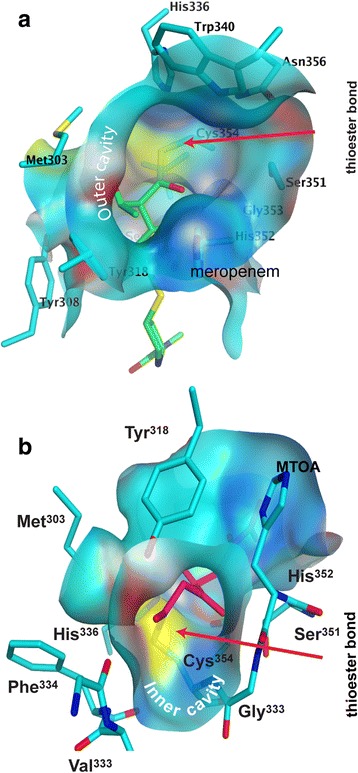
Here, we report the X-ray crystal structures of Mtb L,D-transpeptidase-2 (Ldt) complexed with biapenem or tebipenem. Despite significant variations in carbapenem sulfur side chains, biapenem and tebipenem ultimately form an identical adduct that docks to the outer cavity of Ldt. We propose that this common adduct is an enzyme catalyzed decomposition of the carbapenem adduct by a mechanism similar to S-conjugate elimination by β-lyases.
The results presented here demonstrate biapenem and tebipenem bind to the outer cavity of Ldt, covalently inactivate the enzyme, and subsequently degrade via an S-conjugate elimination mechanism. We discuss structure based drug design based on the findings and propose that the S-conjugate elimination can be leveraged to design novel agents to deliver and locally release antimicrobial factors to act synergistically with the carbapenem carrier.
碳青霉烯类β-内酰胺抗生素是当今最有效的抗生素之一。新出现的证据表明,与其他β-内酰胺类抗生素不同,碳青霉烯类抗生素可结合并抑制非经典转肽酶(L,D-转肽酶),该酶在细菌肽聚糖中生成3→3连接。碳青霉烯类抗生素比阿培南和替比培南对结核分枝杆菌(Mtb)具有治疗价值的效力。
在此,我们报告了结核分枝杆菌L,D-转肽酶-2(Ldt)与比阿培南或替比培南复合的X射线晶体结构。尽管碳青霉烯类抗生素的硫侧链存在显著差异,但比阿培南和替比培南最终形成了相同的加合物,该加合物对接至Ldt的外腔。我们提出,这种常见的加合物是碳青霉烯类加合物通过类似于β-裂解酶的S-共轭消除的机制进行的酶催化分解。
此处呈现的结果表明,比阿培南和替比培南与Ldt的外腔结合,使该酶共价失活,随后通过S-共轭消除机制降解。我们基于这些发现讨论了基于结构的药物设计,并提出可以利用S-共轭消除来设计新型药物,以递送和局部释放抗菌因子,与碳青霉烯类载体协同发挥作用。