Faculty of Biosciences and Medical Engineering, Universiti Teknologi Malaysia, 81310, Johor Bahru, Johor, Malaysia.
Laser Centre, IBNU SINA ISIR, Universiti Teknologi Malaysia, 81310, Johor Bahru, Johor, Malaysia.
Sci Rep. 2017 May 31;7(1):2746. doi: 10.1038/s41598-017-01849-3.
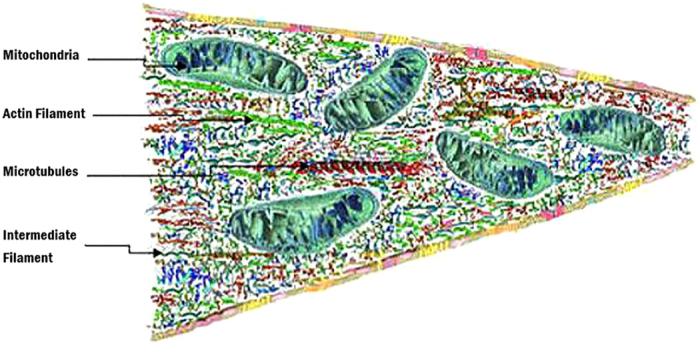
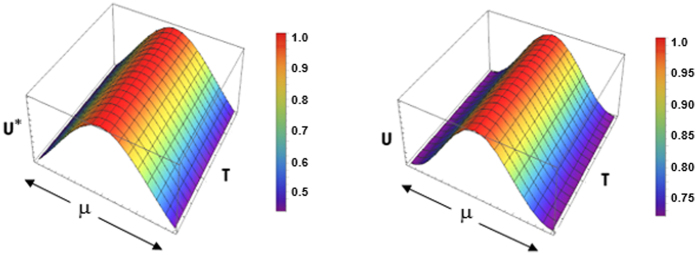
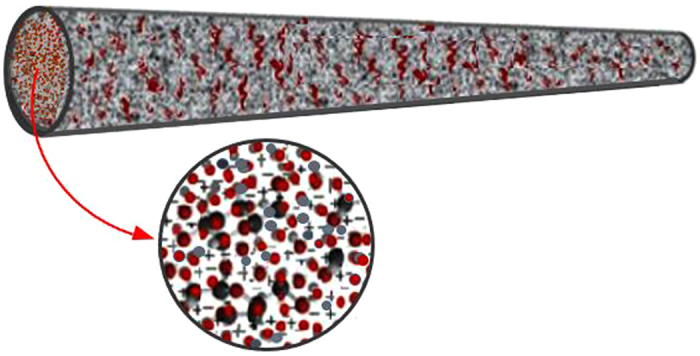
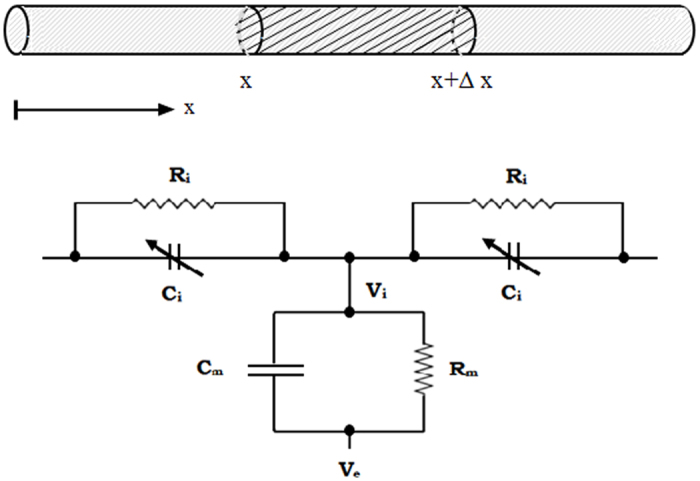
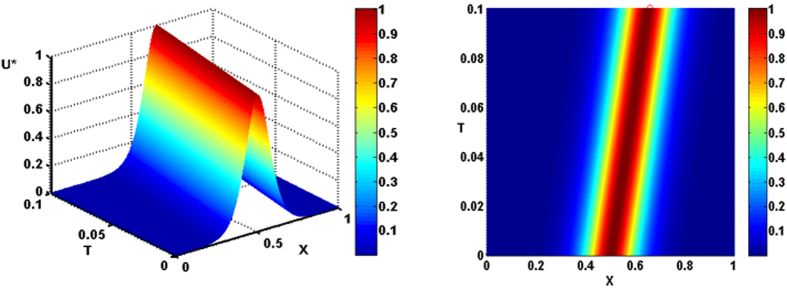
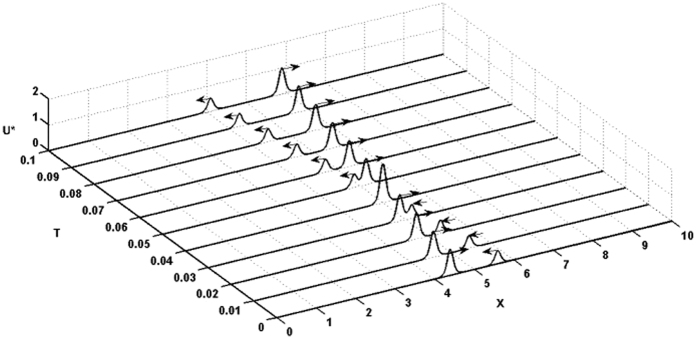
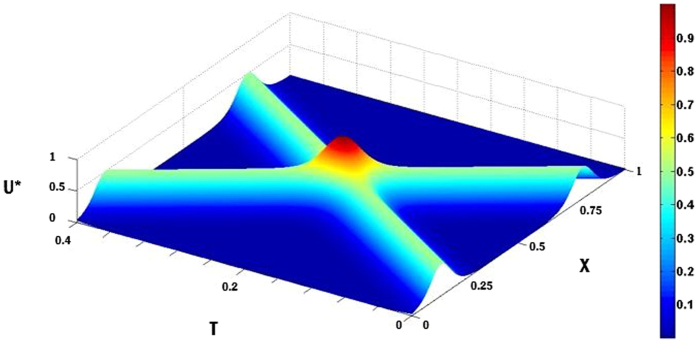
A model of solitonic conduction in neuronal branchlets with microstructure is presented. The application of cable theory to neurons with microstructure results in a nonlinear cable equation that is solved using a direct method to obtain analytical approximations of traveling wave solutions. It is shown that a linear superposition of two oppositely directed traveling waves demonstrate solitonic interaction: colliding waves can penetrate through each other, and continue fully intact as the exact pulses that entered the collision. These findings indicate that microstructure when polarized can sustain solitary waves that propagate at a constant velocity without attenuation or distortion in the absence of synaptic transmission. Solitonic conduction in a neuronal branchlet arising from polarizability of its microstructure is a novel signaling mode of electrotonic signals in thin processes (<0.5 μm diameter).
提出了一种具有微观结构的神经元分支的孤子传导模型。将电缆理论应用于具有微观结构的神经元,会得到一个非线性的电缆方程,该方程使用直接方法求解,以获得行波解的解析近似。结果表明,两个相反方向的行波的线性叠加表现出孤子相互作用:碰撞波可以穿透彼此,并作为进入碰撞的精确脉冲继续完整无损地传播。这些发现表明,当极化时,微观结构可以维持以恒定速度传播的孤子波,而在没有突触传递的情况下不会发生衰减或失真。由其微观结构的极化率引起的神经元分支中的孤子传导是一种新的电信号信号传导模式,适用于细过程(<0.5μm 直径)。