Institute for Biomedical Sciences, Center for Diagnostics and Therapeutics, Georgia State University, Atlanta, GA, 30303, USA.
Department of Gastroenterology, Zhongshan Hospital, Fudan University, Shanghai, China.
Sci Rep. 2017 May 31;7(1):2520. doi: 10.1038/s41598-017-02782-1.
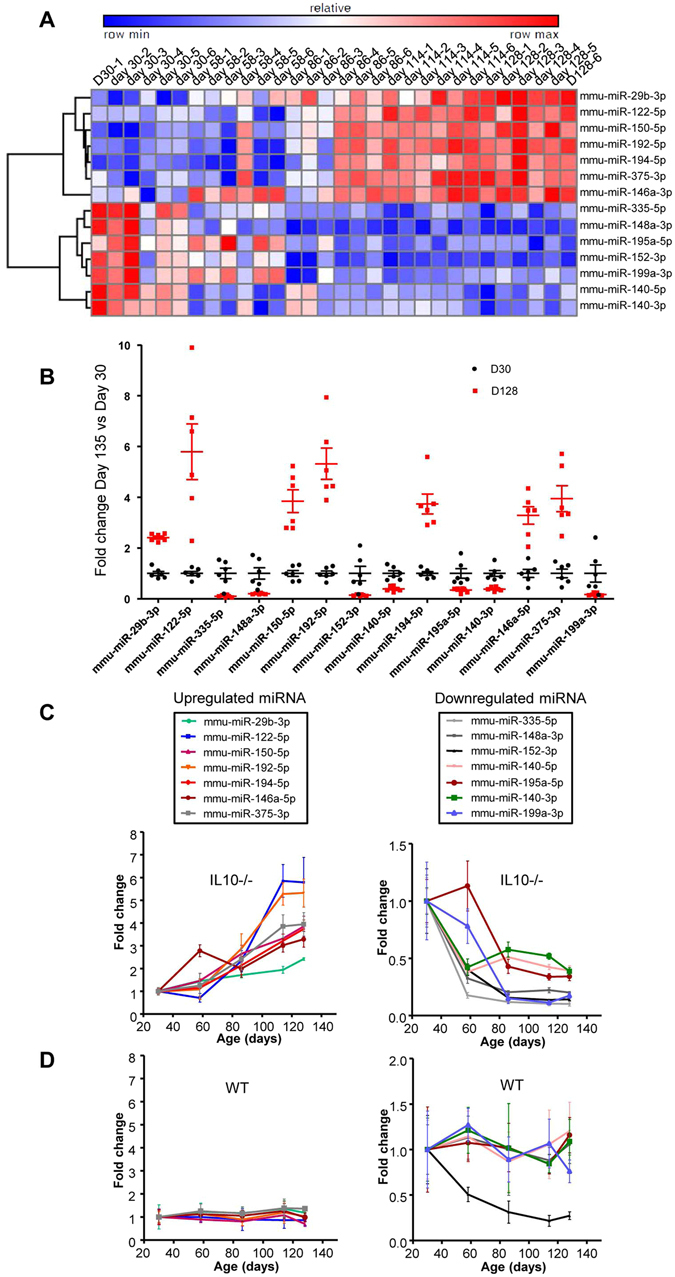
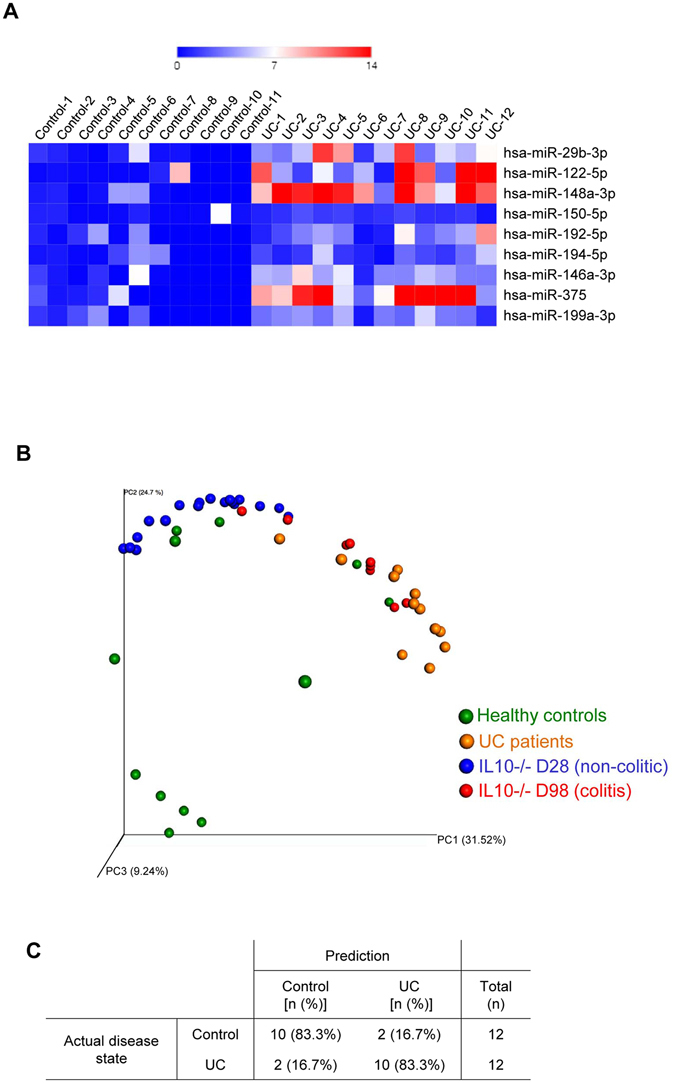
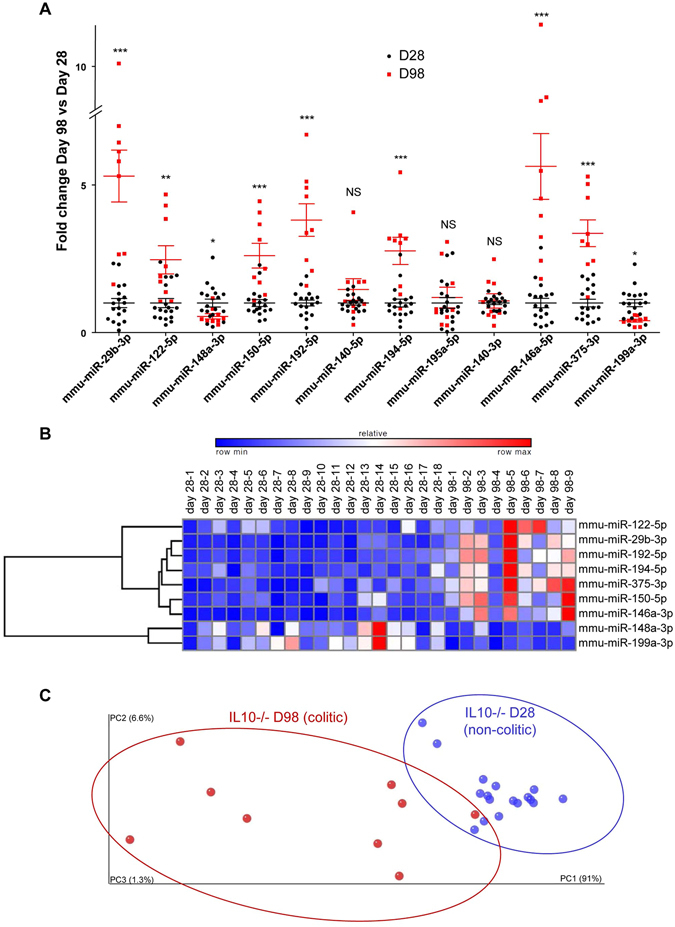
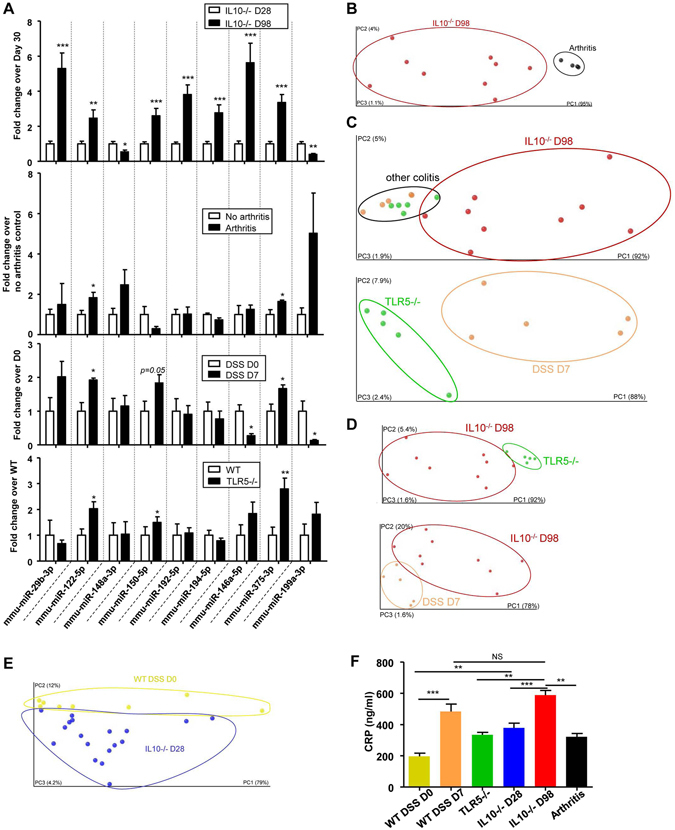
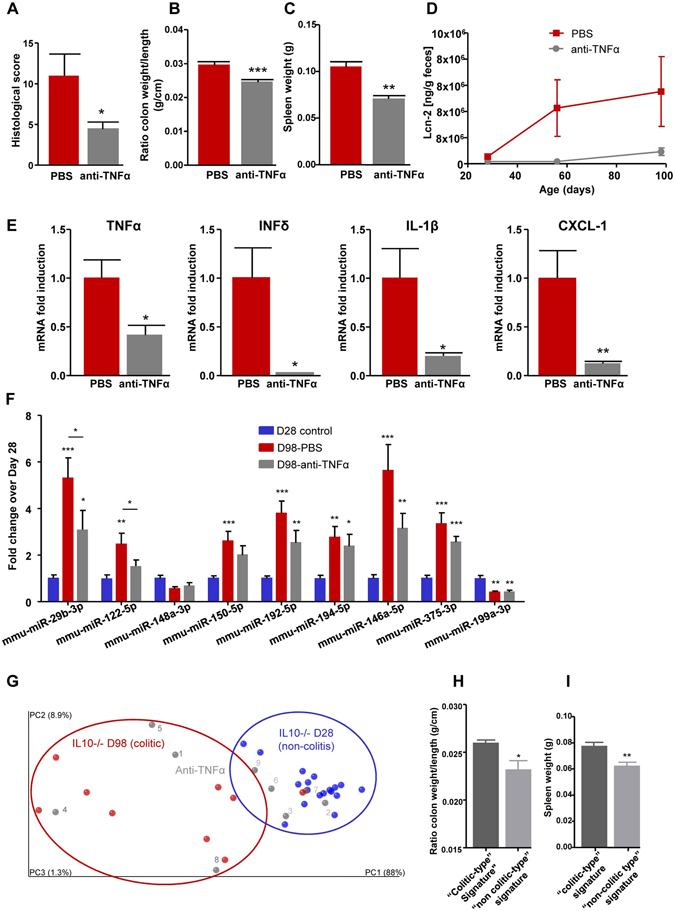
Inflammatory bowel disease (IBD) is difficult to diagnose due to nonspecific and variable symptoms, and lack of reliable diagnostic tests. Current methods are invasive, non-sensitive, non-predictive, and do not easily discriminate between its two main forms. Consequently, there remains a great need for reliable serum markers for IBD. Here, using a longitudinal study of various mouse models of colitis, we identified a serum miRNA signature that indicated the development of colitis and discriminated between inflammations of various origins (colitis from arthritis). Unlike the existing biomarkers, the newly identified signature also serves to distinguish individuals at risk, predict the type of inflammation, and evaluate the response to therapeutics. Moreover, the miRNA signature identified in mice predicted ulcerative colitis with 83.3% accuracy. In future, the signature identified herein could play a central role in monitoring inflammatory disorders and therapeutic responses in patients, thereby paving the way for personalized medicine.
炎症性肠病(IBD)由于症状非特异性和多变,且缺乏可靠的诊断测试,因此难以诊断。目前的方法具有侵入性、不敏感、非预测性,并且不容易区分其两种主要形式。因此,仍然需要可靠的 IBD 血清标志物。在这里,我们使用各种结肠炎小鼠模型的纵向研究,确定了一个血清 miRNA 特征,该特征表明结肠炎的发展,并区分了不同来源的炎症(关节炎引起的结肠炎)。与现有的生物标志物不同,新鉴定的特征也可用于区分处于危险中的个体,预测炎症类型,并评估对治疗的反应。此外,在小鼠中鉴定出的 miRNA 特征可准确预测溃疡性结肠炎,准确率为 83.3%。在未来,本文中鉴定出的特征可在监测炎症性疾病和治疗反应中发挥核心作用,从而为个性化医疗铺平道路。