Foglia E E, Jensen E A, Kirpalani H
Division of Neonatology, The Children's Hospital of Philadelphia, Philadelphia, PA, USA.
Department of Pediatrics, University of Pennsylvania Perelman School of Medicine, Philadelphia, PA, USA.
J Perinatol. 2017 Nov;37(11):1171-1179. doi: 10.1038/jp.2017.74. Epub 2017 Jun 1.
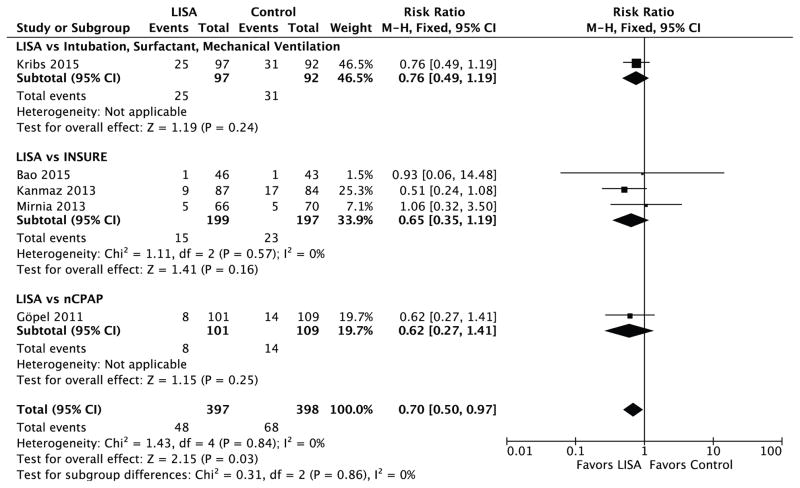
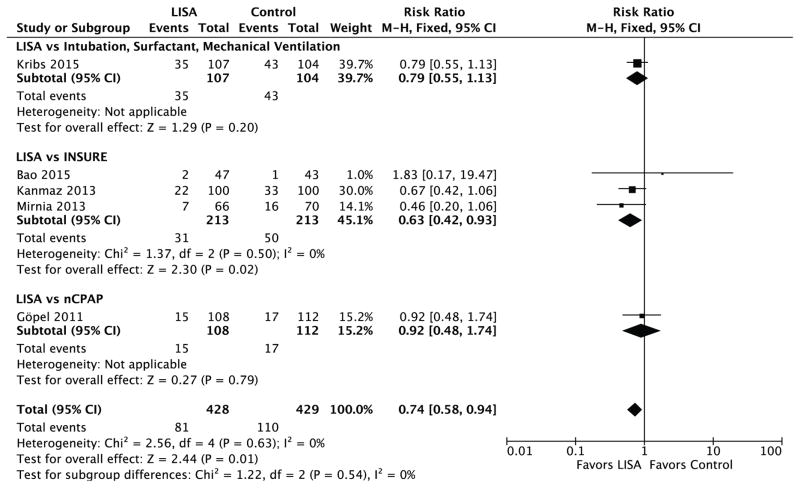
Bronchopulmonary dysplasia (BPD) is the most common chronic respiratory complication of preterm birth. Preterm infants are at risk for acute lung injury immediately after birth, which predisposes to BPD. In this article, we review the current evidence for interventions applied during neonatal transition (delivery room and first postnatal hours of life) to prevent BPD in extremely preterm infants: continuous positive airway pressure (CPAP), sustained lung inflation, supplemental oxygen use during neonatal resuscitation, and surfactant therapy including less-invasive surfactant administration. Preterm infants should be stabilized with CPAP in the delivery room, reserving invasive mechanical ventilation for infants who fail non-invasive respiratory support. For infants who require endotracheal intubation and mechanical ventilation soon after birth, surfactant should be given early (<2 h of life). We recommend prudent titration of supplemental oxygen in the delivery room to achieve targeted oxygen saturations. Promising interventions that may further reduce BPD, such as sustained inflation and non-invasive surfactant administration, are currently under investigation.
支气管肺发育不良(BPD)是早产最常见的慢性呼吸系统并发症。早产儿在出生后即刻有发生急性肺损伤的风险,这易引发BPD。在本文中,我们综述了目前关于在新生儿过渡期(产房及出生后最初数小时)应用干预措施预防极早产儿发生BPD的证据:持续气道正压通气(CPAP)、肺持续膨胀、新生儿复苏期间补充氧气以及表面活性剂治疗,包括微创表面活性剂给药。早产儿在产房应使用CPAP使其病情稳定,对于无创呼吸支持失败的婴儿则采用有创机械通气。对于出生后不久即需要气管插管和机械通气的婴儿,应尽早(出生后<2小时)给予表面活性剂。我们建议在产房谨慎滴定补充氧气以达到目标血氧饱和度。目前正在研究一些可能进一步降低BPD的有前景的干预措施,如持续膨胀和无创表面活性剂给药。