Institute of Environmental Engineering, Czestochowa University of Technology, Czestochowa, Poland.
Institute of Environmental Engineering, Czestochowa University of Technology, Czestochowa, Poland.
J Environ Manage. 2017 Dec 1;203(Pt 3):1126-1136. doi: 10.1016/j.jenvman.2017.05.068. Epub 2017 May 29.
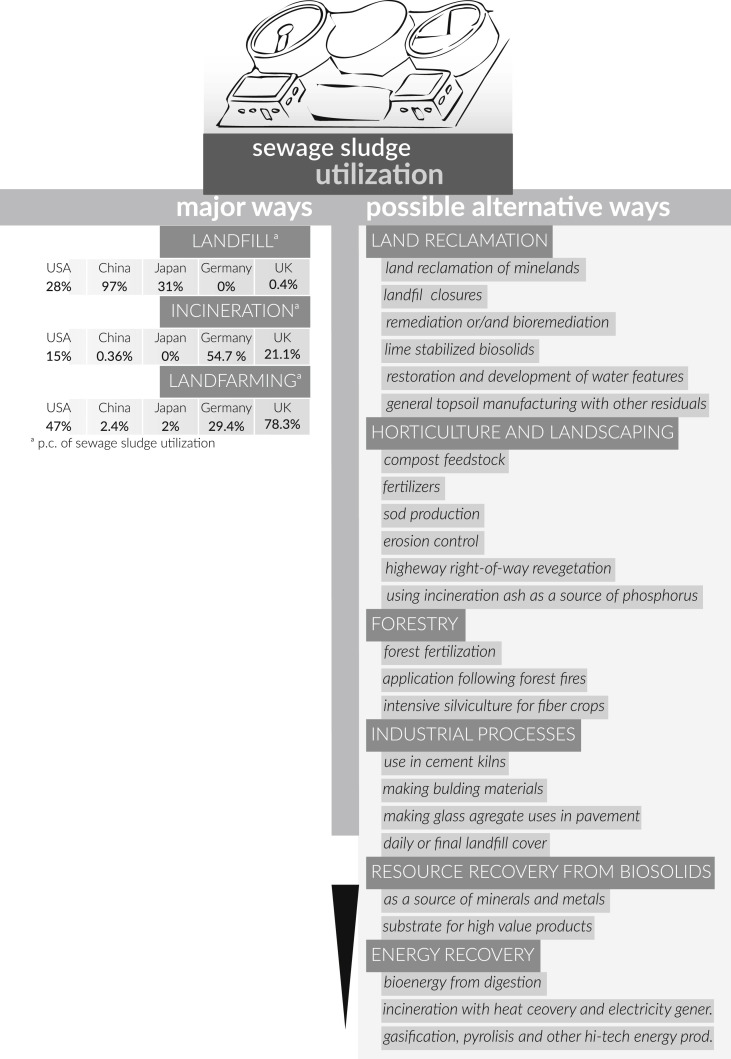
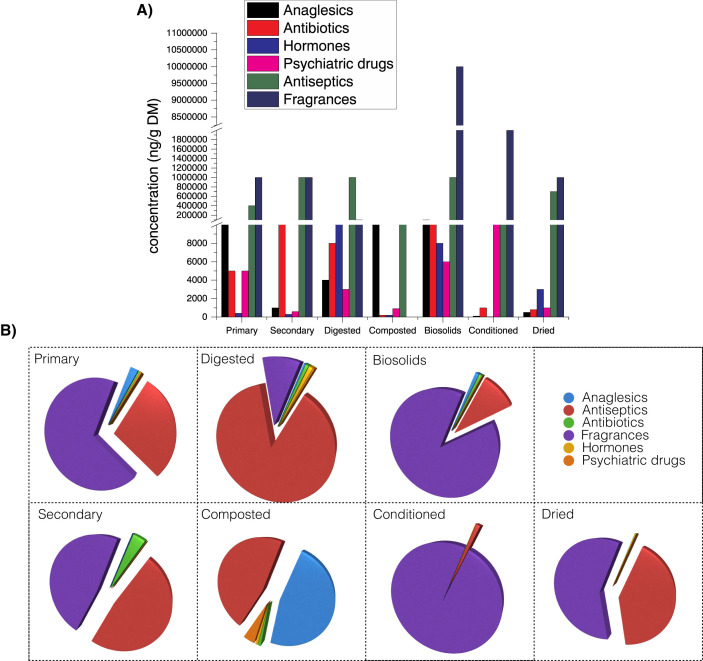
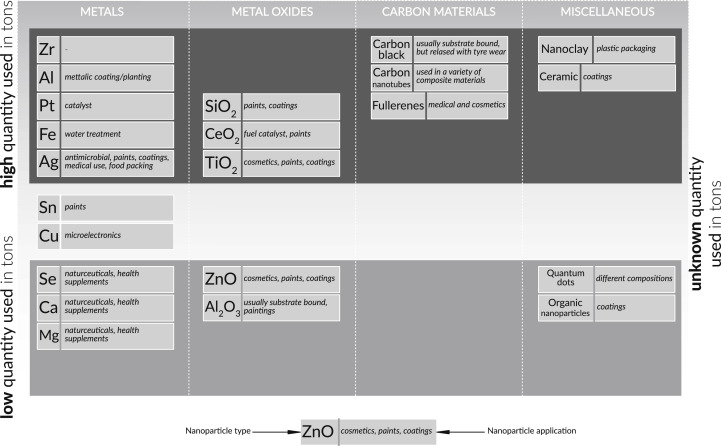
Sewage sludge/biosolids are by-wastes of municipal and industrial wastewater treatment. As sources of nutrients (C, N, P) they are widely used in intensive farming where large supplementation of organic matter to maintain fertility and enhance crop yields is needed. However, according to the report of European Commission published in 2010, only 39% of produced sewage sludge is recycled into agriculture in the European Union. This situation occurs mainly due to the fact, that the sewage sludge may contain a dangerous volume of different contaminants. For over decades, a great deal of attention has been focused on total concentration of few heavy metals and pathogenic bacteria Salmonella and Escherichia coli. The Sewage Sludge Directive (86/278/EEC) regulates the allowable limits of Zn, Cu, Ni, Pb, Cd, Cr and Hg and pathogens and allows for recovery of sludge on land under defined sanitary and environmentally sound conditions. In this paper, a review on quality of sewage sludge based on the publications after 2010 has been presented. Nowadays there are several papers focusing on new serious threats to human health and ecosystem occurring in sewage sludge - both chemicals (such as toxic trace elements - Se, Ag, Ti; nanoparticles; polyaromatic hydrocarbons; polychlorinated biphenyl; perfluorinated surfactants, polycyclic musks, siloxanes, pesticides, phenols, sweeteners, personal care products, pharmaceuticals, benzotriazoles) and biological traits (Legionella, Yersinia, Escherichia coli O157:H7).
污水污泥/生物固体是城市和工业废水处理的副产物。作为养分(C、N、P)的来源,它们被广泛应用于集约化农业中,需要大量补充有机物来维持肥力并提高作物产量。然而,根据欧洲委员会在 2010 年发布的报告,欧盟仅将 39%的生产污水污泥回收用于农业。这种情况主要是由于污水污泥可能含有大量不同的污染物。几十年来,人们一直关注少数几种重金属和病原菌沙门氏菌和大肠杆菌的总浓度。《污水污泥指令》(86/278/EEC)规定了 Zn、Cu、Ni、Pb、Cd、Cr 和 Hg 的允许限量以及病原体,并允许在符合卫生和环境健全条件的情况下在土地上回收污泥。本文综述了 2010 年后发表的关于污水污泥质量的文献。如今,有几篇论文聚焦于污水污泥中出现的新的严重威胁人类健康和生态系统的问题,包括化学物质(如有毒微量元素——硒、银、钛;纳米颗粒;多环芳烃;多氯联苯;全氟表面活性剂、多环麝香、硅氧烷、农药、酚类、甜味剂、个人护理产品、药品、苯并三唑)和生物特征(军团菌、耶尔森氏菌、大肠杆菌 O157:H7)。