Bacon Karleigh, Boyer Renee, Denbow Cynthia, O'Keefe Sean, Neilson Andrew, Williams Robert
Department of Food Science and Technology Human Agriculture Biosciences Building Blacksburg VA USA.
Department of Plant Pathology, Physiology, and Weed Science Virginia Polytechnic Institute and State University Blacksburg VA USA.
Food Sci Nutr. 2017 Feb 13;5(3):730-738. doi: 10.1002/fsn3.453. eCollection 2017 May.
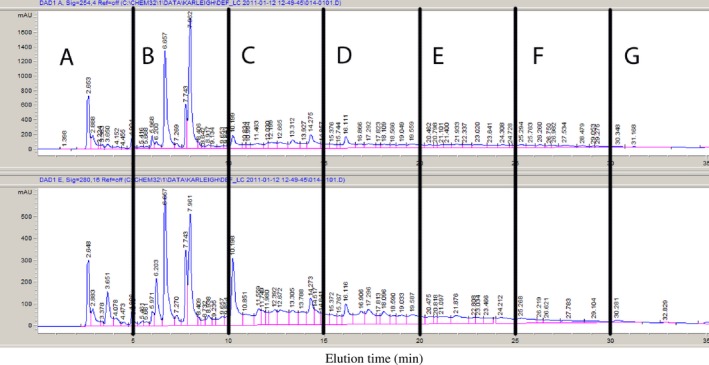
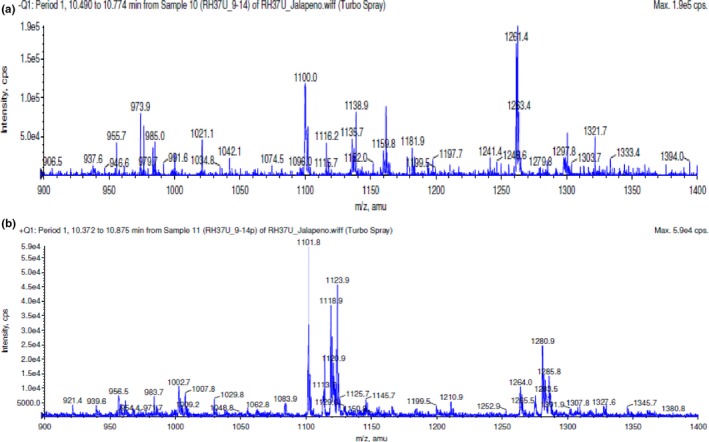
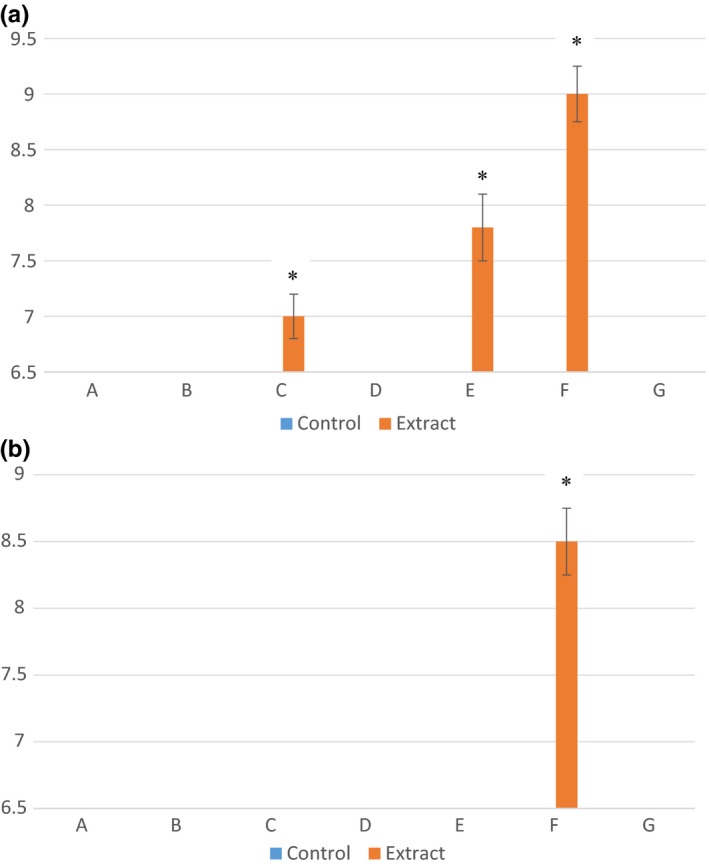
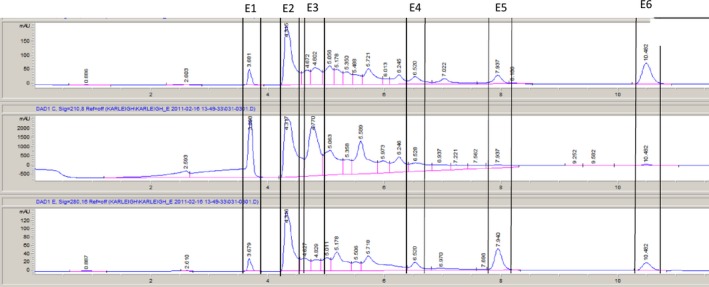
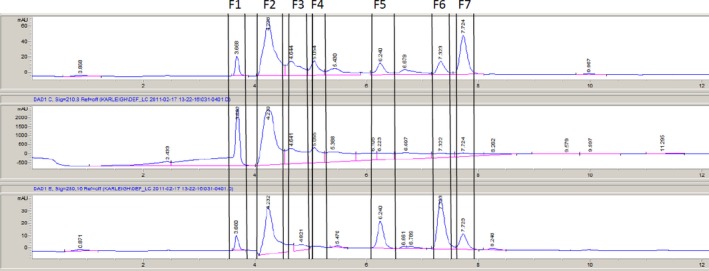
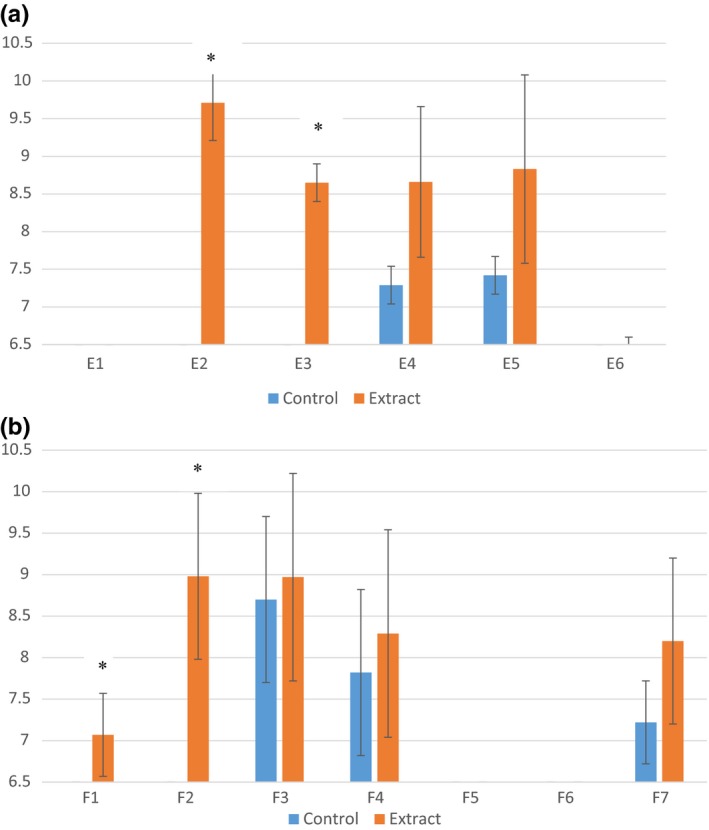
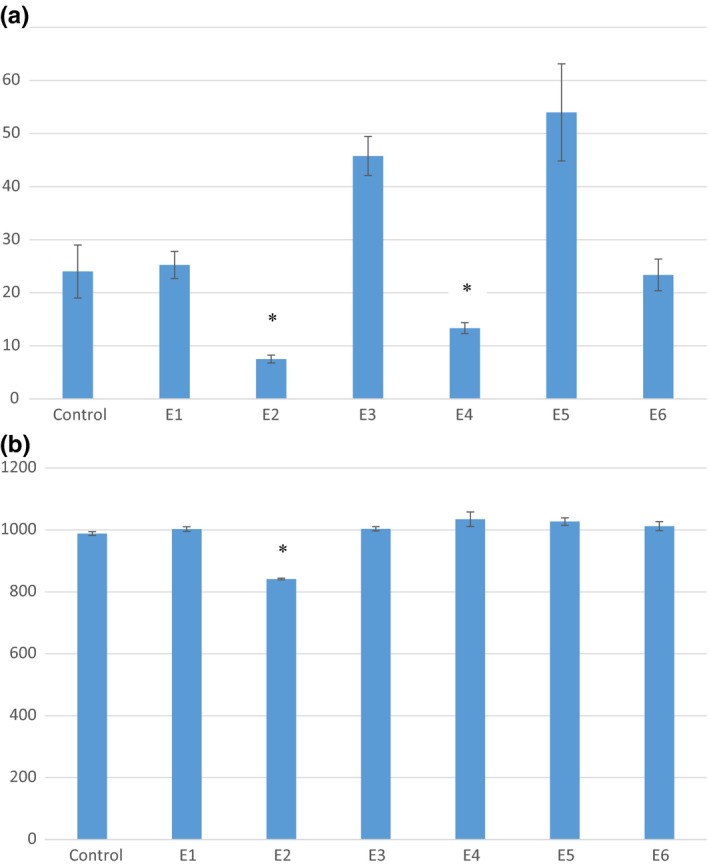
fruits have been investigated for antimicrobial activity in a number of studies. Capsaicin or other cinnamic acid pathway intermediates are often suggested to be the antimicrobial component, however there are conflicting results. No research has specifically fractionated jalapeño pepper ( var. ) extract to isolate and identify compound(s) responsible for inhibition. In this study, fractions were collected from jalapeño pepper extracts using reverse-phase HPLC and tested for antibacterial activity using the disk diffusion method. Following initial fractionation, two fractions (E and F) displayed antibacterial activity against all three pathogens (>.05). Commercial standards were screened to determine when they elude and it was found that capsaicin elutes at the same time as fraction E. Fractions E and F were subject to further HPLC fractionation and antibacterial analysis using two methods. The only fraction to display clear inhibition using both was fraction E1, inhibiting the growth of . Fraction E1 was analyzed using HPLC-MS. The resulting mass spectra revealed fraction E1 contained compounds belonging to a group of -specific compounds known as capsianosides. Limited research is available on antibacterial activity of capsianosides, and a pure commercial standard is not available. In order to confirm the potential antimicrobial activity of the compound(s) isolated, methods need to be developed to isolate and purify capsianosides specifically from jalapeño peppers.
在许多研究中都对水果的抗菌活性进行了调查。辣椒素或其他肉桂酸途径中间体常被认为是抗菌成分,然而结果却相互矛盾。尚无研究专门对墨西哥胡椒(变种)提取物进行分离,以分离和鉴定具有抑制作用的化合物。在本研究中,使用反相高效液相色谱法从墨西哥胡椒提取物中收集馏分,并采用纸片扩散法测试其抗菌活性。初步分离后,两个馏分(E和F)对所有三种病原体均显示出抗菌活性(>0.05)。筛选了商业标准品以确定它们的洗脱时间,发现辣椒素与馏分E同时洗脱。馏分E和F进一步通过两种方法进行高效液相色谱分离和抗菌分析。使用这两种方法唯一显示出明显抑制作用的馏分是馏分E1,它抑制了[具体病原体名称未给出]的生长。使用高效液相色谱-质谱联用仪对馏分E1进行了分析。所得质谱显示馏分E1含有属于一组特定化合物(称为辣椒糖苷)的化合物。关于辣椒糖苷抗菌活性的研究有限,且没有纯的商业标准品。为了确认分离出的化合物的潜在抗菌活性,需要开发从墨西哥胡椒中特异性分离和纯化辣椒糖苷的方法。