Aix Marseille Université, Génétique et Immunologie des Maladies Parasitaires, Unité Mixte de Recherche S906, INSERM U906, Marseille, France.
Laboratory of Immunology, Heart Institute, University of São Paulo School of Medicine.
Clin Infect Dis. 2017 Oct 1;65(7):1103-1111. doi: 10.1093/cid/cix506.
Chagas disease, caused by the protozoan Trypanosoma cruzi, is endemic in Latin America and affects 10 million people worldwide. Approximately 12000 deaths attributable to Chagas disease occur annually due to chronic Chagas disease cardiomyopathy (CCC), an inflammatory cardiomyopathy presenting with heart failure and arrythmia; 30% of infected subjects develop CCC years after infection. Genetic mechanisms play a role in differential progression to CCC, but little is known about the role of epigenetic modifications in pathological gene expression patterns in CCC patients' myocardium. DNA methylation is the most common modification in the mammalian genome.
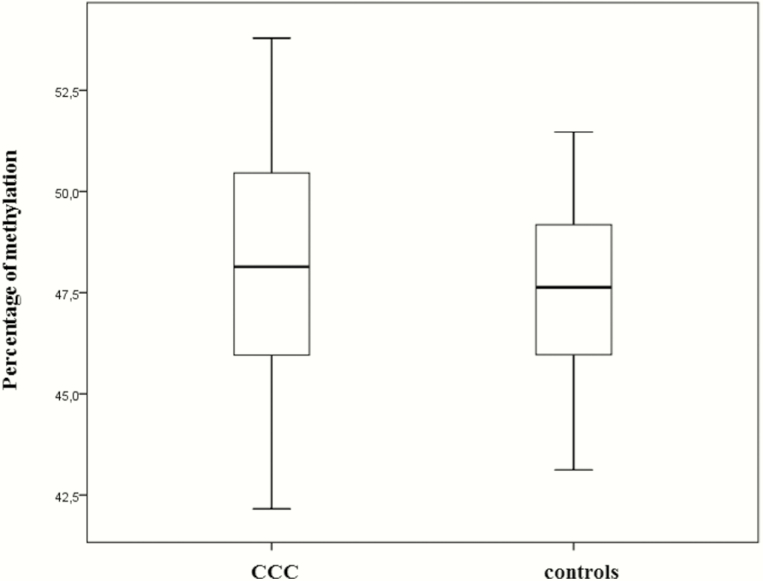
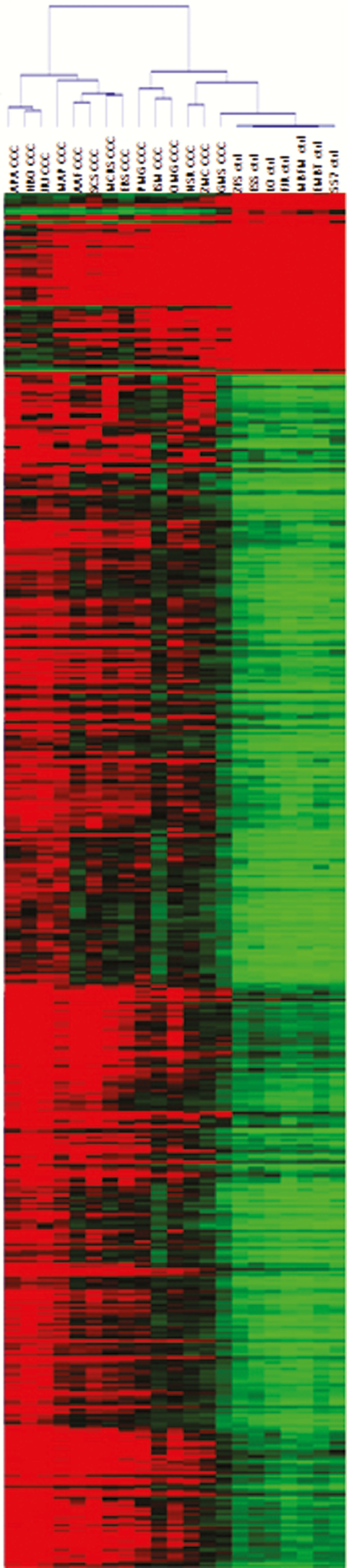
We investigated the impact of genome-wide cardiac DNA methylation on global gene expression in myocardial samples from end-stage CCC patients, compared to control samples from organ donors.
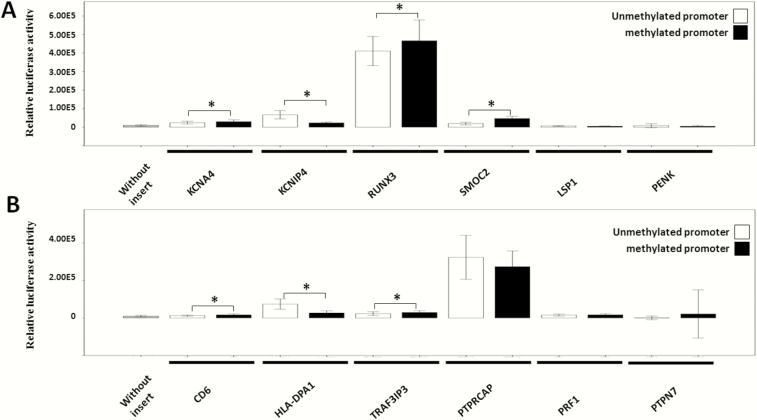
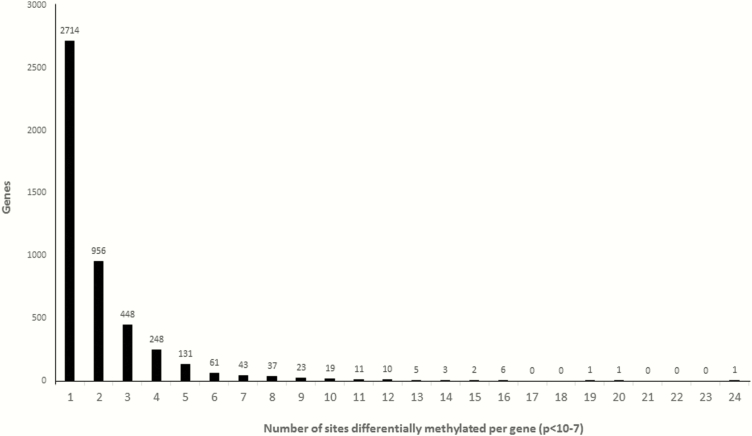
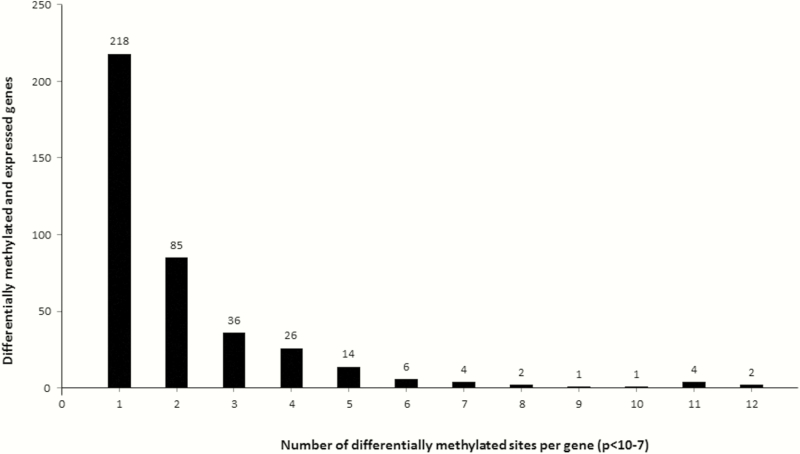
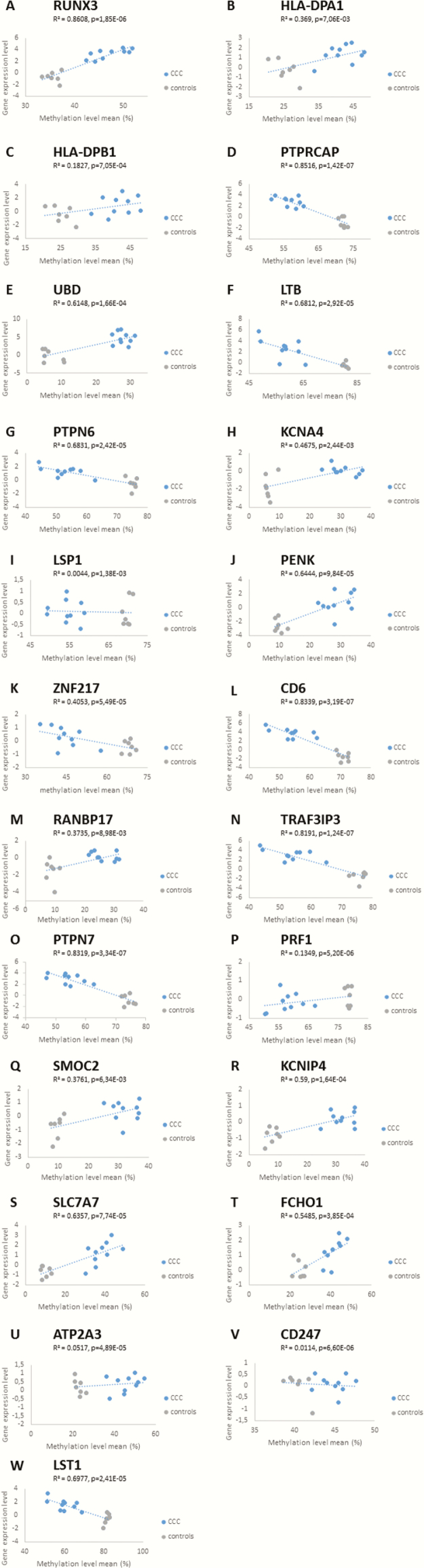
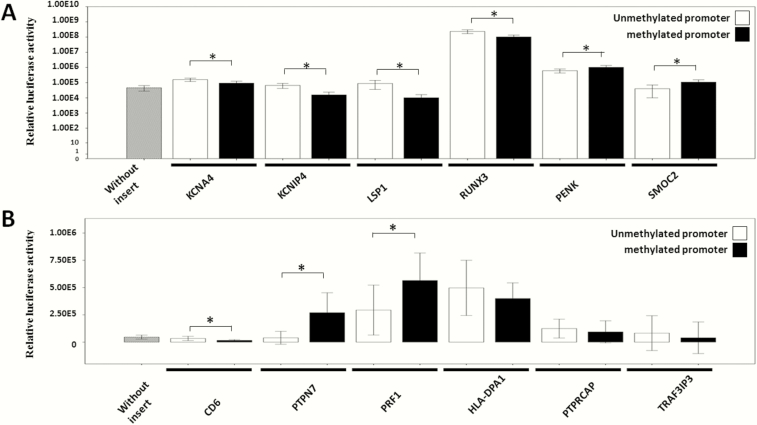
In total, 4720 genes were differentially methylated between CCC patients and controls, of which 399 were also differentially expressed. Several of them were related to heart function or to the immune response and had methylation sites in their promoter region. Reporter gene and in silico transcription factor binding analyses indicated promoter methylation modified expression of key genes. Among those, we found potassium channel genes KCNA4 and KCNIP4, involved in electrical conduction and arrythmia, SMOC2, involved in matrix remodeling, as well as enkephalin and RUNX3, potentially involved in the increased T-helper 1 cytokine-mediated inflammatory damage in heart.
Results support that DNA methylation plays a role in the regulation of expression of pathogenically relevant genes in CCC myocardium, and identify novel potential disease pathways and therapeutic targets in CCC.
克氏锥虫引起的恰加斯病在拉丁美洲流行,影响全球 1000 万人。每年约有 12000 人死于慢性恰加斯病性心肌病(CCC),这是一种炎症性心肌病,表现为心力衰竭和心律失常;感染后约 30%的感染者会在多年后发展为 CCC。遗传机制在 CCC 的差异进展中起作用,但对表观遗传修饰在 CCC 患者心肌病理基因表达模式中的作用知之甚少。DNA 甲基化是哺乳动物基因组中最常见的修饰。
我们研究了心脏全基因组 DNA 甲基化对终末期 CCC 患者心肌样本中整体基因表达的影响,并与器官捐献者的对照样本进行了比较。
总共在 CCC 患者和对照组之间发现了 4720 个差异甲基化的基因,其中 399 个基因也有差异表达。其中一些与心脏功能或免疫反应有关,其启动子区域存在甲基化位点。报告基因和计算机转录因子结合分析表明,启动子甲基化改变了关键基因的表达。在这些基因中,我们发现了与电传导和心律失常有关的钾通道基因 KCNA4 和 KCNIP4、参与基质重塑的 SMOC2,以及可能与心脏中促炎损伤增加的 T 辅助 1 细胞因子有关的脑啡肽和 RUNX3。
结果支持 DNA 甲基化在 CCC 心肌中与病原体相关基因的表达调控中起作用,并确定了 CCC 中的新的潜在疾病途径和治疗靶点。