Medical Scientist Training Program, Perelman School of Medicine at the University of Pennsylvania, Philadelphia, Pennsylvania 19104, USA.
Biomedical Graduate Studies, Perelman School of Medicine at the University of Pennsylvania, Philadelphia, Pennsylvania 19104, USA.
Nat Commun. 2017 Jun 5;8:15677. doi: 10.1038/ncomms15677.
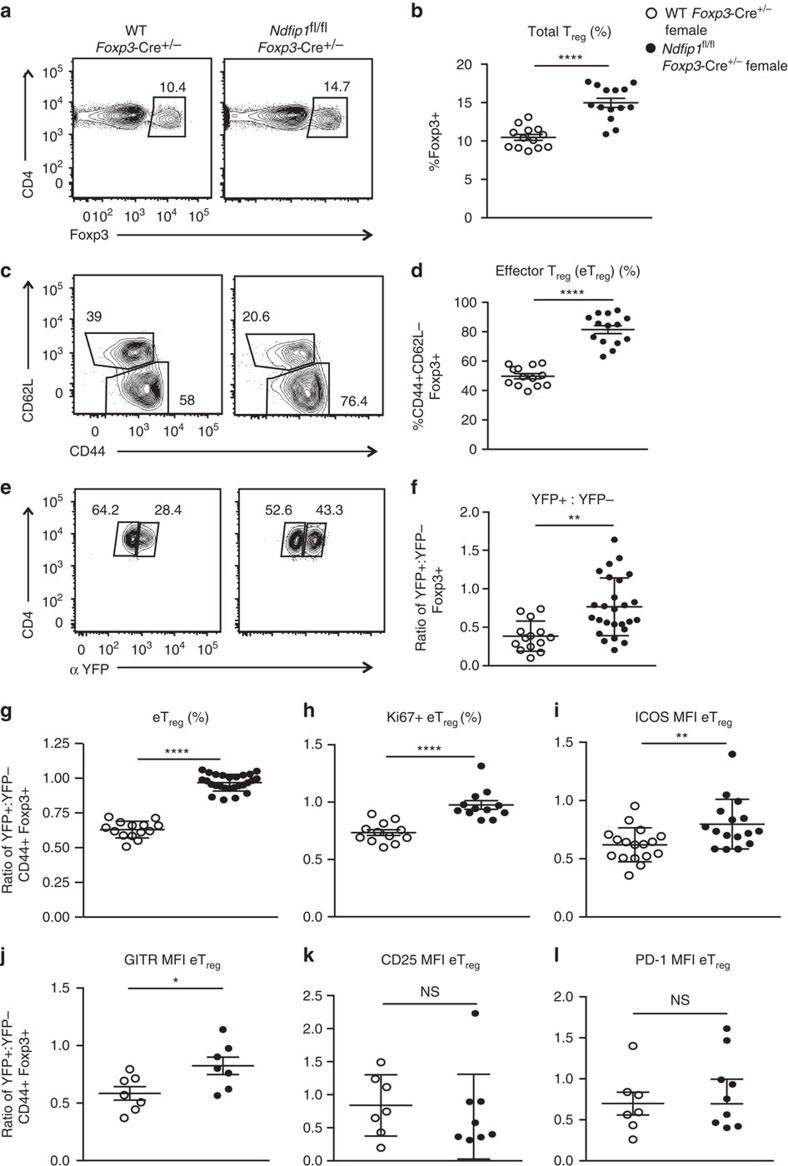
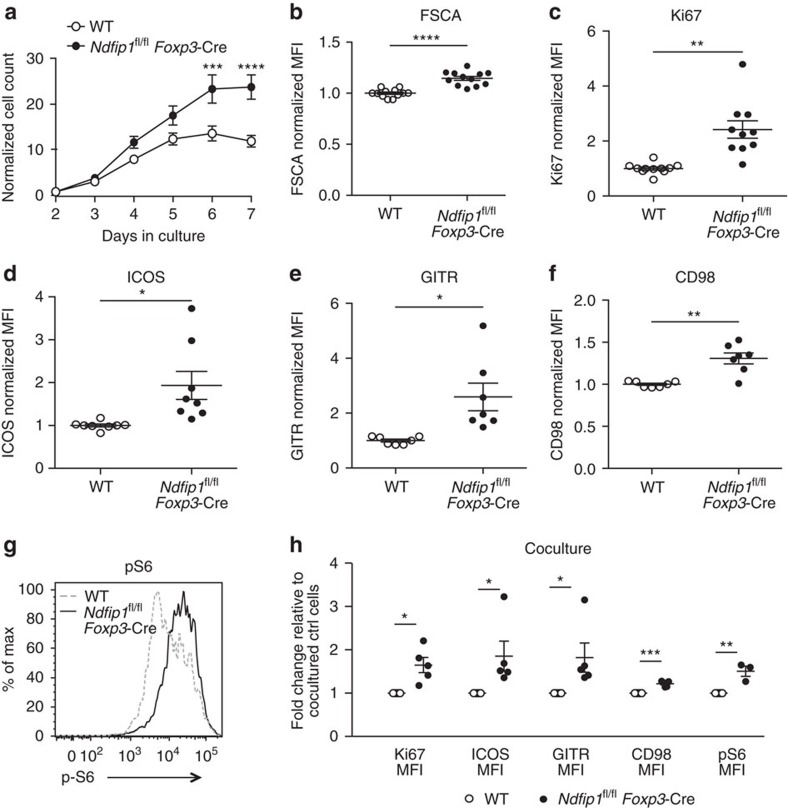
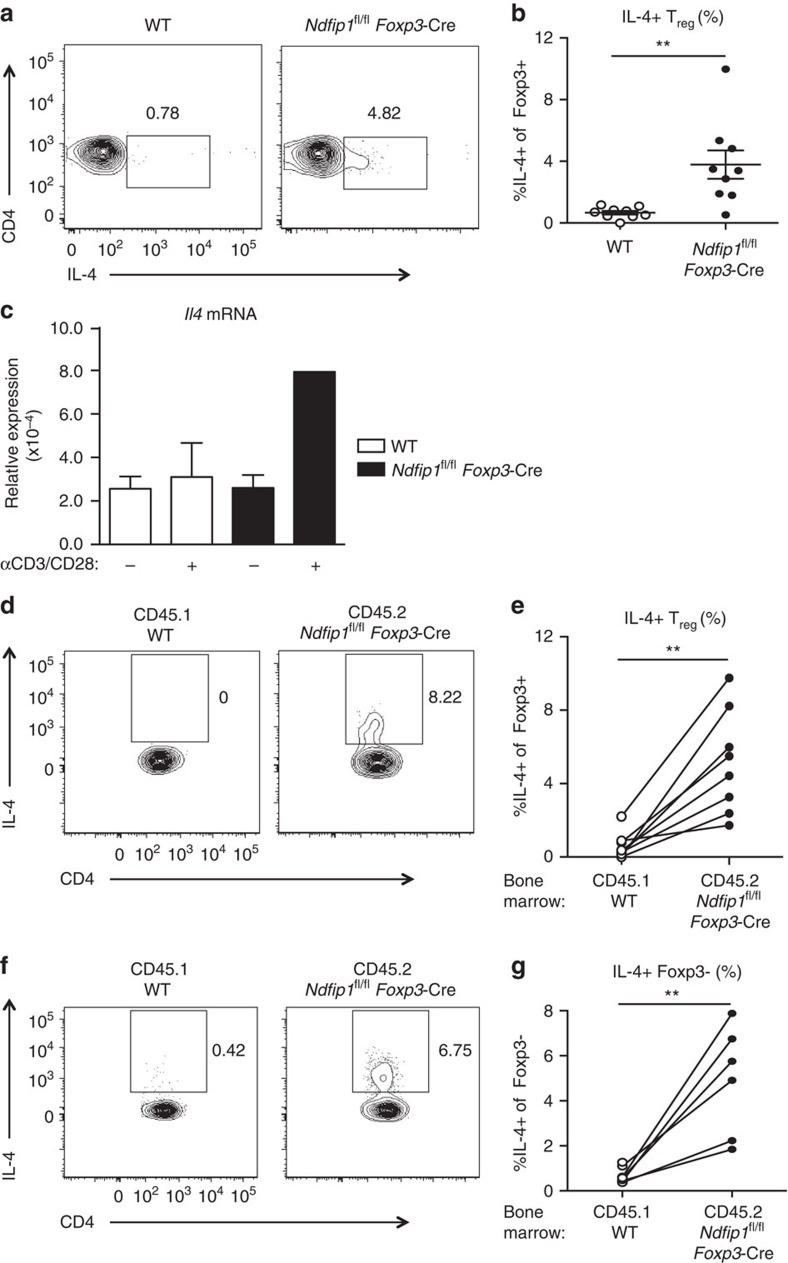
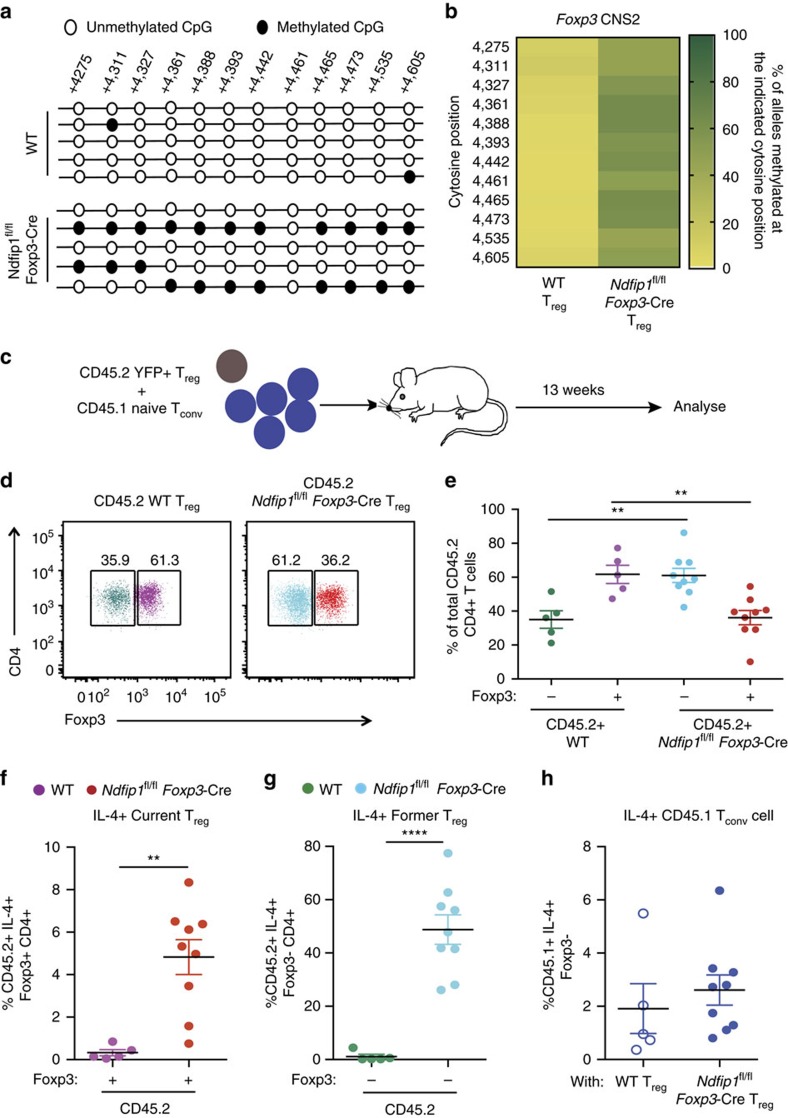
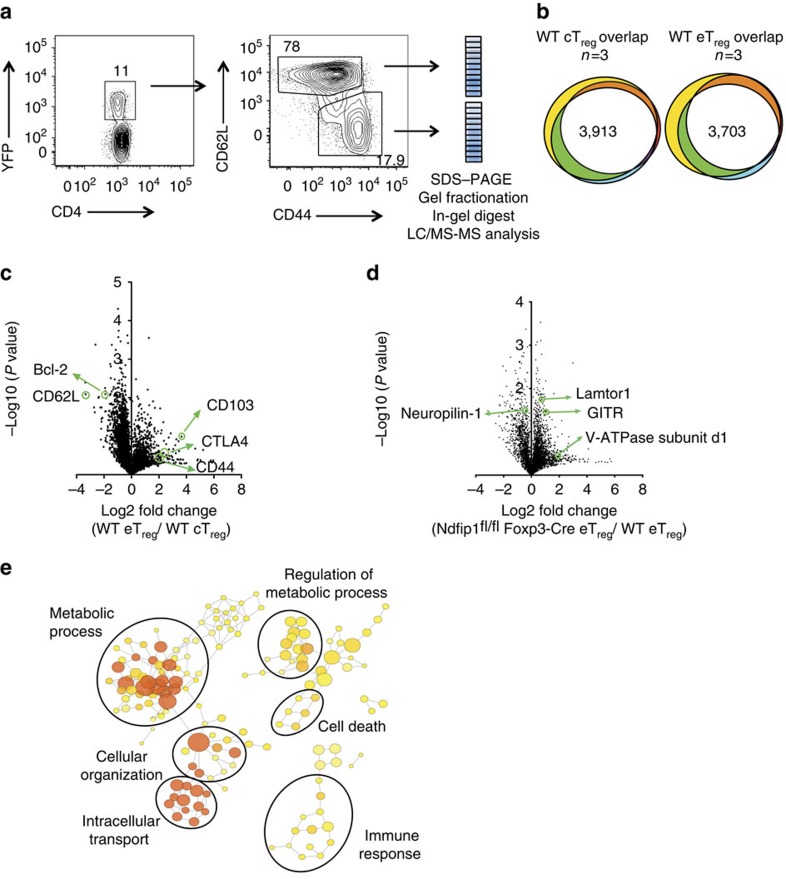
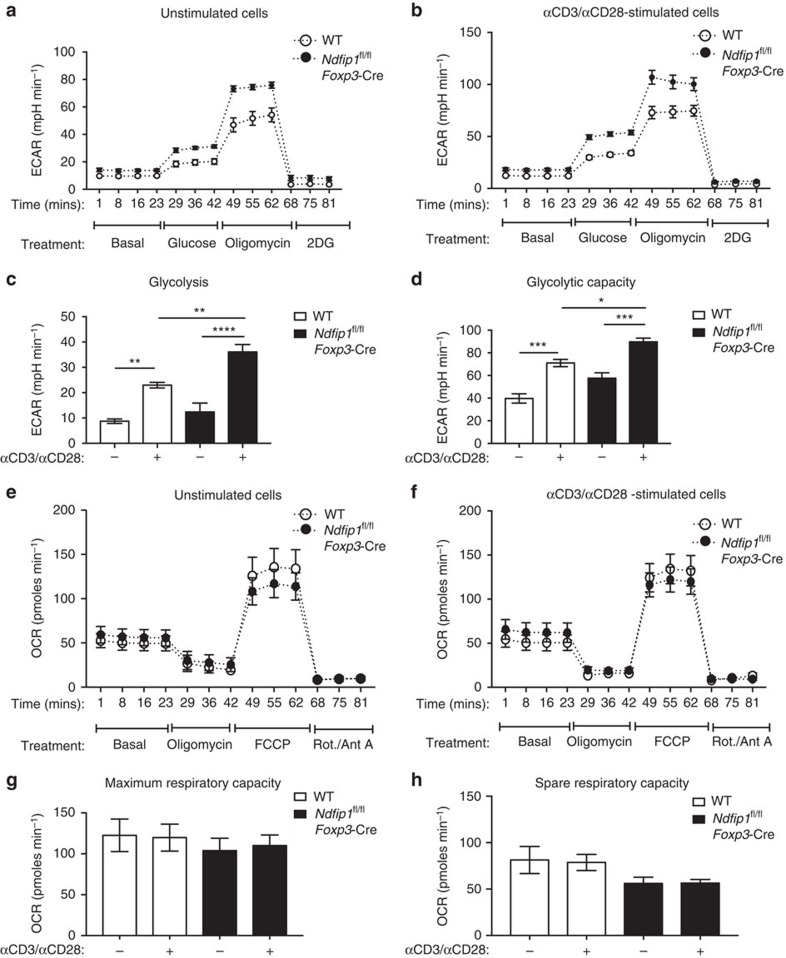
Foxp3 T regulatory (T) cells suppress immune cell activation and establish normal immune homeostasis. How T cells maintain their identity is not completely understood. Here we show that Ndfip1, a coactivator of Nedd4-family E3 ubiquitin ligases, is required for T cell stability and function. Ndfip1 deletion in T cells results in autoinflammatory disease. Ndfip1-deficient T cells are highly proliferative and are more likely to lose Foxp3 expression to become IL-4-producing T2 effector cells. Proteomic analyses indicate altered metabolic signature of Ndfip1-deficient T cells and metabolic profiling reveals elevated glycolysis and increased mTORC1 signalling. Ndfip1 restricts T cell metabolism and IL-4 production via distinct mechanisms, as IL-4 deficiency does not prevent hyperproliferation or elevated mTORC1 signalling in Ndfip1-deficient T cells. Thus, Ndfip1 preserves T lineage stability and immune homeostasis by preventing the expansion of highly proliferative and metabolically active T cells and by preventing pathological secretion of IL-4 from T cells.
叉头框蛋白 P3(Foxp3)调节性 T(Treg)细胞抑制免疫细胞激活并建立正常的免疫稳态。T 细胞如何维持其特性尚不完全清楚。本文中,作者发现 Nedd4 家族 E3 泛素连接酶共激活因子 Ndfip1 对于 T 细胞的稳定性和功能是必需的。T 细胞中 Ndfip1 的缺失会导致自身炎症性疾病。Ndfip1 缺陷型 T 细胞具有高增殖性,并且更有可能丧失 Foxp3 表达,成为产生 IL-4 的 T2 效应细胞。蛋白质组学分析表明,Ndfip1 缺陷型 T 细胞的代谢特征发生改变,代谢分析显示糖酵解增强,mTORC1 信号通路增强。Ndfip1 通过不同的机制限制 T 细胞代谢和 IL-4 的产生,因为 IL-4 缺乏并不能防止 Ndfip1 缺陷型 T 细胞的过度增殖或 mTORC1 信号通路的增强。因此,Ndfip1 通过防止高增殖和代谢活跃的 T 细胞的过度扩增以及防止 T 细胞病理性分泌 IL-4,从而维持 T 细胞谱系的稳定性和免疫稳态。