Bronstein Robert, Kyle Jackson, Abraham Ariel B, Tsirka Stella E
Program in Neuroscience, Stony Brook University, Stony BrookNY, United States.
Cold Spring Harbor Laboratory, Cold Spring HarborNY, United States.
Front Mol Neurosci. 2017 May 23;10:153. doi: 10.3389/fnmol.2017.00153. eCollection 2017.
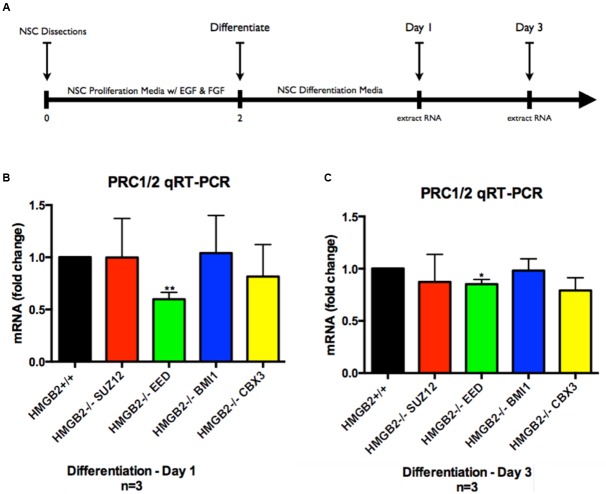
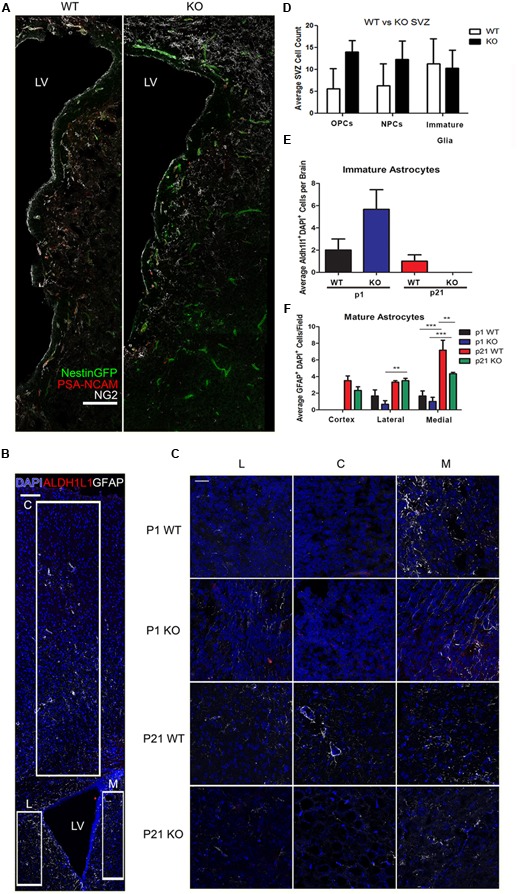
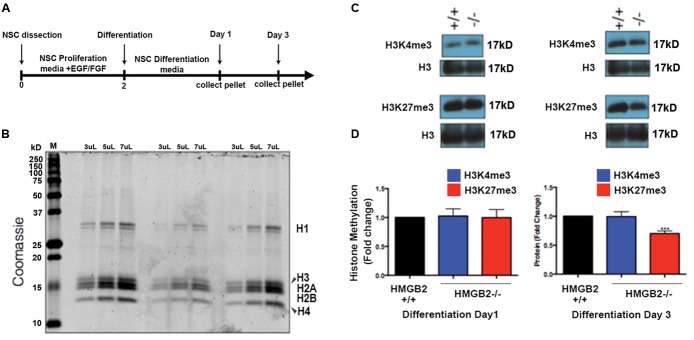
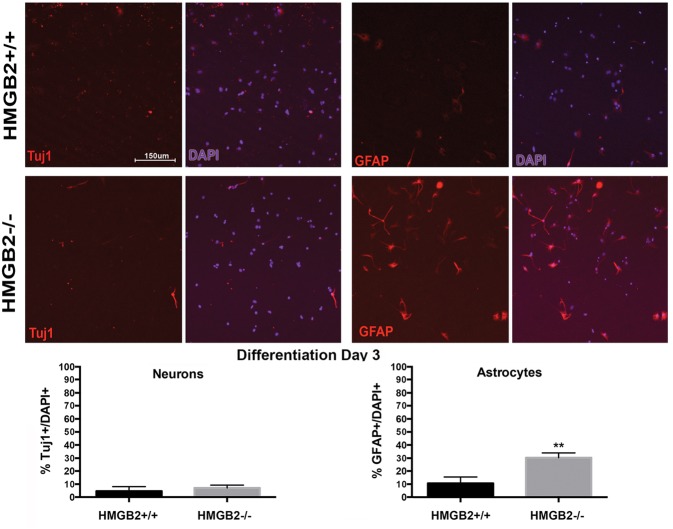
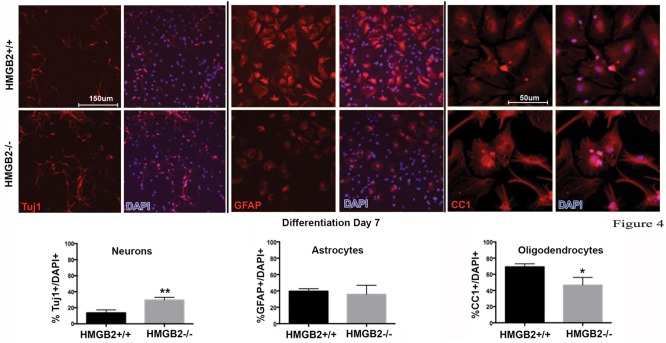
Mouse cortical development relies heavily on a delicate balance between neurogenesis and gliogenesis. The lateral ventricular zone produces different classes of excitatory pyramidal cells until just before birth, when the production of astroglia begins to prevail. Epigenetic control of this fate shift is of critical importance and chromatin regulatory elements driving neuronal or astroglial development play an vital role. Different classes of chromatin binding proteins orchestrate the transcriptional repression of neuronal-specific genes, while allowing for the activation of astrocyte-specific genes. Through proteomic analysis of embryonic neural progenitor cells (NPCs) our group had previously identified high mobility group B2 (HMGB2), a chromatin protein dynamically expressed throughout embryonic development. In the current study using cultures of perinatal NPCs from HMGB2 and HMGB2 mice we discovered that vital elements of the polycomb group (PcG) epigenetic complexes polycomb repressive complexes 1 and 2 (PRC1/2) were downregulated during the differentiation process of HMGB2-null NPCs. These epigenetic changes led to downstream changes in specific histone modification levels, specifically the trimethylation of H3K27, and a subsequent shift in the perinatal neurogenesis to gliogenesis fate transition. Collectively these results demonstrate that chromatin binding proteins, such as HMGB2, can have significant effects on the epigenetic landscape of perinatal neural stem/progenitor cells.
小鼠皮质发育严重依赖于神经发生和胶质发生之间的微妙平衡。侧脑室区在出生前一直产生不同类型的兴奋性锥体细胞,此时星形胶质细胞的产生开始占主导地位。这种命运转变的表观遗传控制至关重要,驱动神经元或星形胶质细胞发育的染色质调控元件发挥着关键作用。不同类型的染色质结合蛋白协调神经元特异性基因的转录抑制,同时允许星形胶质细胞特异性基因的激活。通过对胚胎神经祖细胞(NPCs)的蛋白质组学分析,我们小组之前鉴定出高迁移率族蛋白B2(HMGB2),一种在整个胚胎发育过程中动态表达的染色质蛋白。在当前使用来自HMGB2和HMGB2基因敲除小鼠的围产期NPCs培养物的研究中,我们发现多梳蛋白组(PcG)表观遗传复合物多梳抑制复合物1和2(PRC1/2)的关键成分在HMGB2基因敲除的NPCs分化过程中被下调。这些表观遗传变化导致特定组蛋白修饰水平的下游变化,特别是H3K27的三甲基化,以及随后围产期神经发生向胶质发生命运转变的改变。这些结果共同表明,染色质结合蛋白,如HMGB2,可对围产期神经干/祖细胞的表观遗传格局产生重大影响。