Beattie Allison, Yates Robert, Noble Douglas J
Chatham House, London, UK.
Unicef Regional Office for South Asia, Kathmandu, Nepal.
BMJ Glob Health. 2016 Oct 31;1(Suppl 2):i12-i18. doi: 10.1136/bmjgh-2016-000190. eCollection 2016.
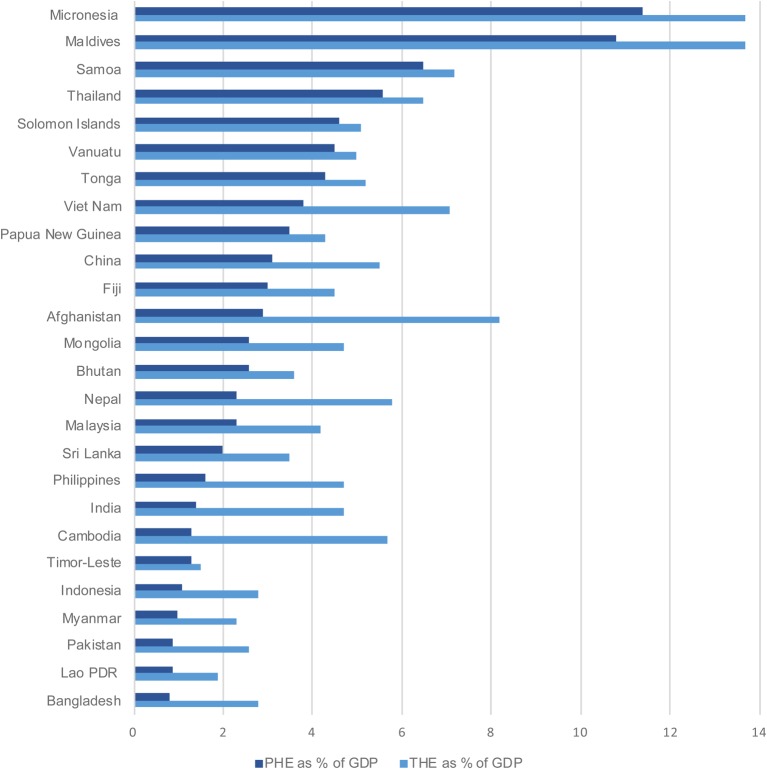
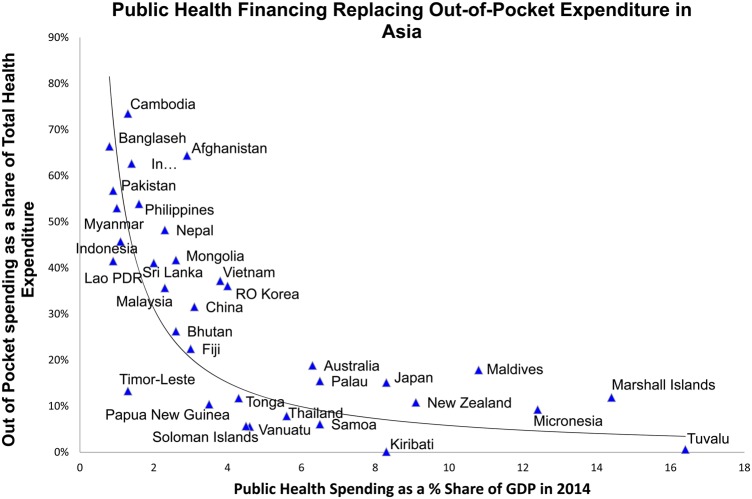
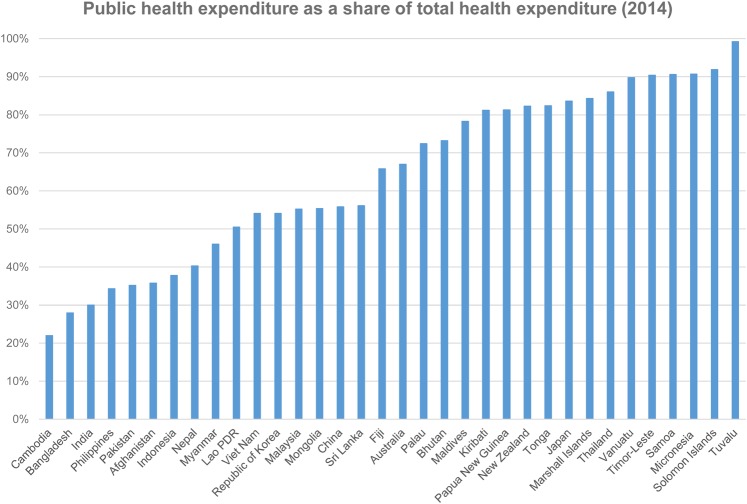
Universal health coverage generates significant health and economic benefits and enables governments to reduce inequity. Where universal health coverage has been implemented well, it can contribute to nation-building. This analysis reviews evidence from Asia and Pacific drawing out determinants of successful systems and barriers to progress with a focus on women and children. Access to healthcare is important for women and children and contributes to early childhood development. Universal health coverage is a political process from the start, and public financing is critical and directly related to more equitable health systems. Closing primary healthcare gaps should be the foundation of universal health coverage reforms. Recommendations for policy for national governments to improve universal health coverage are identified, including countries spending < 3% of gross domestic product in public expenditure on health committing to increasing funding by at least 0.3%/year to reach a minimum expenditure threshold of 3%.
全民健康覆盖能带来显著的健康和经济效益,并使各国政府能够减少不公平现象。在全民健康覆盖得到良好实施的地方,它有助于国家建设。本分析回顾了亚太地区的证据,找出成功体系的决定因素和进展的障碍,重点关注妇女和儿童。获得医疗保健对妇女和儿童很重要,并有助于幼儿发展。全民健康覆盖从一开始就是一个政治过程,公共融资至关重要,且与更公平的卫生系统直接相关。缩小初级医疗保健差距应是全民健康覆盖改革的基础。确定了各国政府改善全民健康覆盖的政策建议,包括那些卫生公共支出占国内生产总值不到3%的国家承诺每年至少增加0.3%的资金,以达到3%的最低支出门槛。