Dicken Matthew L, Hussey Nigel E, Christiansen Heather M, Smale Malcolm J, Nkabi Nomfundo, Cliff Geremy, Wintner Sabine P
KwaZulu-Natal Sharks Board, Umhlanga Rocks, South Africa.
Department of Zoology and Entomology, University of Fort Hare, Alice. South Africa.
PLoS One. 2017 Jun 8;12(6):e0177897. doi: 10.1371/journal.pone.0177897. eCollection 2017.
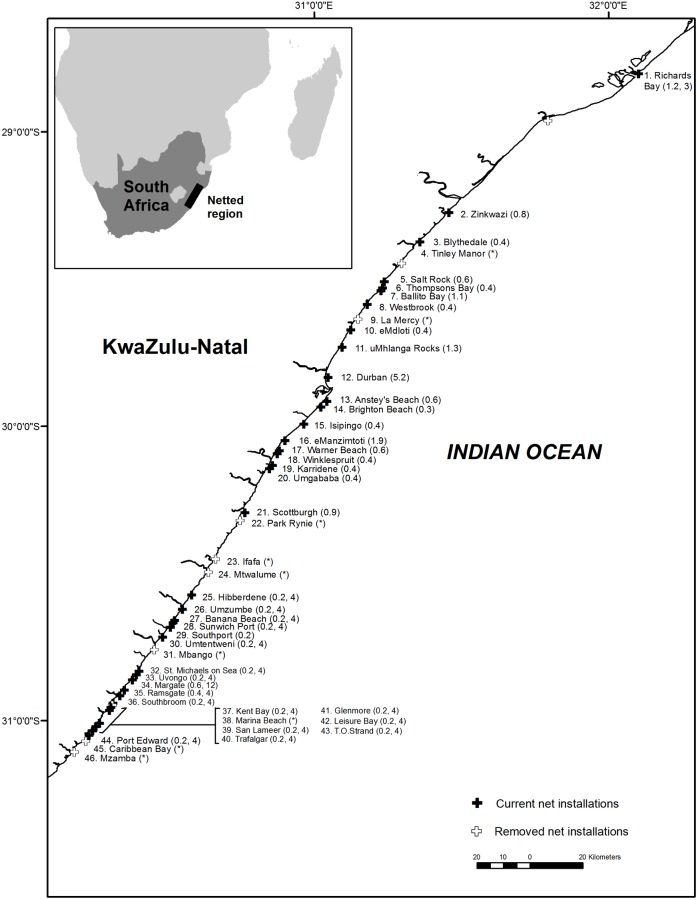
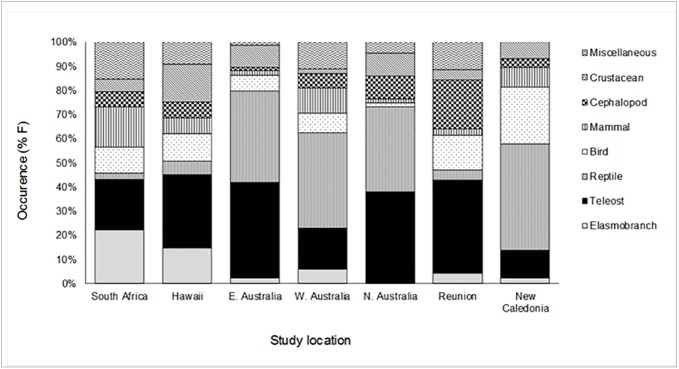
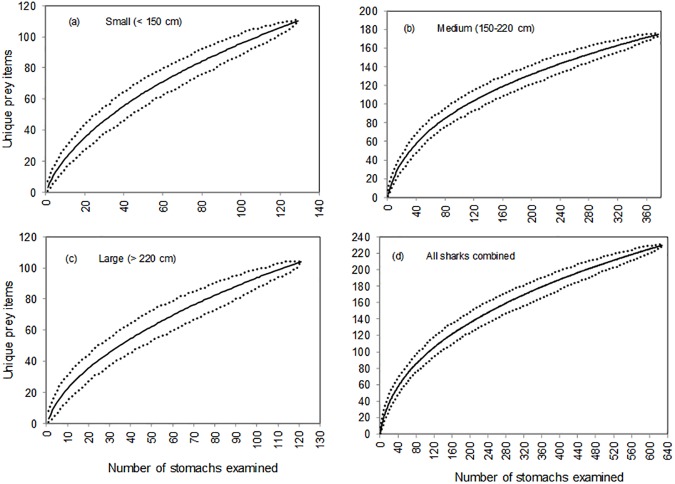
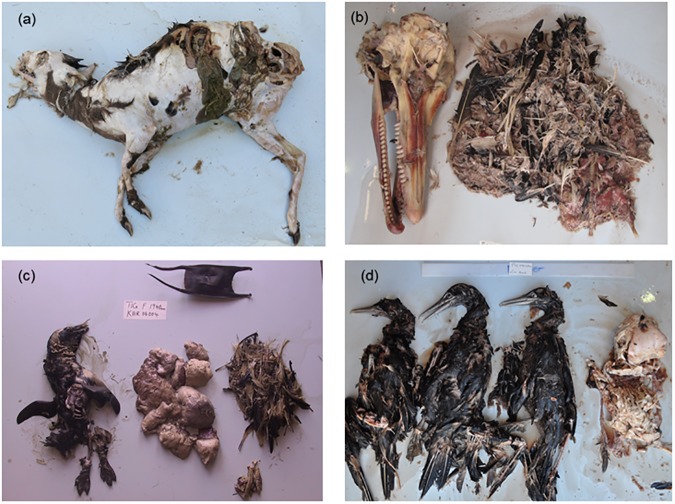
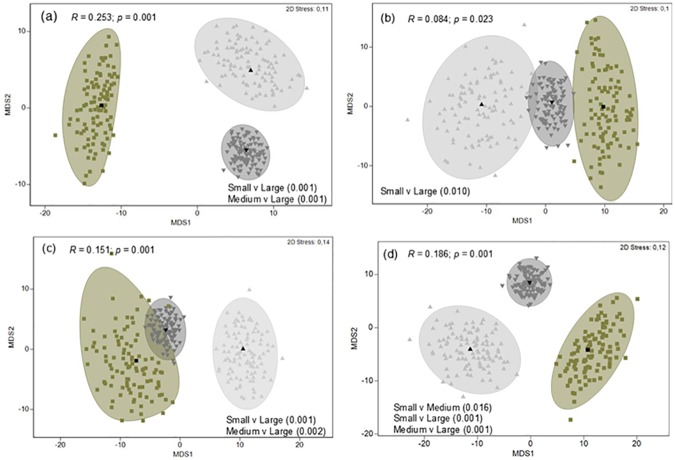
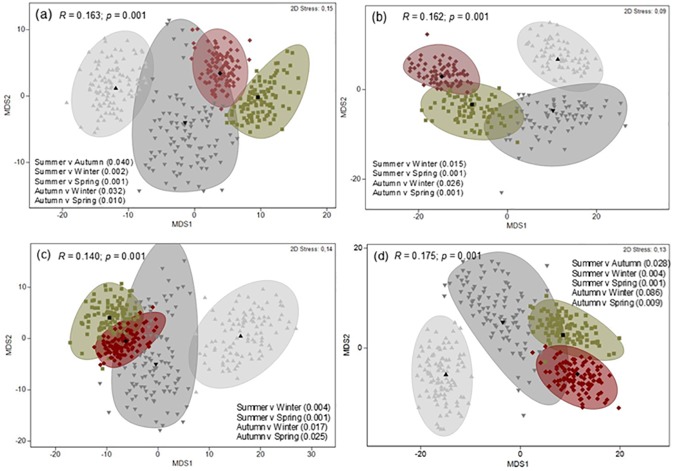
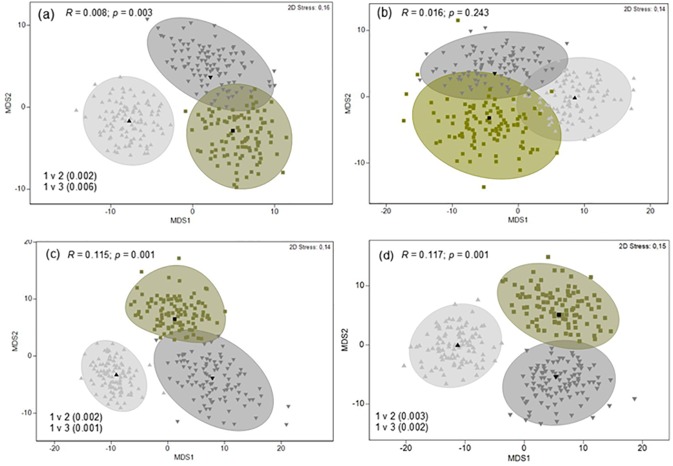
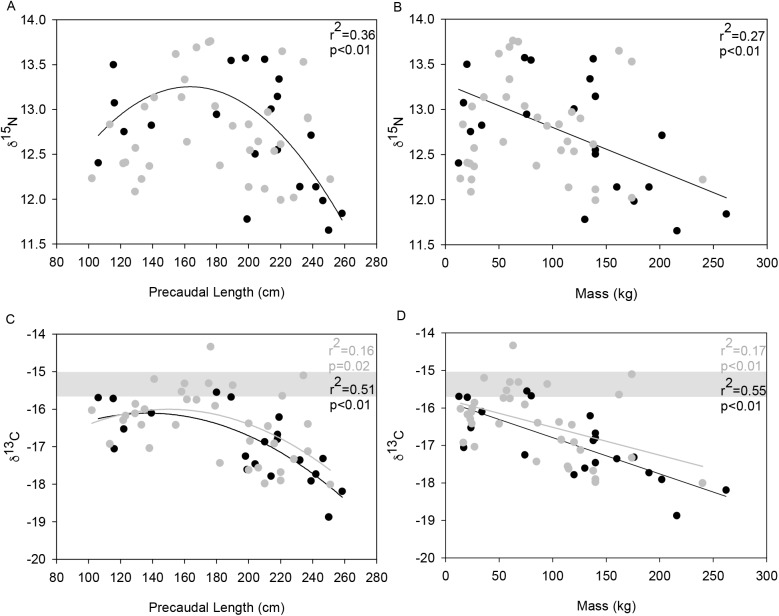
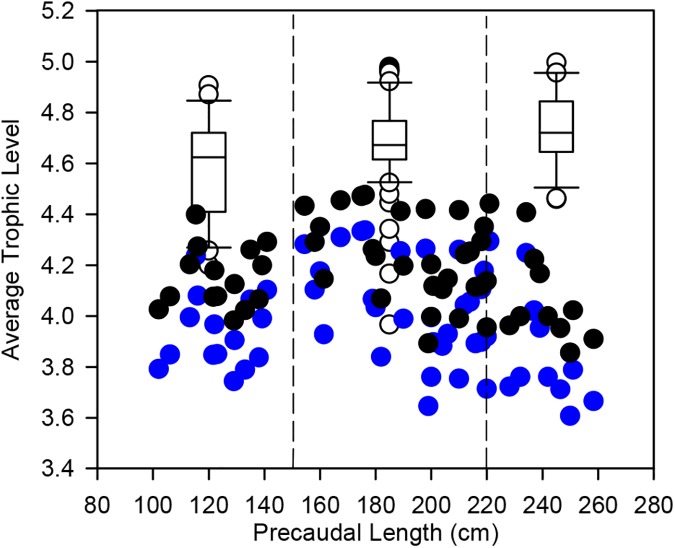
Knowledge of the diet and trophic ecology of apex predators is key for the implementation of effective ecosystem as well as species-based management initiatives. Using a combination of stomach content data and stable isotope analysis (δ15N and δ13C) the current study provides information on size-based and sex-specific variations in diet, trophic position (TP) and foraging habitat of tiger sharks (Galeocerdo cuvier) caught in the KwaZulu-Natal Sharks Board bather protection program. This study presents the longest time-series and most detailed analysis of stomach content data for G. cuvier worldwide. Prey identified from 628 non-empty stomachs revealed a size-based shift in diet. Reptiles, birds, mysticetes, and large shark species increased in dietary importance with G. cuvier size, concomitant with a decrease in smaller prey such as batoids and teleosts. Seasonal and decadal shifts in diet driven primarily by changes in the importance of elasmobranchs and mammal (cetacean) prey were recorded for medium sized (150-220 cm) G. cuvier. Both stomach content and stable isotope analysis indicated that G. cuvier is a generalist feeder at the population level. Size-based δ13C profiles indicated a movement to offshore foraging habitats by larger G. cuvier. Calculated TP varied by method ranging from 4.0 to 5.0 (TPSCA for stomach contents) and from 3.6 to 4.5 (TPscaled and TPadditive for δ15N). Large (> 220 cm) G. cuvier did not feed at discrete trophic levels, but rather throughout the food web. These data provide key information on the ecological role of G. cuvier to improve the accuracy of regional food web modelling. This will enable a better understanding of the ecological impacts related to changes in the abundance of this predator.
了解顶级掠食者的饮食和营养生态学是实施有效的生态系统以及基于物种的管理举措的关键。本研究结合胃内容物数据和稳定同位素分析(δ15N和δ13C),提供了有关夸祖鲁 - 纳塔尔鲨鱼委员会沐浴者保护计划中捕获的虎鲨(居氏鼬鲨,Galeocerdo cuvier)在基于体型和性别的饮食、营养级(TP)和觅食栖息地方面变化的信息。这项研究展示了全球范围内关于居氏鼬鲨胃内容物数据最长的时间序列和最详细的分析。从628个非空胃中鉴定出的猎物显示出饮食上基于体型的转变。随着居氏鼬鲨体型增大,爬行动物、鸟类、须鲸和大型鲨鱼物种在饮食中的重要性增加,同时像鳐类和硬骨鱼等较小猎物的重要性下降。记录到中等体型(150 - 220厘米)的居氏鼬鲨的饮食存在季节性和年代际变化,主要由板鳃亚纲动物和哺乳动物(鲸类)猎物重要性的变化驱动。胃内容物分析和稳定同位素分析均表明,居氏鼬鲨在种群水平上是广食性捕食者。基于体型的δ13C分布表明较大的居氏鼬鲨向近海觅食栖息地移动。计算得出的营养级因方法而异,胃内容物的营养级相似性分析(TPSCA)结果为4.0至5.0,δ15N的标准化营养级(TPscaled)和相加营养级(TPadditive)结果为3.6至4.5。大型(> 220厘米)居氏鼬鲨并非在离散的营养级觅食,而是在整个食物网中觅食。这些数据提供了有关居氏鼬鲨生态作用的关键信息,以提高区域食物网建模的准确性。这将有助于更好地理解与这种捕食者数量变化相关的生态影响。